India in talks with China to use Xinjiang airspace as Pakistan closure exceeds 17 months
Why It MattersWhen one state closes its airspace for an extended period, airlines and diplomats must jointly seek substitute corridors, and any new route stays hostage to a third country's own military airspace controls.
What happened
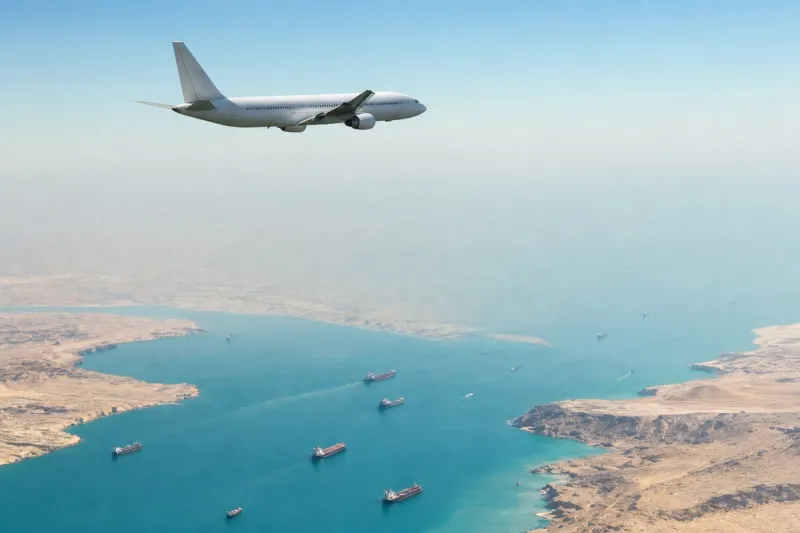
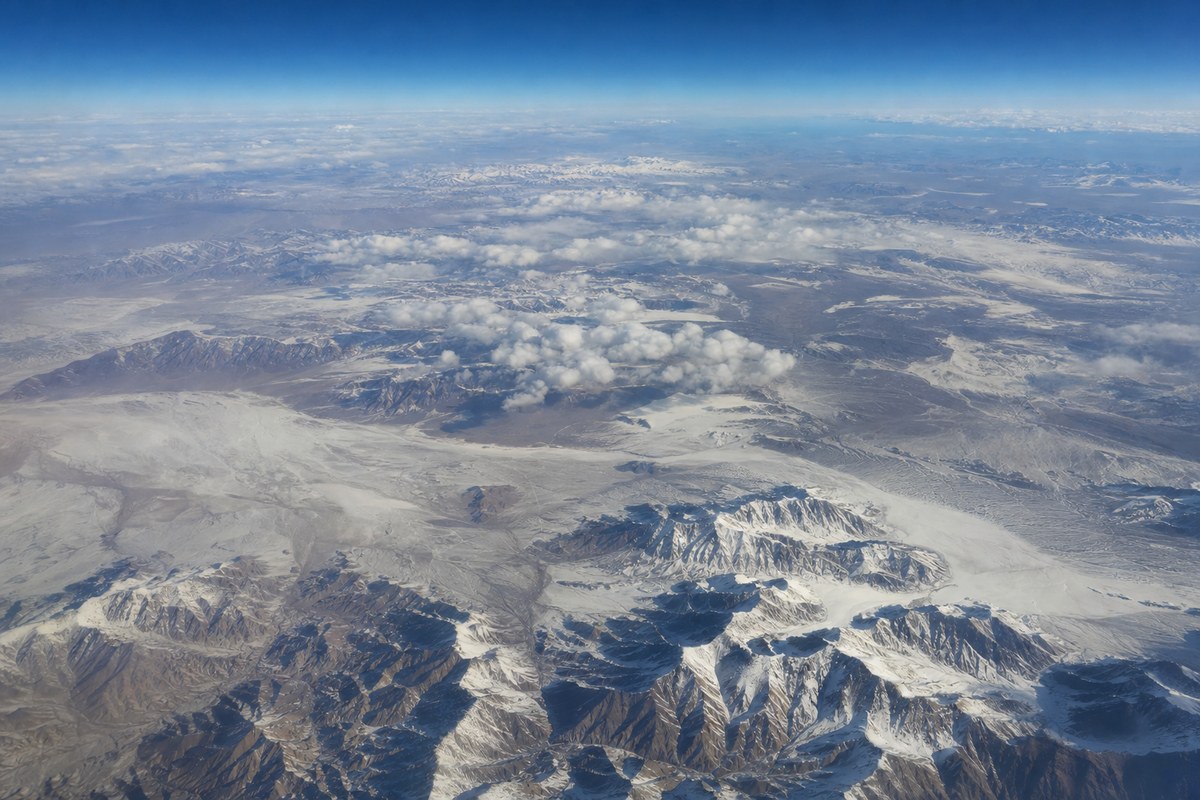
A senior official said on Tuesday that India is in talks with China to use Chinese airspace, specifically routing over Hotan in Xinjiang, as an alternative for Indian carriers affected by Pakistan's airspace closure. The closure has been in effect for more than 17 months and the discussions with Chinese counterparts have gone on for more than a year through India's Ministry of External Affairs. Parts of Xinjiang's airspace are controlled by the military, which has complicated efforts to obtain clearance.
Pakistan closed its airspace to Indian carriers for one month on April 24, following the Pahalgam terror attack on April 22. Both countries have extended the restrictions monthly, with the latest extension running until October 24. Indian airline flights to and from the United States and Canada have been forced onto longer, circuitous routes, increasing travel time, fuel consumption, and crew costs tied to flight-duty limitations. Air India, a major operator on routes to the US, Canada, and Europe, has been significantly affected, and an airline source said the airspace ban has caused a surge in operational costs and a heavy financial toll.
Separately, India-China air connectivity has been recovering since flights between the two countries were suspended after the Galwan Valley clash in June 2020. The first resumed India-China flight operated on October 26, 2025. IndiGo currently operates three routes to China: Delhi-Guangzhou, Kolkata-Guangzhou, and Kolkata-Shanghai. Air India resumed the Delhi-Shanghai route on February 1, 2026. China Southern Airlines began flying between Guangzhou and Delhi about a week before this report, and Air China resumed the Beijing-Delhi route on April 21.
Industry impact & what to watch
A prolonged bilateral airspace closure forces carriers on the affected side to absorb higher fuel burn, longer block times, and added crew costs, since duty-time limits mean long diversions can require extra crew or aircraft on the same city pairs. Air India's exposure on US, Canada, and Europe routes shows how quickly a single geopolitical decision can reshape network economics for a carrier with significant long-haul dependence on the closed corridor.
Securing an alternative corridor is not just a bilateral matter between India and Pakistan; it now depends on a third country's own internal airspace governance, since parts of Xinjiang's airspace are controlled by the military, adding a layer of negotiation beyond normal air-services diplomacy. That the talks have run for more than a year without resolution illustrates how military-controlled airspace can stall even a workaround route.
The parallel recovery of India-China direct flying, with IndiGo, Air India, China Southern, and Air China all restoring service since October 2025, gives both sides an existing bilateral channel that could carry the Hotan discussion forward, though the two tracks remain formally separate. Whether India secures Xinjiang overflight rights will likely hinge on the next round of Ministry of External Affairs talks with Chinese counterparts, and on whether the October 24 extension deadline for Pakistan's closure is lifted or rolled forward again.