U-Tapao Airport to Operate 24/7 as Diversion Airport from September 28 to October 4, 2026
Why It MattersThe episode shows how weather-driven diversion capacity depends on ad hoc negotiation between regulators and airport operators rather than standing round-the-clock arrangements.
What happened
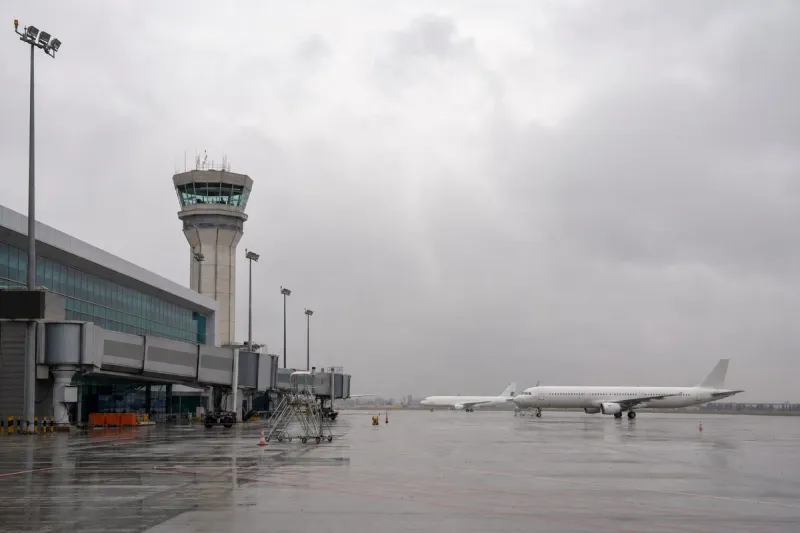
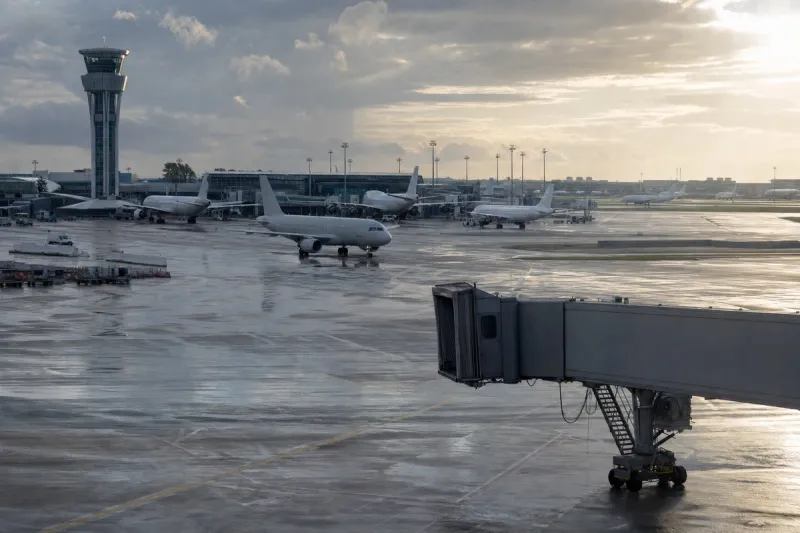
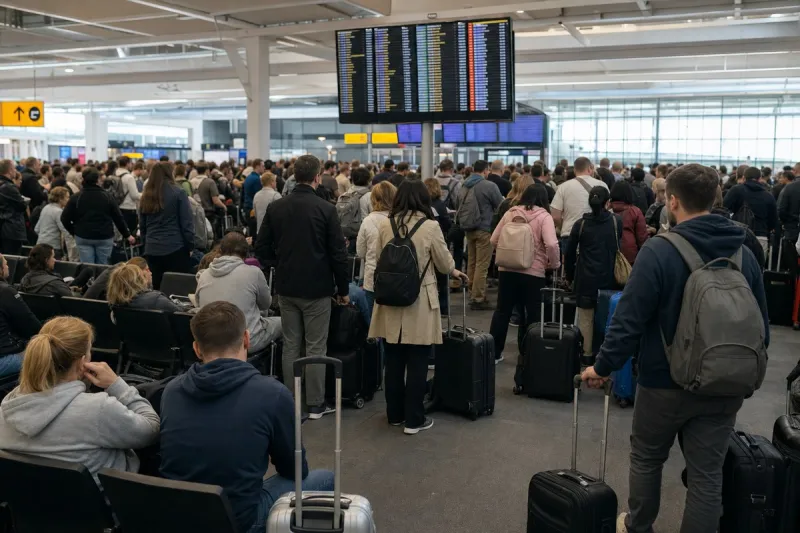
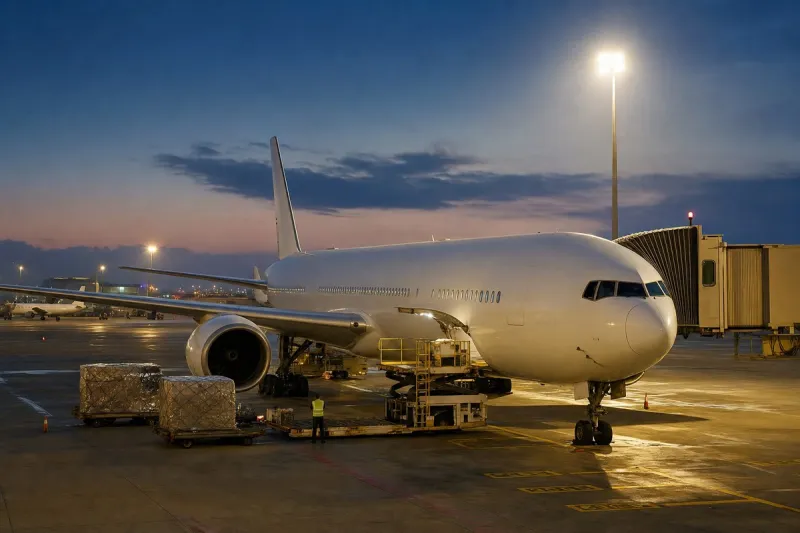
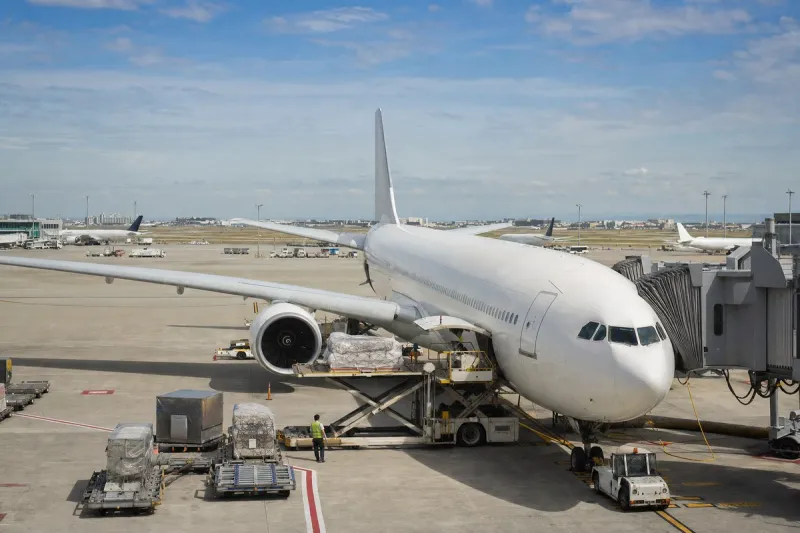
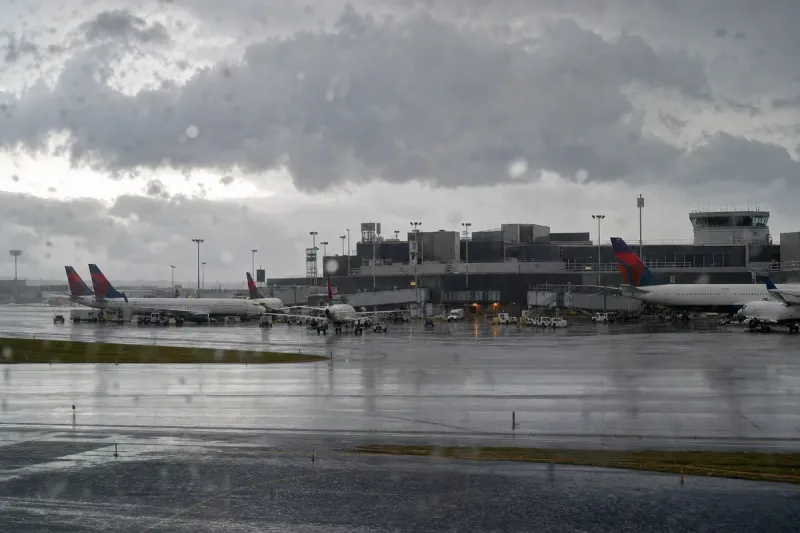
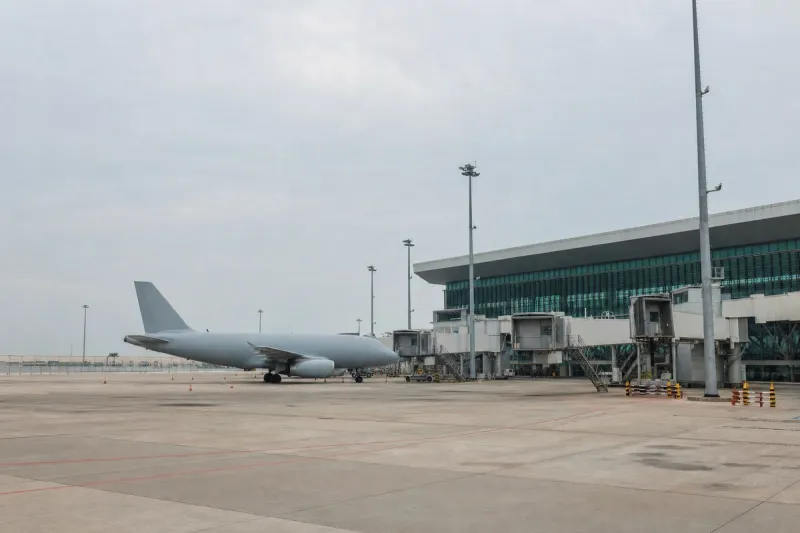
U-Tapao International Airport will operate around the clock from September 28 to October 4, 2026, serving as an alternate destination for flights diverted from Bangkok's Suvarnabhumi Airport and Don Mueang International Airport because of adverse weather. Thailand's Civil Aviation Authority (CAAT) made the request to the Royal Thai Navy, which operates U-Tapao, after heavy and persistent rain over the preceding weekend reduced visibility and disrupted air traffic management at both Bangkok airports, causing flight delays and raising the possibility of diversions.
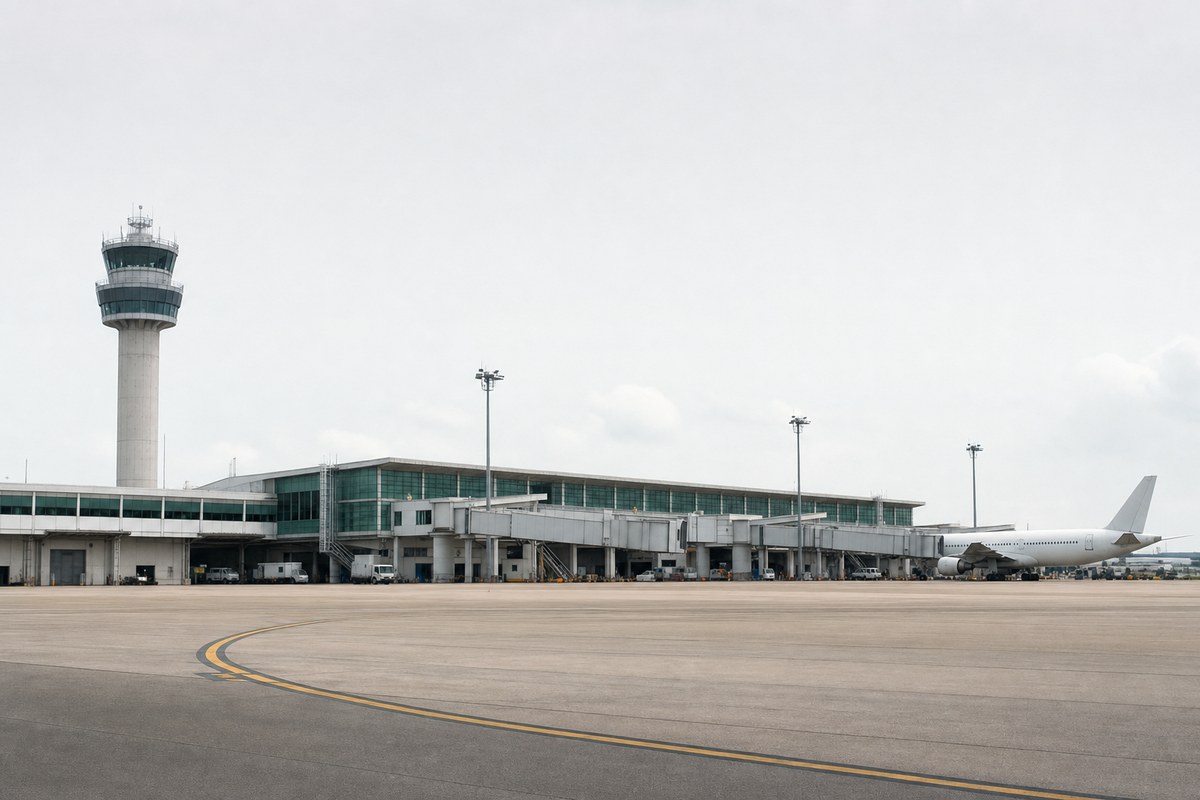
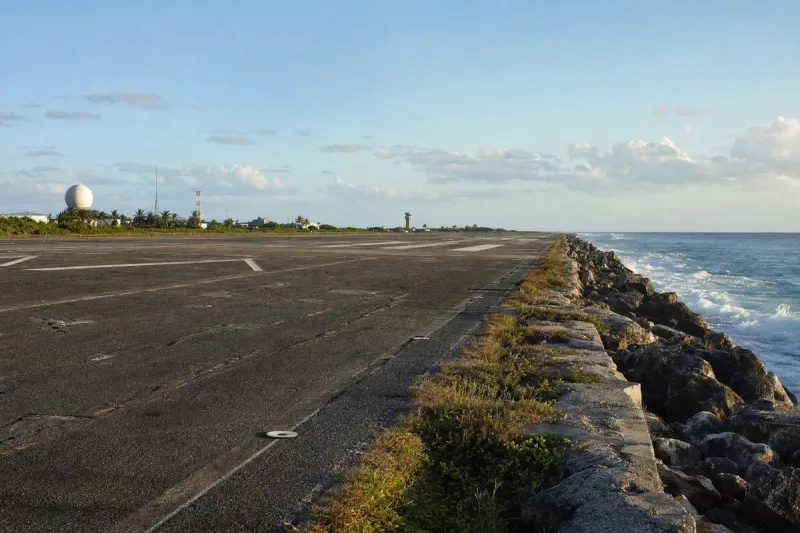
CAAT Director-General ACM Manat Chavanaprayoon said the unsettled weather was expected to continue into the week, making it necessary to expand diversion options. U-Tapao normally observes scheduled night-time closures during construction of its second runway, but persistent rain had temporarily slowed that work, giving CAAT an opening to negotiate 24-hour availability with the navy for the one-week period.
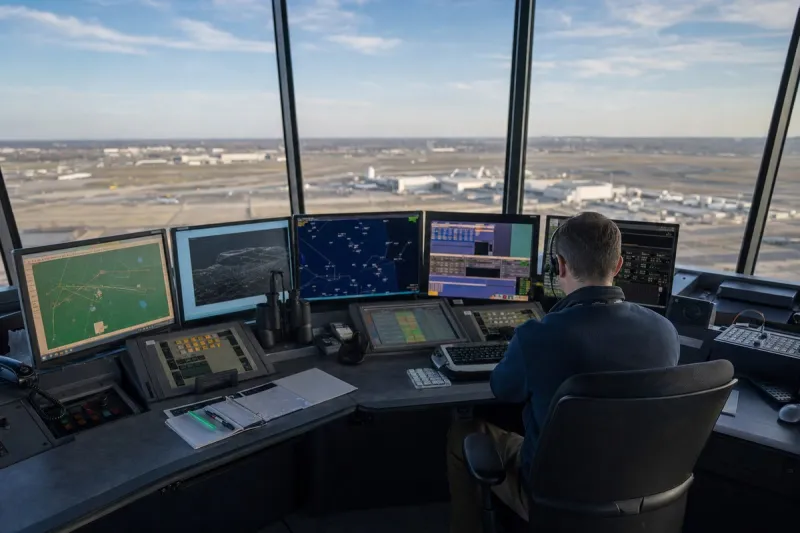
CAAT said it would monitor weather conditions and flight operations closely, coordinating with the navy, air navigation service providers, airport operators, and airlines throughout the period, with flight safety as the priority. Operational data collected during the week will also be used to improve future air traffic management planning.
Industry impact & what to watch
This case shows how diversion capacity around a congested hub like Bangkok is not fixed but negotiated on short notice, contingent on a third-party operator's own schedule and construction constraints. U-Tapao's normal night-time closures for runway work illustrate how weather-driven demand for alternate airports can collide with unrelated infrastructure projects, and how a temporary lull in construction activity can become the enabling condition for expanded availability.
For air traffic management in the region, the arrangement underscores that resilience during sustained bad weather depends on coordination between the civil aviation regulator, a military-run airport, navigation service providers, and airlines rather than on any single party's standing capacity. Whether the one-week window is extended will depend on how the weather develops and how quickly runway construction can resume, while the operational data CAAT collects during the period is set to feed into how future diversion planning around Bangkok's airports is handled.