Operational Guide: Business Aviation Requirements for Srinagar Airport (VISR/SXR), India
Why It MattersThe Srinagar case shows how business aviation access to secondary international airports in India still depends on manual coordination across permits, slots and ground handling rather than standardized terminal infrastructure.
What happened
Operators planning business aviation flights into Srinagar International Airport (VISR/SXR) in India face a defined set of regulatory and logistical requirements before departure. Landing permits require a minimum lead time of three working days for flights originating from non-PRC-designated countries, while flights from PRC-designated countries — including China, Pakistan, Afghanistan, Iraq, Somalia, Nigeria and North Korea — require seven working days of lead time for permit approval.

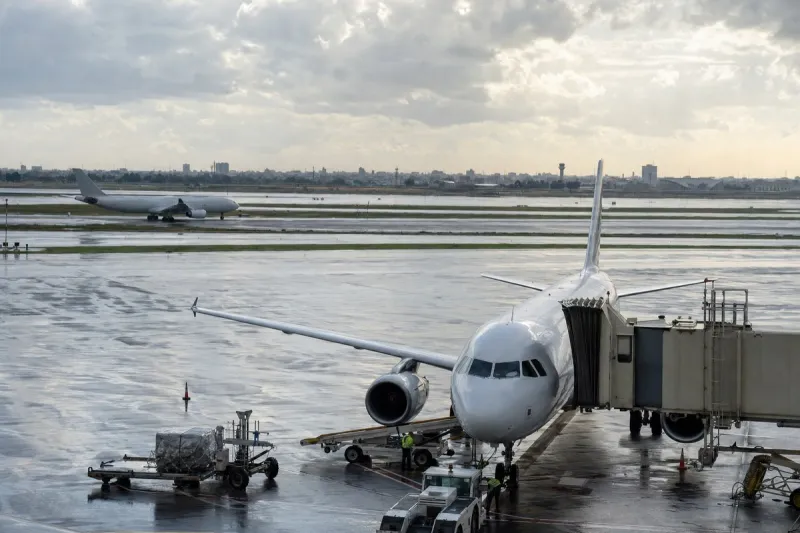
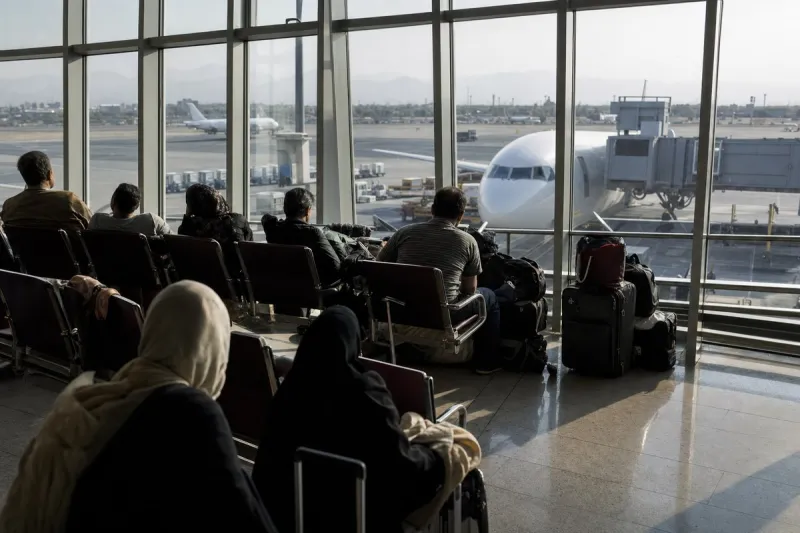
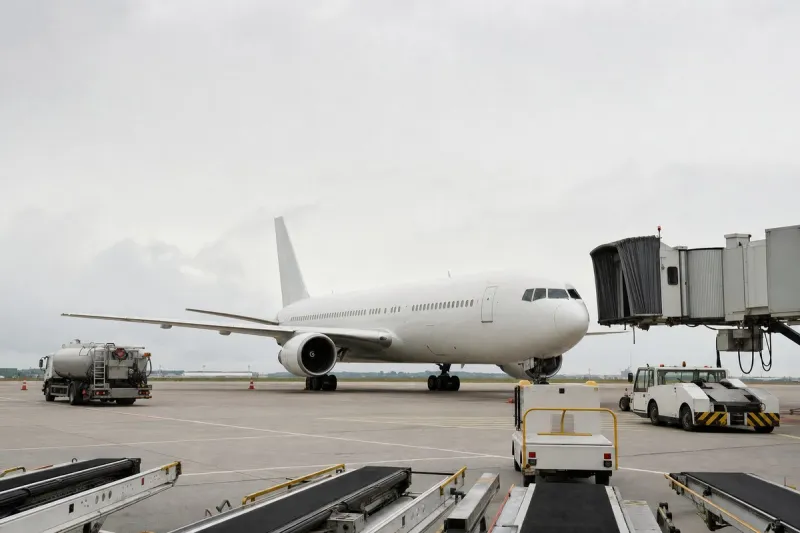
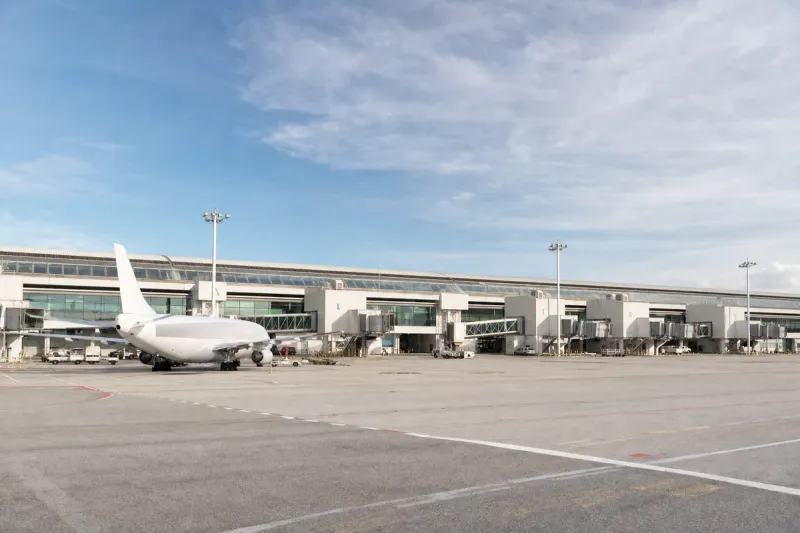
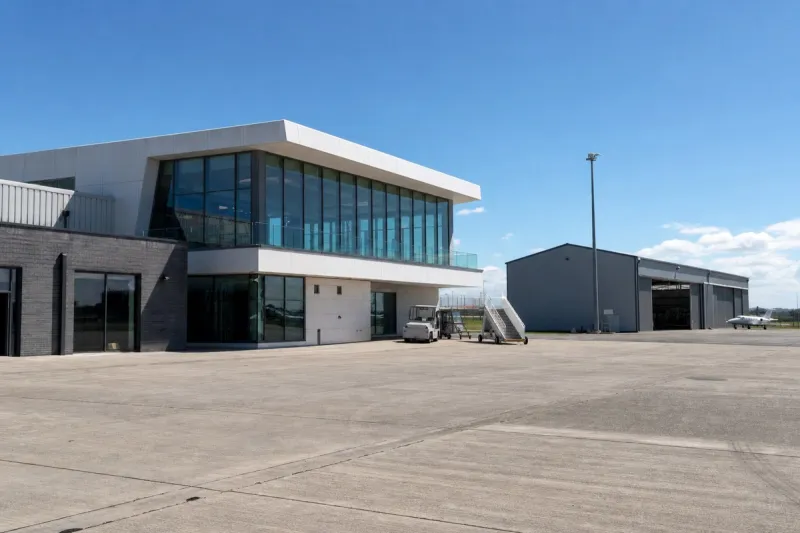
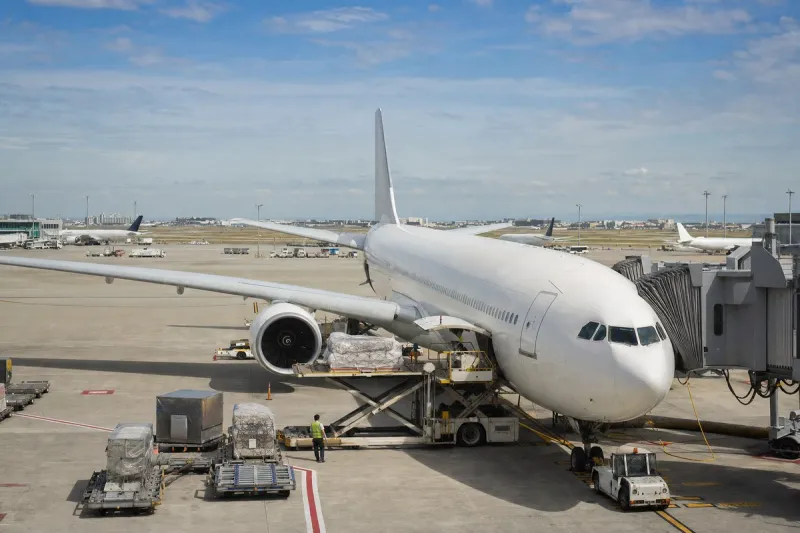
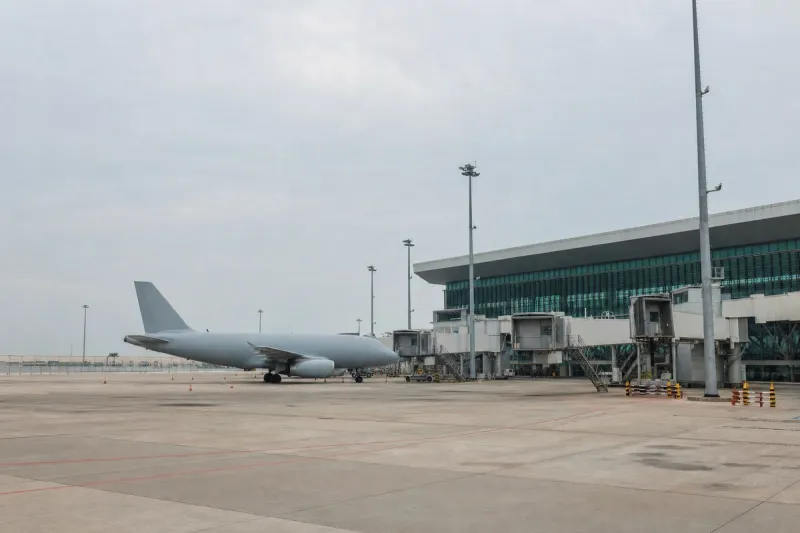
VISR requires both Prior Permission Required (PPR) approval and airport slots for business aviation operations. These requests are typically submitted three to four days before the operation and are generally approved one to two days before arrival. The airport is a fully international facility with complete Customs, Immigration and Quarantine (CIQ) capabilities, but no dedicated General Aviation Terminal is currently available, meaning operators must coordinate directly with ground handling teams for baggage handling, CIQ clearance, wheelchair assistance and porter services.
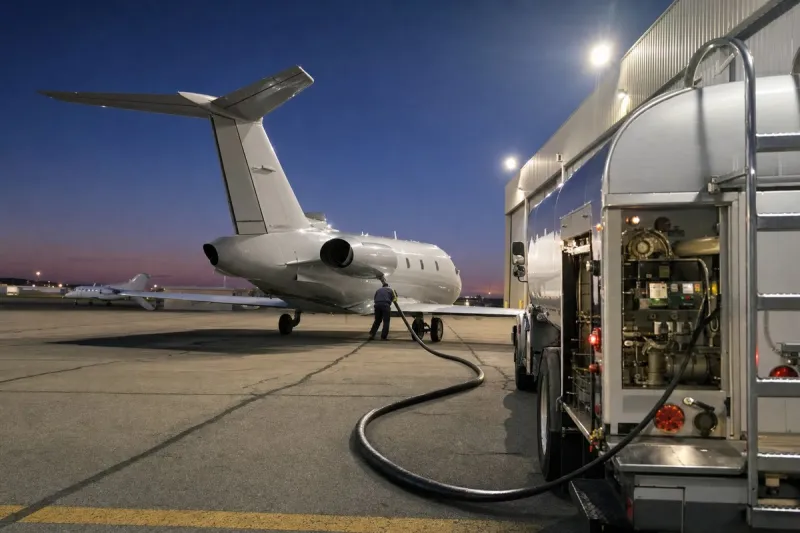
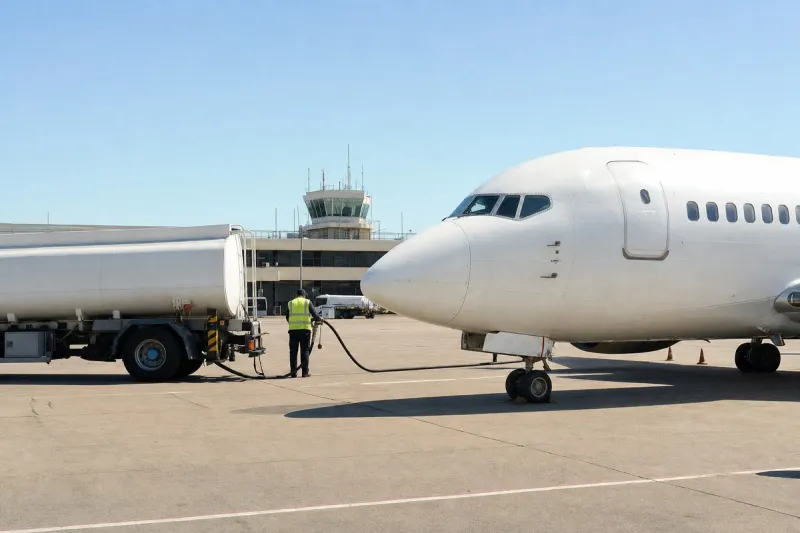
Crew and passengers must carry a valid Business Visa issued by the Indian Embassy or Consulate, or apply for an E-Business Visa online, and all international travellers must complete a mandatory digital e-Arrival Card, which can be submitted up to 72 hours before arrival. Airport catering and aviation fuel are both available at VISR, though operators are advised to coordinate fuel uplift requirements ahead of arrival. India requires aircraft to carry a complete tow bar assembly onboard, including both the tow head and tow bar, with compatibility confirmed before departure since locally available tow bars may not match all aircraft types. Satellite phones are prohibited in India without required approvals, and e-cigarettes are also prohibited from entry.
Industry impact & what to watch
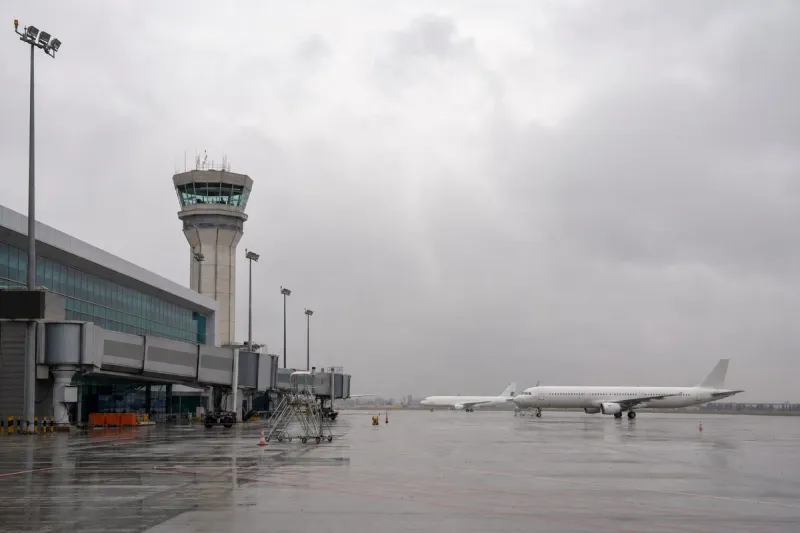
This guidance reflects a broader pattern across secondary international airports in emerging markets, where full CIQ capability does not necessarily come paired with dedicated general aviation infrastructure. Operators flying into such fields must build in manual coordination steps — permits, PPR, slots, ground handling, and equipment compatibility — that would otherwise be handled automatically at a purpose-built GAT.
The layered permit lead times, three working days for most origins and seven for a specific list of countries, illustrate how India's clearance process differentiates by country of origin rather than applying a single uniform rule. Combined with the separate PPR and slot approval cycle, which is typically only confirmed one to two days before arrival, this compresses the planning window for operators even after the permit itself has been secured.
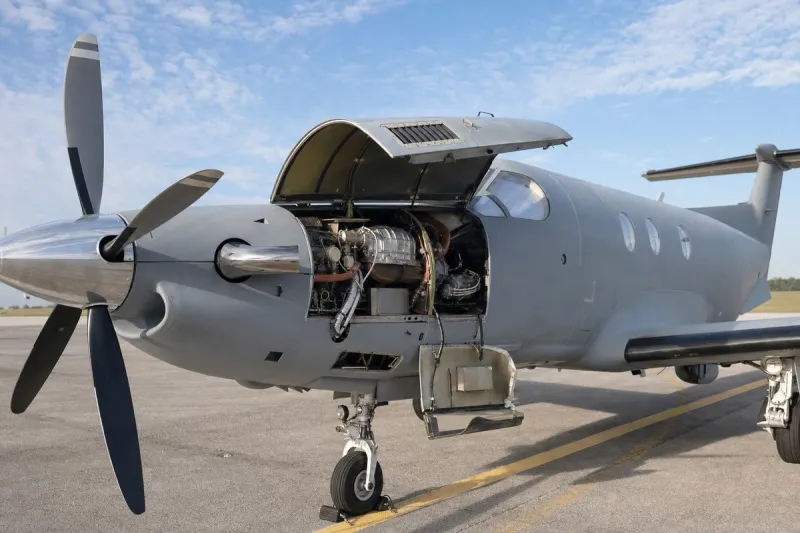
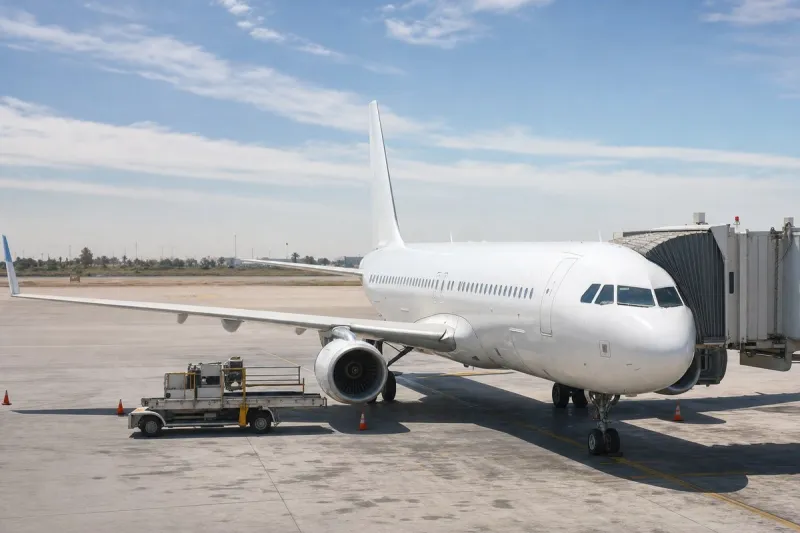
The tow bar requirement is a concrete example of the fit-for-purpose planning this kind of airport demands: since compatibility with locally available equipment cannot be assumed, operators must carry their own tow head and tow bar assembly rather than rely on ground support at the field. Crews planning flights into VISR will need to track visa issuance, e-Arrival Card submission windows and fuel uplift coordination alongside the permit and slot timelines, since any one of these elements slipping could affect the arrival schedule.