Iranian VIP Flight Granted Special Permission to Land in Baghdad Amid Suspension of Iraq-Iran Air Traffic
Why It MattersThe episode shows how sanctions-driven route suspensions create case-by-case exemption pressure, forcing aviation authorities to weigh individual flight approvals against the risk of penalties on airports and ground-service providers.
What happened
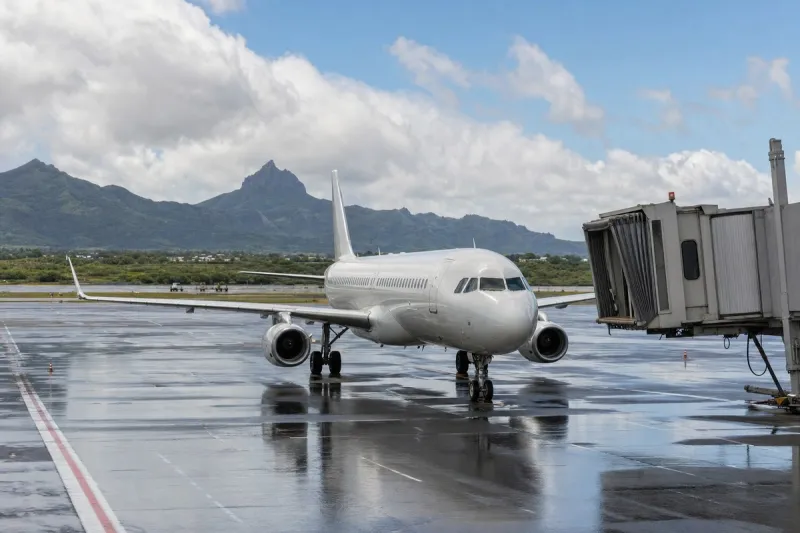
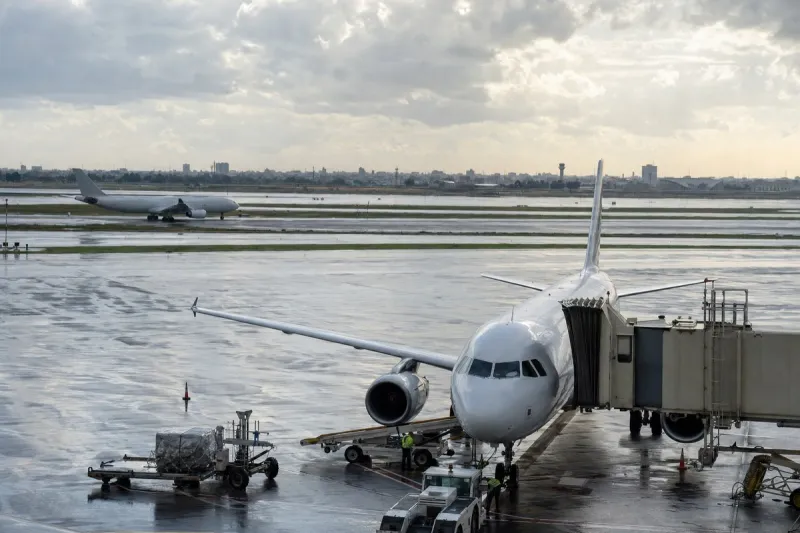
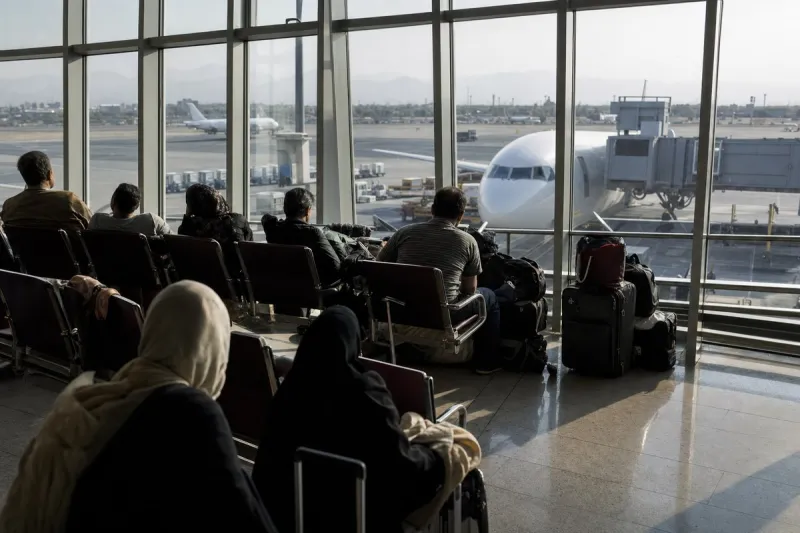
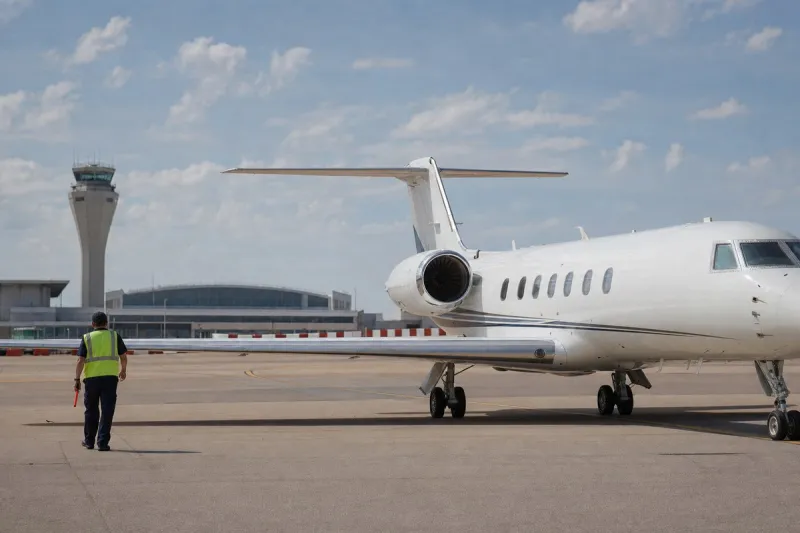
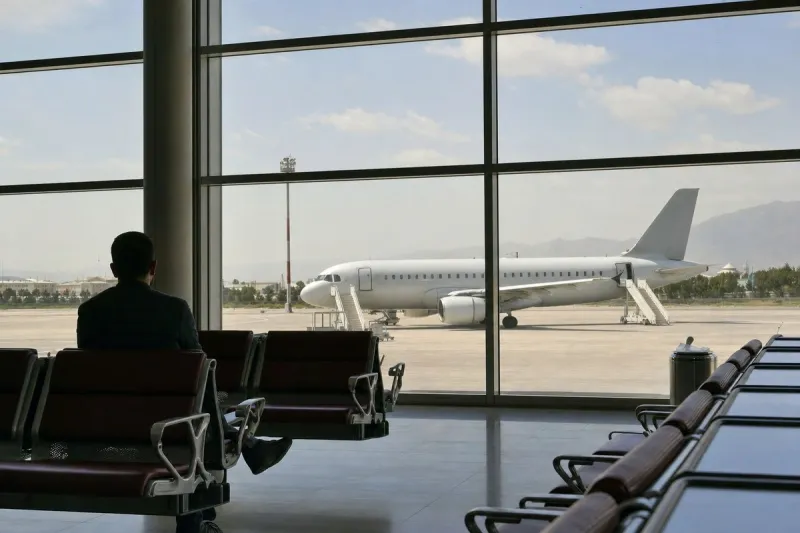
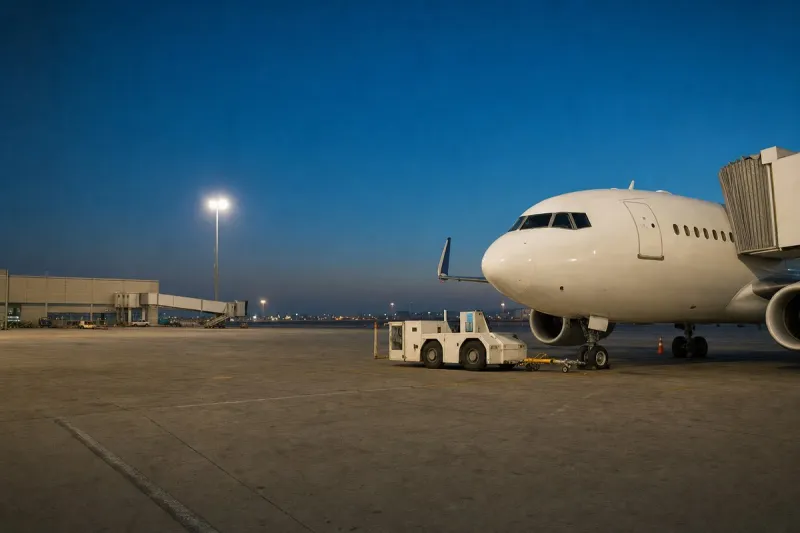
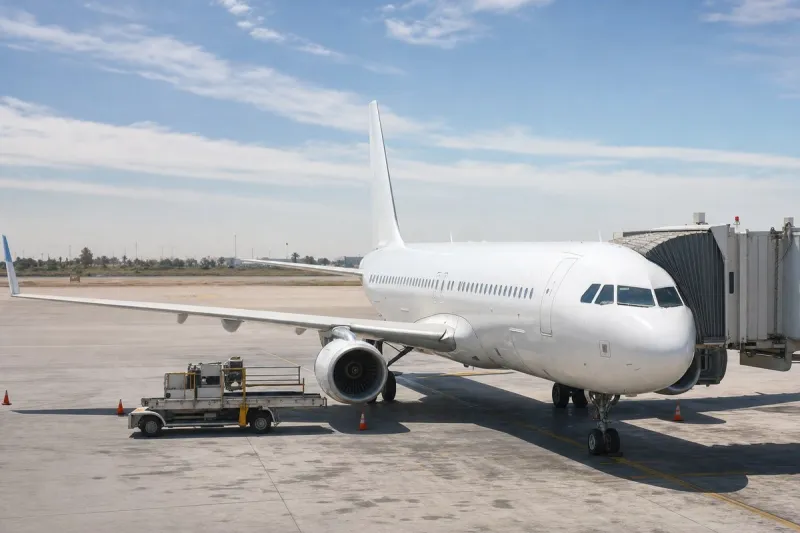
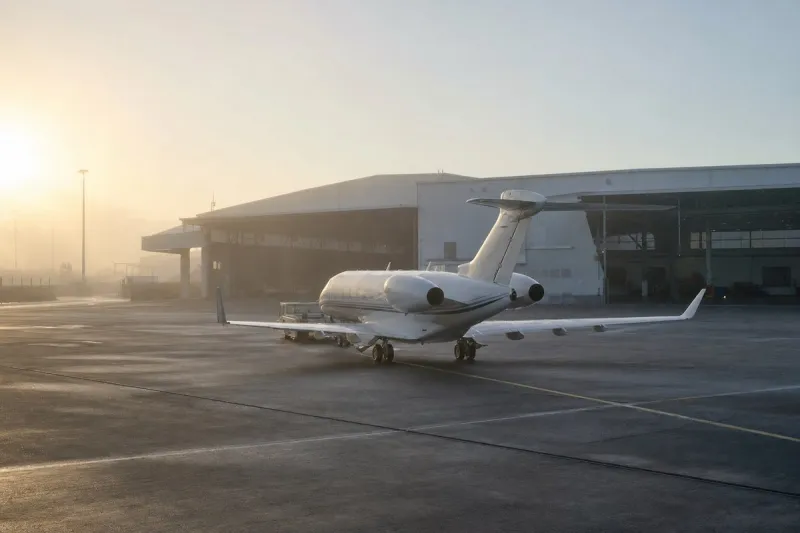
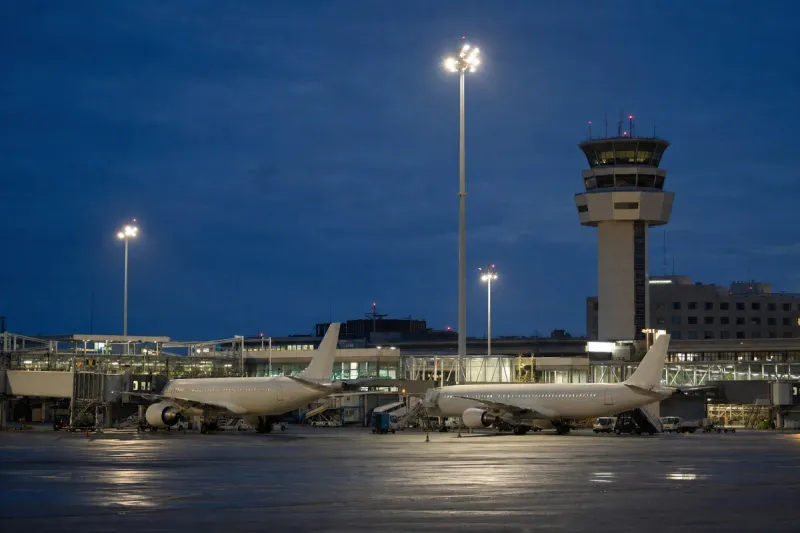
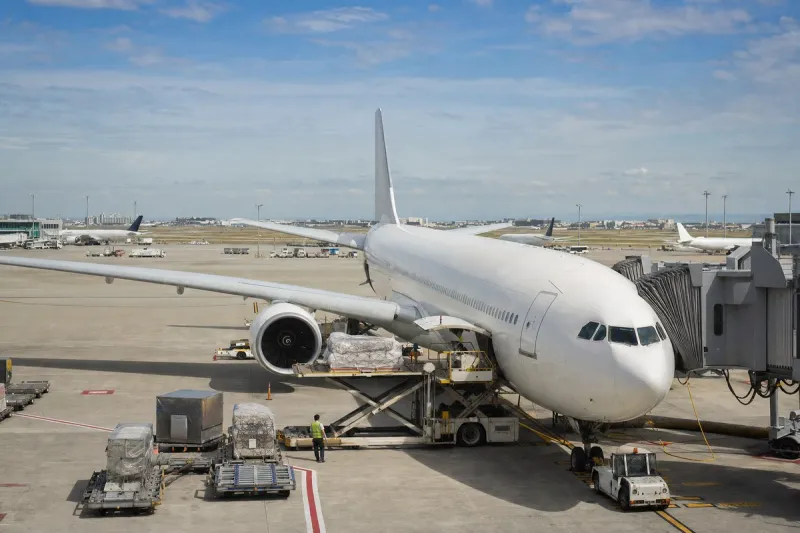
An Iranian VIP flight carrying six Iraqi passengers received special permission to land at Baghdad International Airport on Sunday despite the ongoing suspension of air traffic between Iraq and Iran, an informed source told Shafaq News. Flight data indicated the private service was scheduled to depart Tehran's Mehrabad International Airport at 4:30 a.m. The source added that Iraqi aircraft had been withdrawn from Iran following the suspension.
Baghdad International Airport stopped receiving Iranian services on September 23. Najaf Airport handled 15 previously scheduled arrivals the following day before connections were halted across all Iraqi airports on September 25.
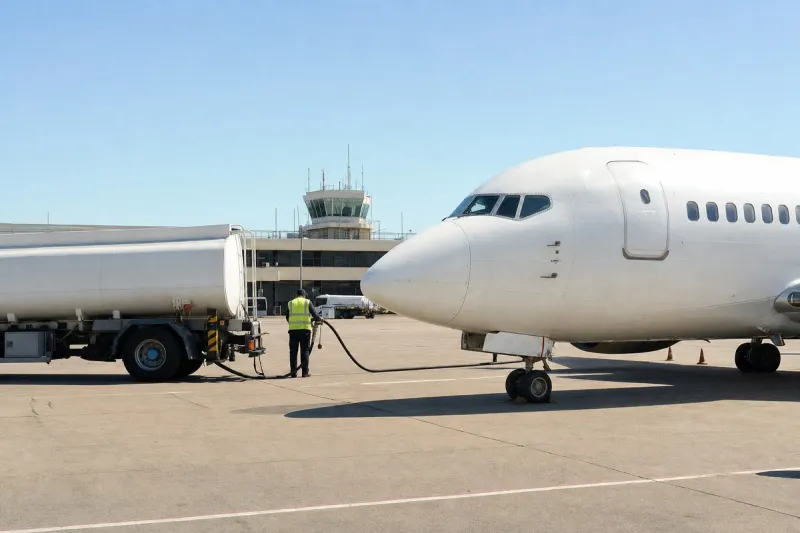
The restrictions followed US sanctions imposed on September 8 against 36 Iran-related targets, including airlines and foreign networks accused of supporting Tehran's aviation sector and facilitating the movement of weapons, personnel, and illicit cargo. A senior Iraqi government source separately told Shafaq News on Sunday that Washington had warned Baghdad against servicing sanctioned Iranian carriers, with potential penalties extending to airports and companies providing landing, ground handling, refueling, or related assistance. Iraq is negotiating with the United States over possible exemptions for humanitarian and civilian travel that could restore some connections without exposing Iraqi entities to penalties, though Baghdad has not announced receiving any such exemptions.
Industry impact & what to watch
This case sits within a broader pattern of sanctions enforcement reshaping regional air corridors: a blanket suspension gets applied first, then individual flights are cleared on an exception basis while formal exemption talks continue in parallel. Airports and ground handlers caught between a suspension order and a specific approved movement face the operational burden of screening each flight rather than applying a single rule.
How this segment functions depends on where liability sits. Washington's warning to Baghdad extended potential penalties beyond the airline itself to airports, refuelers and ground-handling companies, which is why a single VIP flight needed special permission rather than being treated as routine traffic once the broader suspension took hold.
What comes next depends on whether Iraq secures the humanitarian and civilian travel exemptions it is negotiating with the United States. Until Baghdad announces such an exemption, further landings will likely continue to require individual clearance rather than a resumption of scheduled service.