Why Private Jets Cruise Higher Than Airliners — And Whether It Actually Saves Fuel
Why It MattersHigh-altitude cruise capability functions in business aviation as a speed and schedule advantage from sparse traffic above 45,000 feet, not as a fuel-saving strategy applicable to commercial fleets.
What happened
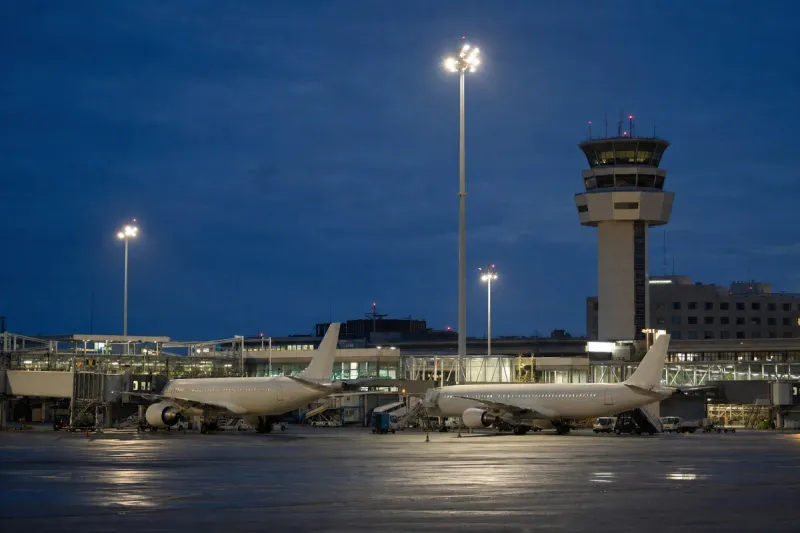
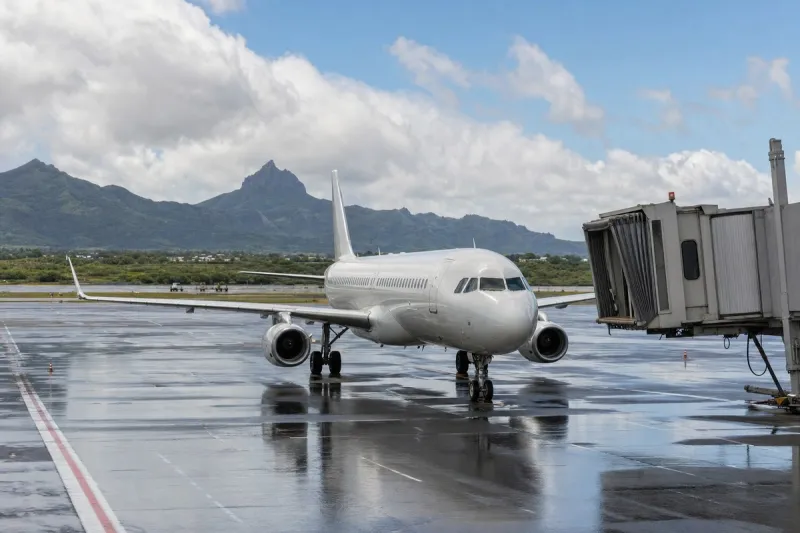
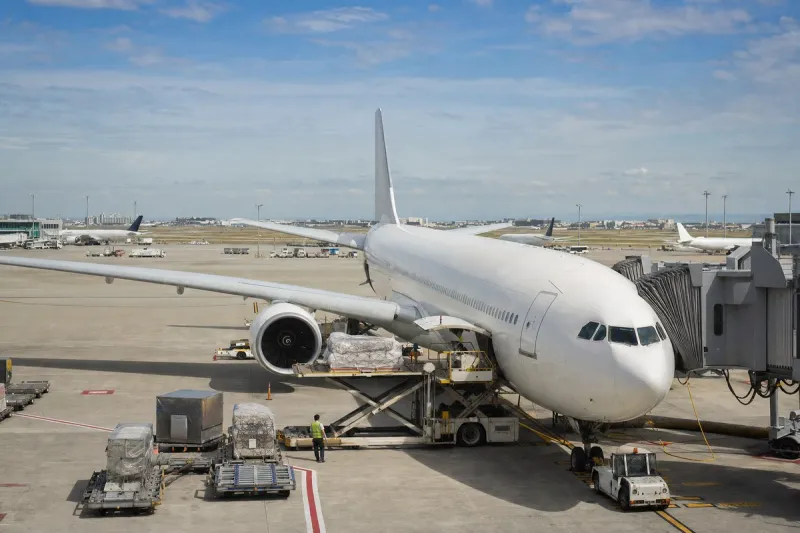
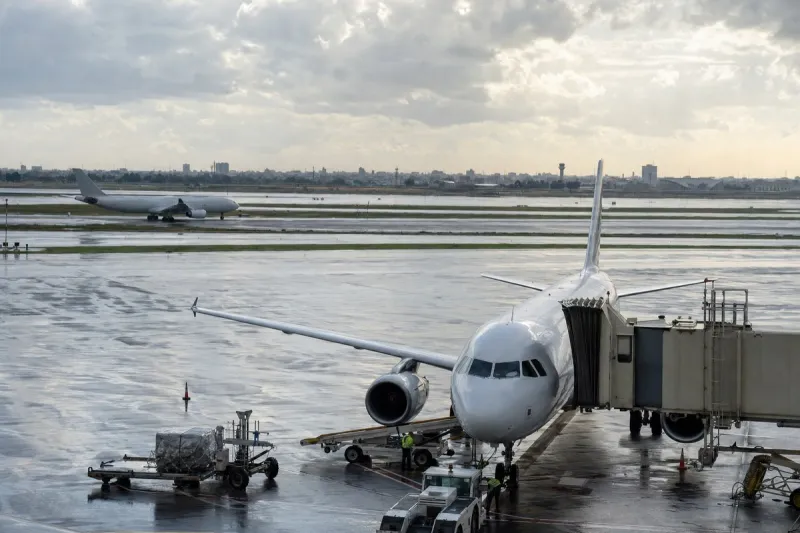
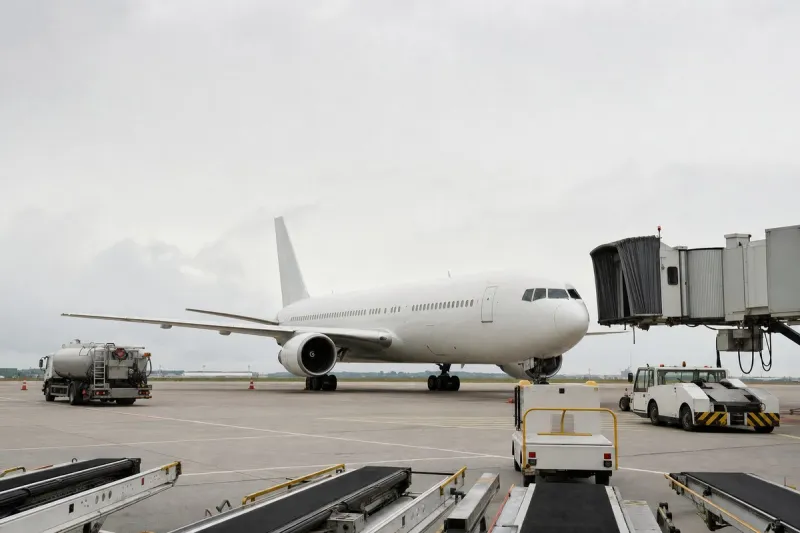
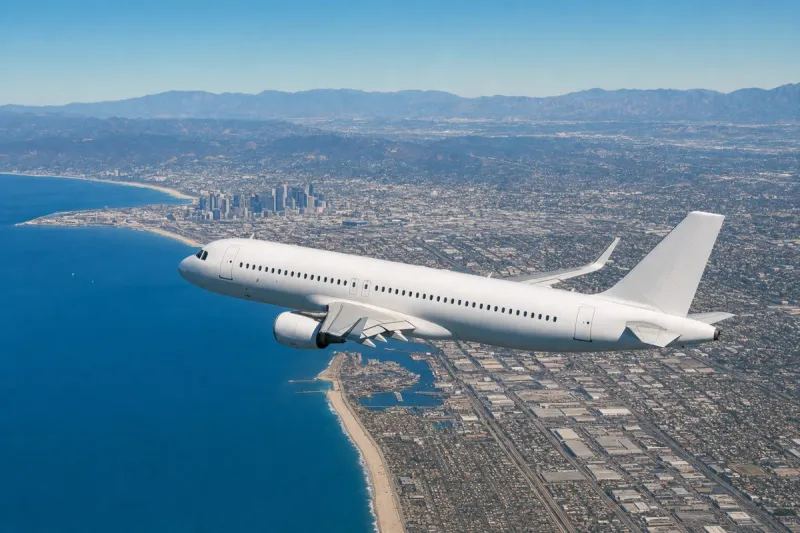
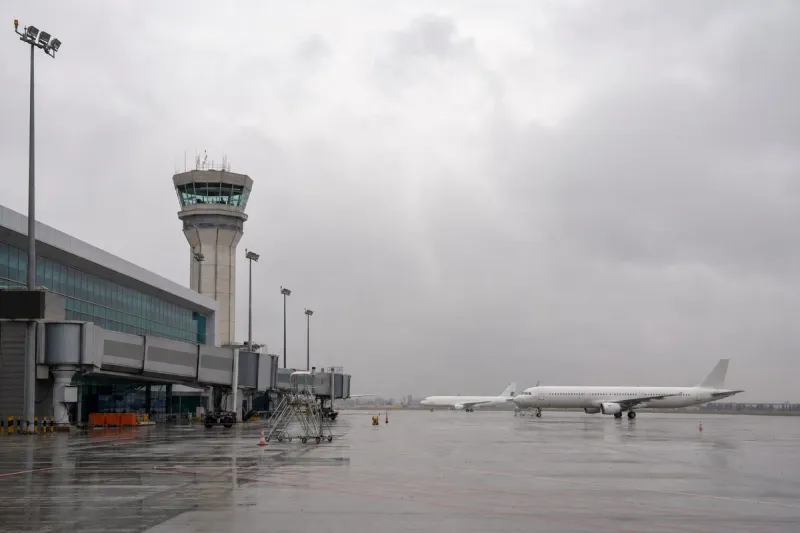
Commercial airliners typically cruise between 30,000 and 43,000 feet, a range determined to be the optimal band for fuel efficiency and performance. The Boeing 747 was certified with a service ceiling of 45,100 feet but rarely flew at that altitude; newer variants such as the 747-8 are certified only to 43,100 feet because their maximum emergency descent rate was slower than earlier models, a key regulatory requirement.

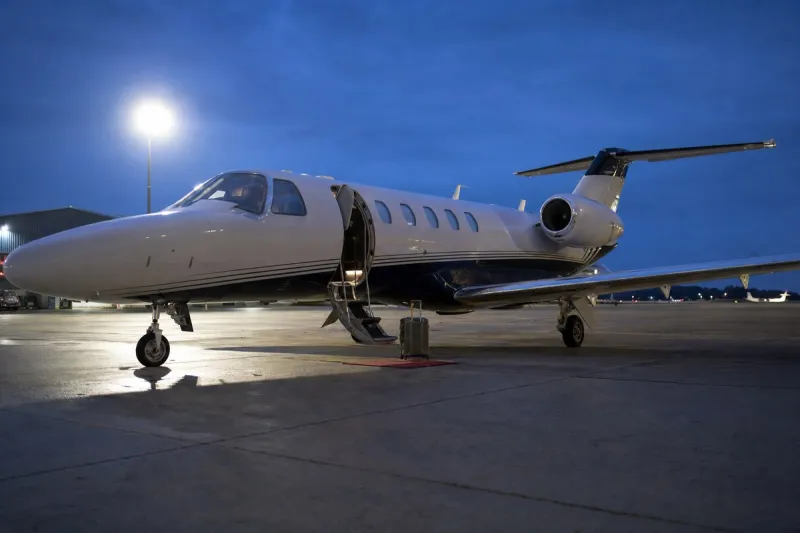
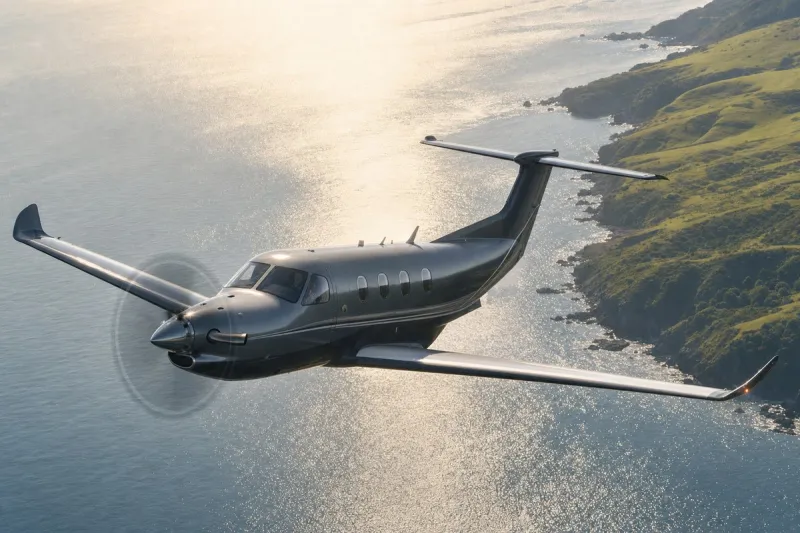
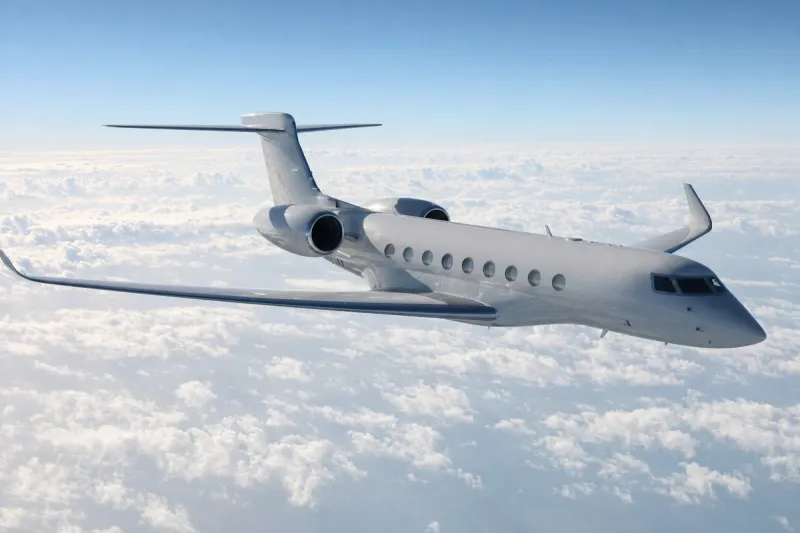
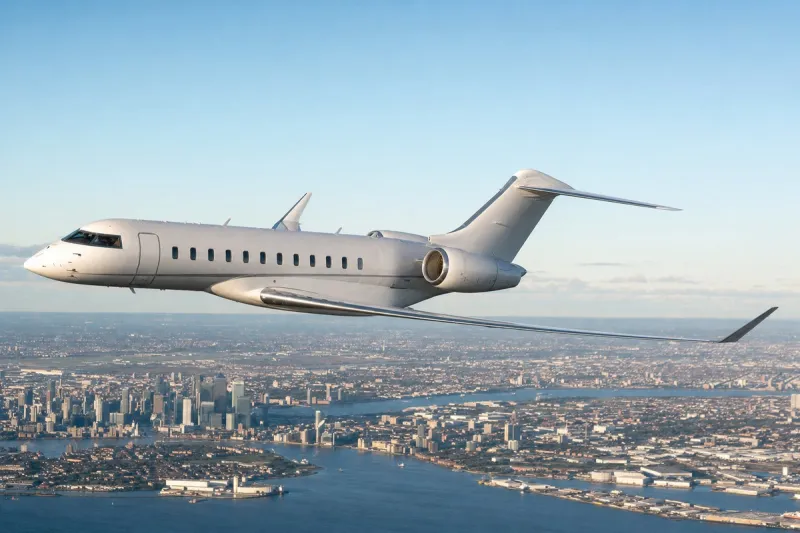
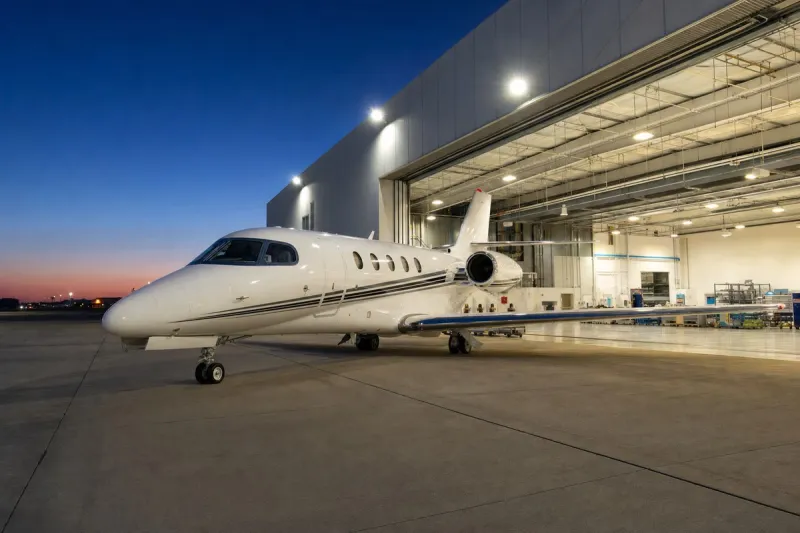
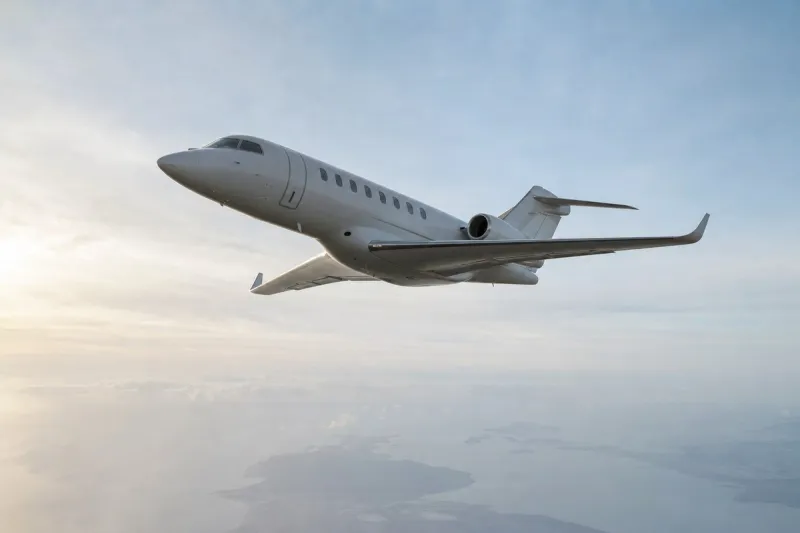
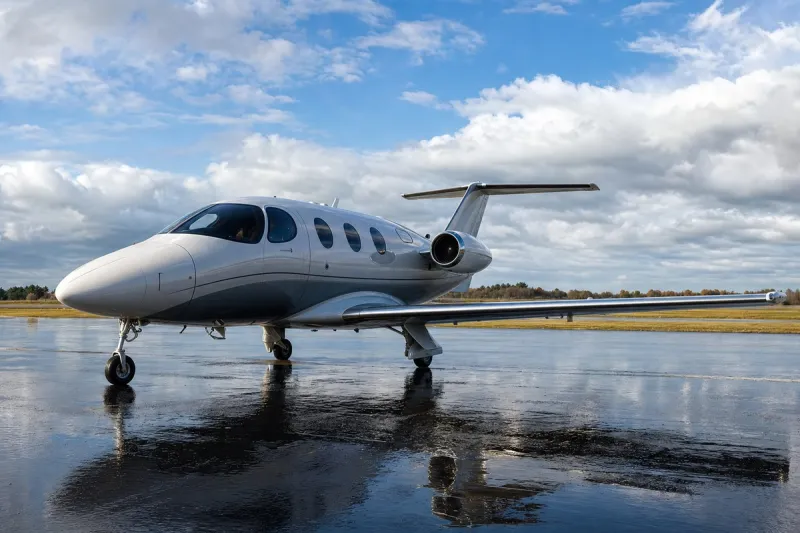
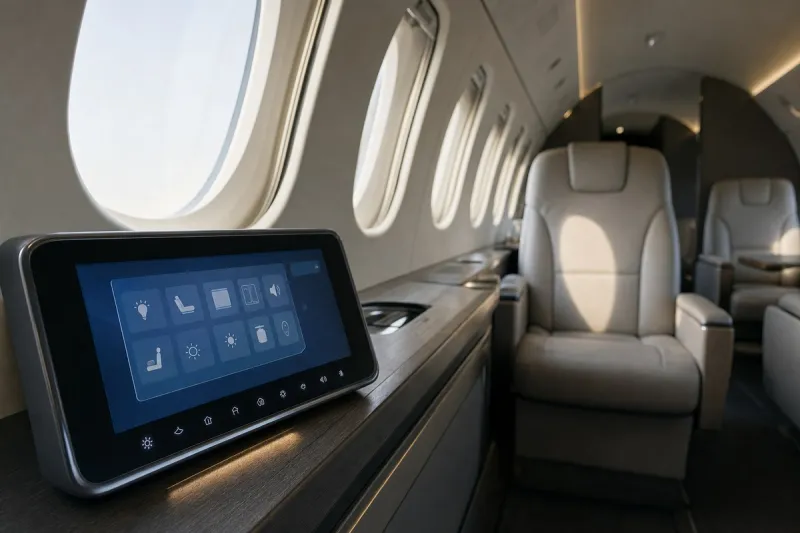
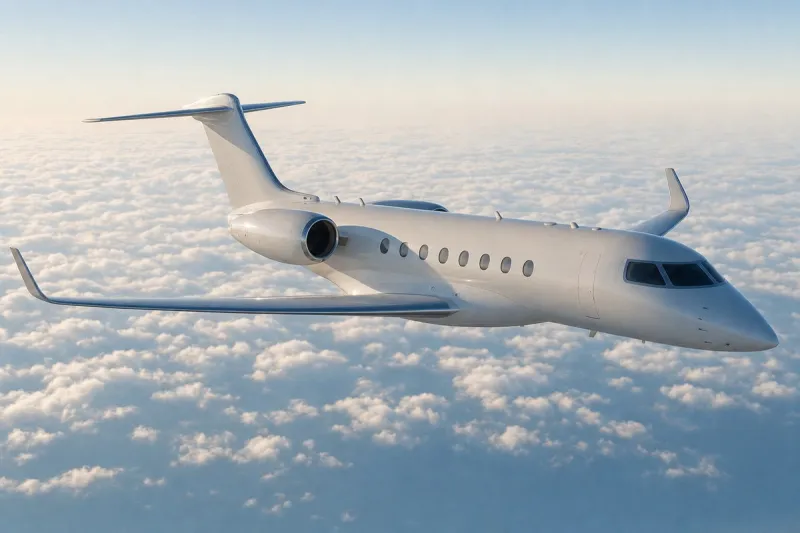
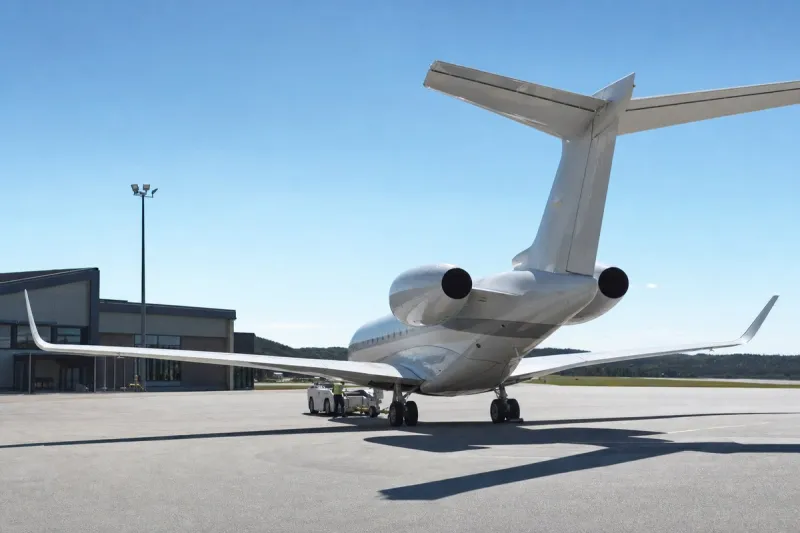
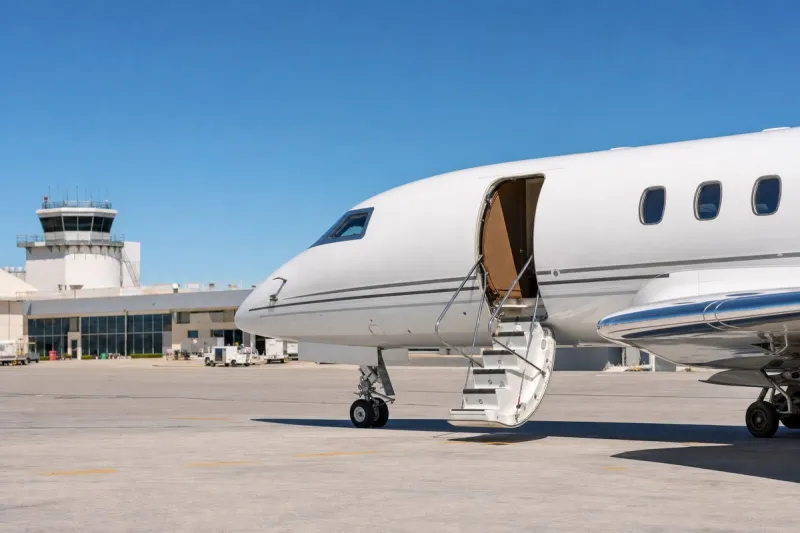
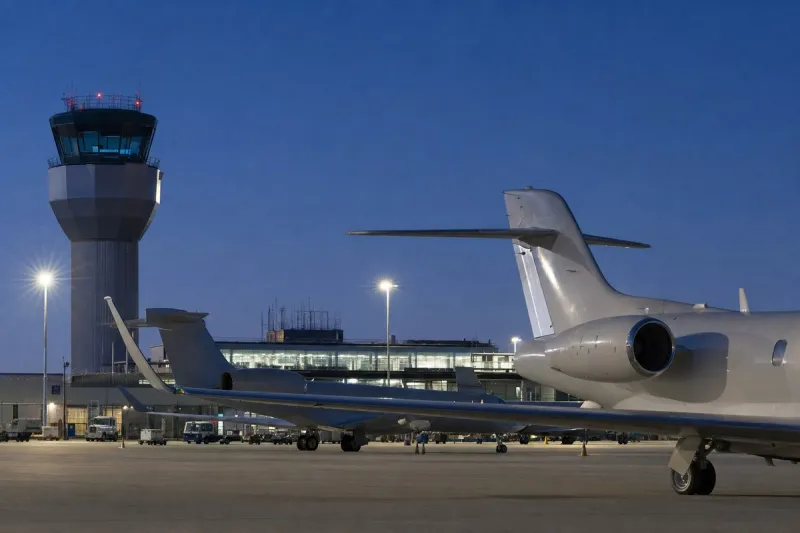
Most business jets cruise at roughly the same altitudes as commercial airliners, but a subset of large, long-range types — including the Gulfstream GVI and GVII, the Bombardier Global line, and certain members of the Dassault Falcon family — are certified to fly as high as 51,000 feet. While these aircraft may not always reach that ceiling, they rarely cruise below 41,000 feet. The latest large-cabin business jets cruise between Mach 0.85 and Mach 0.95.
The Gulfstream G700 has a power-to-weight ratio of approximately 0.339 and is powered by Rolls-Royce Pearl engines with relatively modest bypass ratios suited to high-altitude performance. Its wing area is nearly equal to that of an Airbus A319. Business jets also frequently depart well below maximum gross weight, which further improves their high-altitude performance in real-world operations.
Why altitude and efficiency diverge
Flying at higher altitudes reduces aerodynamic drag because air density is lower, meaning less thrust is required to maintain speed, which cuts fuel burn. However, lower air density also reduces engine power output, so the benefit has limits. Business jets do burn less fuel per mile at higher altitudes, but this is primarily because they are specifically optimized for high-altitude operations, not because altitude alone is inherently more efficient.
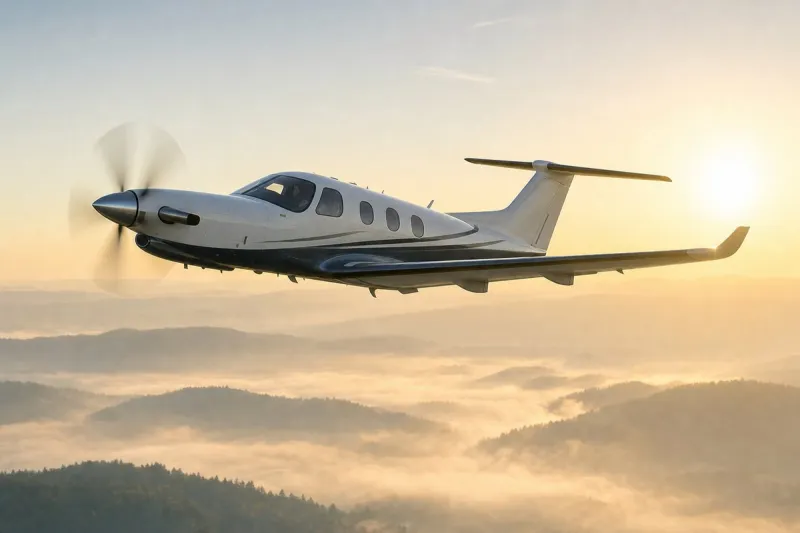
The primary driver for high-altitude cruising in private aviation is time and convenience rather than fuel economy. Traffic is sparse above 45,000 feet, allowing business jets to achieve faster real-world cruising speeds and shorter flight times.
Industry impact & what to watch
The gap between business-jet and airliner cruise ceilings reflects two different design missions rather than one aircraft type being more advanced than the other. Airlines prioritize fuel efficiency over speed because they carry heavy payloads across multiple daily cycles, and regulators require certified emergency descent capability from service ceiling to a breathable altitude — a constraint that has kept airliner cruise altitudes essentially static since the beginning of the jet age.
For commercial operators, there is no meaningful benefit to flying higher than the current 30,000-43,000-foot band, since the payload and cycle economics that govern airline route planning do not reward the speed gains that sparse high-altitude traffic offers a lightly loaded business jet. That distinction is likely to persist as long as certification requirements tie airliner ceilings to descent-rate rules rather than to raw aerodynamic capability.