UK CAA Approves Bombardier Global 8000 for London City Airport's 5.5-Degree Steep Approach, Opening Path to Nonstop Flights to Los Angeles, Singapore and Hong Kong
Why It MattersSteep-approach certification shows how aircraft-specific regulatory clearances, layered atop airframe and operator approvals, can unlock new long-range city-center routings without changing airport infrastructure.
What happened
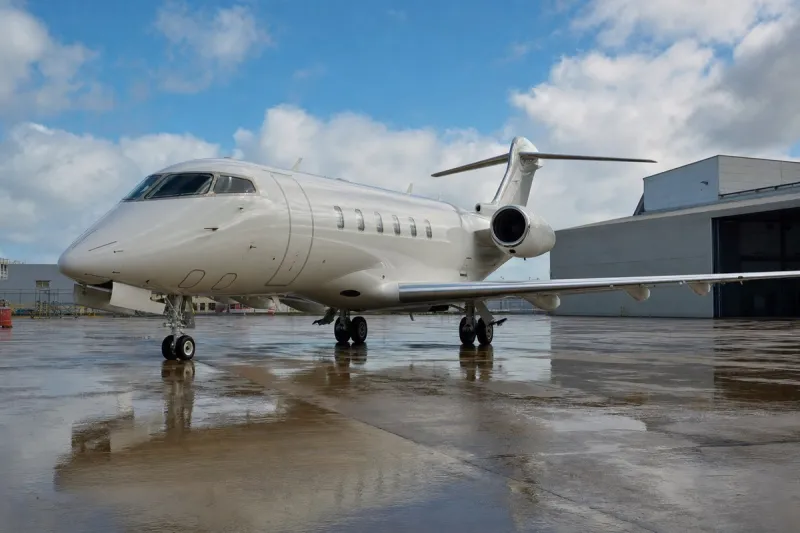
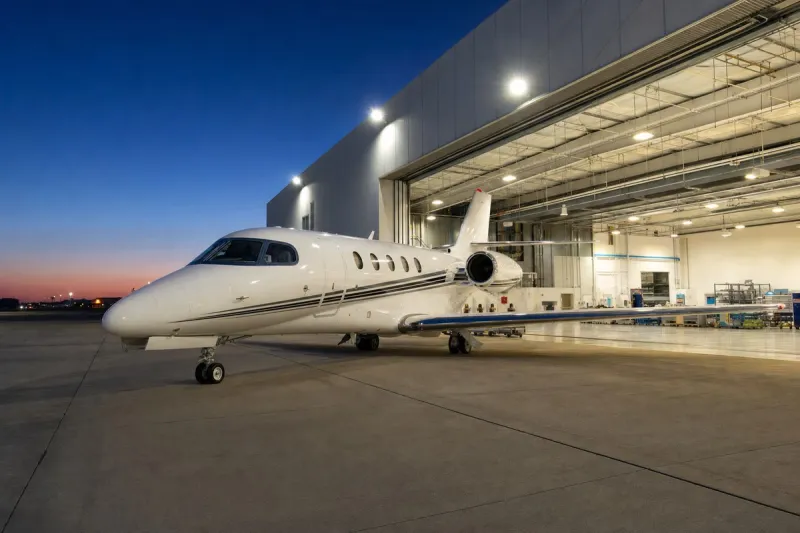
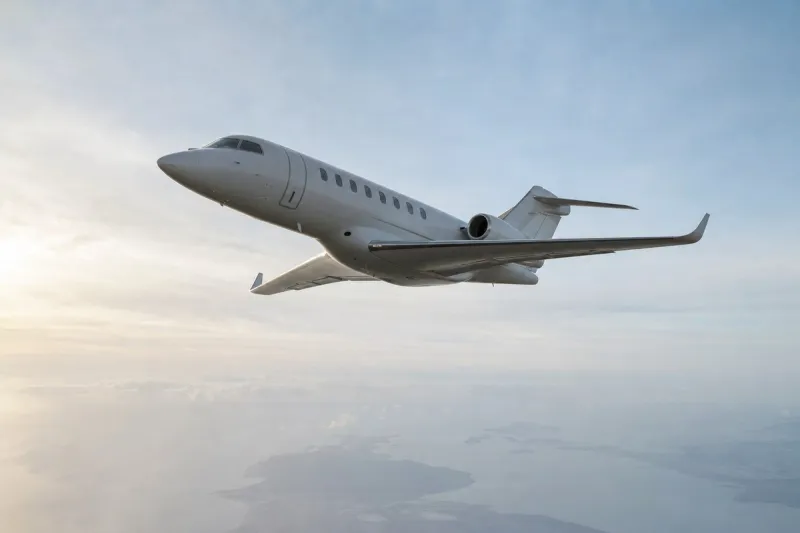
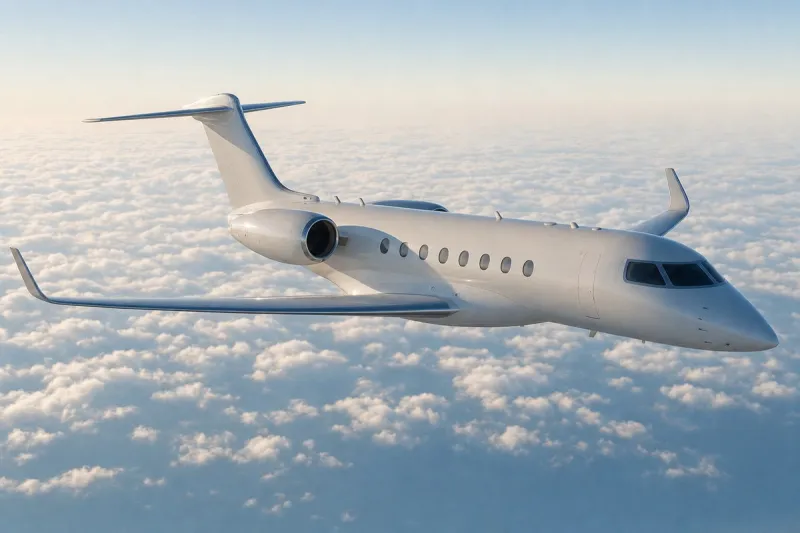
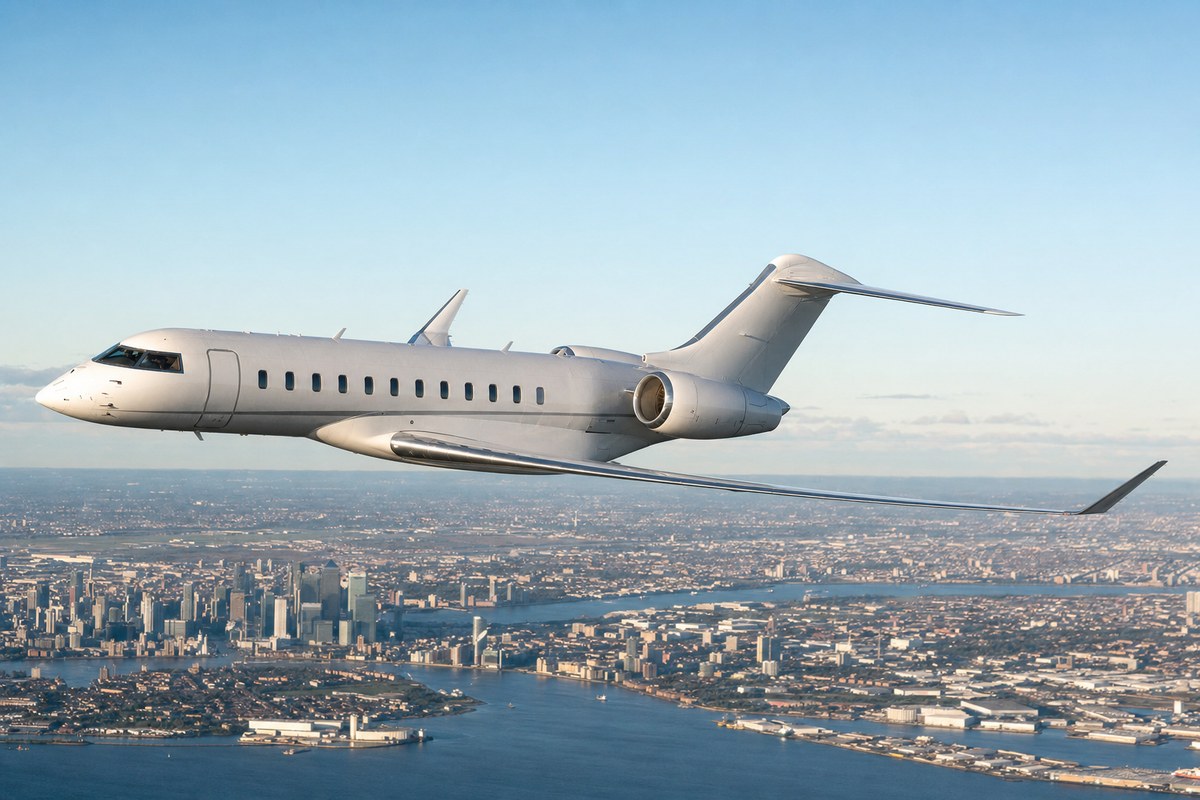
The UK Civil Aviation Authority approved the Bombardier Global 8000 on September 10 to operate London City Airport's 5.5-degree glide slope, nearly double the standard 3-degree approach used at most airports worldwide and the steepest requirement of any UK aerodrome. The certification opens the way for nonstop business-jet service from London City to destinations including Los Angeles, Singapore and Hong Kong, bypassing London Heathrow, London Luton and Farnborough Airport.
London City's approach is classified by the CAA as steep once it exceeds 4.5 degrees. Before a 1992 runway extension, the airport's glide angle was 7.5 degrees on a strip of just 3,543 feet (1,080 meters), limiting access to aircraft such as the De Havilland Canada Dash 7. A further change in April 2019 reduced the angle to the current 5.5 degrees and extended the declared landing distance to 3,934 feet (1,199 meters), partly as a noise-abatement measure.
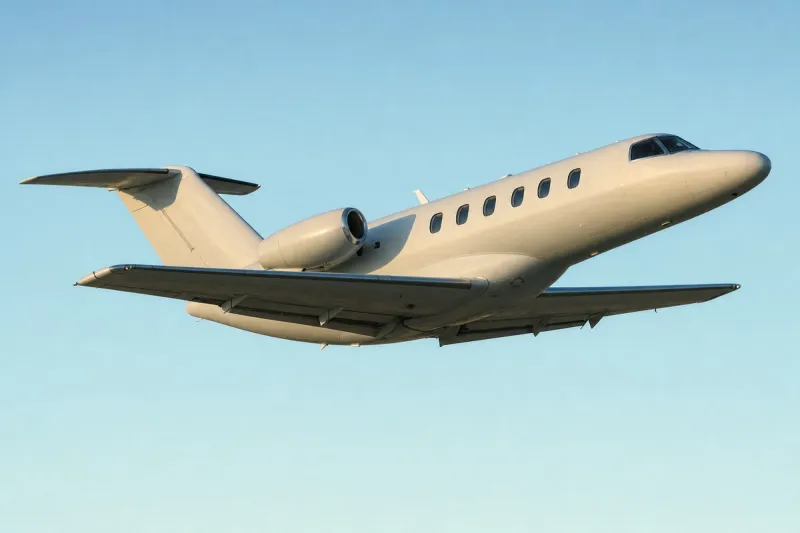
The Global 8000, which Bombardier describes as the fastest civil aircraft in service at Mach 0.95, has a published range of 8,000 nautical miles (14,816 km), exceeding its predecessor the Global 7500, rated at Mach 0.925 and 7,700 nautical miles (14,260 km). The aircraft achieves the steep-approach capability through extended slats that maintain usable lift at low approach speeds, combined with a braking system capable of absorbing the higher kinetic energy of a steeper descent within the airport's declared landing distance. As of the CAA announcement, London City's list of approved business jets included Global 7500s operated by three separate operators, along with the Gulfstream G650 and G650ER.
NetJets, the Global 8000's launch customer, already operates Global 7500s at London City and plans to migrate its in-service Global 7500 fleet to the Global 8000 rather than adding the newer type alongside existing aircraft. Bombardier estimates that using London City instead of Farnborough or Luton saves passengers approximately 60 to 90 minutes of ground transfer time into central London. A precedent was set in May 2019, when a Global 7500 flew from London City to Los Angeles nonstop during its steep-approach certification campaign, the longest flight ever recorded from the airport. The Global 8000 has received underlying type certification from Transport Canada, the FAA and EASA, though Bombardier has stated that the steep-approach supplement needed for London City operations remains under review in other registration jurisdictions.
Layers of approval still required
The September 10 CAA approval covers the Global 8000 as a type, not as a blanket clearance for every airframe. Individual aircraft still need a separate steep-approach supplement approved by their own registration jurisdiction before they can fly the approach, and London City runs its own additional operator approval process on top of that.
Industry impact & what to watch
This case shows how access to a constrained city-center airport can be extended not by changing the airport but by certifying a new aircraft type against an existing, unusually steep procedure. London City's 5.5-degree approach has already shaped which jets can serve it, and the Global 8000's clearance adds a longer-range option to a list that previously topped out with the Global 7500 and the Gulfstream G650 family.
The layered approval structure — type certification, then per-airframe steep-approach supplement by registration jurisdiction, then the airport's own operator sign-off — means the CAA's approval is necessary but not sufficient for any specific flight to happen. NetJets' plan to migrate its Global 7500 fleet to the Global 8000, rather than run both types in parallel, indicates how a launch customer can concentrate steep-approach capability in a single type once it is available.
What remains open is the pace at which other registration jurisdictions clear the steep-approach supplement for the Global 8000, since that determines which operators beyond NetJets can actually fly the London City routes the CAA approval makes possible.