Iraqi Leaders Condemn US-Led Flight Restrictions on Iran-Iraq Routes
Why It MattersPolitically driven route restrictions between neighboring states can impose direct, quantifiable daily revenue losses on national treasuries tied to cross-border aviation traffic.
What happened
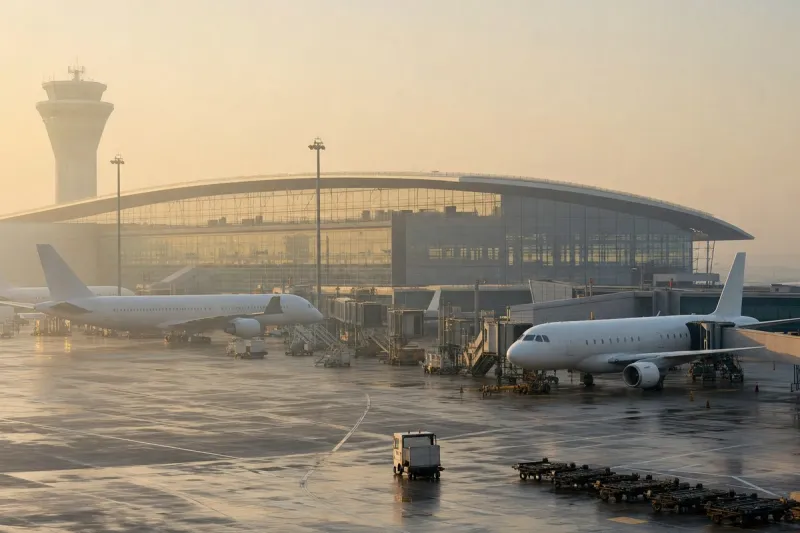
Iraqi political leaders have voiced strong opposition to US-led flight restrictions targeting Iran, calling the measures illegal and damaging to regional and economic interests. Hadi al-Ameri, head of Iraq's Badr Organization, characterized the US sanctions and flight restrictions as "unethical, inhumane, and illegal," arguing they contradict the interests of both the Iranian and Iraqi people.
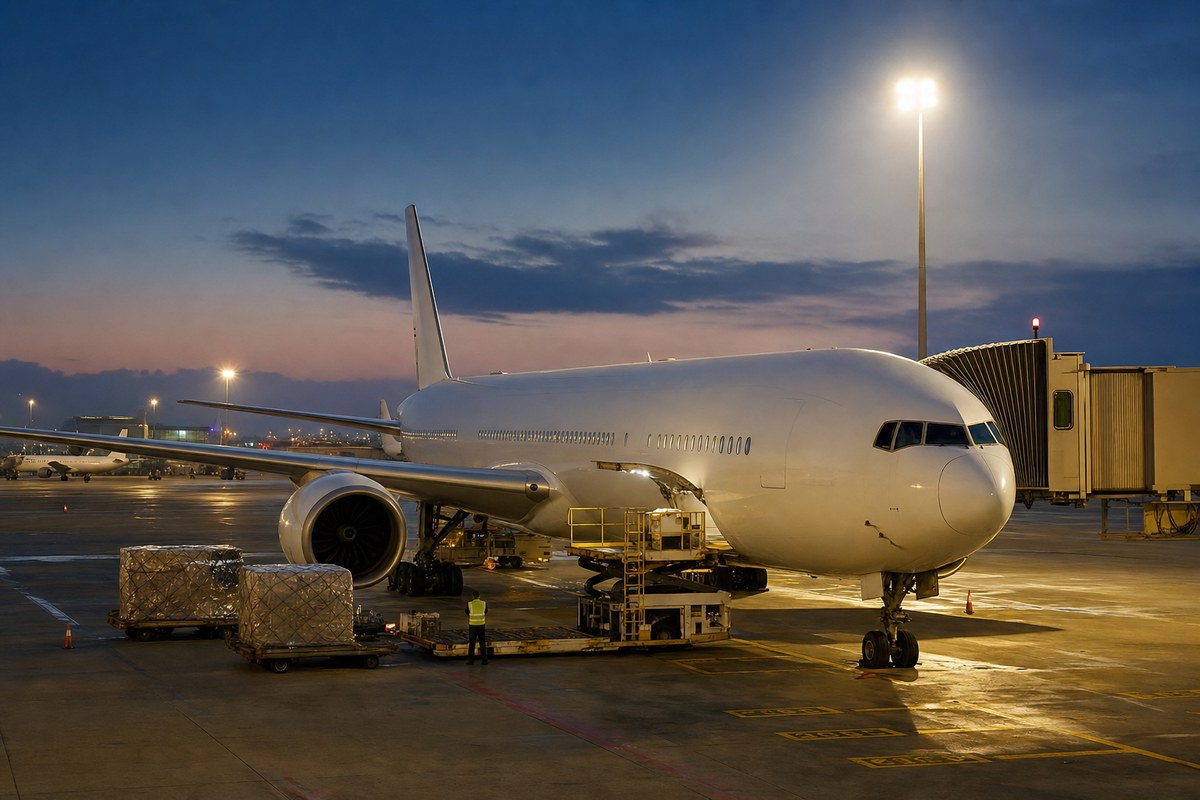
Al-Ameri recalled that during the height of the ISIS insurgency, when international flights to Iraq were suspended, Iranian aviation continued operating and played a critical role in transporting essential supplies and equipment to support the Iraqi people. Abdul Sattar al-Salihi, a leader within the Anbar Coalition, warned that US pressure to cancel flights between Iran and Iraq is causing significant financial strain on the Iraqi state.
"This action inflicts a loss of more than two billion Iraqi dinars daily on the government treasury," al-Salihi stated.
Industry impact & what to watch
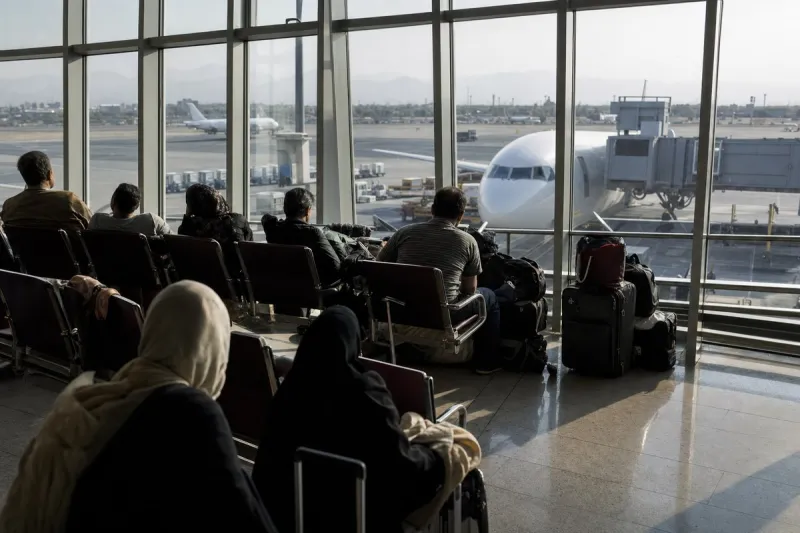
This dispute sits at the intersection of sanctions policy and bilateral air links, where restrictions imposed by a third party on flights between two neighboring states can ripple through government finances rather than just airline balance sheets. Cross-border routes between Iran and Iraq carry not only passengers but also state revenue streams tied to landing fees, transit traffic and trade-linked logistics, which is why officials frame the cutoff in fiscal terms rather than purely as a diplomatic grievance.
How such disputes typically resolve depends on whether the restricting party enforces compliance through secondary sanctions on carriers and financial institutions, or whether regional governments find workarounds to keep routes operating despite external pressure. Iraq's own account of Iranian flights continuing during the ISIS period suggests a precedent for maintaining air links under adverse conditions.
What happens next will depend on whether Baghdad and Tehran issue a joint response, whether Iraqi carriers or airports report measurable schedule changes, and whether the cited treasury losses are confirmed by Iraqi financial authorities.