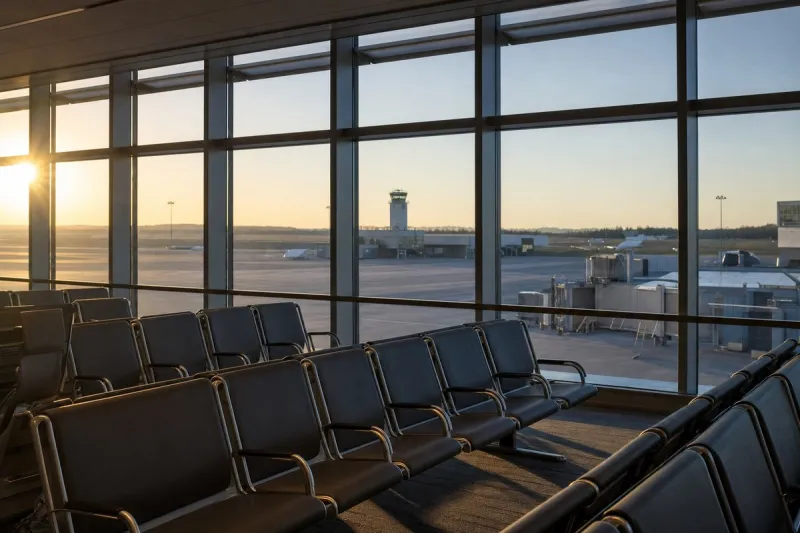
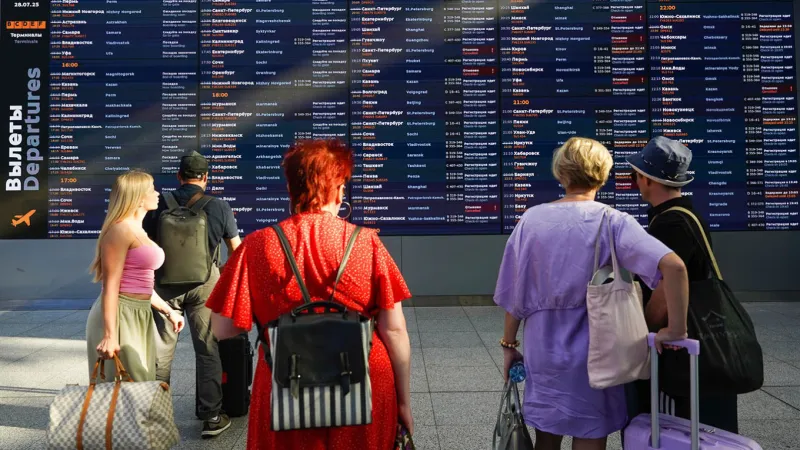
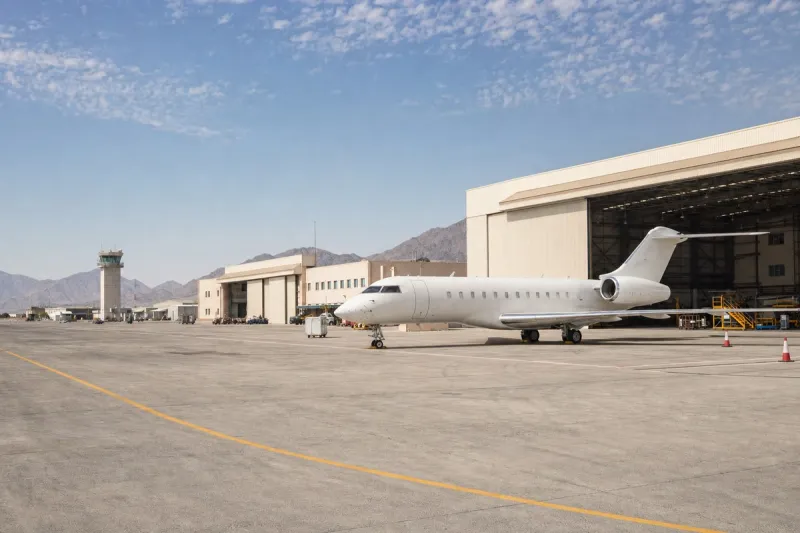
Tehran international flights fall 42% since US ban took effect, FlightRadar24 data shows
Why It MattersThe pattern shows that an air travel ban rarely closes a market uniformly: compliance varies by carrier and route, leaving some corridors largely intact while others collapse entirely.
What happened
International flights to and from Tehran's Imam Khomeini International Airport have dropped by approximately 42 percent since the US ban took effect on September 23, according to FlightRadar24 flight-activity records. The platform recorded an average of 53 daily international flights after the ban, compared with a daily average of 91 flights before it.
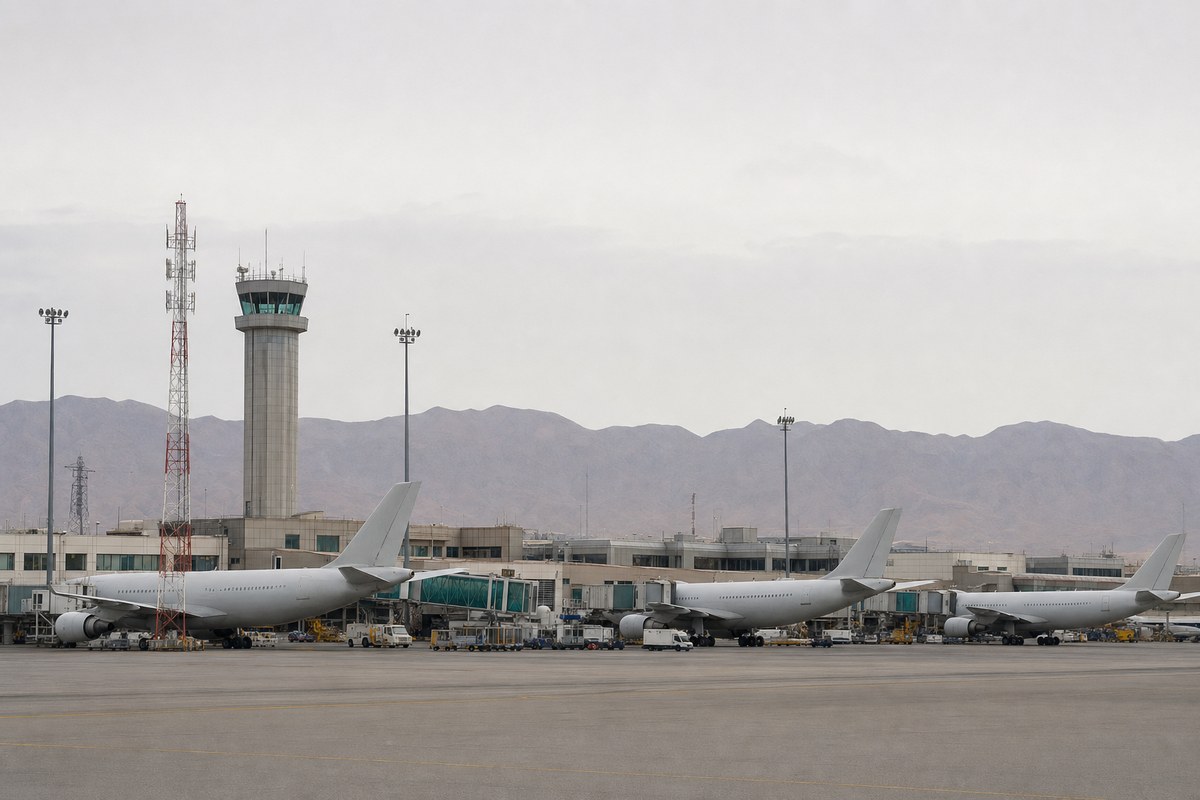
Air traffic had already declined earlier in the year after Israeli-American strikes on Iran at the end of February forced the complete closure of Iranian airspace; since flights resumed following that closure, only Iranian carriers have operated services out of the country. Pre-ban September data showed that a typical week included services to 18 countries. Since the ban came into force, flights have stopped entirely to Georgia, Oman and Azerbaijan, all of which normally maintain regular service to Tehran.
Three flights in each direction operated between Tehran and Dubai on September 23, but none have followed; the United Arab Emirates has confirmed it is enforcing the US ban. No flights between Iraq and Tehran have departed since September 25, though Iraq's transport ministry said the US has granted permission for its national carrier to operate flights.
Some major routes remain active. Flights between Tehran and China have held steady at an average of eight per day. The Turkey–Tehran corridor, the busiest route at Imam Khomeini airport, has declined by only 19 percent, although passengers reported heavy disruption. Mahan Air has not operated any flights to Turkey since September 20, while Caspian Airlines has increased its frequency on that route since the ban began. Countries where international flights to and from Tehran have continued include Armenia, Russia, Afghanistan, Pakistan, Thailand, Tajikistan, Vietnam, Malaysia and Qatar, listed in order of flight frequency.
Industry impact & what to watch
This episode illustrates how a bilateral or multilateral travel restriction plays out unevenly across a hub's network rather than shutting it down uniformly. Routes to Georgia, Oman and Azerbaijan stopped outright, Dubai service ended after a single transition day, and Iraq's link paused despite a reported US exemption for its national carrier, while the Turkey corridor absorbed the restriction with only a 19 percent decline and China traffic held at eight flights a day.
The segment-level lesson is that enforcement depends on each counterpart jurisdiction and carrier's own compliance posture: the UAE has confirmed it is applying the US ban, which explains the Dubai cutoff, while carriers on the Turkey route have adjusted capacity between operators, with Caspian Airlines increasing frequency as Mahan Air withdrew. That divergence shows how quickly route-level capacity can reallocate between carriers on the same corridor once one operator exits.
What remains unresolved is whether Iraq's national carrier will actually resume Tehran service under the permission its transport ministry says it has secured, and whether further countries follow the UAE's lead in formally confirming enforcement. FlightRadar24 also flagged that its tracking may miss flights lacking reliable transponder or schedule data, so the true decline could differ from the recorded 42 percent.