U.S. Private Jet Industry Hits $40.3 Billion as Tax Breaks and Public Infrastructure Fund Boom, Report Finds
Why It MattersThe report highlights how private aviation's growth increasingly rests on tax policy and public infrastructure spending rather than purely commercial demand, exposing the segment to legislative reversal risk.
What happened
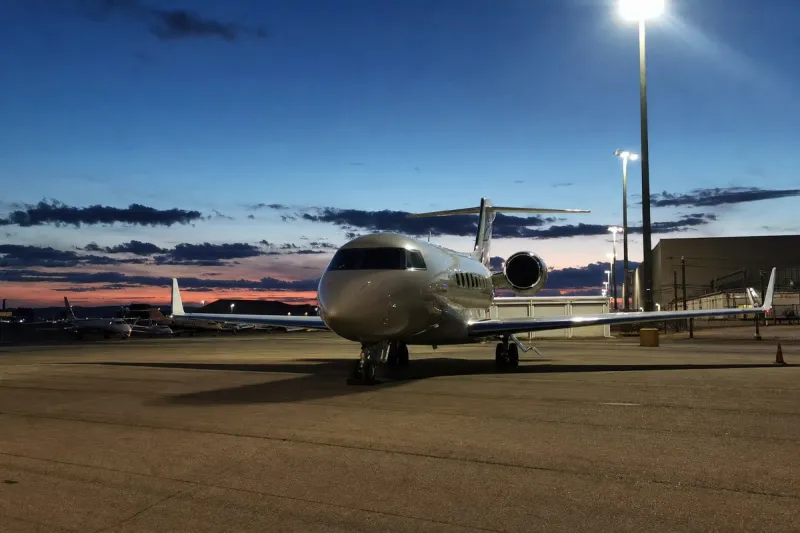
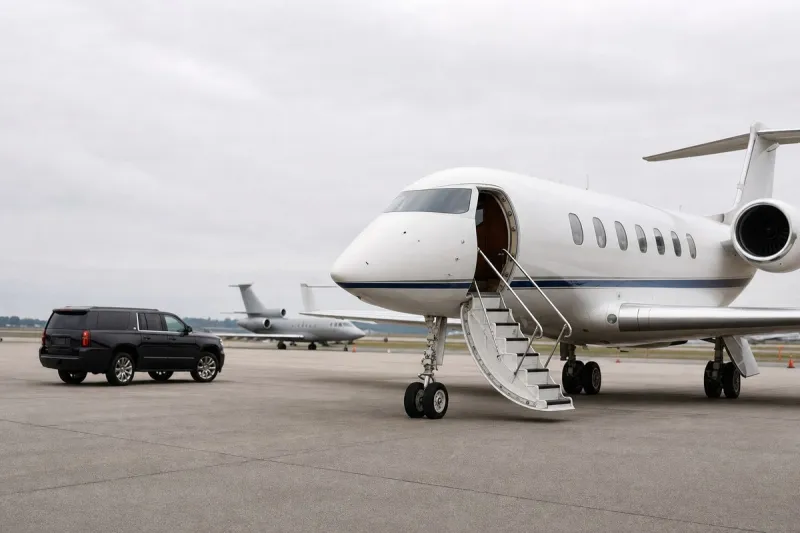
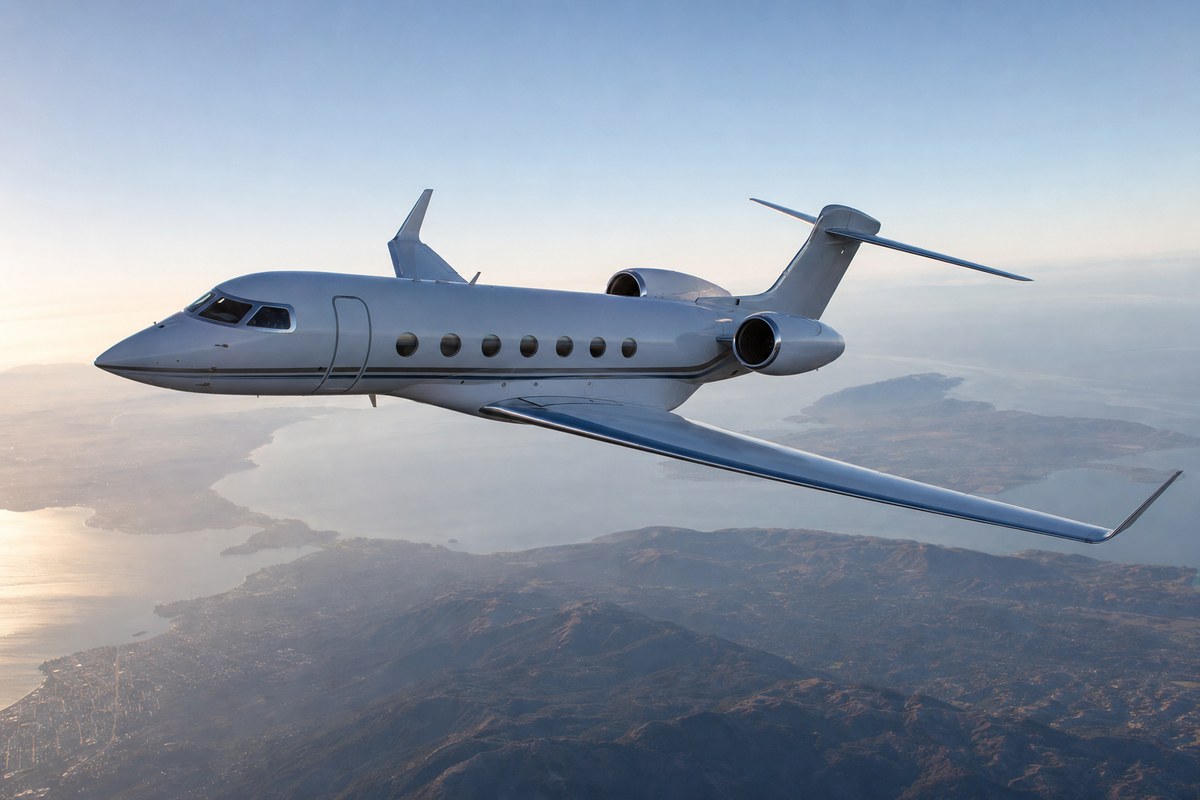
Global private jet sales reached $40.3 billion in 2025, up nearly 24% over five years and growing at an annual rate of 4.7%, according to a September report by the Institute for Policy Studies (IPS). The report attributes part of the industry's expansion to taxpayer-funded subsidies, including tax breaks and publicly financed infrastructure.
Noncommercial private jets account for about 7% of flights handled by the Federal Aviation Administration but contribute just 0.6% of the taxes flowing into the fund that helps finance it, according to the Department of Transportation. Commercial airline passengers pay a 7.5% federal excise tax on every ticket, a levy that does not apply to private jet travel. IPS said the roughly 256,000 people who regularly fly private — approximately 0.003% of the global population — collectively hold an estimated $31 trillion in wealth.
President Donald Trump's One Big Beautiful Bill Act restored 100% bonus depreciation for qualifying business assets, including private aircraft, letting eligible buyers deduct the full purchase cost in the year the aircraft enters service. IPS illustrated the benefit with a $40 million jet: at a 37% tax rate, the first-year deduction could reduce a buyer's federal tax liability by as much as $14.8 million, depending on taxable income, business use, and other tax circumstances. Justin Crabbe, CEO of private jet marketplace Jettly, told Fortune that buyers sometimes purchase $75 million jets primarily to offset tax obligations rather than to fly them, often placing the aircraft into charter service afterward to support the case for business use.
Eight states — including Alaska, Oregon, New Hampshire, New York, and Massachusetts — offer full or near-total sales tax exemptions on private jet purchases. In Massachusetts, where a 6.25% sales tax applies to cars and bicycles, the aircraft exemption is estimated to cost the state $25.3 million this year, according to the Massachusetts Budget and Policy Center. Legislation introduced by State Sen. Michael J. Barrett to repeal the exemption is currently under review by the Legislature's revenue committee.
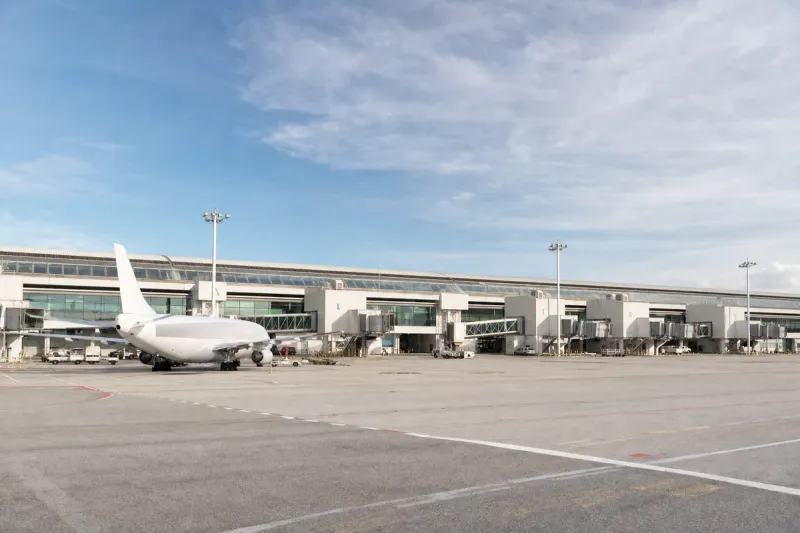
On federal airport infrastructure, the IPS report found that of nearly $7.6 billion in federal Airport Infrastructure Grants awarded through August, about $1.3 billion went to smaller airports that mostly serve private jets and general aviation, with an additional $1.1 billion flagged as having a strong likelihood of benefiting private jets, covering hangars and runway improvements. The National Business Aviation Association (NBAA), which represents 10,000 private aviation companies and professionals, spent a combined $3.4 million lobbying in 2024 and 2025. NBAA opposed a 10% luxury tax on aircraft worth more than $500,000 that passed in May 2025; a bill repealing the tax was signed into law before the tax took effect. NBAA also opposed Massachusetts' prior attempts to impose a luxury tax on aircraft purchases. A pending federal air-safety bill, the ALERT Act, includes a House provision that would block state and local officials from using aircraft-tracking data to identify and tax private jets; the Senate version omits that provision.
Terms of the tax benefit
The bonus depreciation mechanism IPS highlights applies broadly to qualifying business assets, not solely aircraft, but the report frames private jets as a prominent beneficiary given purchase prices that can run into tens of millions of dollars. The $14.8 million deduction example tied to a $40 million jet depends on the buyer's taxable income, the extent of business use, and other individual tax circumstances, IPS noted.
State-level exemptions compound the federal benefit in the eight states IPS identified. Massachusetts applies its standard 6.25% sales tax to everyday purchases like cars and bicycles but exempts private aircraft, a carve-out the state's Budget and Policy Center estimates will cost $25.3 million this year. State Sen. Michael J. Barrett's repeal bill remains with the Legislature's revenue committee, with no outcome reported.
Industry impact & what to watch
The report places private aviation within a broader debate over who funds the infrastructure that supports it. The 7% share of FAA-handled flights against a 0.6% share of trust-fund tax contributions, paired with the absence of the 7.5% ticket excise tax that commercial passengers pay, illustrates a structural mismatch between use and funding that advocacy groups can point to when pressing for policy change.
State tax exemptions and federal depreciation rules function as de facto subsidies that lower the effective cost of aircraft ownership, which in turn supports demand for new and used jets, charter placements, and the management companies that service owner-flown aircraft placed into commercial use. Lobbying activity, such as NBAA's $3.4 million spent across 2024 and 2025 and its success in reversing the 10% luxury tax before it took effect, shows how directly legislative outcomes can move the economics of ownership.
What happens next depends on several pending items: whether Massachusetts' revenue committee advances Barrett's repeal bill, whether other states revisit similar exemptions, and how the ALERT Act's final language treats aircraft-tracking data — the House version would block local officials from using it to tax private jets, while the Senate version does not include that provision. Reconciliation of those two versions will determine whether a new avenue for state and local taxation of private aircraft opens or closes.