Rawlins Municipal Airport Secures Two FAA Grants Totaling Up to $449,209 for New Aviation Fueling Station
Why It MattersFederal airport infrastructure grants typically bundle multiple funding streams with strict eligibility and local-match conditions, meaning even a donated asset does not eliminate the compliance burden on small-airport operators.
What happened
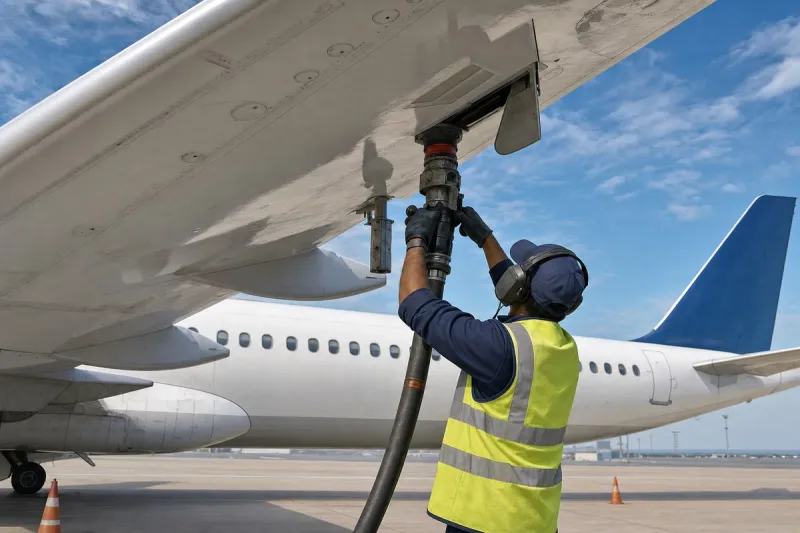
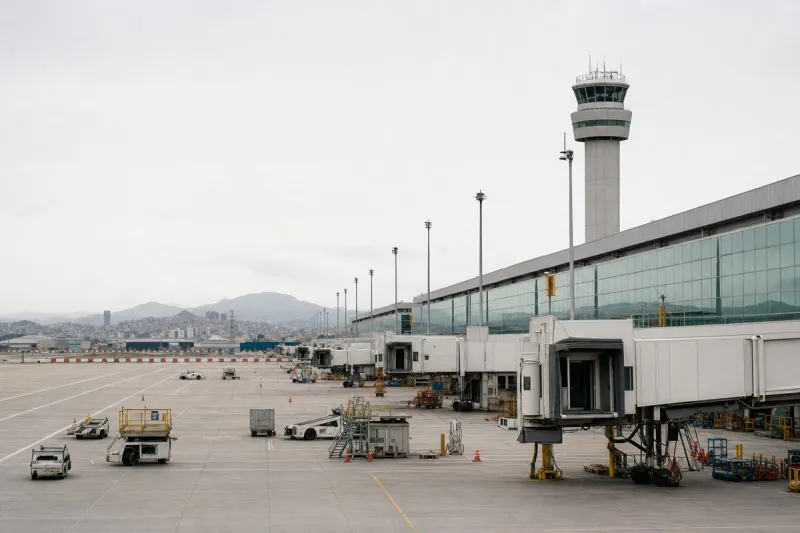
The Rawlins Municipal Airport, also known as Harvey Field, has received two Federal Aviation Administration grants to fund construction of a new aviation fueling station. The Board of Carbon County Commissioners and the Rawlins City Council both unanimously approved the grants at their respective September 15 meetings.
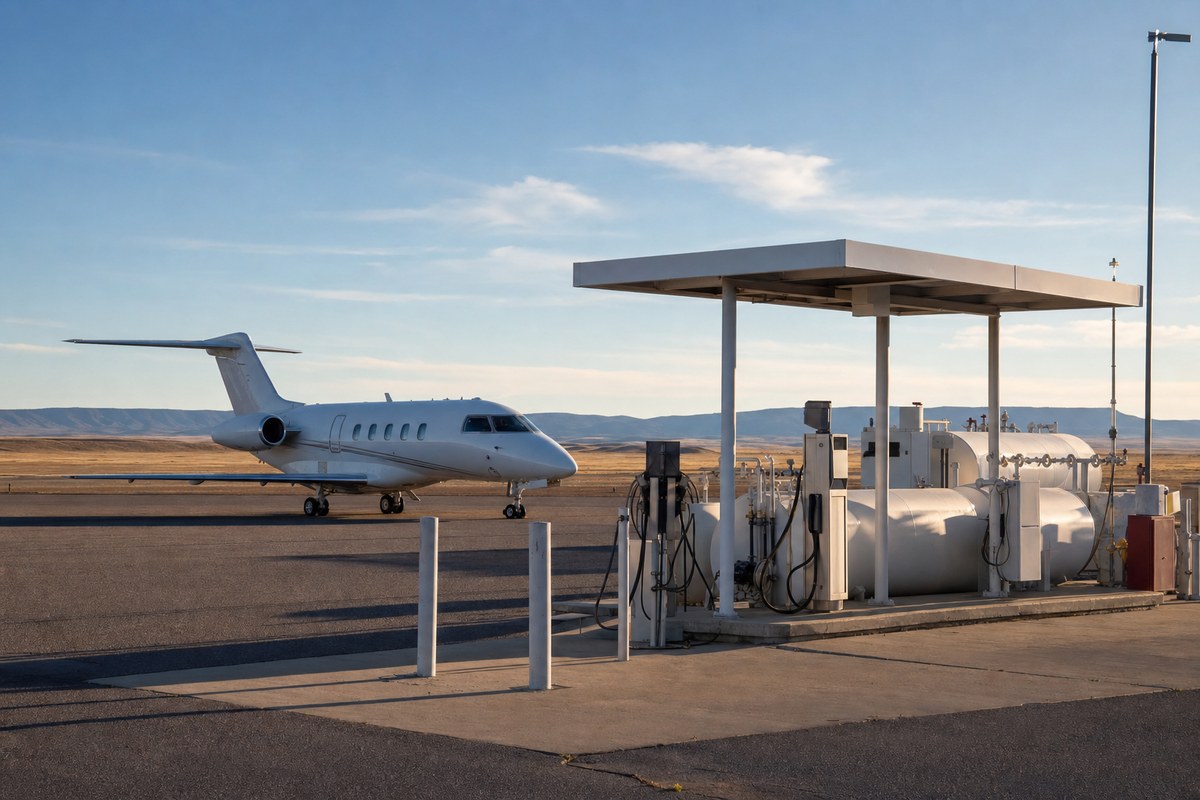
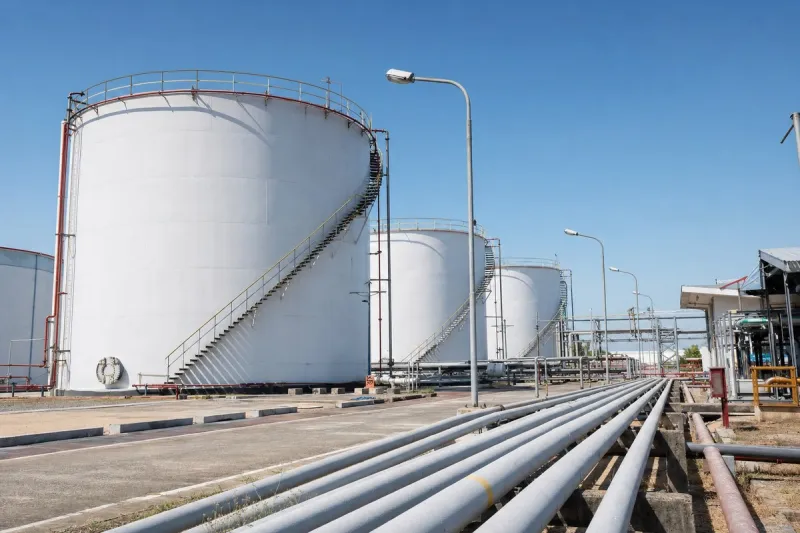
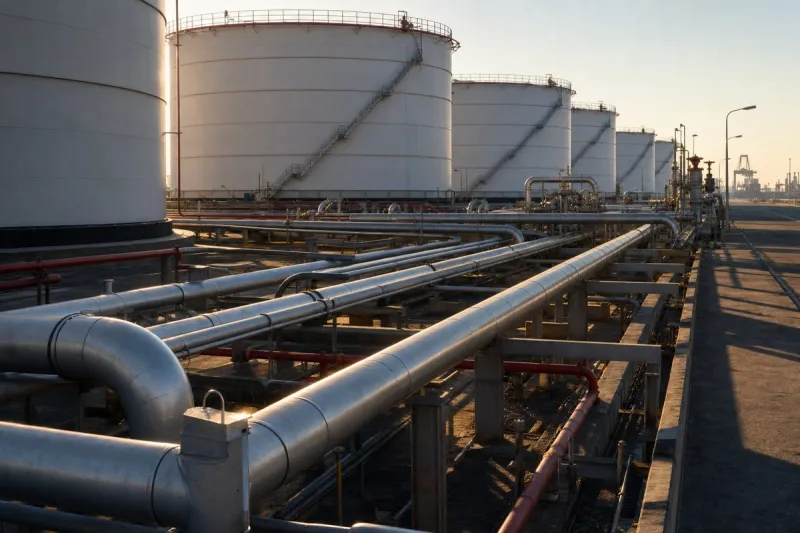
The first grant, an FAA Airport Infrastructure Grant, covers up to 80 percent of the fueling system's construction cost, with a maximum of $359,741. The second grant covers the remaining 20 percent, up to $89,468. Both grants require a five percent local match, which will be paid by the Rawlins-Carbon County Airport Board. Airport Board member J.R. Eggleston told the Rawlins City Council that H.F. Sinclair donated a surplus fuel tank to Harvey Field, reducing the total project cost by approximately $450,000.
The Rawlins-Carbon County Airport Board has already completed preliminary work on the fuel farm and will administer the federal funding for the duration of the project. The FAA has set strict conditions on the funding: all work must be approved by the FAA and the Wyoming Department of Transportation before any payment is issued, and the project must be completed within four years. The airport board must also meet 37 eligibility criteria, including maximizing the use of U.S.-sourced materials, updating the Airport Layout Plan to reflect the new fuel station, and refraining from leasing the fuel farm to a third party.
Revenue generated by selling aviation fuel must, per FAA requirements, be used exclusively for airport operations and maintenance over the fueling system's anticipated 20-year service life. Ardurra Engineering, the firm overseeing the project, will prepare all documentation required by the FAA. Carbon County Deputy Attorney Ashley Davis noted that because Carbon County is part of the joint powers board that oversees Harvey Field, the Board of County Commissioners was required to approve the grants, and that the City of Rawlins' seat on the same joint powers board made City Council approval equally necessary.
Industry impact & what to watch
Small municipal airports routinely rely on layered FAA infrastructure grants, local matches, and in-kind donations to fund fuel system upgrades that would otherwise strain a county or city budget alone. The Harvey Field case shows how a donated asset, here a surplus fuel tank from H.F. Sinclair, can cut overall project cost without reducing the regulatory obligations attached to federal dollars.
The structure also illustrates how joint powers boards distribute approval authority: because both Carbon County and the City of Rawlins hold seats on the board overseeing the airport, each governing body had to separately approve the same grants before funds could flow. The 37 eligibility criteria and the 20-year revenue-use restriction on fuel sales show how federal funding ties an airport's future operating revenue to conditions set at the time of construction.
What happens next depends on sign-off from the FAA and the Wyoming Department of Transportation before any payment is released, and on the Rawlins-Carbon County Airport Board completing the project within the four-year window the FAA has set.