Global General Aviation Market Valued at USD 27.6 Billion in 2025, Projected to Reach USD 35.5 Billion by 2034 at 2.83% CAGR
Why It MattersSteady single-digit growth across helicopters, business jets and emerging eVTOL segments signals sustained capital deployment into fleet upgrades, airport infrastructure and sustainable fuel transition programs worldwide.
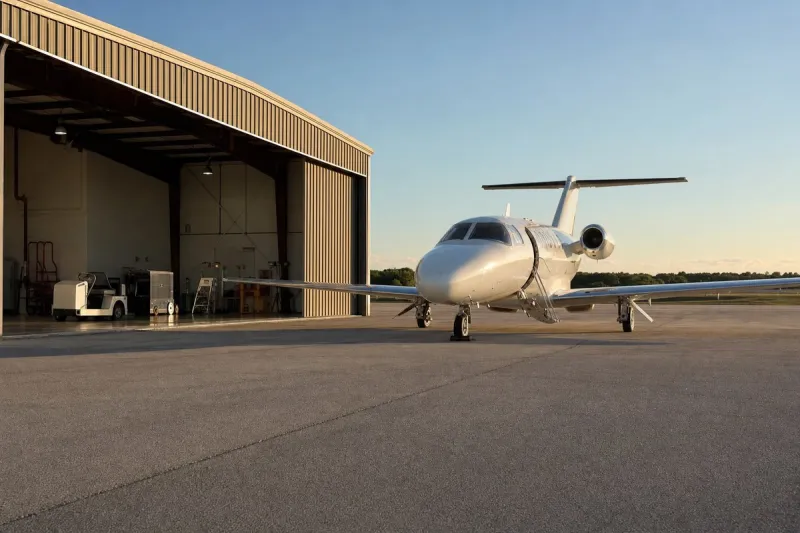
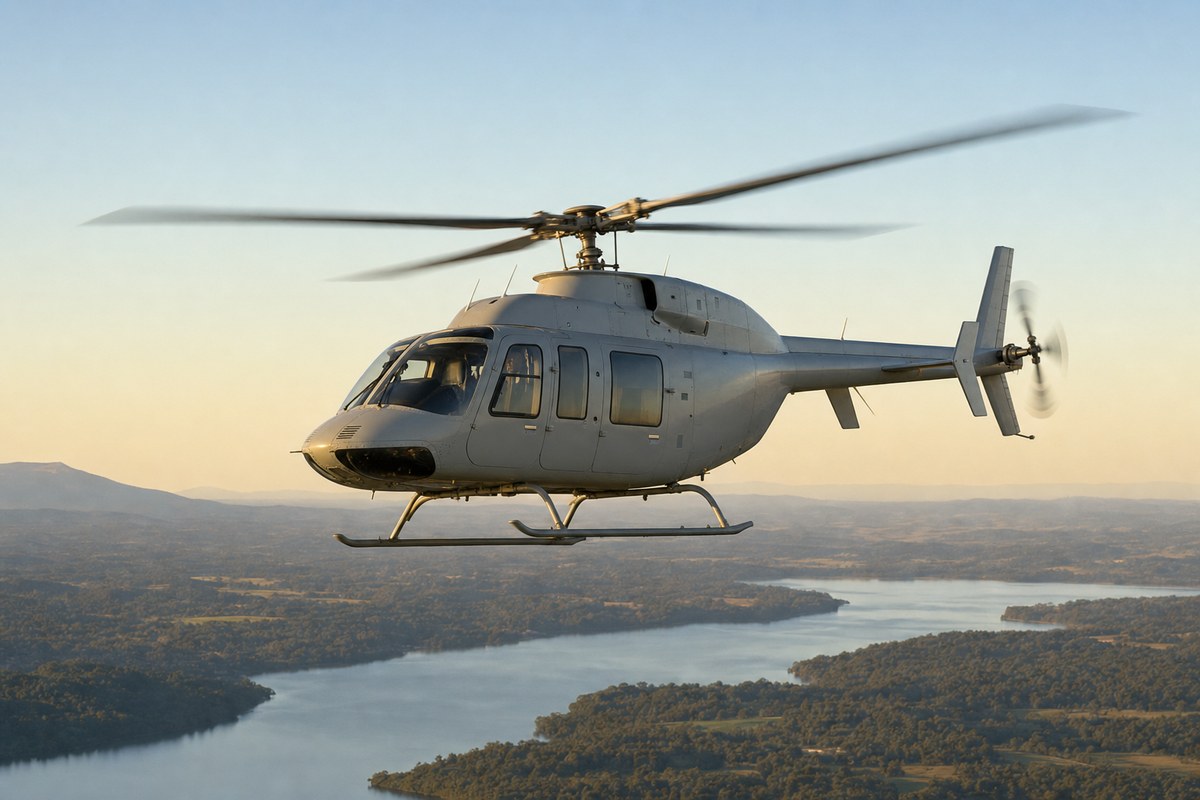
The global general aviation market was valued at USD 27.6 billion in 2025 and is forecast to reach USD 35.5 billion by 2034, growing at a compound annual growth rate of 2.83% over the 2026–2034 period, according to IMARC Group. Helicopters led the product segment in 2025 with approximately 53.2% of the market, supported by use across commercial, military, search-and-rescue, and medical emergency applications, while commercial aviation — including air charter, cargo transport, aerial surveying, and specialized services — was the leading application segment, with North America identified as the dominant regional market.
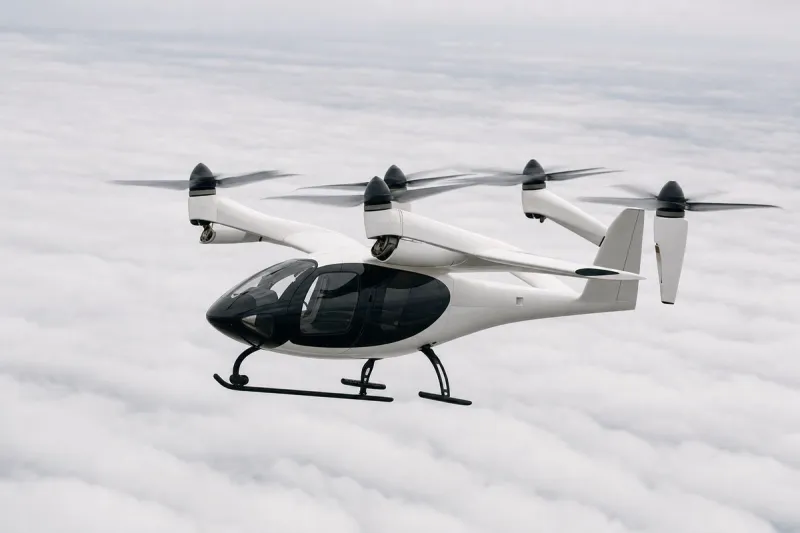
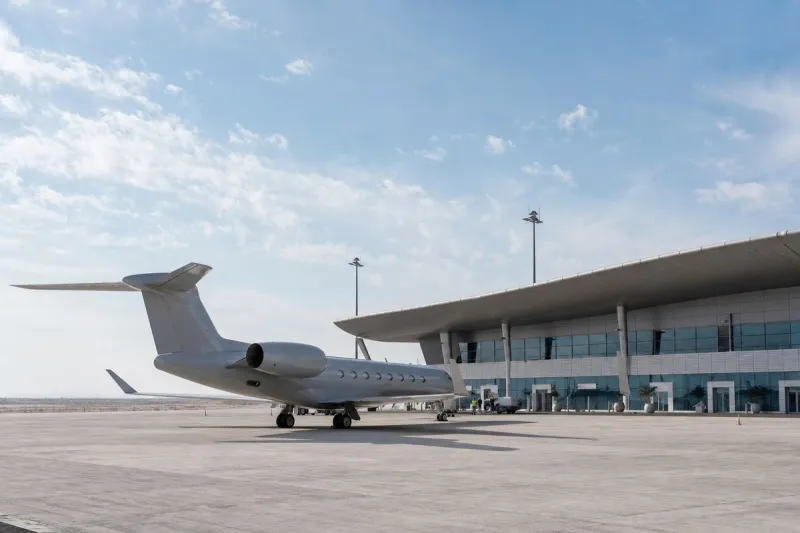
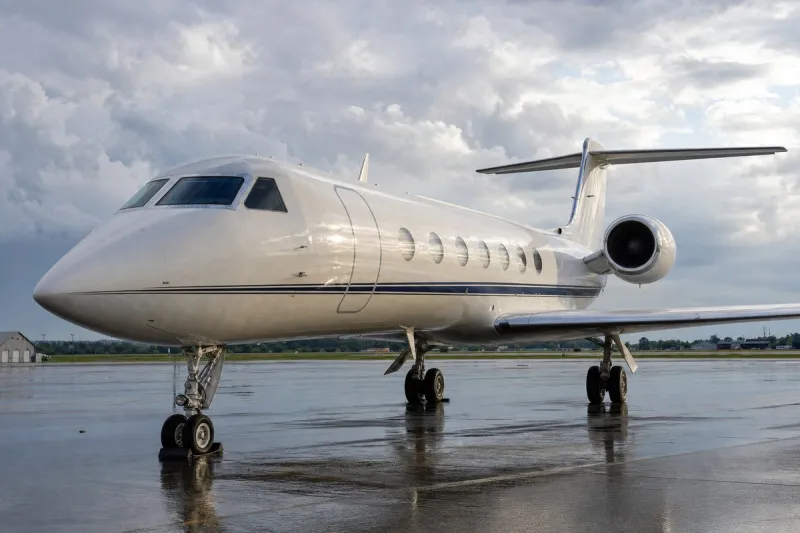
Growth drivers include rising demand for business and private air travel, advances in avionics and propulsion systems, expansion of urban air mobility through eVTOL aircraft, and growing investment in aviation infrastructure. A USD 17 billion strategic agreement between Honeywell and Bombardier covering next-generation avionics, engines, and satellite communications was cited as a signal of sustained capital commitment to fleet upgrades. Gulfstream Aerospace surpassed 3 million nautical miles flown on sustainable aviation fuel blends across its demonstration and support fleet as of October 2025, while the EU's ReFuelEU Aviation regulation mandates SAF blending starting at 2% in 2025, rising to 6% by 2030 and 70% by 2050, and the UK SAF mandate requires 2% SAF in 2025, rising to 10% by 2030 and 22% by 2040.
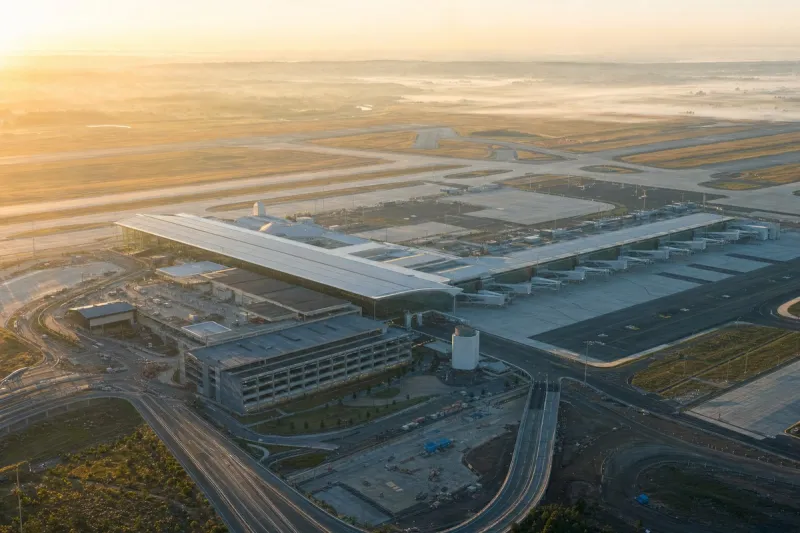
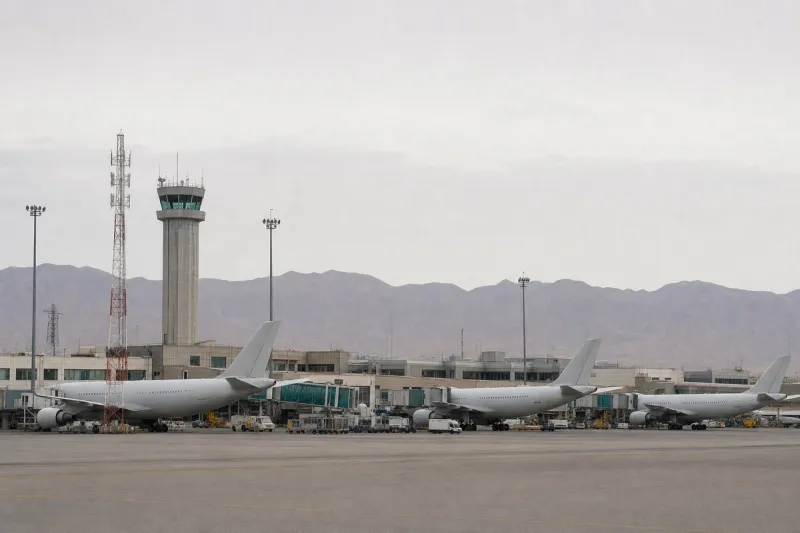
In the United States, the FAA's Airport Infrastructure Grants program concluded its fifth and final tranche in August 2026, distributing USD 870 million across 339 grants in 44 states and two territories, completing a USD 14.5 billion program under the Infrastructure Investment and Jobs Act. The FAA Airport Improvement Program received USD 4.0 billion in FY2026 funding, with releases exceeding USD 2.67 billion across five tranches by August 2026. India is preparing a Production Linked Incentive scheme worth approximately INR 15,000 crore (around USD 1.6 billion) to boost domestic manufacturing of small aircraft, alongside a separate PLI scheme for drones that has selected 14 beneficiary companies including an Adani-Elbit joint venture and IdeaForge Technology.
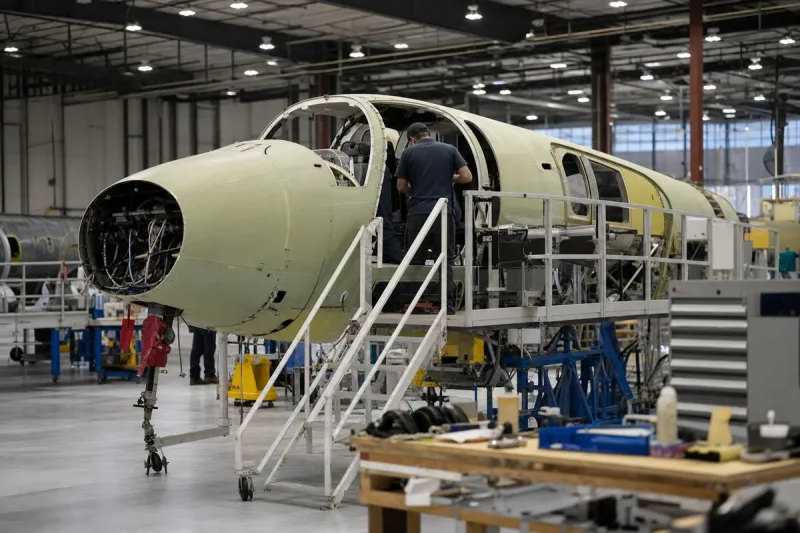
In the Gulf region, Saudi Arabia's General Authority of Civil Aviation is building regulatory frameworks for eVTOL deployment across NEOM, AlUla, and other sites under Vision 2030, while the UAE is targeting a Q3 2026 commercial eVTOL launch connecting Zayed International Airport to Yas Island, with Joby Aviation and Archer Aviation conducting rollouts in both countries. On the financial side, Textron Aviation reported USD 1.54 billion in second-quarter 2026 revenue, delivering 40 business jets in the quarter, while parent Textron's full-year 2026 guidance stands at approximately USD 15 billion; Embraer posted record first-quarter 2026 revenue of USD 1.4 billion, a 31% year-over-year increase, and raised its full-year 2026 delivery guidance to 240–255 aircraft with projected revenue of USD 8.2 billion to USD 8.5 billion. In January 2025, GMR Airports Ltd entered a Share Purchase Agreement to acquire a 50% stake in Bird Delhi General Aviation Services Private Ltd, covering up to 500,000 equity shares and 19,000,000 preference shares, and the Biden-Harris Administration announced over USD 332 million in grants through the Bipartisan Infrastructure Law to modernize airports across 32 states.