Joby Aviation's Autonomous Cessna 208 Caravan Completes 5,000-Mile Transcontinental Demonstration, Stops in Salt Lake City
Why It MattersAutonomous flight demonstrations aimed at cargo, wildfire and military missions are advancing in parallel with, and separately from, passenger air-taxi certification programs.
What happened
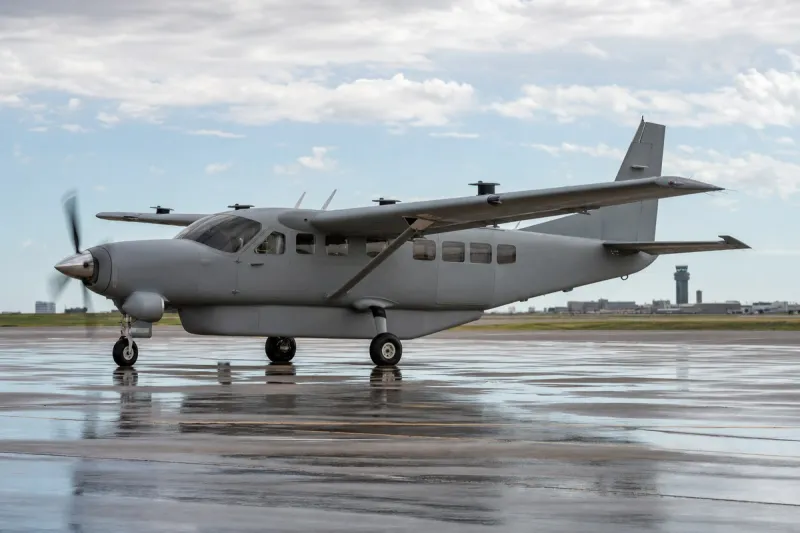
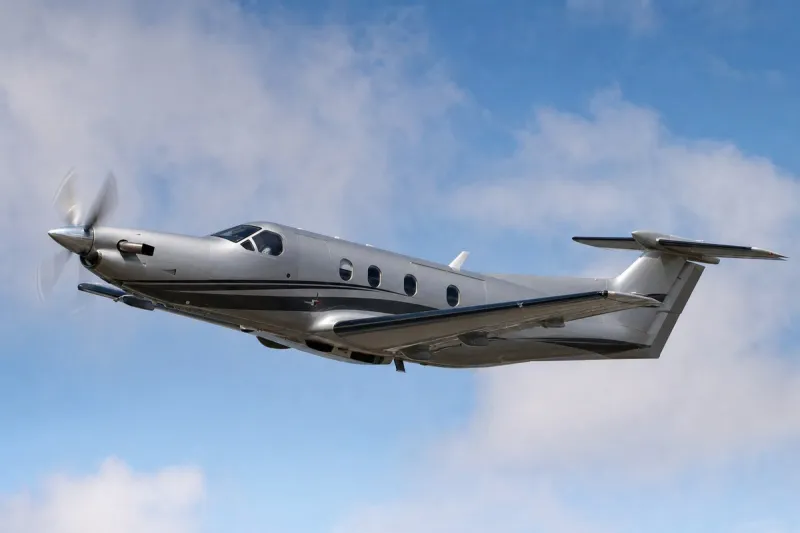
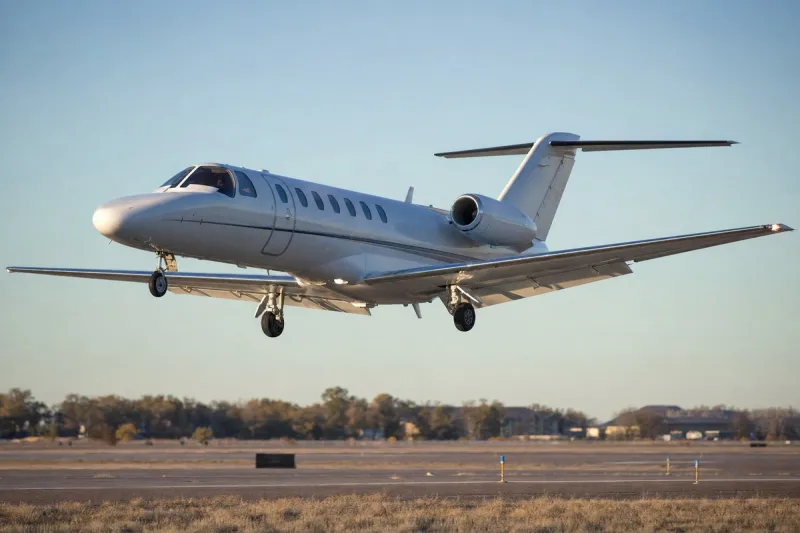
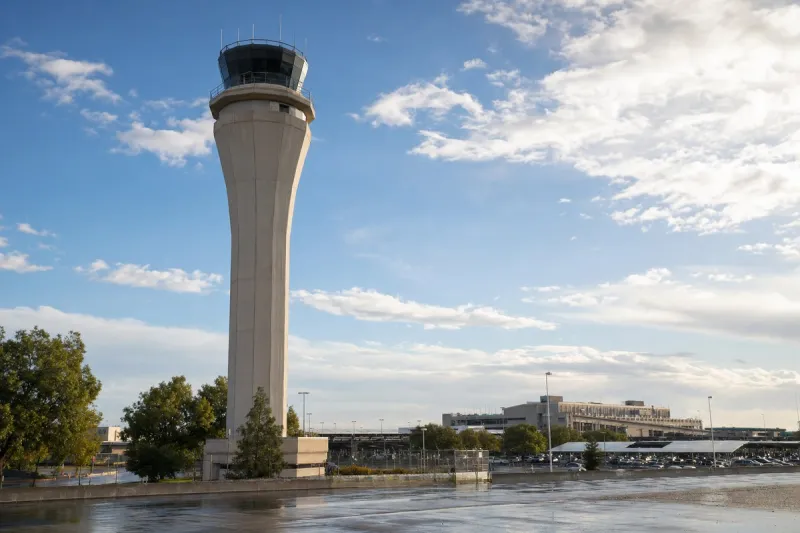
Joby Aviation's autonomous flight testbed, a converted 1990s-era Cessna 208 Caravan registered N101XW and fitted with Joby's proprietary autonomous flight technology, touched down at Salt Lake City International Airport as part of a 5,541-nautical-mile, 12-stop coast-to-coast round trip. An onboard safety pilot was present but did not touch the flight controls throughout the journey.
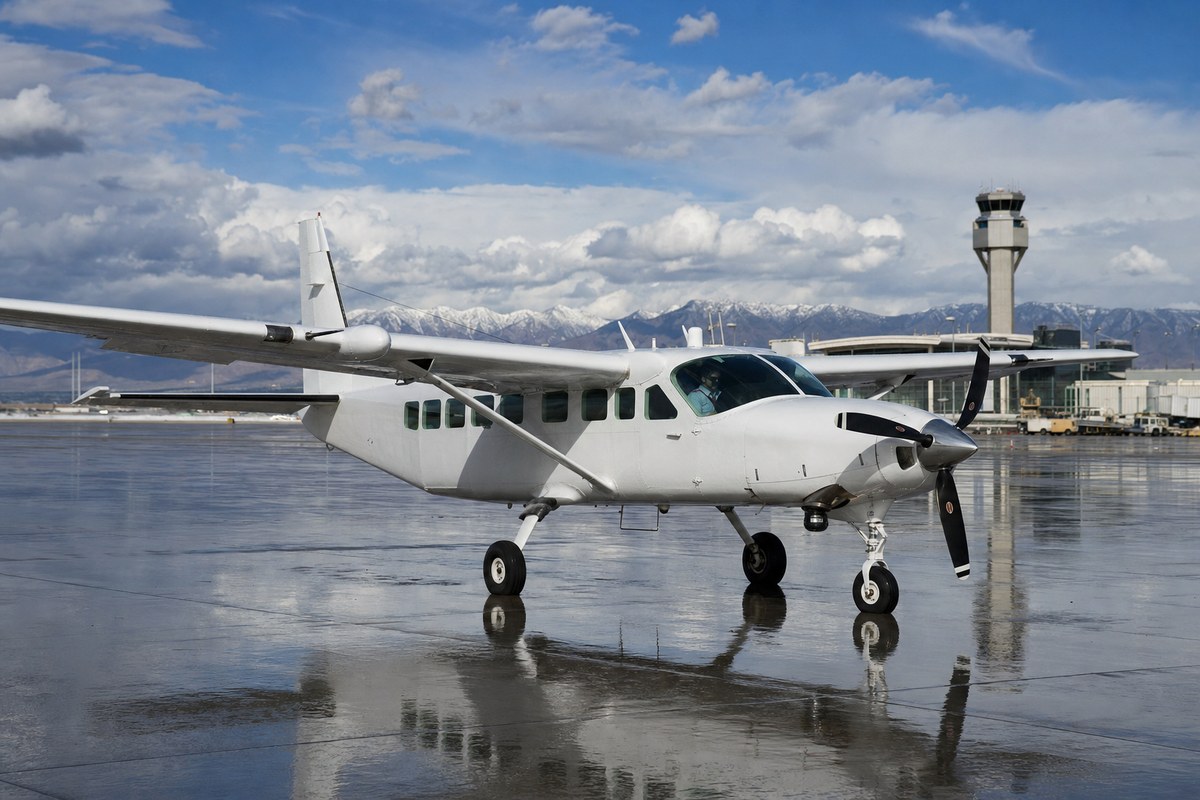
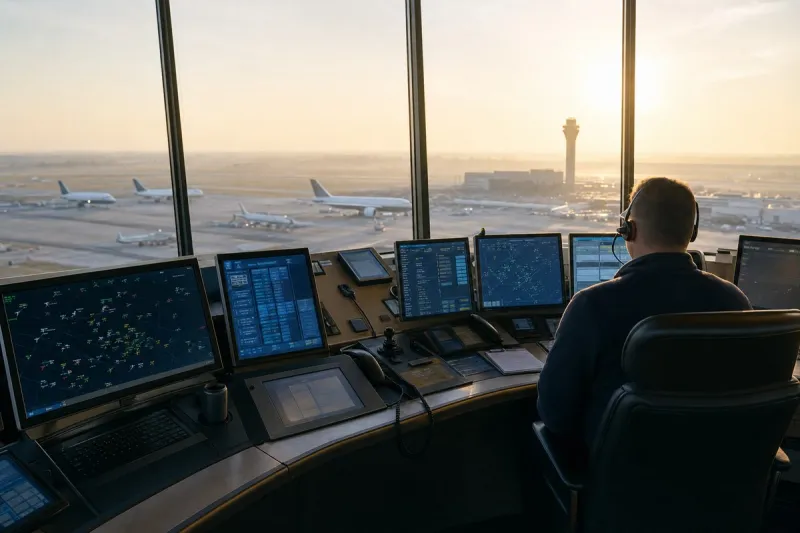
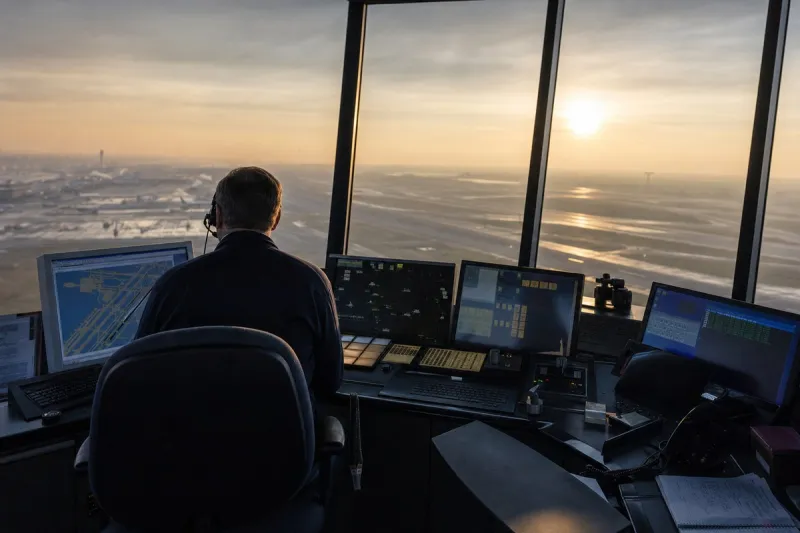
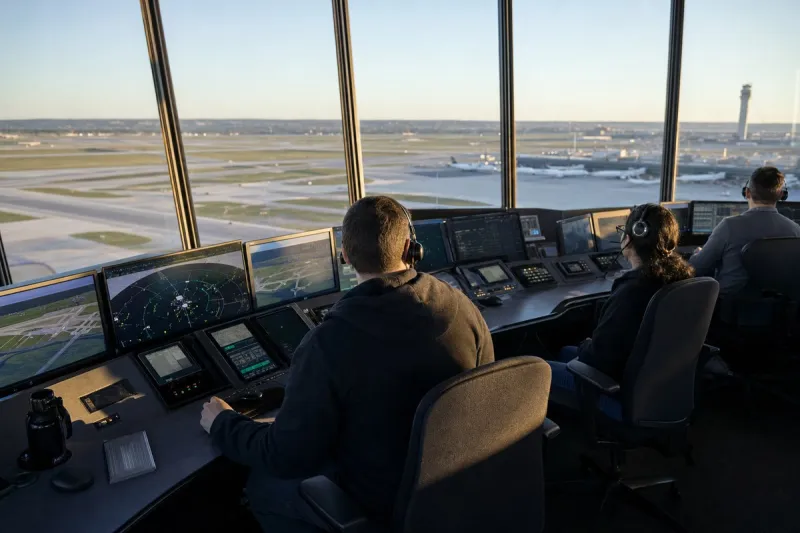
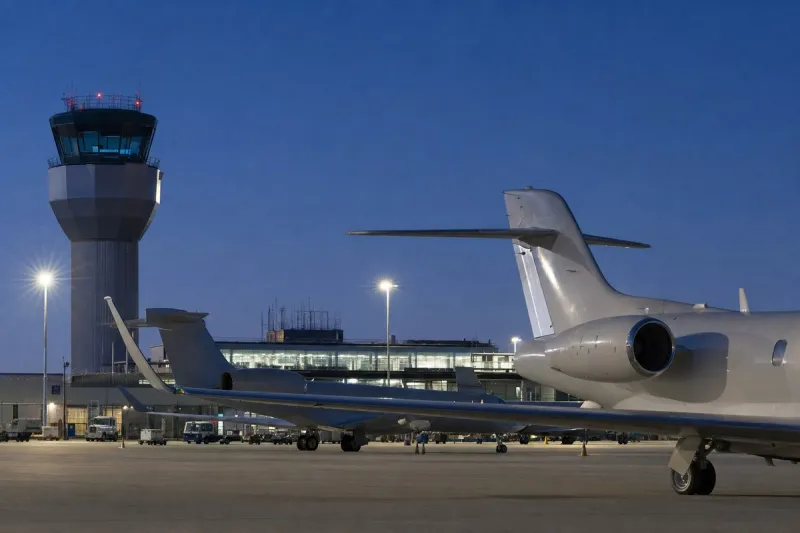
The aircraft originated in Concord, California, flew a transcontinental leg of 3,199 miles to the Outer Banks of North Carolina, marking the milestone with a low pass over the First Flight Monument at Kitty Hawk, and is now on its westbound return leg. The Salt Lake City stop followed a 751-nautical-mile leg from Oklahoma City (KOKC to KSLC), the longest single leg of the return trip. By the time it arrived in Salt Lake City, the aircraft had accumulated roughly 5,000 miles. Autonomous operations during the flight included taxiing, takeoff, cruise, navigation, and landing, with remote supervision provided from Joby's autonomy headquarters in California and from Shaw Air Force Base in South Carolina, both more than 2,300 miles from Salt Lake City. Joby did not pre-scout the Salt Lake City arrival; the aircraft integrated directly into live air traffic, communicating with air traffic control alongside commercial flights.
The demonstration was hosted at a UDOT hangar at Salt Lake City International Airport by the Utah Department of Transportation and aerospace organization 47G. Bonnie Simi, Joby Aviation's President of Operations and a former United Airlines and JetBlue pilot with a 33-year airline career and three Olympic Games appearances in luge, addressed attendees at the event and confirmed Joby is working with the FAA toward removing the onboard safety pilot entirely, a transition the company anticipates could begin as early as next year. The cross-country mission is linked to the White House-backed Early Integration Pilot Program and Utah's multi-state uFLY coalition, collectively known as Project ALTA and managed under 47G Chief Strategy Officer Kori Ann Edwards. Jefferson Moss, Innovation Commissioner for Utah's Governor's Office of Economic Opportunity, cited state projections that advanced air mobility could generate more than 11,000 jobs and over $8 billion in business activity in Utah through 2045, with the 2034 Winter Games cited as a near-term milestone.
Mission scope and next-generation hardware
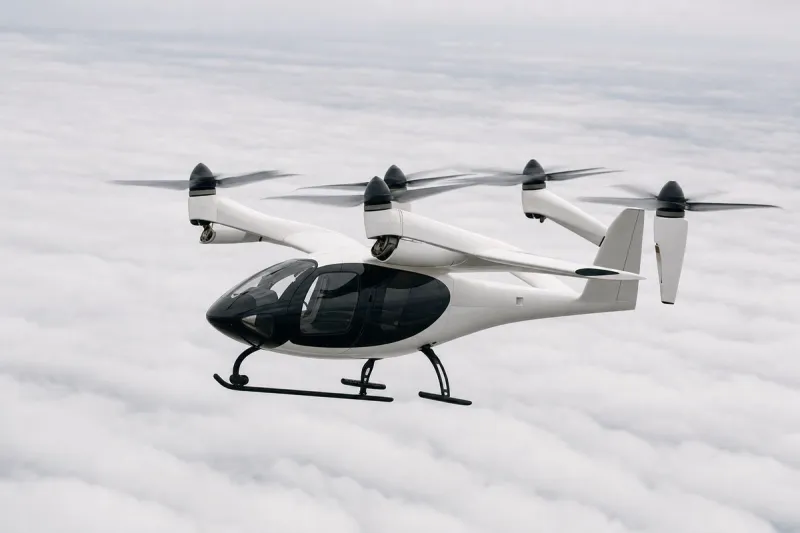
Joby is developing this autonomous platform for missions including wildfire aviation, medical cargo delivery, disaster response, and high-risk military logistics, distinct from its passenger air taxi program, which is intended to operate with commercially certified pilots. A second-generation aircraft featuring integrated airframe sensors and upgraded Lidar capabilities is already in flight testing.
Industry impact & what to watch
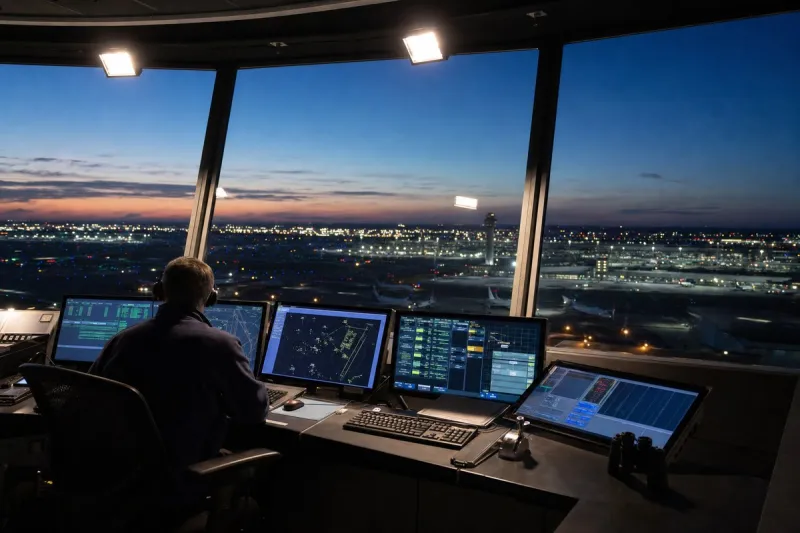
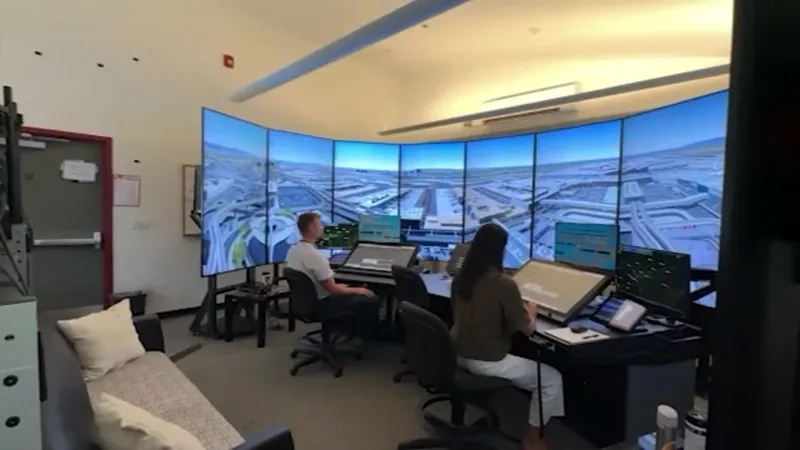
A coast-to-coast run that integrates into live air traffic control without pre-scouting, and does so with remote supervisors thousands of miles from the aircraft, is the kind of evidence regulators look for when weighing whether autonomous flight can operate alongside commercial traffic rather than in segregated test corridors. The 751-nautical-mile Oklahoma City to Salt Lake City leg and the 5,541-nautical-mile total route give the FAA a dataset spanning multiple airspace types, not a single controlled test range.
This segment separates uncrewed cargo, disaster-response and military logistics missions from passenger air taxi certification, which still assumes a commercially certified pilot onboard. Keeping those two programs distinct lets Joby pursue safety-pilot removal for one use case without that decision bearing on the certification path for passenger service.
The next marker is whether the FAA agrees to let Joby remove the onboard safety pilot, a step the company has said could begin as early as next year. State-level backing, including Utah's projections of more than 11,000 jobs and over $8 billion in business activity through 2045 tied partly to the 2034 Winter Games, signals how much regional economic planning is already being built around that regulatory timeline.