GE Aerospace Agrees to Acquire Casting Supplier CPP for $11.75 Billion to Secure Engine Component Supply
Why It MattersThe deal shows engine makers increasingly moving to own scarce, years-long-to-build casting capacity directly rather than rely on independent suppliers that also serve rival manufacturers.
What happened
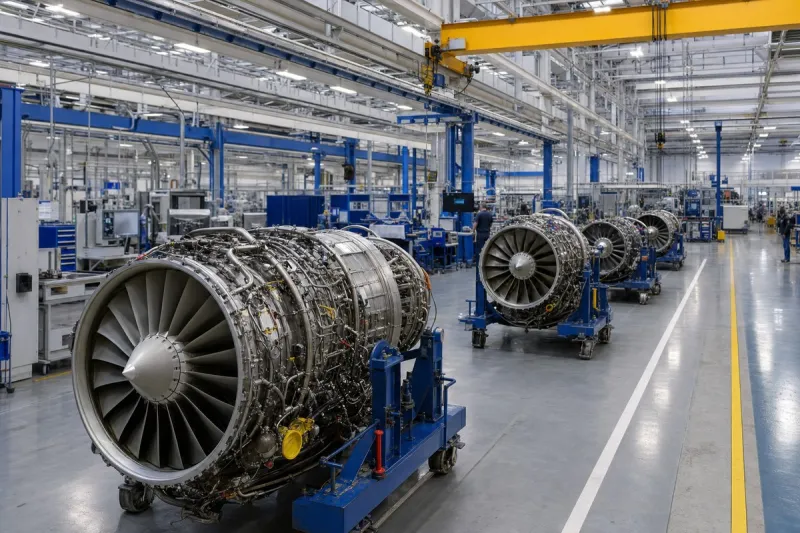
GE Aerospace has agreed to acquire Consolidated Precision Products (CPP), a maker of complex titanium, aluminum, and superalloy castings and airfoils for commercial and military engines, in a deal valued at $11.75 billion. GE Aerospace is funding $7 billion of the purchase price in cash and taking on new debt for the remainder, with the deal expected to close in the second half of 2027, subject to regulatory approval.
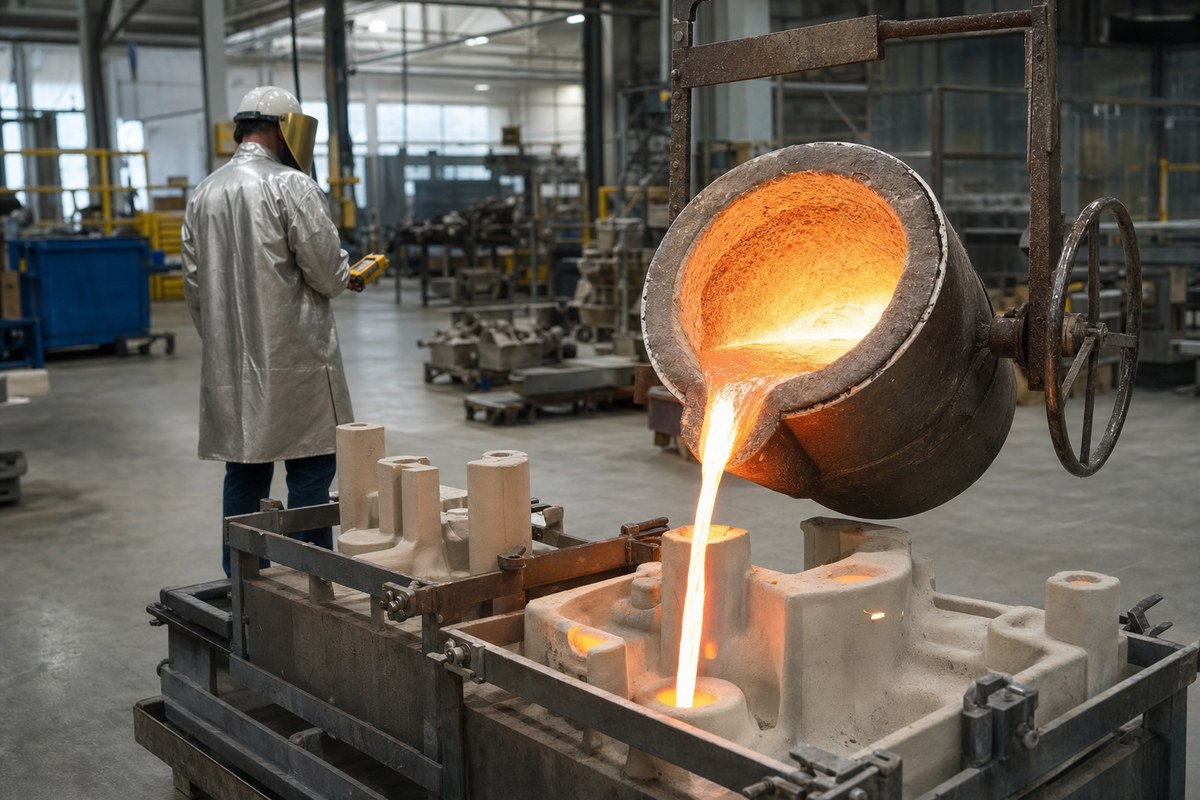
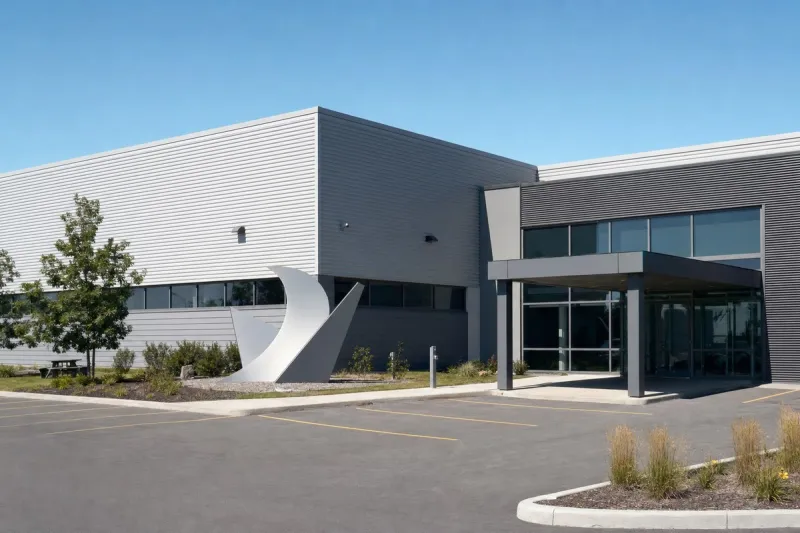
CPP is headquartered in Cleveland, Ohio, and employs 6,600 people across 20 facilities in the United States, Mexico, Poland, Belgium, and Slovakia. Its customers include Honeywell, Pratt & Whitney, and Lockheed Martin. The acquisition price represents 18 times CPP's projected 2027 EBITDA, rising to 26 times when synergies are factored in. CPP produces precision investment castings and sand-castings engineered to withstand heat, pressure, and mechanical stress in jet engine hot sections, supplying turbine blades, nozzle guide vanes, and airfoils.
GE Aerospace has reported that airfoil demand across commercial, defense, and aftermarket segments grew 30%, and it expects demand to rise by more than 30% by 2030. Manufacturing 40 single-crystal turbine blades requires 60 to 90 weeks and costs more than $600,000, and building the skilled workforce and facilities needed for their production takes years. Following the acquisition, CPP will be integrated into GE Aerospace's FLIGHT DECK operating model, a performance management system focused on safety, delivery, quality, and cost; at GE Aerospace's Pomigliano site in Italy, operated by Avio Aero, that model has delivered a 20% improvement in labor productivity and a 42% reduction in inventory.
CPP CEO James Stewart described GE Aerospace as "a great partner to CPP for many years" and said the two companies would work together toward "delivering meaningful value and advancing the success of both organizations." In 2001, the European Commission prohibited General Electric's planned $41 billion acquisition of Honeywell International, the first time a European regulator had blocked a merger between two US companies. The CPP deal follows other recent GE Aerospace supply-capacity investments: in July 2024 the company committed $1 billion over five years to upgrade its MRO network, and it has committed $300 million, supported by the Singapore Economic Development Board, to expand engine repair operations in Singapore through 2029, including a shop dedicated to CFM LEAP-1A and LEAP-1B high-pressure turbine modules, an Artificial Intelligence Center of Excellence, a chemical coatings facility, and a turbine shaft repair center.
Industry impact & what to watch
This acquisition belongs to a wider move among engine manufacturers to secure ownership of bottleneck casting capacity rather than depend on arm's-length suppliers, as demand for complex components outruns the years needed to add skilled labor and facilities. Single-crystal turbine blades illustrate why: a 60-to-90-week production cycle and workforce build-out that takes years cannot flex quickly against a demand curve the company itself expects to climb more than 30% by 2030.
The casting and forging segment has long operated as a shared, independent layer serving multiple competing engine programs at once, which is precisely what makes this deal sensitive. CPP's customer list includes Honeywell, Pratt & Whitney, and Lockheed Martin alongside GE Aerospace, so regulators are likely to examine whether GE's ownership could let it favor its own engine programs or constrain rivals' access to the same hot-section components.
GE Aerospace's history with the European Commission, which blocked its $41 billion Honeywell acquisition in 2001, means the regulatory review of this transaction is unlikely to be a formality. Whether CPP's existing supply contracts with competing engine makers are preserved, and on what terms, is the detail that will determine how much this deal actually changes for the rest of the industry before the deal's expected second-half 2027 close.