India raises commercial LPG price by ₹62.50 and ATF by ₹16/litre from October 1
Why It MattersFuel cost swings tied to crude and export-tax policy continue to move airline operating expenses directly, since jet fuel typically forms a large share of carrier costs in this market.
What happened
India's oil marketing companies raised the price of commercial liquefied petroleum gas by ₹62.50 to ₹2,810 per 19-kg cylinder, effective October 1, 2026. Domestic LPG cylinder prices for households remain unchanged at ₹942 per 14.2-kg cylinder in Delhi.
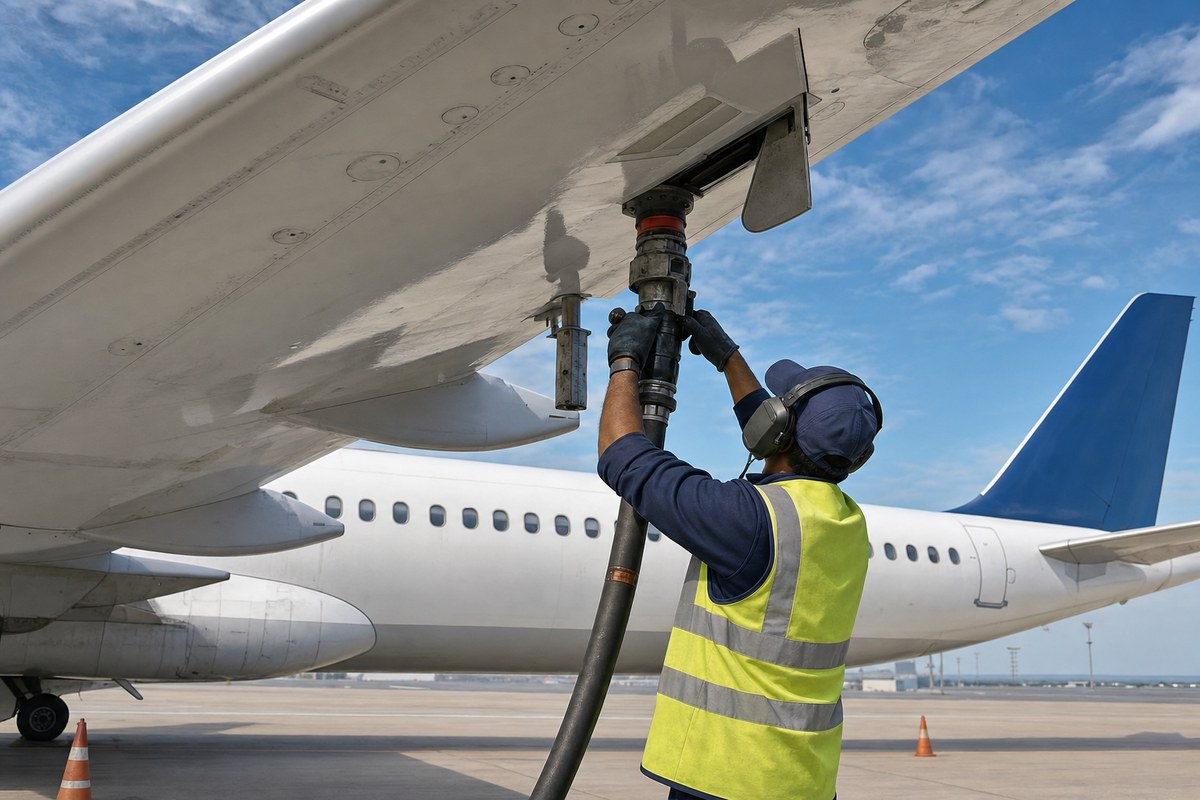
Aviation turbine fuel prices were increased by ₹16 per litre, taking jet fuel to ₹137 per litre for domestic airlines from ₹121 per litre previously. ATF accounts for up to 40 per cent of airlines' operating costs. The increases are attributed to rising international crude oil prices amid escalating tensions in West Asia.
Separately, India's Finance Ministry issued a notification on Wednesday cutting windfall taxes on diesel and ATF exports. The Special Additional Excise Duty on diesel exports was reduced to ₹16 per litre from ₹20 per litre, while the levy on ATF exports was cut to ₹10.50 per litre from ₹15 per litre. The windfall tax on petrol exports remains unchanged at ₹0.50 per litre. The revised rates took effect from October 1 and will remain applicable through October 15, 2026.
Industry impact & what to watch
Jet fuel pricing in India moves on a periodic revision cycle tied to international crude benchmarks, so a ₹16 per litre jump lands directly on carriers' cost base given ATF's outsized share of operating expenses. Because airlines generally cannot reprice fares as quickly as fuel costs change, a move of this size squeezes margins in the near term unless carriers adjust fuel surcharges or capacity.
The parallel cut in windfall export duties on diesel and ATF works in the opposite direction for refiners and exporters, lowering the tax burden on fuel sold abroad even as domestic jet fuel buyers pay more. That split outcome reflects how the same crude price move can simultaneously raise costs for one part of the value chain and ease them for another.
The next revision window, and whether West Asia tensions ease or persist, will determine if the October 1 ATF increase holds through the October 15 cutoff set for the export duty rates or gets revised again alongside it.