FAA Awards $148.8M Contract to Build New ATC Tower at Sacramento Airport, Targeting 2030 Opening
Why It MattersAging tower infrastructure and decade-long planning cycles show how airport capacity upgrades hinge less on traffic growth than on slow-moving federal facility replacement programs.
What happened
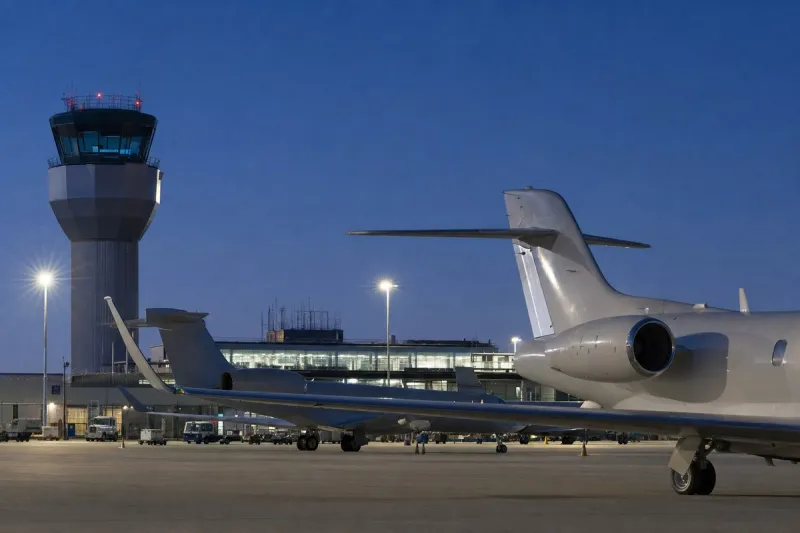
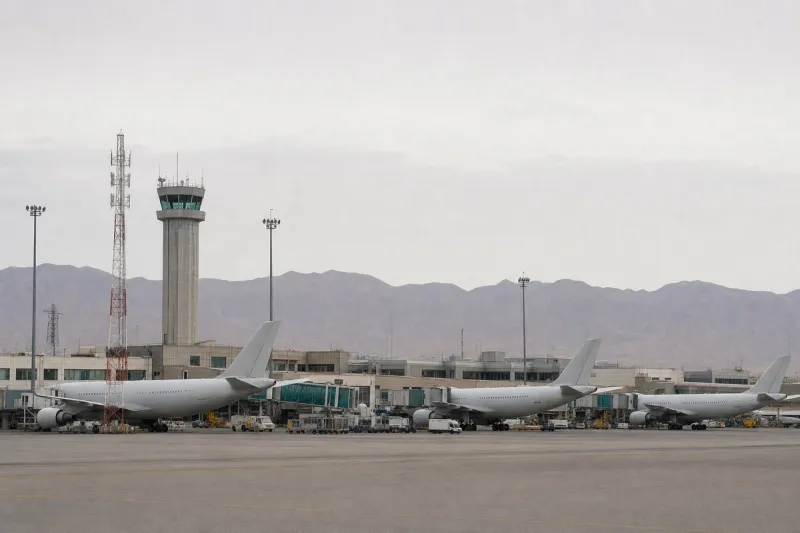
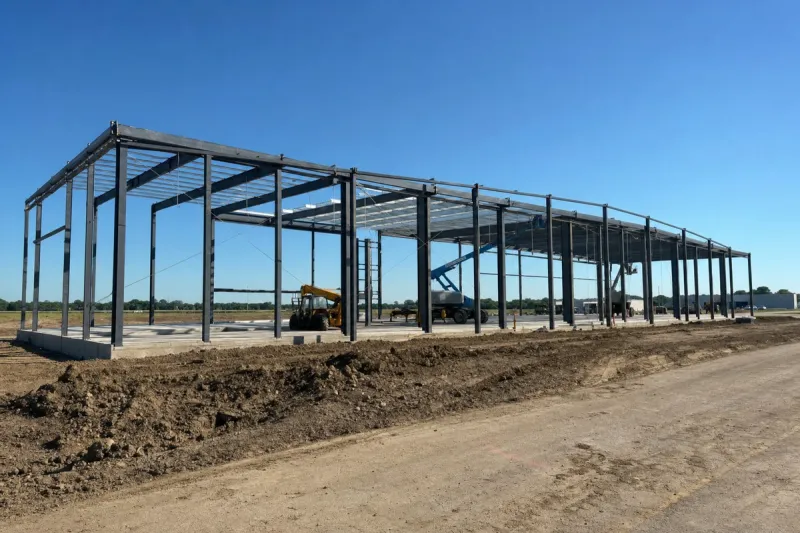
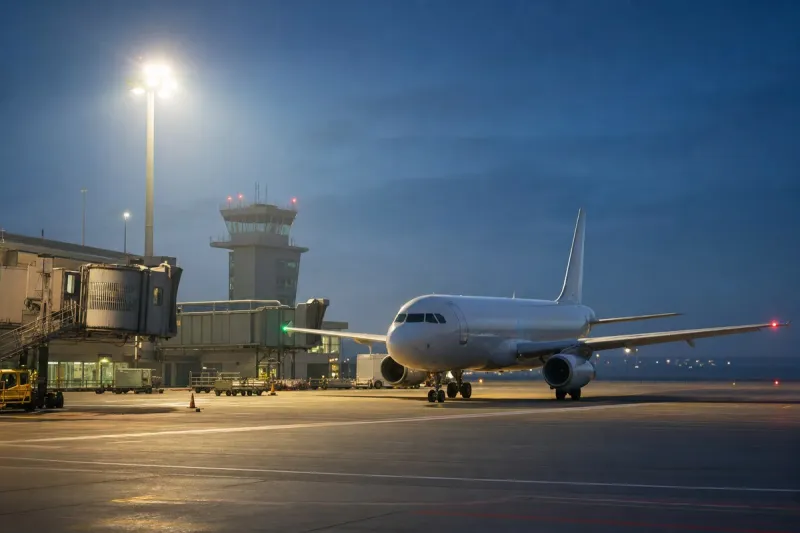
The Federal Aviation Administration has awarded a $148.8 million contract to Walsh Federal, a Chicago-based construction firm, to build a new air traffic control tower at Sacramento International Airport (SMF), with the facility expected to become operational around 2030.
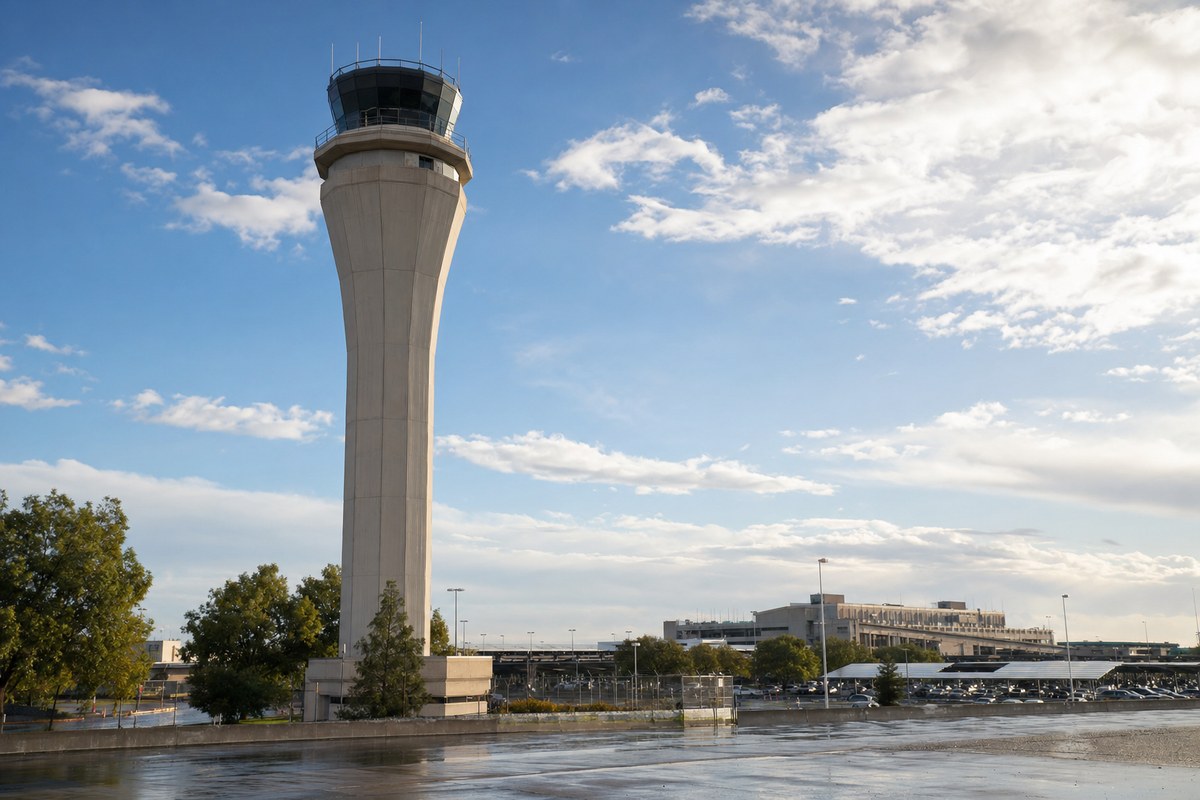
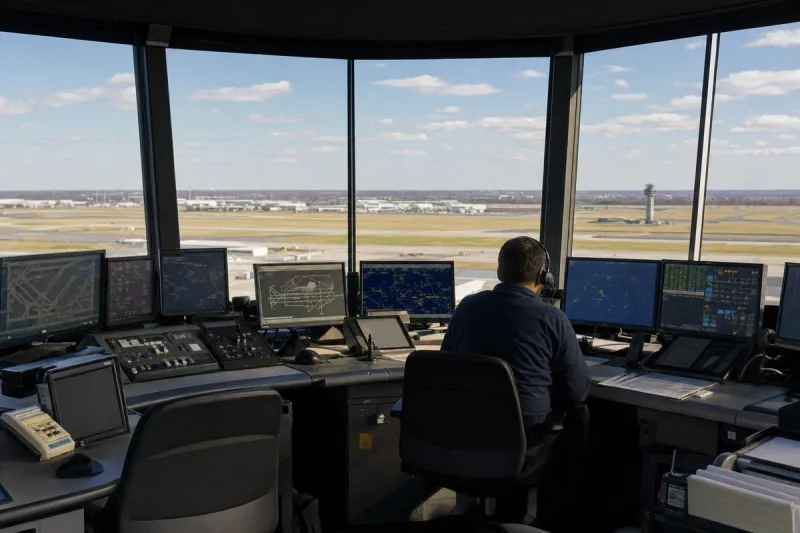
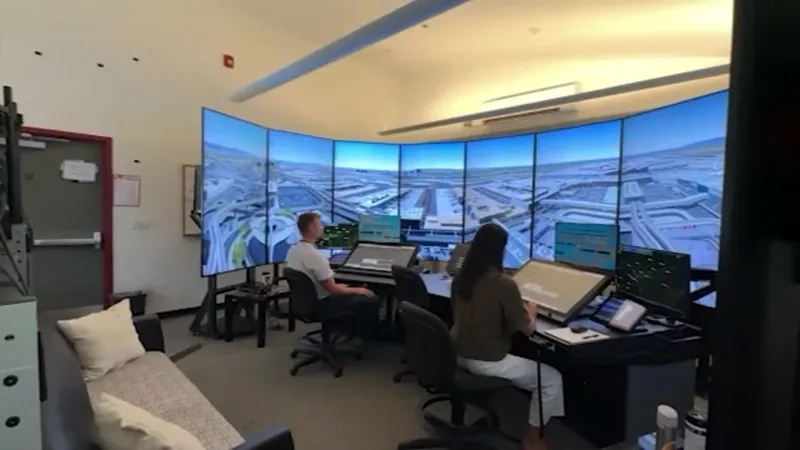
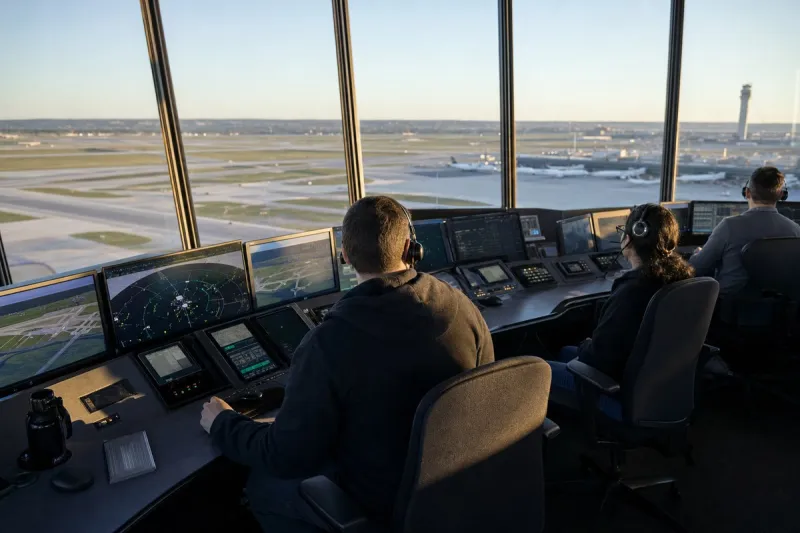
The FAA cited operational and accessibility limitations at the current tower, along with challenges tied to aging facility systems. An FAA environmental assessment released earlier this year found that the existing tower has physical problems and line-of-sight issues caused by buildings constructed after the tower opened. The current tower is typically staffed by five to six controllers, with a minimum of three required. The new tower will feature improved sight lines, a modernized working environment, and enhanced security through relocating critical operations away from public-facing airport areas, according to the FAA.
The project has been in planning for approximately a decade; the FAA first designated SMF as a priority site for a new tower in 2016. SMF handled 13.9 million passengers in 2025, up 2% year over year, with Southwest Airlines the leading carrier, holding more than 50% of passenger market share.
Industry impact & what to watch
This contract award illustrates how air traffic control modernization in the United States typically moves: a facility is flagged as a priority years before funding materializes, and construction timelines stretch across a decade or more even once a site is designated. SMF's path from a 2016 priority designation to a contract award now, with completion targeted around 2030, reflects the long lead times built into federal infrastructure procurement rather than any acceleration tied to current traffic levels.
Tower replacement decisions tend to hinge on physical and safety constraints — line-of-sight obstructions, staffing limits, security exposure — more than on passenger volume growth alone, even as an airport's traffic climbs. SMF's controller staffing minimum and the line-of-sight issues flagged in the environmental assessment are the kind of operational constraints that drive these projects forward once they reach the funding stage.
What happens between now and 2030 will depend on how Walsh Federal's construction schedule holds up and whether the FAA identifies further priority sites facing similar aging-infrastructure pressures.