NBAA News Hour Webinar Reviews FAA Actions on Single-Pilot Exemptions, Medical Certification and Oxygen Requirements
Why It MattersSudden reversals of long-standing exemptions can ripple through training providers, insurance costs and crew scheduling faster than operators or regulators can coordinate a transition.
What happened
NBAA held a News Hour webinar on Oct. 1 examining three recent FAA regulatory actions affecting business aviation operators: single-pilot training exemptions, medical certification, and supplemental oxygen requirements. Heidi Williams, NBAA senior vice-president of operations, moderated the session and said it was intended to highlight NBAA's advocacy work on behalf of its members.

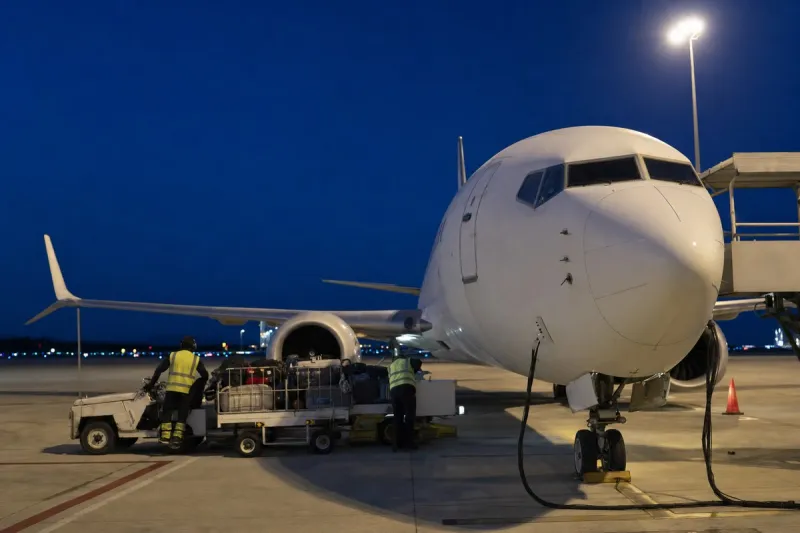
Rob Balzano, CAM, CEO of the Citation Jet Pilots Association (CJP), said the FAA's Sept. 29 rescission of single-pilot training exemptions (SPE) for certain Cessna Citation business jets certified under Part 25 has affected more than 1,200 Cessna operators. He said the rescission has increased operational and insurance costs, created scheduling challenges, raised demand for qualified second-in-command pilots, and forced training providers to revise their programs. NBAA and CJP this week requested a 90-day stay for compliant operators and training providers and called for an FAA-industry working group to develop a collaborative solution. CJP also filed a Freedom of Information Act request for the safety data the FAA used to justify the rescission.
On medical certification, the FAA recently proposed changes to Part 67 that would allow qualifying pilots with type 2 diabetes treated with certain medications to receive standard medical certification from their Aviation Medical Examiner rather than petitioning the agency for a special issuance. Laila Stein, NBAA manager for flight operations, said the proposed change could also benefit other pilots who currently require special issuances, and NBAA said it will support the proposal together with industry partners. The FAA has also extended authorization periods for certain well-managed type 1 diabetes cases from six months to up to 12 months, and unveiled a new FAA MedGuide resource with updated medication information for treating physicians.
On oxygen requirements, the FAA has proposed easing mandatory continuous oxygen mask-wearing requirements for pilots of pressurized aircraft operating under Part 91 and Part 135, a change NBAA has long advocated for. Panelist Paul Scurio, CAM, director of aviation for OC Sunbird Aviation, advised flight departments to evaluate potential procedural changes through their safety management systems and encouraged hypoxia training, noting that individual physiological responses to hypoxia vary.
Industry impact & what to watch
The single-pilot exemption rescission shows how a training-and-credentialing framework that operators had built schedules, insurance arrangements and staffing plans around can be withdrawn with little lead time, pushing costs and compliance risk onto operators who had been flying under the prior rule. Associations like CJP and NBAA responding with a stay request, a proposed working group, and a FOIA request for the underlying safety data is the standard playbook when an industry group believes a rule change was made without adequate consultation.
The medical certification and oxygen proposals move in the opposite direction, loosening special-issuance burdens for pilots with treated type 2 diabetes and reducing mandatory mask-wearing requirements for pressurized-aircraft pilots. Both reflect how AME-level standard certification and continuous safety monitoring (such as the new MedGuide resource) can expand the pool of medically qualified pilots without a parallel increase in agency casework, provided safety management systems absorb the procedural judgment calls, as Scurio suggested flight departments should do for oxygen protocols.
What happens next on the SPE rescission will hinge on whether the FAA grants the 90-day stay NBAA and CJP requested and whether the safety data CJP is seeking through its FOIA request becomes public. The medical and oxygen proposals remain at the proposal stage, so their effect on operators depends on how the FAA's rulemaking process resolves them.