VistaJet Founder Flohr Eyes $10 Billion IPO as Private Aviation Demand Surges 28%
Why It MattersThe surge underscores how subscription-based private jet models are leaning on utilization rates far above owner-flown aircraft to justify scale and capital-market ambitions.
What happened
Thomas Flohr, the Swiss billionaire who founded and chairs VistaJet, said his private aviation group recorded 28% growth in flying hours sold in its most recent quarter and is weighing a market listing that could value his holding company, Vista Global Holdings, at $10 billion. Flohr told Semafor that over 22 years he has built VistaJet into a business generating $2.9 billion in annual revenue, and described "an explosion of demand at the top end" of the market, particularly for long-haul flights, with growth from Asia and Africa driving record sales. He said the technology sector is among the strongest sources of demand, with executives requiring rapid point-to-point travel across multiple continents.
In the Middle East, Flohr said second-quarter sales measured in flying hours were up more than 68% year over year, despite a period during which airspace in the Gulf was closed following US-Israeli strikes on Iran. He said overall Q2 hours signed up in the region rose approximately 50% year over year, calling the rebound comparable to the post-COVID surge in private travel.
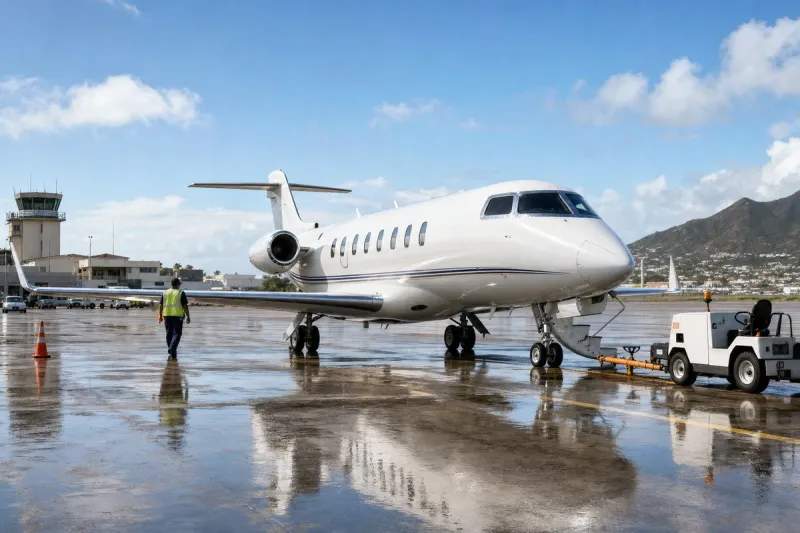
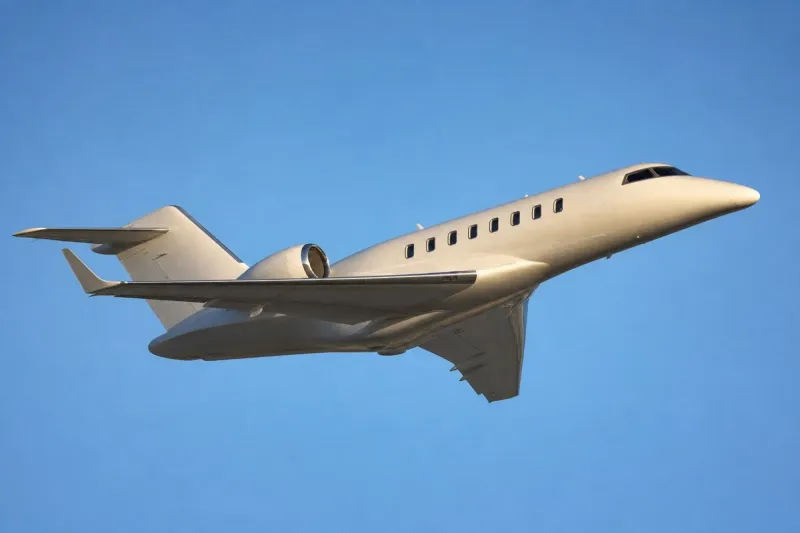
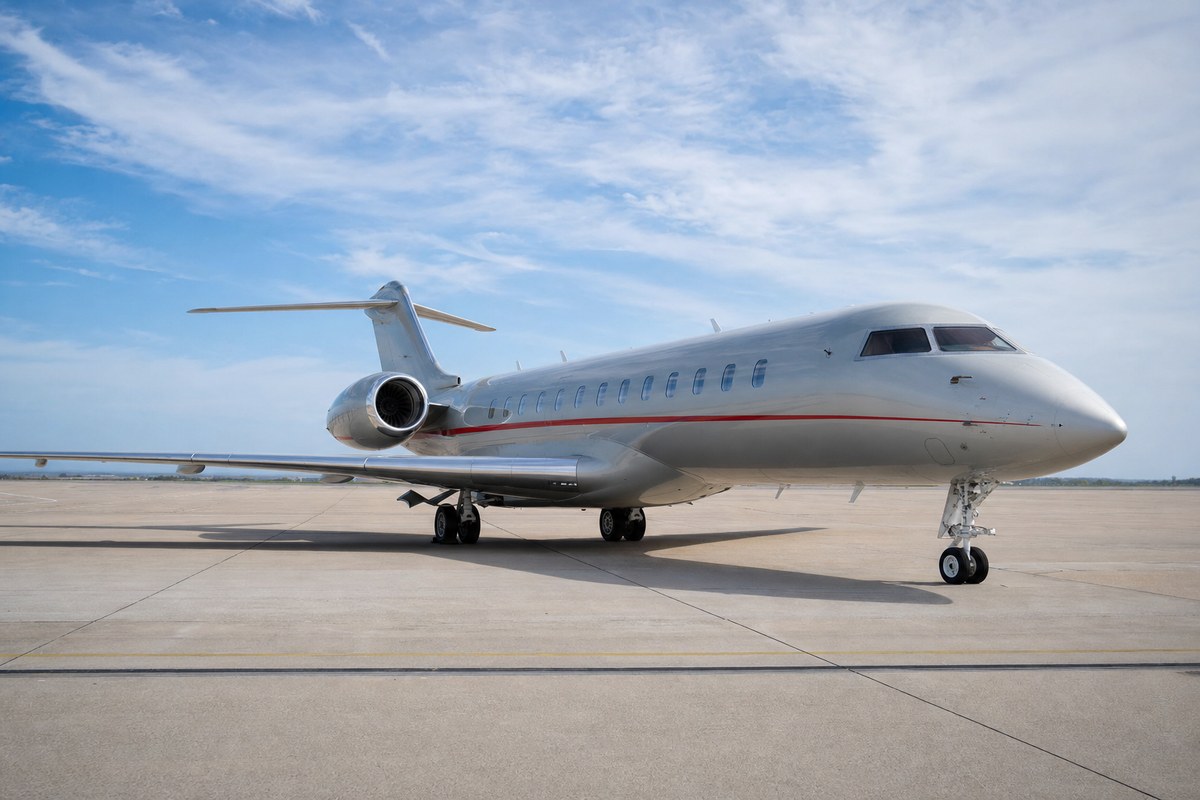
VistaJet operates a subscription model charging between $11,000 and $25,000 per hour. Its fleet of nearly 200 aircraft averages 1,000 flying hours per year, compared with roughly 250 hours for a typical company-owned jet. Flohr holds an order for up to 160 new Bombardier jets to be delivered over the next decade. On a potential IPO, he said Vista Global Holdings is exploring capital market alternatives, including possible listings on European exchanges such as Milan and Zurich, and that Bloomberg has reported an IPO could raise more than $1 billion for the group, whose backers include RRJ Capital and Rhone Group. Flohr declined to commit to a timeline, saying execution and preparation would determine the moment.
Flohr, who also competes as a World Endurance Championship racing driver, said the philosophy of endurance racing — consistent performance, careful analysis, and long-term thinking — underpins how he has run the company. Asked about comments by the US president discouraging purchases of Bombardier jets, he said he had stayed out of politics for 22 years and intended to continue doing so, adding that Vista has a multi-fleet approach and its contracts remain in place.
Industry impact & what to watch
The reported growth sits within a broader pattern of subscription and card-based private aviation operators pointing to demand strength at the top end of the market, where long-haul, multi-continent travel commands premium hourly rates. A regional swing like the Middle East's reported rebound after an airspace closure shows how exposed utilization figures can be to geopolitical disruption even as underlying demand trends upward.
VistaJet's model depends on spreading fixed and semi-fixed aircraft costs across far more flying hours than a typically owned jet achieves, which is why the gap between its reported 1,000 hours per aircraft and roughly 250 hours for owner-flown jets matters to the economics of any IPO valuation. A $10 billion valuation target would need to be tested against actual revenue multiples once a listing process, if pursued, moves from exploration to filing.
What happens next depends on which exchange Flohr chooses, if any, and whether Vista Global Holdings formalizes the capital markets process he described as still under exploration. The size of the Bombardier order — up to 160 jets over a decade — and how political commentary around that manufacturer plays out will also be worth tracking given Flohr's stated multi-fleet approach.