Super Midsize Jets Lead Business Aviation with 32.6 Flight Hours Per Tail Through May 2026
Why It MattersSustained utilization at the top of the fleet hierarchy signals steady corporate and charter demand for mid-range, multi-passenger missions even as broader market growth comparisons level off against prior years.
What happened
Super midsize jets recorded 32.6 flight hours per tail year-to-date through May 2026, the highest utilization among all business aviation segments tracked, according to the May 2026 JETNET and WINGX market monitor. Activity in the segment was 19.9% above 2019 levels and 3.0% ahead of the same period in 2025.
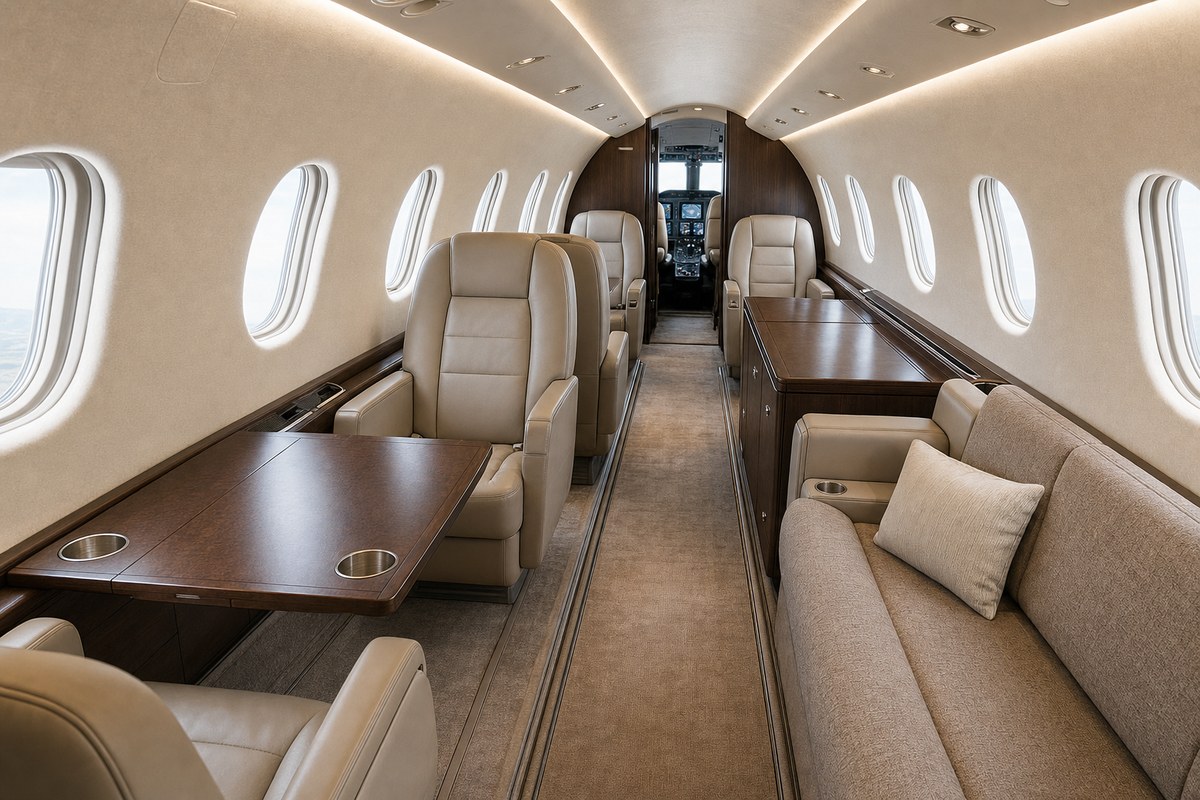
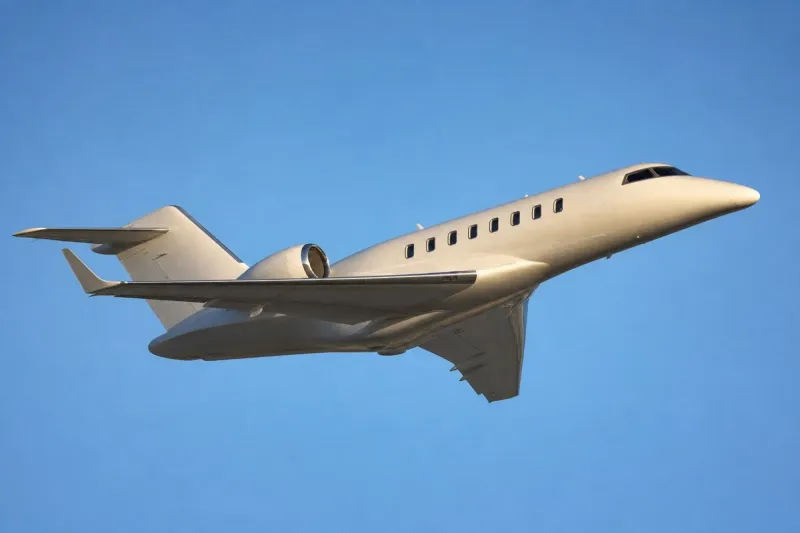
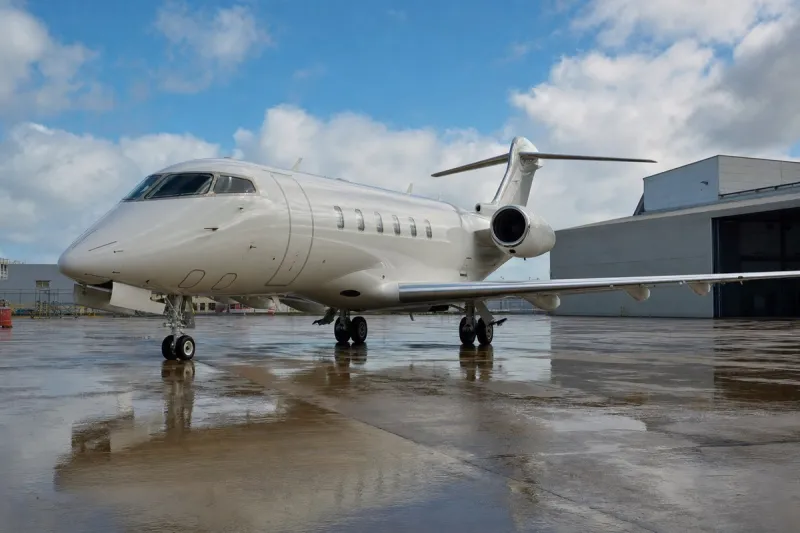
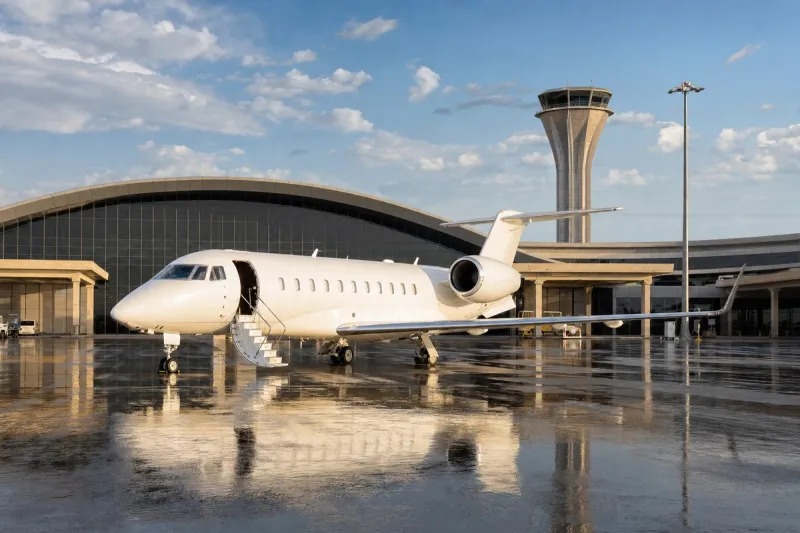
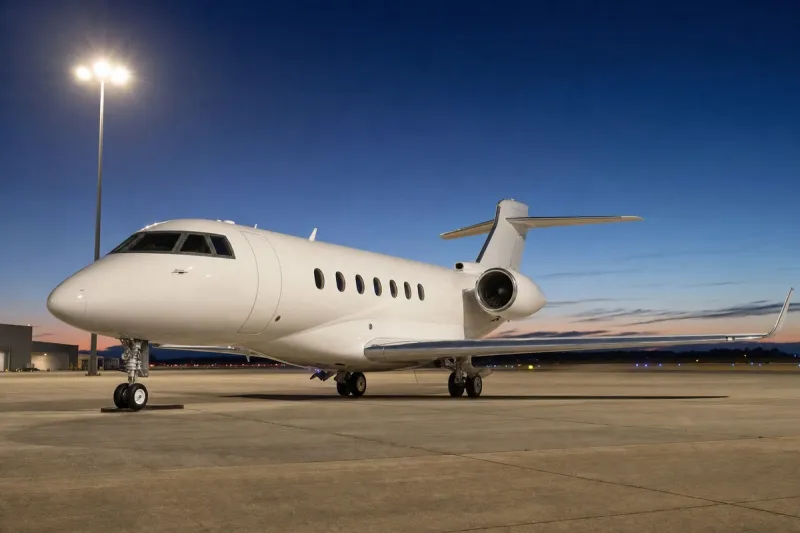
The segment is commonly configured for 6 to 9 passengers, with cabin heights of roughly 5'9" to 6'2", flat-floor interiors, and baggage capacity commonly reaching 80 to 100 or more cubic feet. Most broker definitions center on 8 to 10 seats and a standard-mission range of 2,800 to 3,600 nautical miles, with maximum-range figures reaching approximately 4,500 nautical miles and cruise speeds generally between 450 and 528 KTAS.
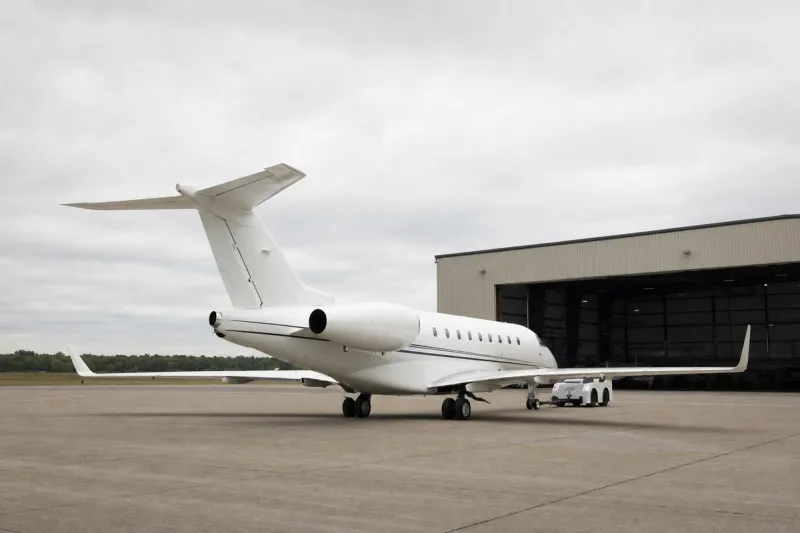
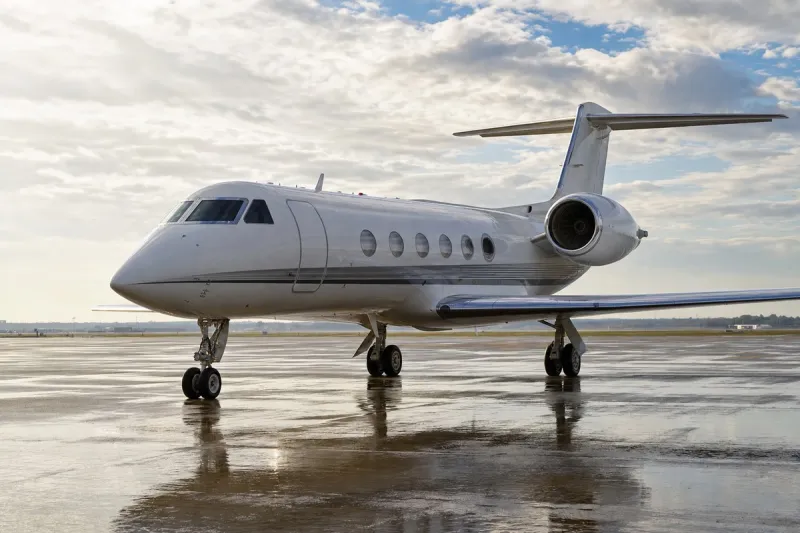
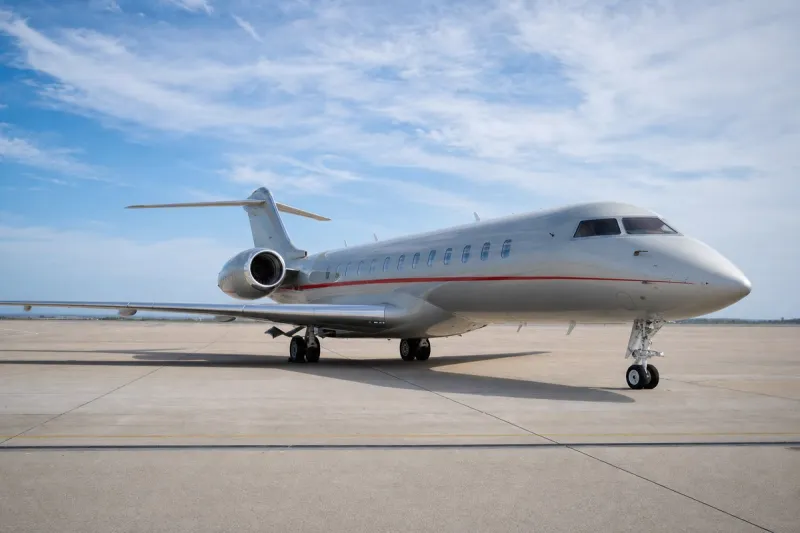
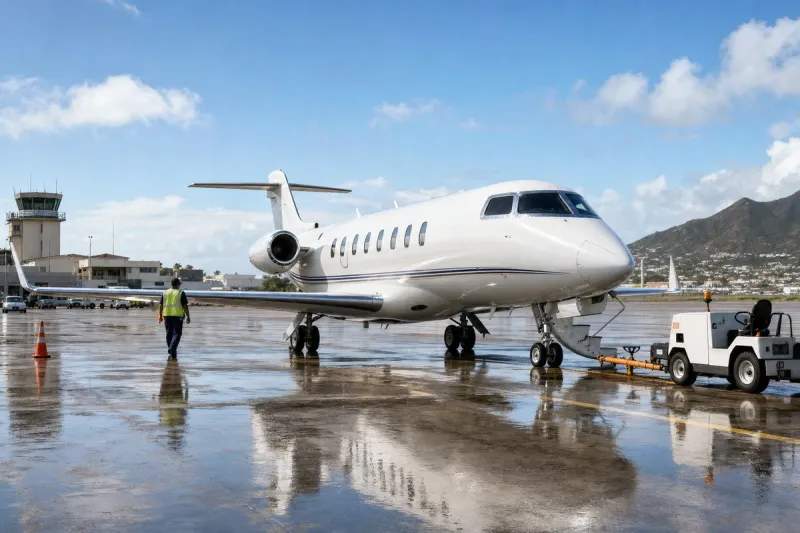
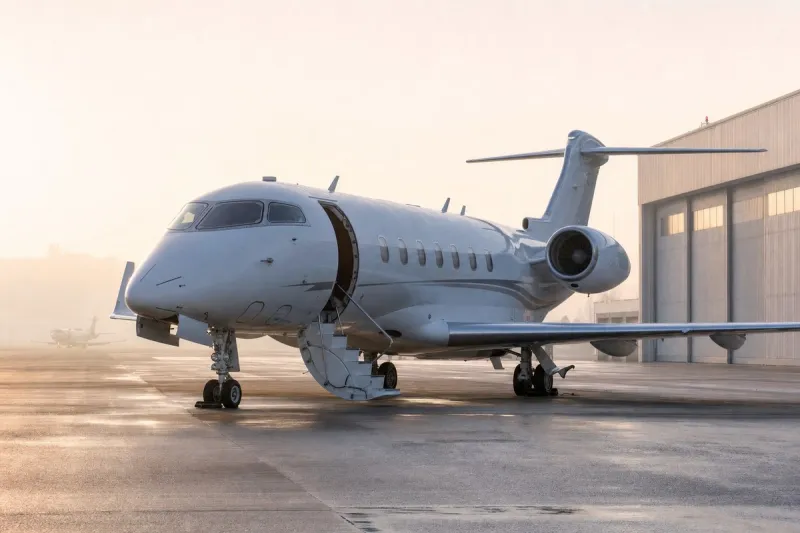
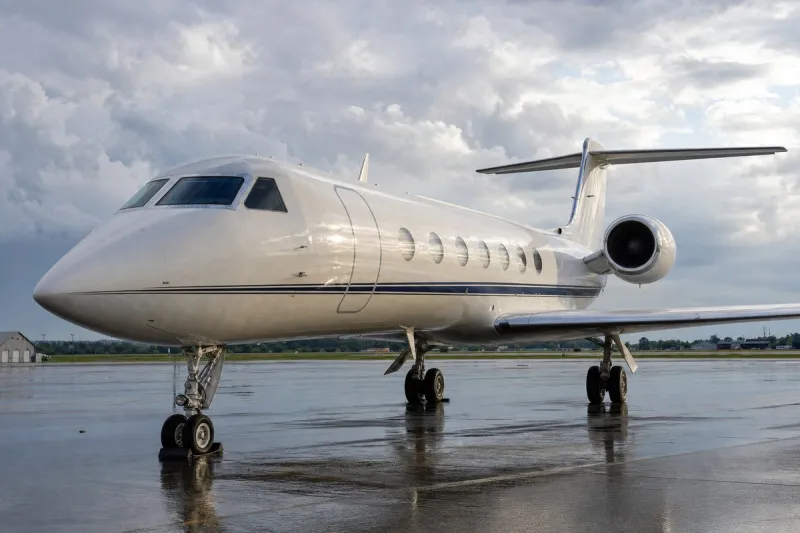
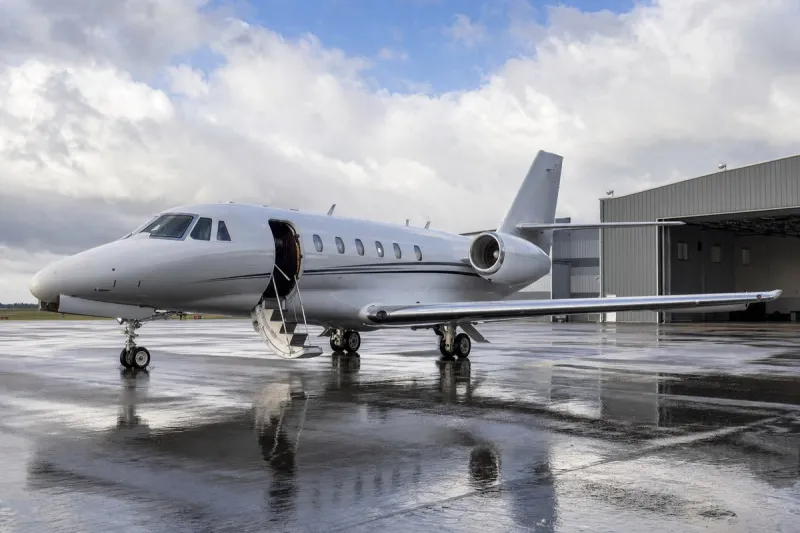
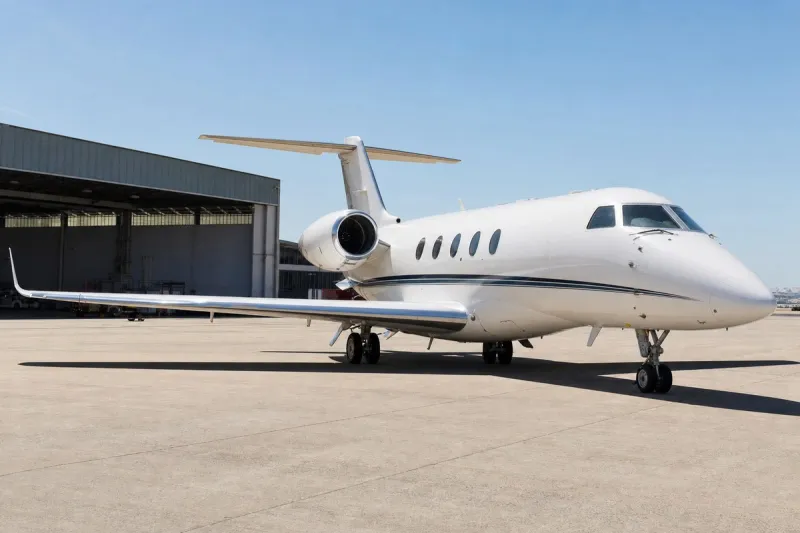
The Bombardier Challenger 350 is the segment's best-selling platform, with more than 1,050 aircraft delivered between 2014 and 2023, according to The Flying Engineer's 2026 private jet types guide. The Gulfstream G280 entered production in 2012 and recorded 250 deliveries by March 2023. Across the category, an average of 112 super midsize jet deliveries were recorded annually between 2018 and 2022. Representative aircraft including the Embraer Praetor 600, Cessna Citation Longitude, and Bombardier Challenger 3500 are published with ranges of approximately 3,900 to 4,620 nautical miles and takeoff distances of around 1,438 to 1,474 meters, according to IBC Aviation's comparison of midsize and super midsize jets, with actual dispatch performance varying by weight, temperature, runway elevation, wind, and regulatory requirements.
Industry impact & what to watch
Utilization running ahead of both 2019 and the prior year in the same window points to a segment absorbing demand across several mission types at once — corporate travel, regional connectivity, coast-to-coast sectors, and recurring multi-passenger trips — rather than depending on any single use case.
The super midsize class sits between midsize and large-cabin aircraft precisely because it can serve this range of missions with 8 to 10 seats and standard-mission range up to 3,600 nautical miles, and its broad operator base spanning corporate, charter, fractional, and owner-flown operations helps keep crew availability, maintenance expertise, and pre-owned comparables liquid. High delivery volumes from the Challenger 350 and steady output from the G280 have built a sizable in-service fleet, which in turn supports the utilization base being measured.
The next utilization readings from JETNET and WINGX will show whether the 3.0% year-over-year gain through May holds as 2026 progresses, and whether other segments close the gap with super midsize or fall further behind.