Business Aviation Faces Broad Workforce Challenges Across Pilots, Technicians and Management
Why It MattersPersistent shortages across flight crew, maintenance and management ranks are pushing operators to compete on total rewards and succession planning rather than salary alone, reshaping how flight departments retain talent.
What happened
Corporate flight departments, charter operators, fractional providers and aircraft management companies are competing for a limited pool of qualified professionals across pilots, maintenance technicians, flight attendants, schedulers, dispatchers and aviation managers, according to industry observers in business aviation.

Pilots are described as the most visible staffing concern, with commercial airlines continuing to draw experienced aviators away from corporate flight departments and charter operators by offering competitive compensation, defined career paths and predictable schedules. Business aviation employers trying to retain or replace experienced captains must compete on salary, scheduling, benefits, retirement programs, training opportunities and career development.
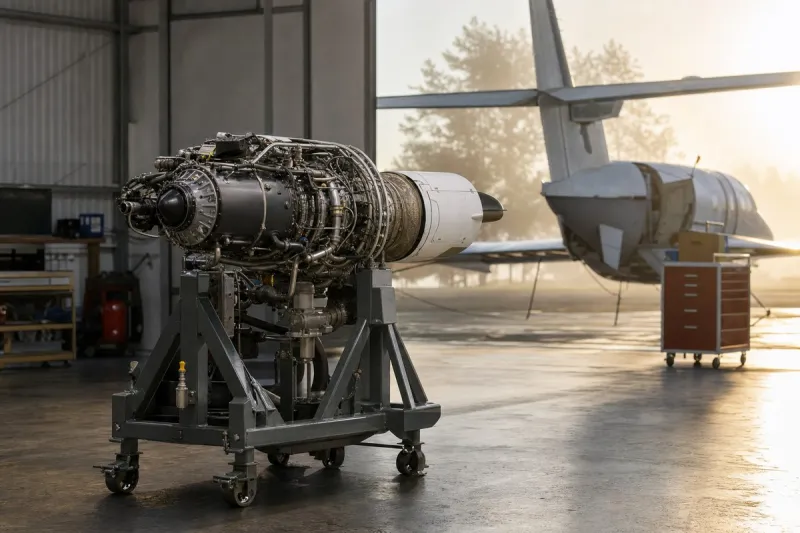
Maintenance technicians are identified as a critical underlying bottleneck. Modern business jets require technicians certified and experienced in advanced avionics, digital flight controls, composite materials and complex propulsion systems. The median age of business aviation maintenance technicians is approximately 54, and the U.S. Bureau of Labor Statistics projects 13,100 openings per year for aircraft and avionics technicians through 2035, with retirements accounting for a large share of those vacancies.
Compensation analysis in the sector is described as needing to account for the full rewards package — base salary, incentive pay, overtime, per diem, retirement contributions, health benefits, paid time off, training, fleet premiums, and signing and retention incentives — rather than base salary alone, with quality of life and scheduling increasingly treated as a component of total compensation. At the management level, director of aviation and chief pilot roles require operational expertise alongside skills in human resources, finance, insurance, aircraft acquisition and executive relations, and a succession-planning gap is emerging as experienced managers retire without internal successors in place.
Industry impact & what to watch
This describes a labor market where business aviation sits downstream of the airlines in the hiring chain: carriers draw pilots with scale advantages in pay structure and schedule predictability, leaving smaller operators to compete on the softer elements of a compensation package rather than headline salary. The same dynamic is now visible in maintenance, where a workforce averaging 54 years old is approaching retirement faster than new technicians can clear the training curve for advanced avionics, composites and complex propulsion systems.
In this segment, total-rewards design is becoming the primary retention lever precisely because base pay alone cannot match airline offers; operators that can price scheduling predictability, retirement contributions and training investment as part of compensation are better positioned to hold onto captains and technicians than those competing on salary alone. The same logic extends upward to management, where director of aviation and chief pilot roles combine operational and business skills that take years to build internally.
What remains to be seen is whether individual flight departments and management companies build internal succession pipelines for both technicians and directors of aviation before the wave of retirements implied by the 13,100 annual technician openings materializes, or whether the gap widens further as experienced staff exit without replacements in place.