Western Sydney International Airport to Open October 26 with 24/7 Operations, A$19 Billion in Total Infrastructure Investment
Why It MattersRemoving the curfew constraint that limits scheduling at Sydney's main airport gives long-haul and freight carriers a flexibility that shapes where capacity gets added in a constrained metro market.
What happened
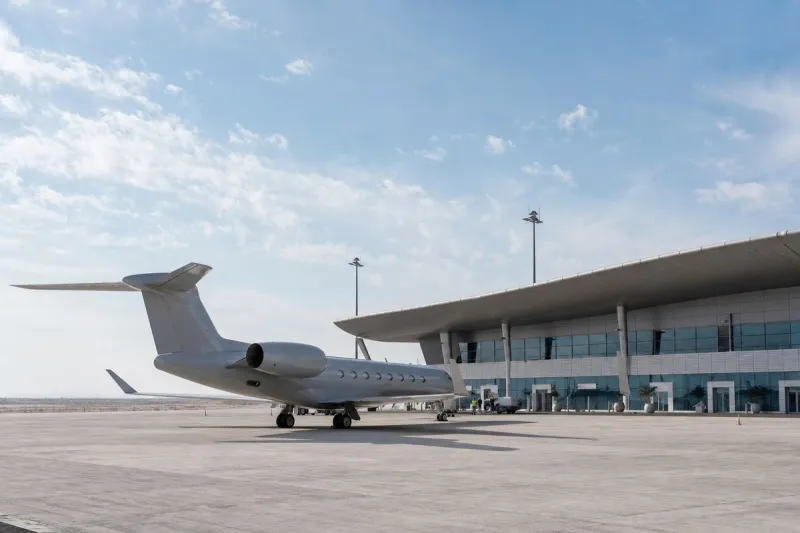
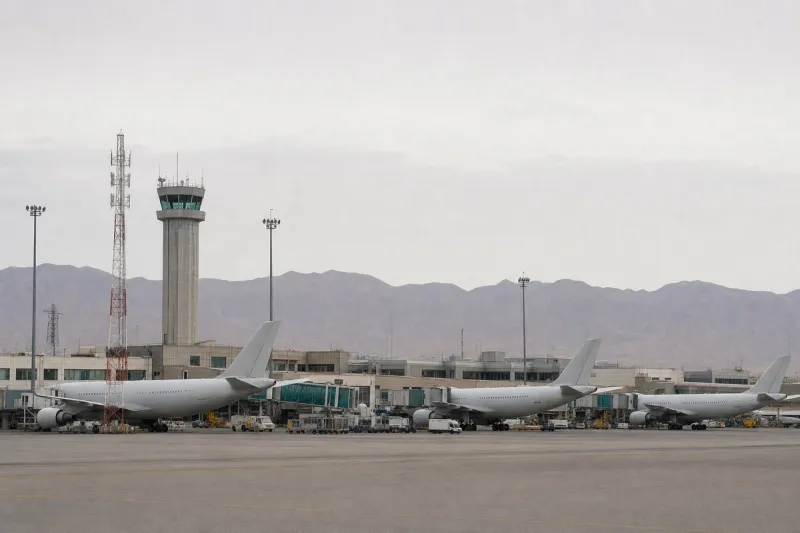
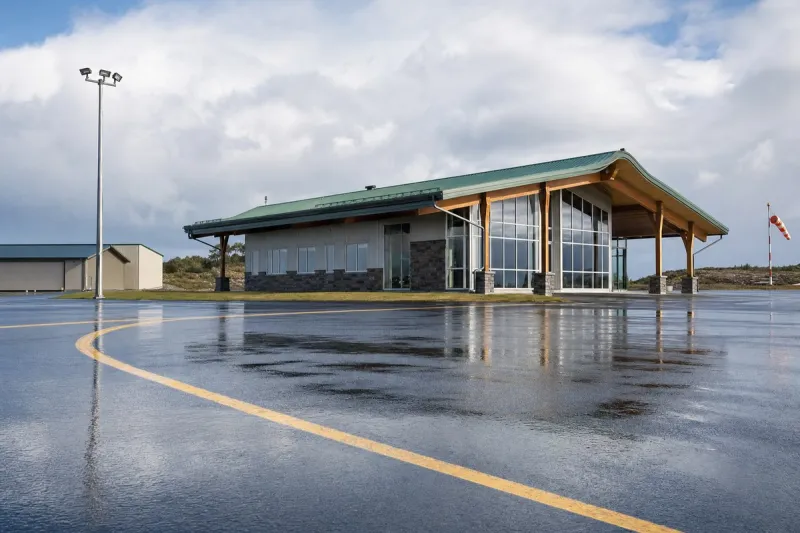
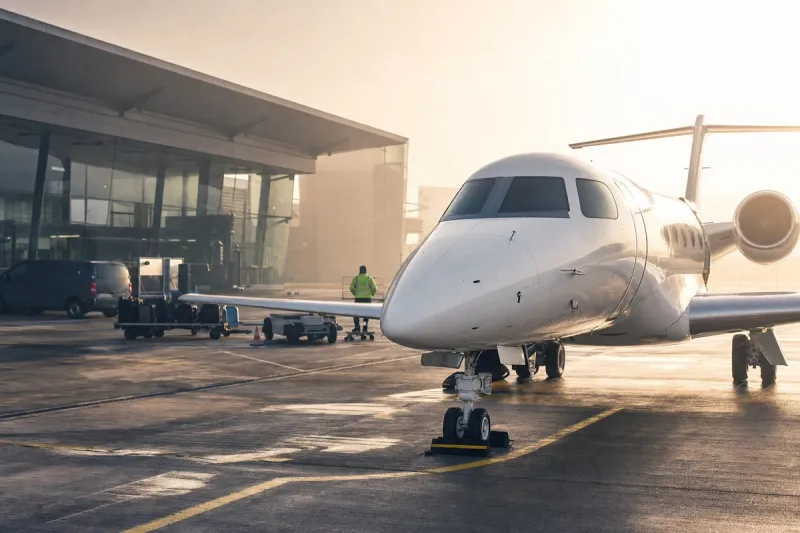
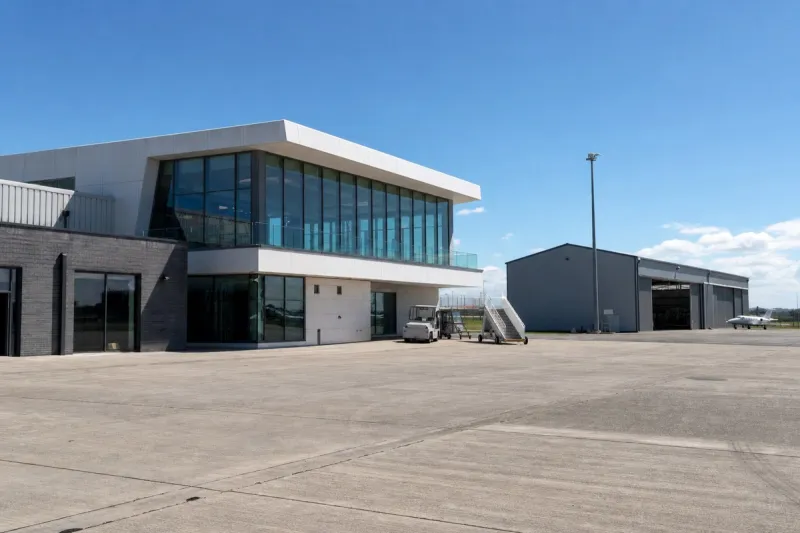
Western Sydney International (Nancy-Bird Walton) Airport is scheduled to open on October 26 on a 1,780-hectare Commonwealth site at Badgerys Creek, approximately 50 kilometres west of Sydney's central business district, becoming Australia's first major greenfield airport in more than 50 years.
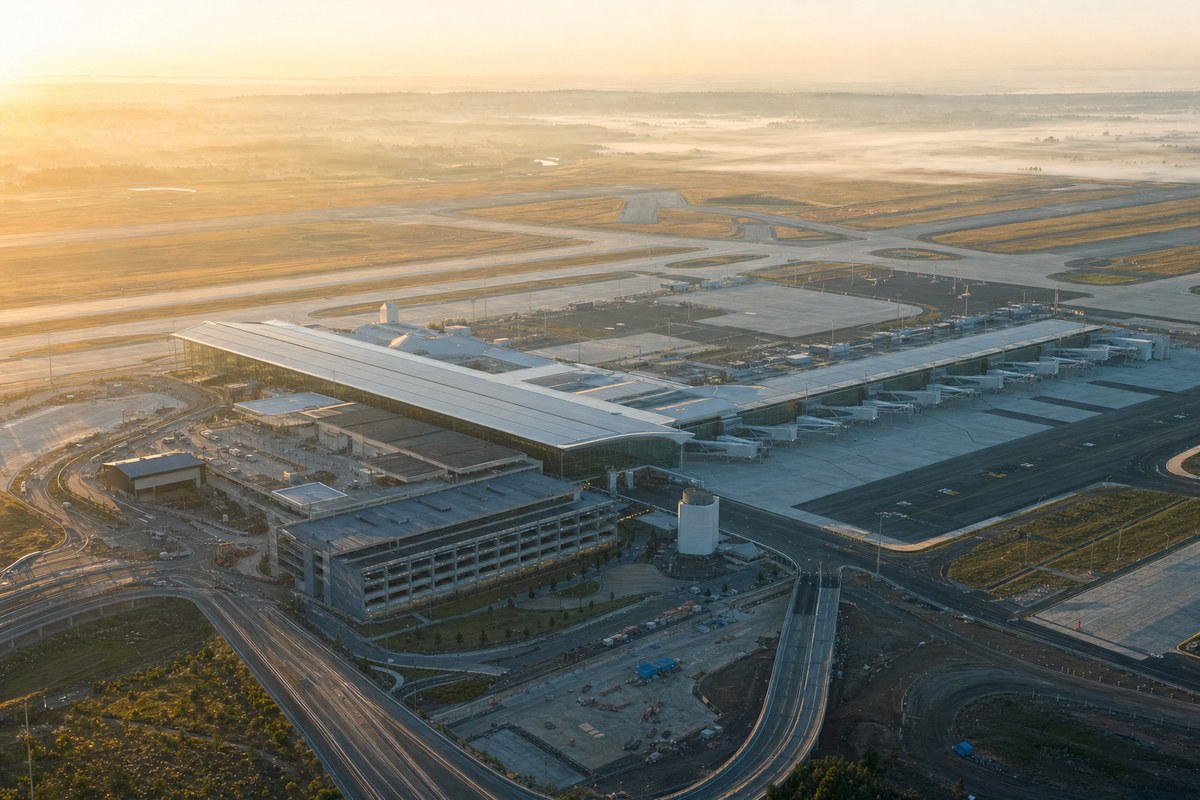
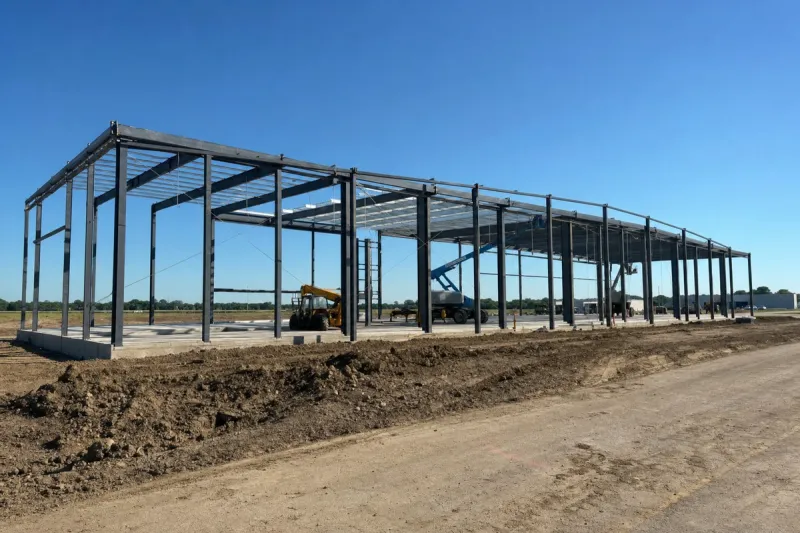
The project's total associated investment stands at nearly A$19 billion, according to Australia's federal government. The terminal itself cost approximately A$5.3 billion, the Sydney Metro Western Sydney Airport rail connection added A$11 billion, and the Western Sydney Infrastructure Plan covering roads and motorway upgrades contributed roughly A$4.4 billion more. A dedicated freight precinct costing approximately A$805.4 million has already been completed.
The airport will operate 24 hours a day, seven days a week, with no nighttime curfew, unlike Sydney Kingsford Smith Airport (SYD), which prohibits most aircraft movements between 11:00 PM and 6:00 AM. Singapore Airlines has already announced that its inaugural WSI service will depart at 11:55 PM, a schedule that curfew regulations at Kingsford Smith would prohibit.
Qantas and its low-cost subsidiary Jetstar are the most committed airline partners to date, together planning to base up to 15 narrowbody aircraft at WSI within its first year — ten for Jetstar and five for Qantas — supporting more than 25,000 flights annually and transporting approximately four million passengers in year one. Qantas Freight plans to begin freight operations from the airport in July 2026, roughly three months before passenger services commence, with the new freight facilities projected to increase Sydney's overall air cargo capacity by approximately 33 per cent.
Initial passenger capacity is set at 10 million annually from a single terminal. The airport's modular design allows staged expansion, with planners projecting capacity of 20–30 million passengers in an early expansion phase and up to 82 million annually by the 2060s. Government planners intend WSI to anchor an 'aerotropolis' economic zone in Western Sydney, one of Australia's fastest-growing population regions.
Industry impact & what to watch
Western Sydney International belongs to a category of large infrastructure bets that pair a new terminal with transit and road spending, here split roughly between a A$5.3 billion terminal, A$11 billion in rail and A$4.4 billion in road upgrades. The curfew-free design is the structural differentiator: Sydney's constrained airport slot and curfew regime has long limited how carriers schedule long-haul and freight operations, and a second runway system with 24/7 access changes where that capacity can go, as Singapore Airlines' late-night inaugural slot already shows.
How the segment typically works is that a new airport's early years are defined by anchor-carrier commitments rather than total market demand — here Qantas and Jetstar basing up to 15 narrowbody aircraft and targeting four million passengers in year one gives WSI its initial traffic base, while cargo arrives even earlier through Qantas Freight's July 2026 start, ahead of passenger operations by roughly three months.
What remains to be seen is how quickly other international carriers beyond Singapore Airlines commit slots, and how the staged expansion from 10 million to a projected 20–30 million passengers actually tracks against the aerotropolis development plans surrounding the site.