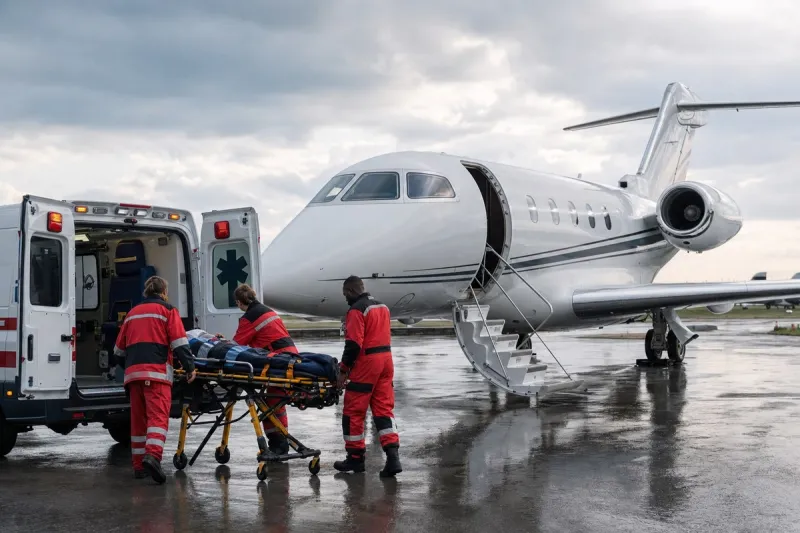
Ground incidents account for 64% of aviation occurrences in 2023, with ground damage costs forecast to reach $10 billion by 2035
Why It MattersThe data suggests ground handling, not flight operations, is the segment where safety-management maturity and turnaround discipline most directly determine operators' loss exposure going forward.
What happened
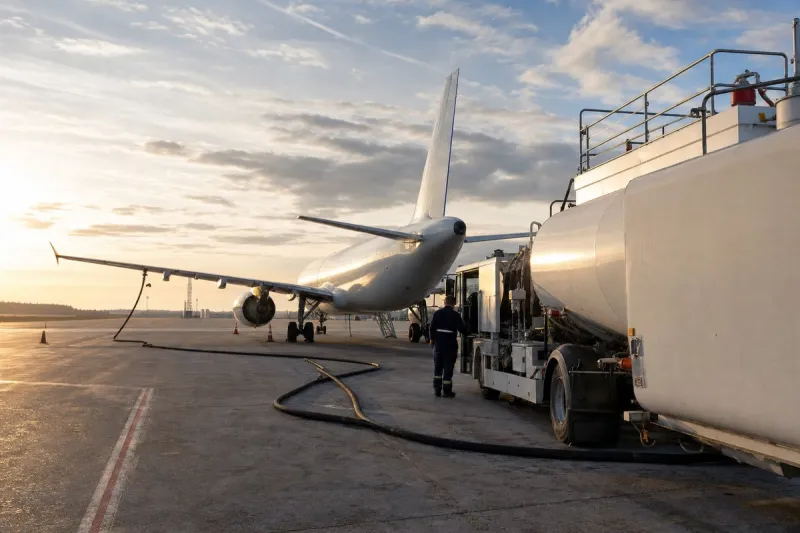
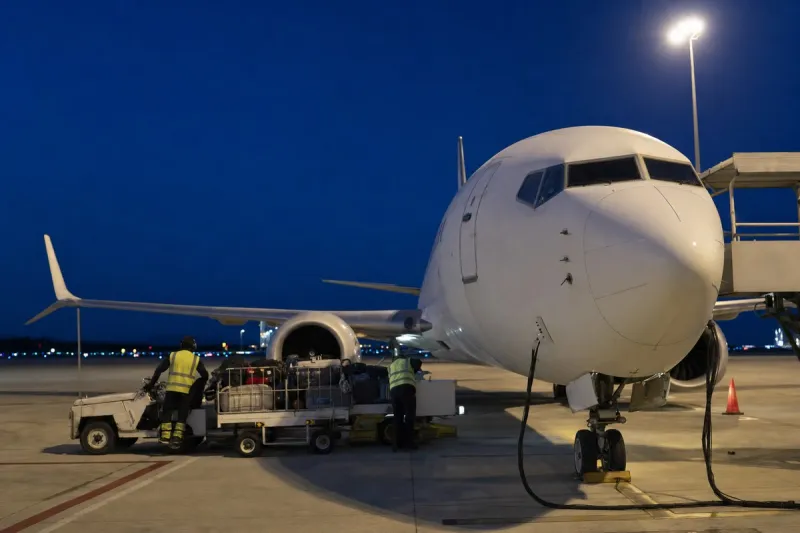
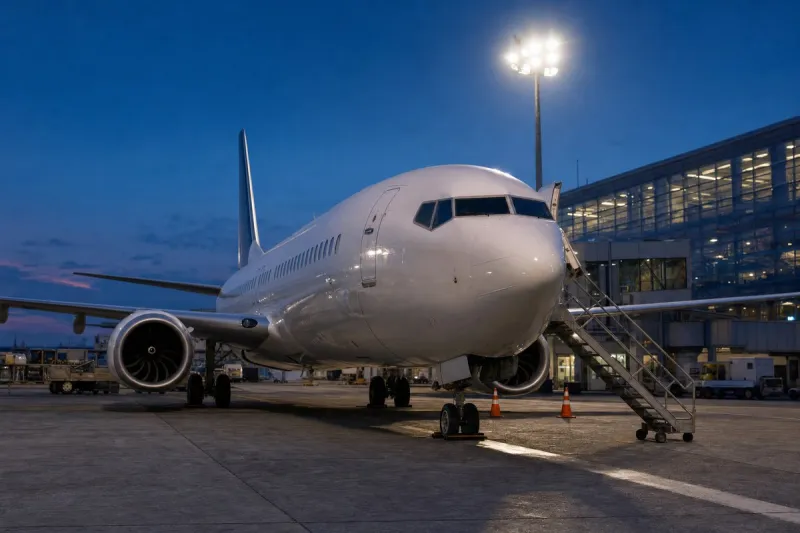
Research from loss adjusters found that 64% of worldwide aviation incidents occurred on the ground in 2023, a figure the research says underscores that ground handling poses a greater statistical risk than flight operations. IATA estimates that the annual cost of aircraft ground damage could nearly double to US$10 billion by 2035 without preventive action.
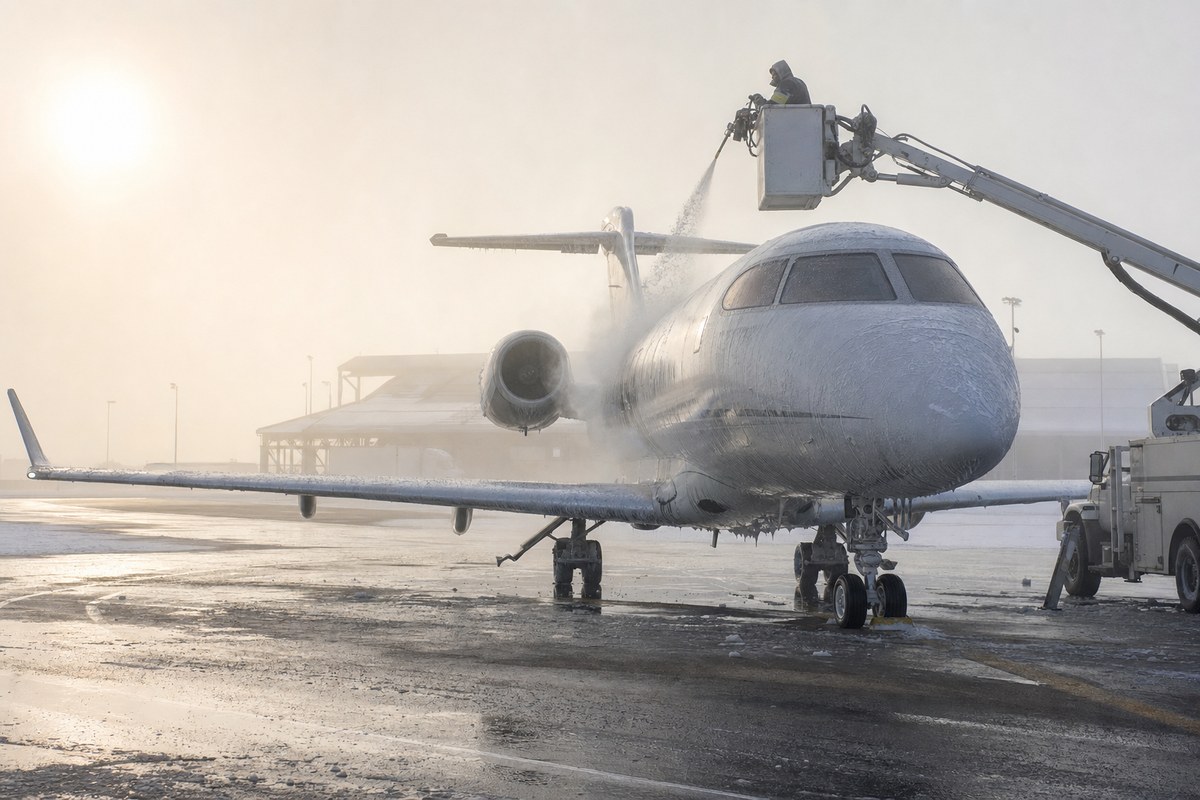
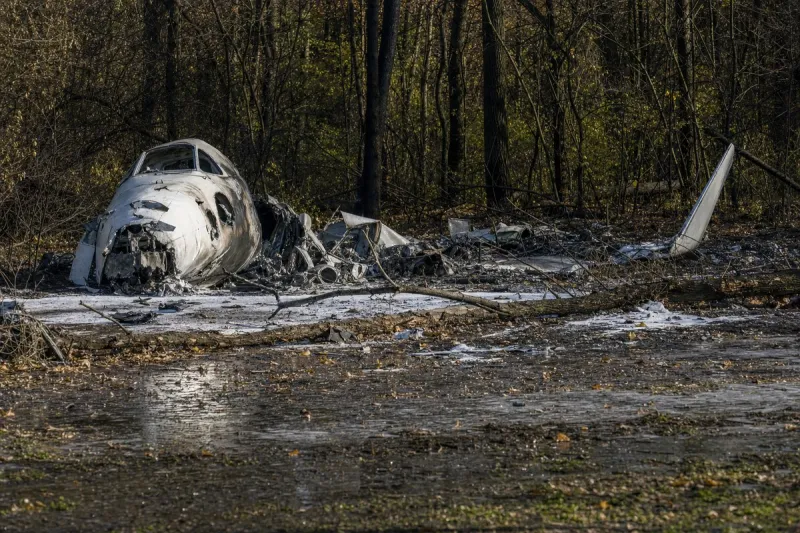
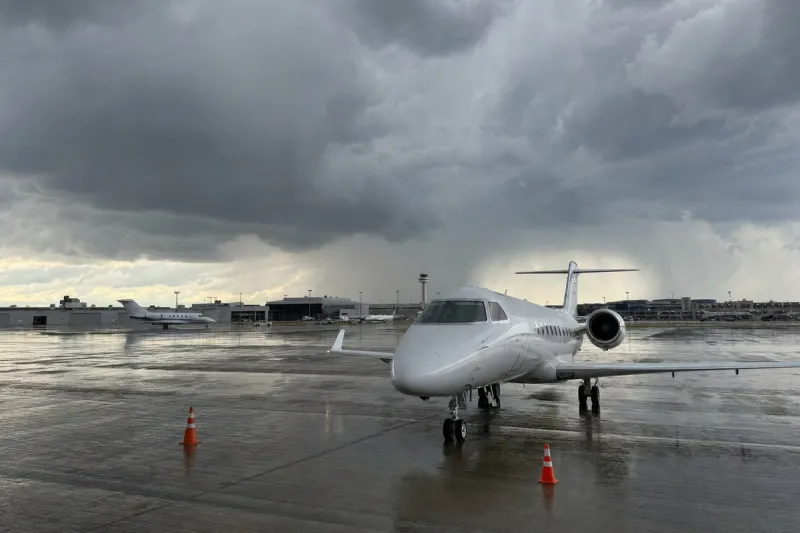
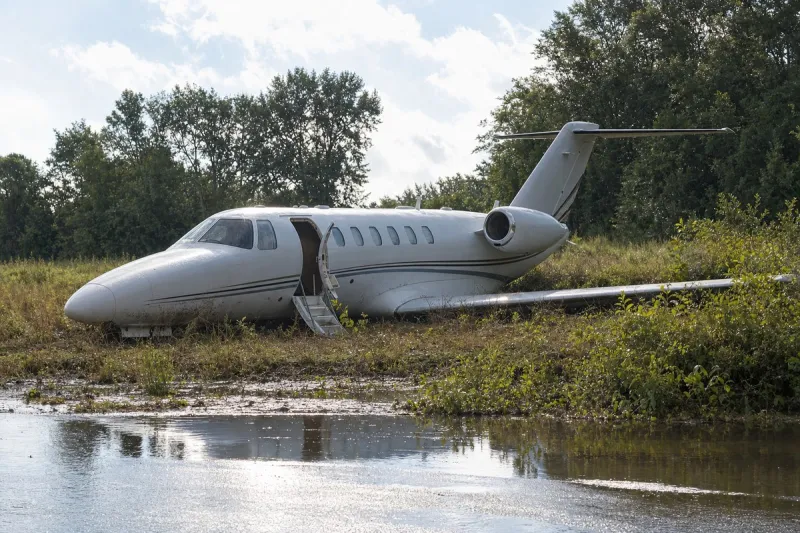
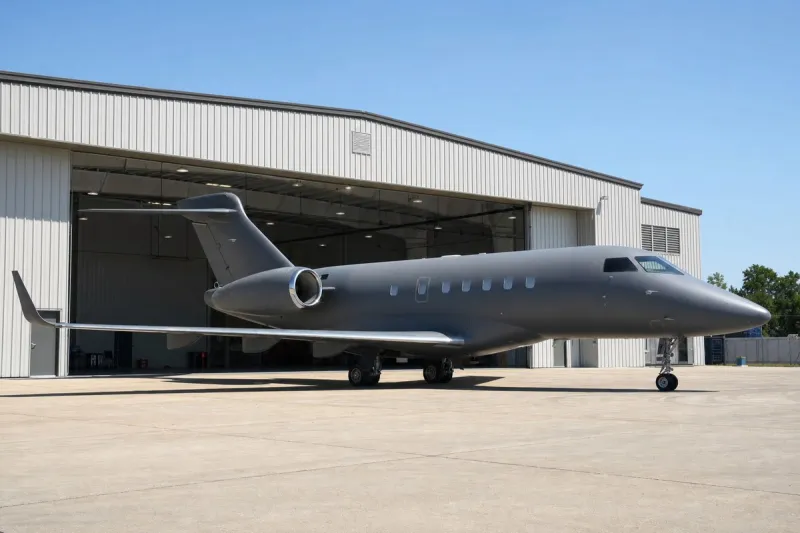
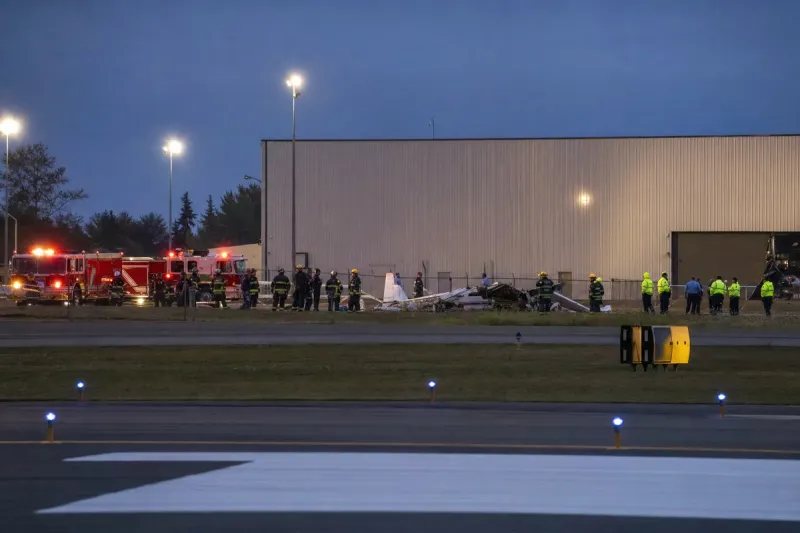
The fatal Bombardier Challenger 650 accident at Bangor, USA, in January 2026 is cited as an illustration of the consequences: the aircraft began its take-off roll more than 17 minutes after anti-icing application began, despite a maximum holdover time of only nine minutes under prevailing conditions, according to the National Transportation Safety Board's preliminary report. Ground handling events are described as extending beyond visible aircraft damage to include loading errors, unsecured cargo, dangerous goods incidents and incorrect de-icing — failures that may go undetected until an aircraft is airborne.
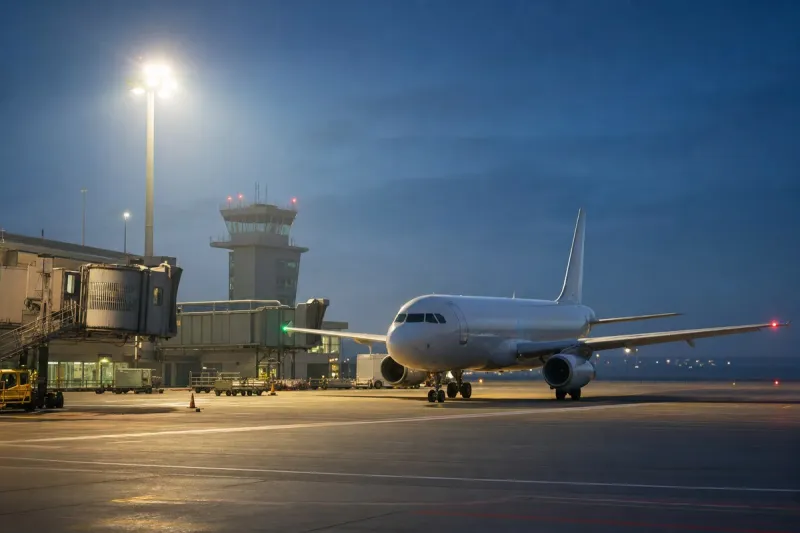
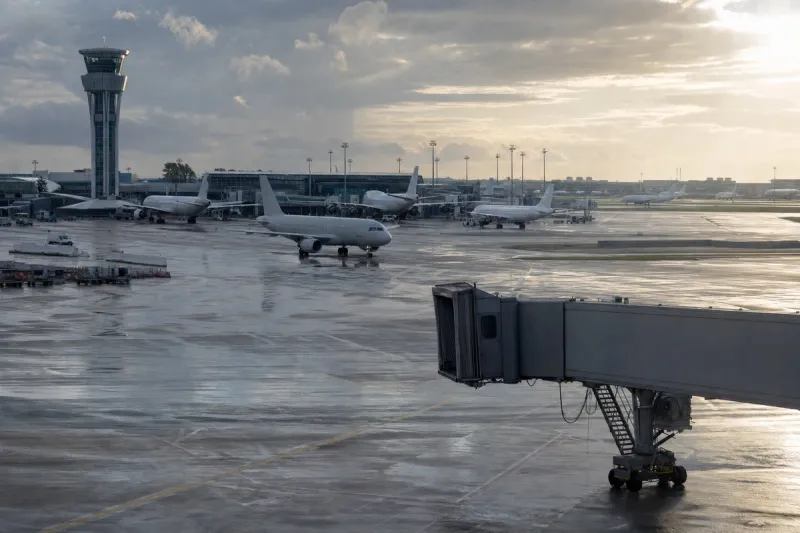
A review of business aviation studies published between 2010 and 2023 found that operators with advanced Safety Management System (SMS) implementation experienced up to a 35% reduction in incident frequency. Accident rates for SMS operators were reported at 0.15 per 100,000 flight hours, compared with 0.39 per 100,000 flight hours for operators without an SMS. Organisations with mature SMS frameworks also achieved 50–70% higher reporting rates and 40% greater regulatory compliance, and the review identified annual savings of around $200,000 in some cases through improved operational efficiency. The turnaround window — typically around 45 minutes — is identified as the most operationally demanding phase, involving multiple organisations working around the same aircraft under time pressure.
Industry impact & what to watch
The Bangor accident and the 64% ground-incident share point to the same underlying pattern: aviation risk concentrates in the brief, multi-party window on the ramp rather than in the air, where de-icing timing, loading and cargo securing all have to be right under time pressure. The 45-minute turnaround is the stage where that risk is most concentrated, because several organisations are working on the same aircraft at once and an error — like a holdover time exceeded before take-off — may not surface until the aircraft is airborne.
The SMS comparison shows how this segment actually prices and manages that exposure: operators with advanced SMS implementation recorded 0.15 accidents per 100,000 flight hours against 0.39 for those without, alongside higher reporting rates and regulatory compliance and reported savings near $200,000 annually in some cases. IATA's forecast that ground damage costs could reach $10 billion by 2035 without preventive action frames the scale of what weak ground-handling discipline could cost the industry if current practice persists.
The review's own caveat is the condition to watch: an SMS without visible leadership commitment and a positive reporting culture risks becoming a compliance formality rather than a functioning safety tool, so the NTSB's final findings on the Bangor accident and how operators respond to the holdover-time failure it describes will matter more than the existence of an SMS on paper.