Severe Weather Triggers Ground Stop and Delays at Dallas-Fort Worth and Dallas Love Field on October 1
Why It MattersSevere-weather ground stops show how a single storm system can cascade delay risk across multiple Texas airports at once, forcing carriers and controllers to manage schedules region-wide rather than airport by airport.
What happened
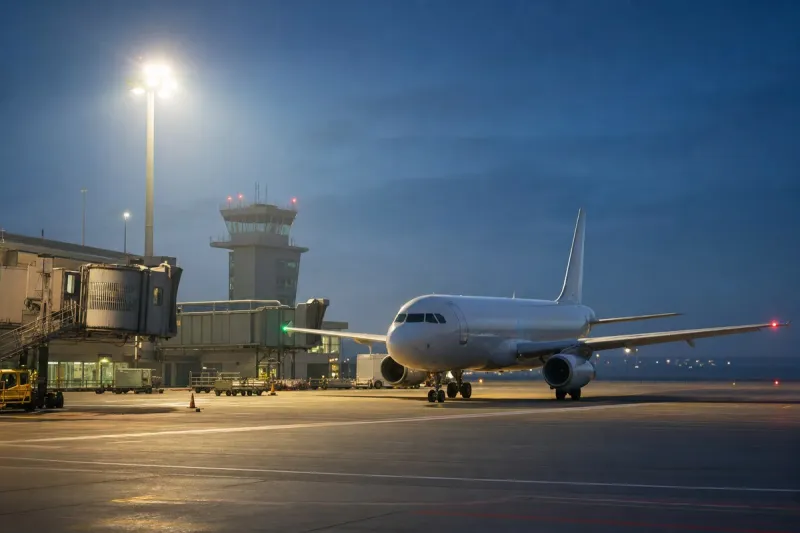
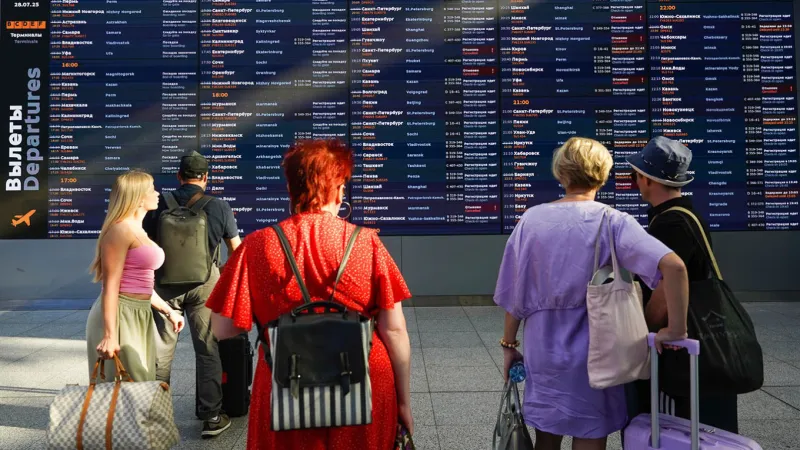
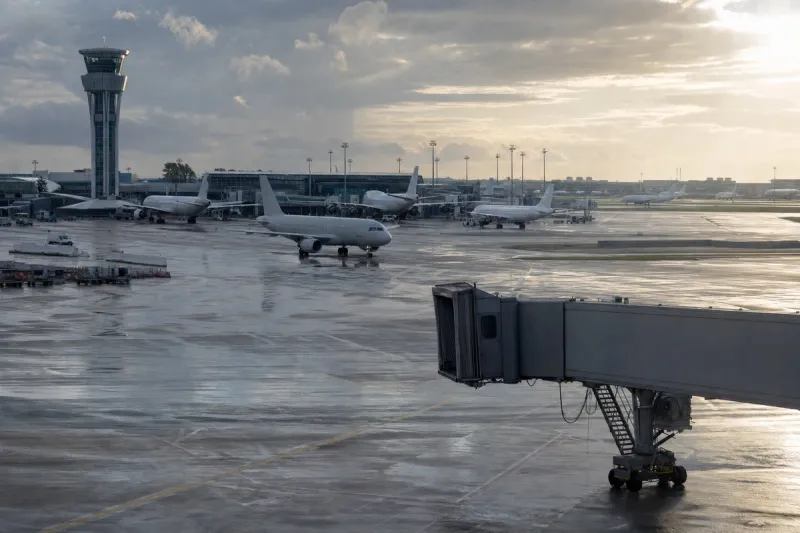
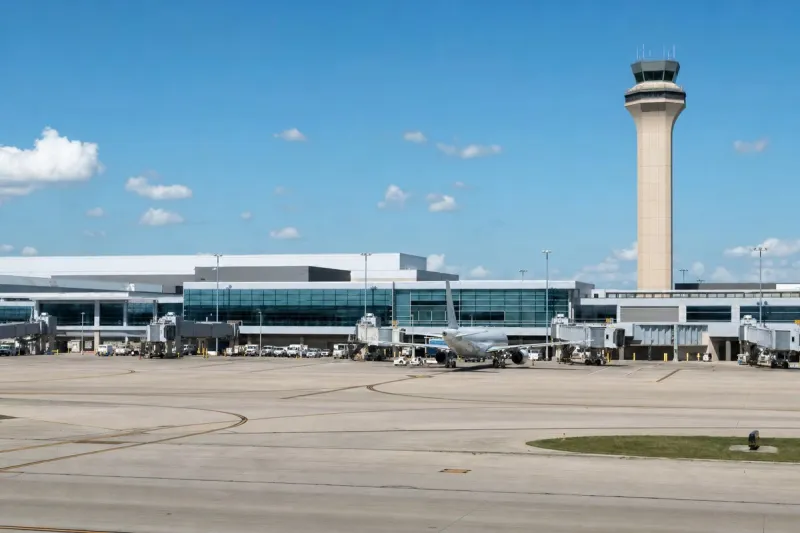
The Federal Aviation Administration issued a ground stop and delay program for departures at Dallas-Fort Worth International Airport (DFW) and Dallas Love Field (DAL) on Thursday, October 1, 2026, as severe thunderstorms swept across Texas. Departures from DAL were delayed approximately 15 minutes, with a 30–60% chance of further extension, while departures from DFW were delayed approximately 79 minutes, also carrying a 30–60% probability of extension.
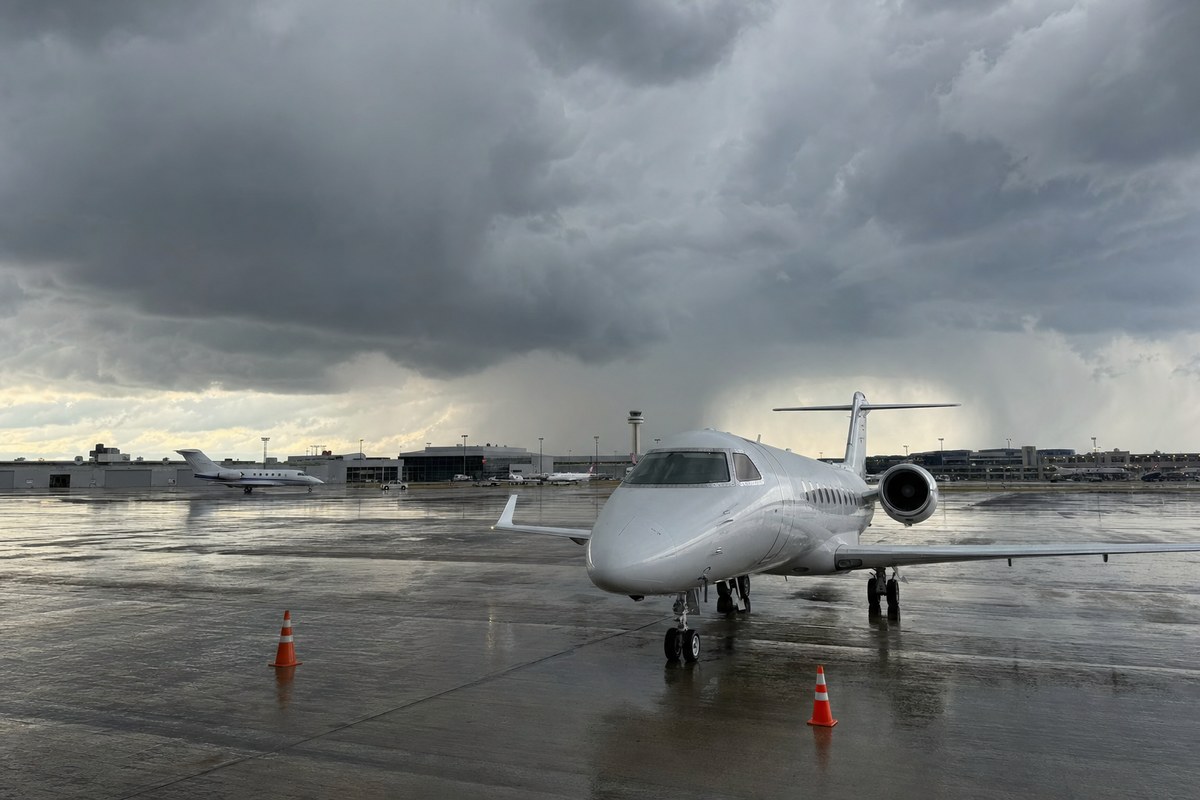
Dallas Love Field Public Information Officer Patrick Clarke confirmed to MySA that localized flight disruptions were affecting some routes between Dallas and San Antonio. The FAA indicated the ground stop and delay program could also be extended to Austin-Bergstrom International Airport (AUS) and San Antonio International Airport (SAT), though no such measures were in place at those airports as of the report.
The National Weather Service warned that North Texas communities including the DFW area, Waco, and Stephenville could see up to 6 inches of rainfall through the evening of Friday, October 2, with a Flood Watch in effect for much of the region through Friday morning. In San Antonio, a Flood Watch was in effect through 7 p.m., with the National Weather Service cautioning that life-threatening flooding was possible in a watch zone encompassing San Antonio, Austin, Uvalde, and surrounding towns. In the Rio Grande Valley, Public Works crews in Mission were distributing sandbags ahead of an expected 4–6 inches of rain beginning October 1.
Industry impact & what to watch
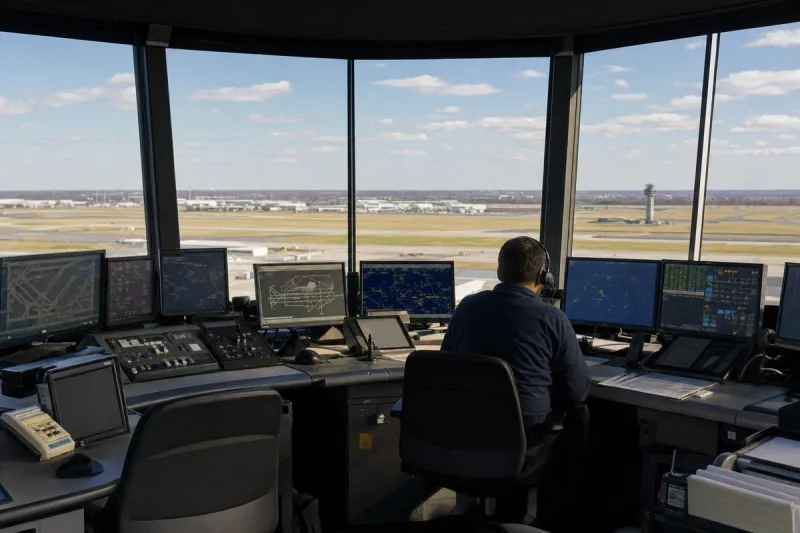
Ground stops tied to thunderstorm activity are a routine but consequential part of airport operations in Texas, where a single weather cell can force the FAA to halt departures at two major airports simultaneously and threaten to widen the restriction to two more. The probabilistic delay figures — a 30–60% chance of extension at both DFW and DAL — reflect how controllers manage uncertainty in real time rather than issuing fixed-duration stops, which means downstream schedules at connected airports like AUS and SAT stay exposed until the storm track clears.
This kind of disruption also illustrates how weather risk at one hub ripples into regional routes, as seen in the localized effects on Dallas–San Antonio flights described by Love Field's public information officer. With a Flood Watch extending into Friday morning and additional rainfall forecast through Friday evening across North Texas and the San Antonio–Austin corridor, the next marker to watch is whether the ground stop or delay program is formally extended to Austin-Bergstrom or San Antonio International, and whether the FAA updates its delay-extension probability as the storm system moves through the region.