China fuel export suspension threatens supplies to Singapore, Australia and Southeast Asia
Why It MattersWhen China's refining hub pulls back exports, the resulting backwardation and widened spreads ripple through re-export hubs and jet-diesel pricing across the wider Asian market.
What happened
China suspended oil product exports this month to markets beyond Hong Kong and Macau, threatening supplies to major buyers including Singapore, Malaysia and Australia. Expectations of reduced shipments from the country's refining hub drove Asian refiners' gasoline margins to a record of more than $50 a barrel over Brent crude on Thursday, while monthly spreads for gasoil and jet fuel widened into steeper backwardation, a structure in which near-term prices exceed those for future months.
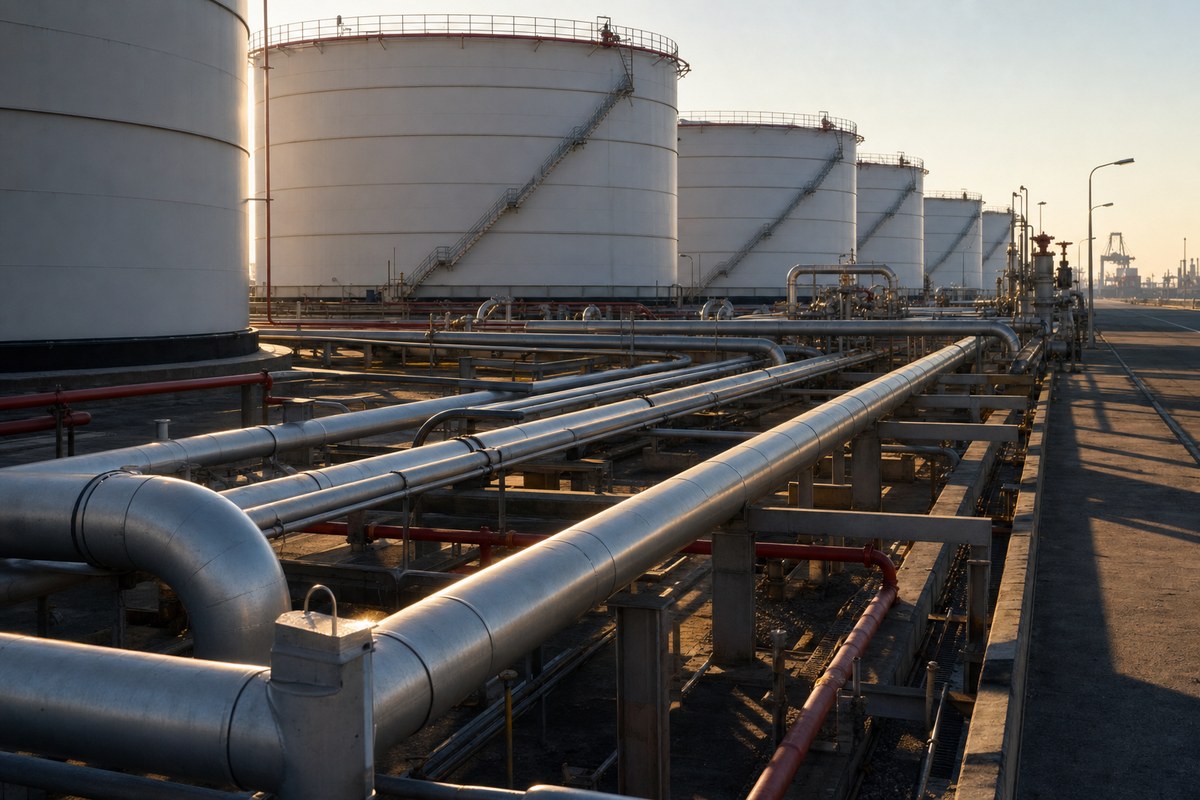
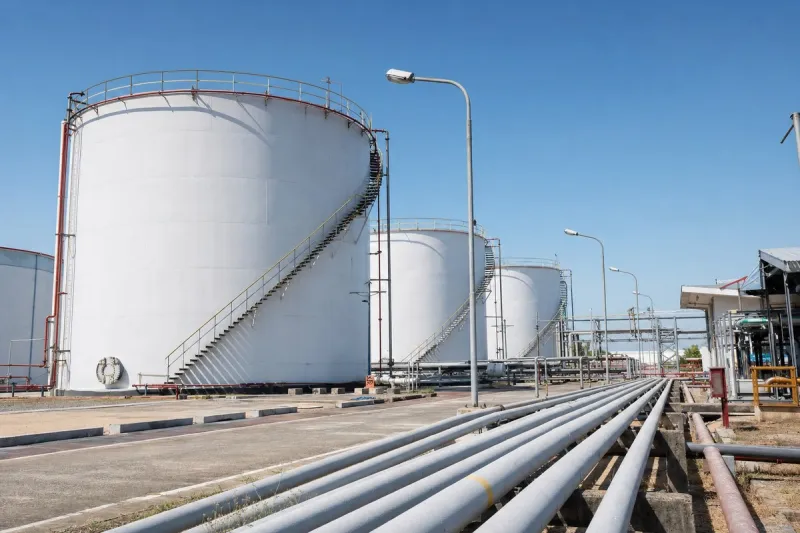
Singapore is the largest recipient of Chinese gasoline, having imported 1.772 million metric tons (14.97 million barrels) in the first nine months of this year, according to Kpler data — 62% lower than the total for 2025, with light-distillate stocks in Singapore at their lowest level in five years. Traders blend gasoline in Singapore for re-export, with Indonesia the top destination. Muhammad Baron, a spokesperson at Pertamina, said the company is "closely monitoring developments in China's fuel export policies, which remain dynamic," adding that Pertamina holds a diversified supply portfolio and is supporting domestic production and biofuel development to reduce import dependence.
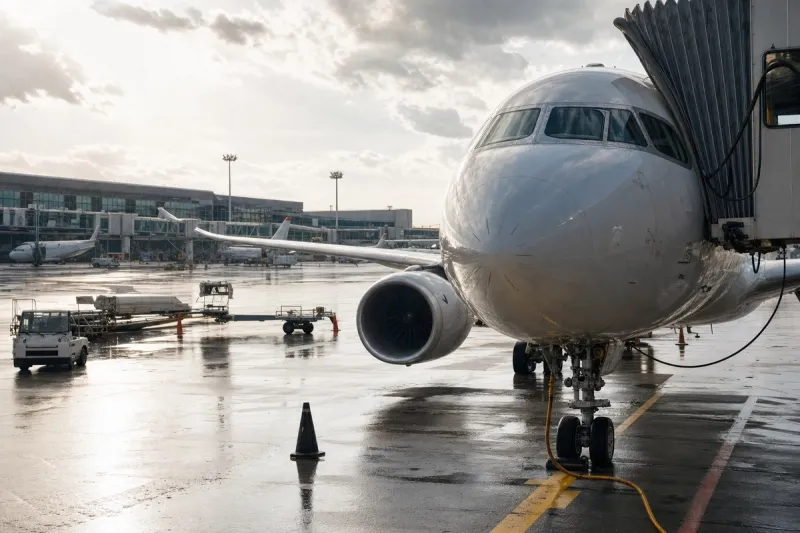
Jet fuel accounts for the bulk of China's exports, mostly to Hong Kong, which is exempt from the restrictions. Australia has emerged as the second-largest importer of Chinese jet fuel this year, followed by Vietnam, Japan and Malaysia. For diesel, Singapore is the largest importer from China after Hong Kong, followed by Australia, Malaysia and Bangladesh, according to Kpler. The Australian government said on Friday the country holds 42 days' worth of petrol — 110% above the required volume — and 29 days' worth of jet fuel, both within normal levels, with 45 ships en route and 3.5 billion litres of fuel contracted for delivery over the next four weeks. Mukesh Sahdev, Sydney-based chief oil analyst at XAnalysts, said Australia's largest import is diesel, which mainly comes from South Korea, Taiwan, Brunei and Malaysia, limiting the direct impact, though he said China's withdrawal from the wider market would push prices up for all buyers. The jet-diesel regrade spread widened to around $2 a barrel, a level not seen since mid-July, according to LSEG data, while diesel margins eased on Friday to a three-session low of about $67 a barrel after European gasoil futures slipped on the prospect of additional supplies amid EU discussions of a French proposal to release extra diesel stockpiles in response to US pressure to ease fuel prices. James Noel-Beswick, head of commodities at Sparta, said the strength in Asian jet fuel prices relative to Europe has closed the arbitrage window for exports from South Korea and Singapore, noting that "three weeks ago every Asian jet arb into Europe was wide open."
Regional supply exposure
The affected trade runs through hub markets rather than direct bilateral flows: Singapore's role as a blending and re-export centre for gasoline, with Indonesia as the top onward destination, means a Chinese supply cut lands first on inventories already at a five-year low before it reaches end buyers. Jet fuel exposure runs differently, concentrated through Hong Kong's exemption, with Australia, Vietnam, Japan and Malaysia as the next-largest importers, while diesel flows place Singapore, Australia, Malaysia and Bangladesh behind Hong Kong.
Australia's case illustrates how origin diversity can blunt a single-source disruption: with diesel sourced mainly from South Korea, Taiwan, Brunei and Malaysia rather than China, and with 42 days of petrol cover and 29 days of jet fuel cover reported as within normal levels, the country's near-term buffer looks steadier even as regional prices move higher.
Industry impact & what to watch
A large refining hub stepping back from export markets tends to show up first in margins and spread structure before it shows up in physical shortages, and that is the pattern visible here: record gasoline margins, a widened regrade spread, and jet fuel strengthening against diesel all reflect traders repricing for scarcer near-term supply rather than confirmed physical gaps. Backwardation itself signals that buyers are paying up for prompt barrels because they are uncertain what will be available later.
The mechanism travels through hub markets even for buyers with little direct exposure to the restricted flows: XAnalysts' Sahdev noted that Australia's diesel comes mostly from South Korea, Taiwan, Brunei and Malaysia, yet expects China's withdrawal to push prices up for all buyers because those alternative suppliers compete in the same regional pool that China normally supplies.
The arbitrage window between Asia and Europe is one of the clearest signals to track next: Sparta's Noel-Beswick noted it was wide open as recently as three weeks ago and has since closed as Asian jet prices firmed against Europe. Also worth watching is whether the EU moves on the French proposal to release additional diesel stockpiles, and whether Singapore's light-distillate stocks recover from their five-year low or draw down further.