Chile to Acquire Five Beechcraft King Air Medium-Transport Aircraft for Air Force Within One to Two Years
Why It MattersThe split-funding structure, pairing a regional government contribution with national strategic-capability funds, illustrates how smaller defense turboprop buys increasingly blend local and federal budgets to secure remote-region sovereignty missions.
What happened
Chile's Ministry of Defense plans to acquire five Beechcraft King Air medium-transport aircraft for the Chilean Air Force (FACh), with delivery expected within one to two years. Defense Minister Fernando Barros disclosed the project on September 25, 2026, during a session of the Chamber of Deputies' Committee on Extreme Zones and Antarctica held in Punta Arenas. "In Defense, when we talk about the short term, it can be one or two years," Barros said.
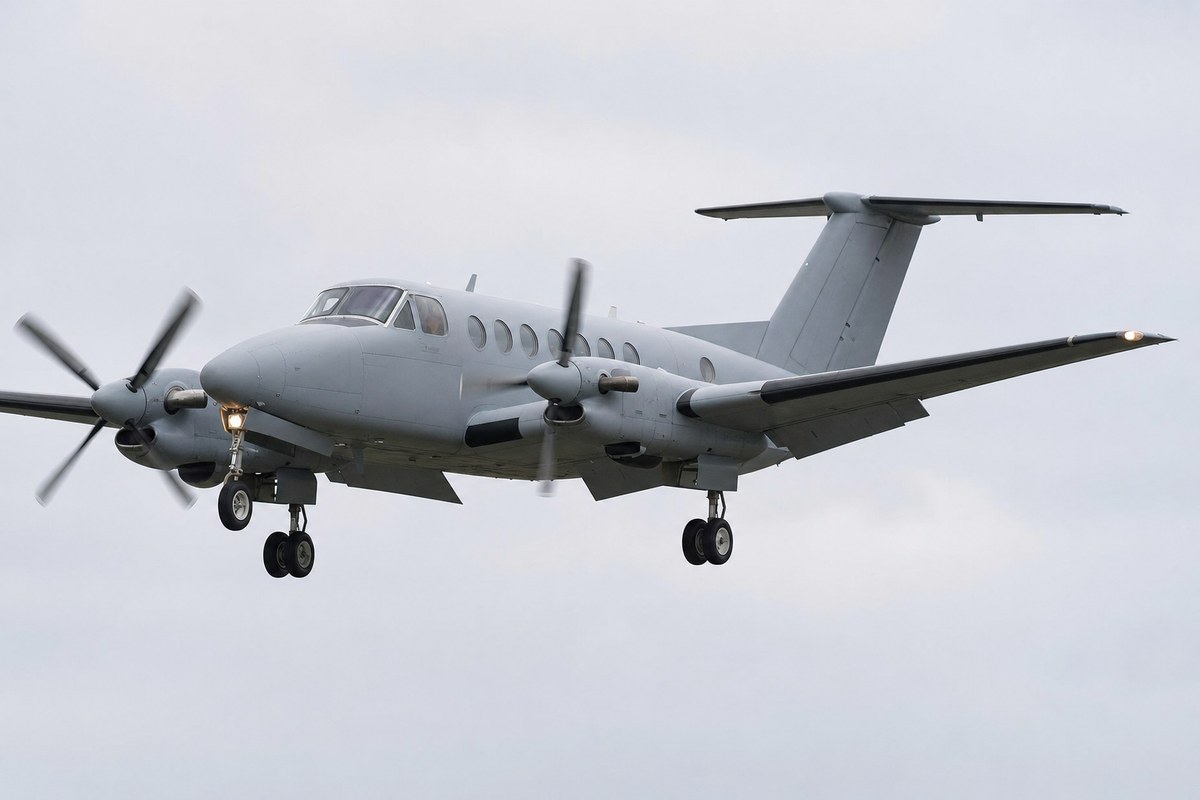
Of the five aircraft, three will be based in the Magallanes region to support regional air transport and logistical operations tied to Chile's Antarctic presence. One aircraft will be acquired through an agreement between the Regional Government of Magallanes and the FACh, while the remaining four will be purchased using national budget funds allocated for strategic capabilities.
The King Air family consists of twin-engine turboprop platforms used for liaison, personnel transport, light cargo, aeromedical evacuation, and logistical support. The Beechcraft King Air 350, currently produced by Textron Aviation, is powered by two Pratt & Whitney Canada PT6A-60A engines rated at 1,050 shp each, features retractable landing gear, a pressurized cabin, and digital avionics, with a maximum takeoff weight of approximately 6.8 tonnes, cruise speed exceeding 500 km/h, endurance over eight hours depending on configuration, and capacity for up to 11 occupants.
The aircraft will serve Magallanes-area aerodromes and support Chile's Antarctic operations, including those connected to Teniente Rodolfo Marsh aerodrome at Base Presidente Eduardo Frei Montalva on King George Island, one of Chile's primary air entry points for Antarctic operations. The Ministry of Public Works is upgrading the runway there, including ice-removal equipment and an Instrument Landing System that Barros said is "already in process" and should be operational "ideally in January."
Antarctic infrastructure and wider modernization
Barros framed the King Air program within a broader defense concept linking sovereignty, territorial connectivity, and integration. The acquisition is separate from other planned FACh modernization efforts, which include the future replacement of Northrop F-5E/F Tiger III fighters with generation 4.5 or 5 combat aircraft, and the acquisition of four long-range maritime patrol aircraft for surveillance of Chile's Exclusive Economic Zone.
Industry impact & what to watch
This acquisition reflects how mid-size air forces often use light twin-turboprop platforms like the King Air family to cover liaison, medevac, and logistics roles in remote or harsh-weather regions rather than committing larger transport fleets to those missions. The funding structure, splitting one aircraft between a regional government and the FACh while four come from national strategic-capability funds, shows how territorial and sovereignty-linked programs can draw on multiple budget sources rather than a single defense line item.
The runway upgrade at Teniente Rodolfo Marsh aerodrome, including the Instrument Landing System targeted for January, will determine how much the new aircraft can actually reduce weather-related access restrictions to Antarctic operations. Whether that ILS installation meets its stated timeline is the detail that will show whether the broader connectivity goal Barros described is being met on schedule.