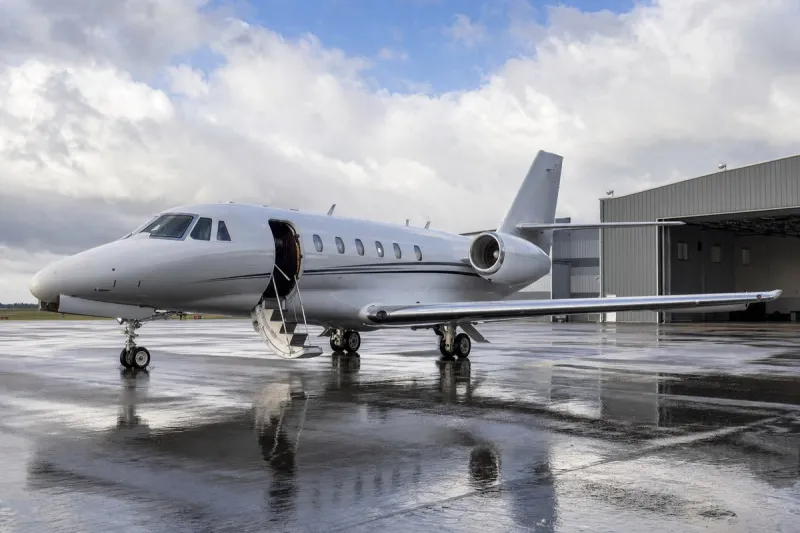
Kentucky Business Aviation Fleet Totals 166 Aircraft, Led by Citation and Centered on Two Metro Hubs
Why It MattersFragmented ownership and operator bases, with 145 operators across 166 aircraft and no fractional program presence, point to a regional market shaped by private and corporate use rather than large managed fleets.
What happened
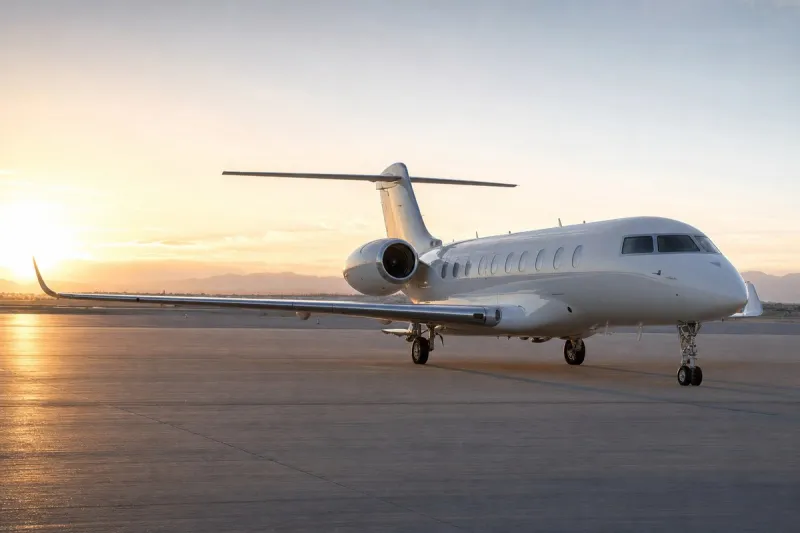
Kentucky's business aviation fleet totals 166 jets and turboprops, according to a fleet analysis that excludes piston aircraft, helicopters, and airliners. The fleet's average manufacture year is 2006, with a median of 2007; 28 percent (46 aircraft) were built in 2015 or later and 14 percent (23 aircraft) are 2020 or newer, while 11 percent (19 aircraft) predate 1990 and 22 percent (36 aircraft) were built before 2000.
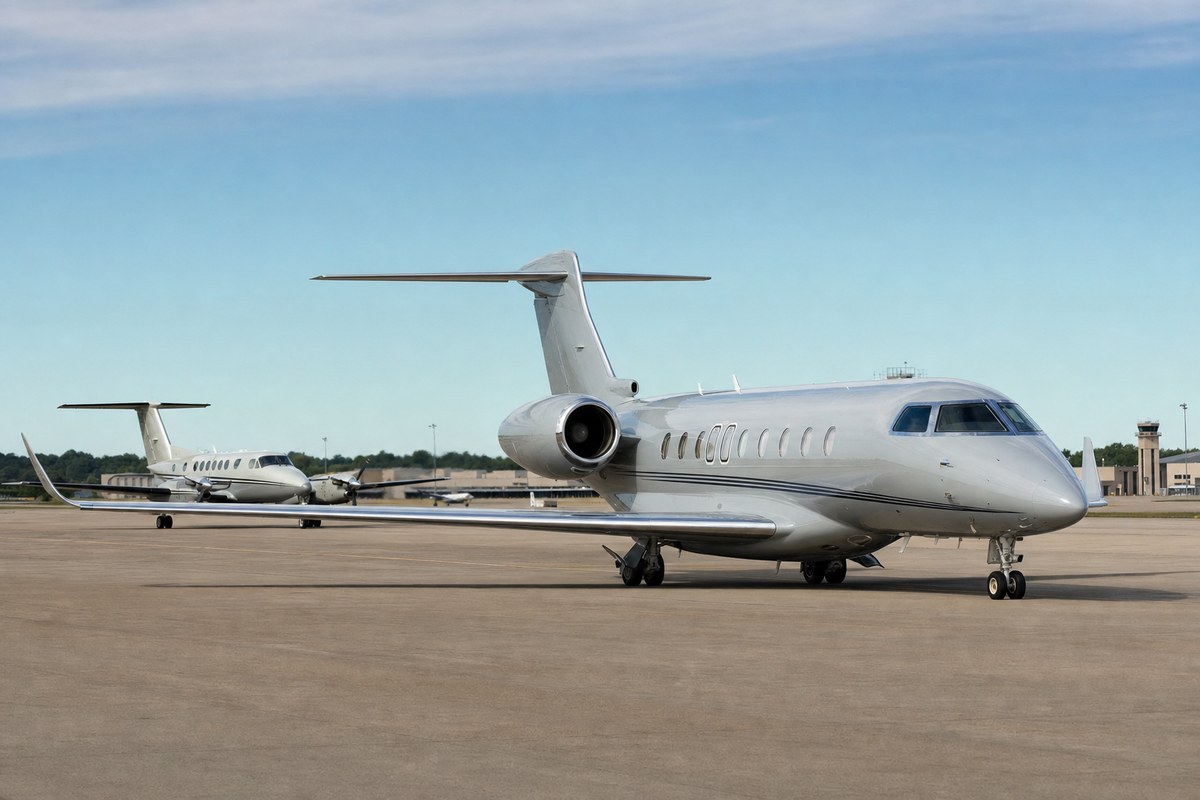
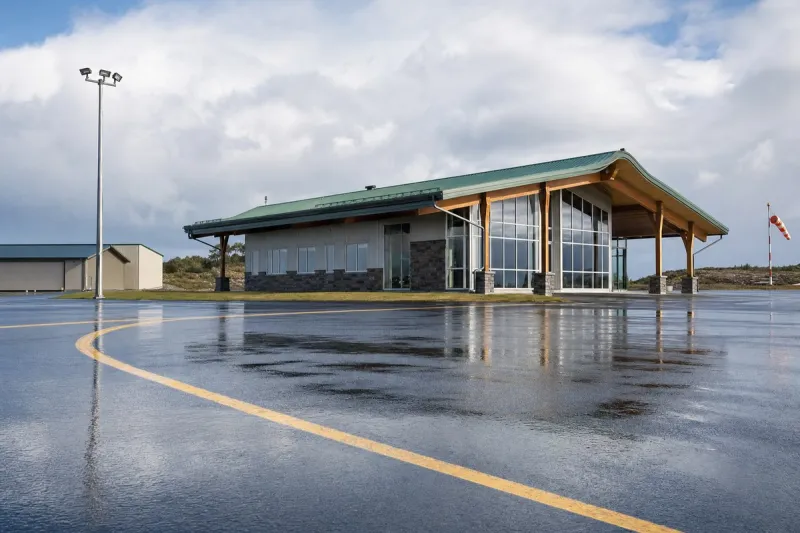
Ownership is concentrated in whole-ownership structures: 141 aircraft (85 percent) are wholly owned and 25 (15 percent) are held under shared-ownership arrangements, with no fractional-ownership program aircraft registered in the state. Of the 157 aircraft with a listed home base, spread across 32 airports, the greater Lexington cluster — Blue Grass Airport plus Georgetown — accounts for 36 aircraft (23 percent of the based fleet), and the greater Louisville cluster — Louisville Muhammad Ali International plus Bowman Field — accounts for 35 aircraft (22 percent), together holding 45 percent of the based fleet. The remaining 55 percent is spread across regional airports including Mt. Sterling, Owensboro, Danville, Mayfield, Paducah's Barkley Regional, Bowling Green, Russellville, and Henderson.
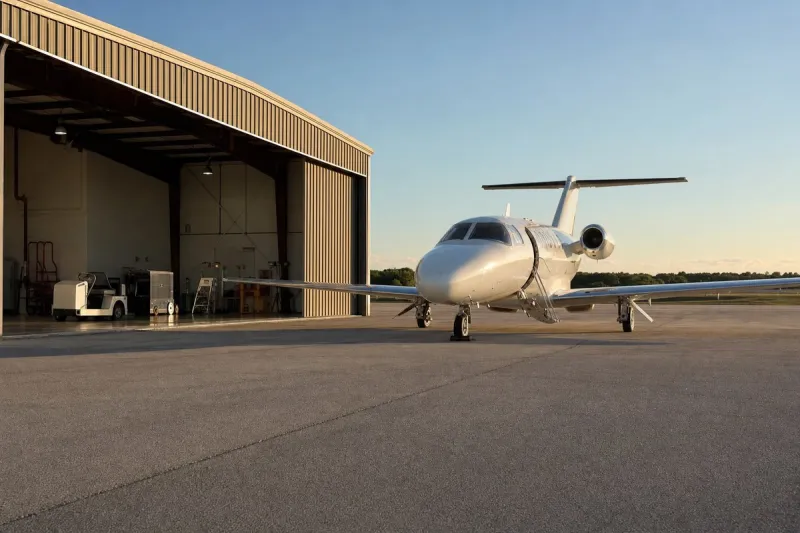
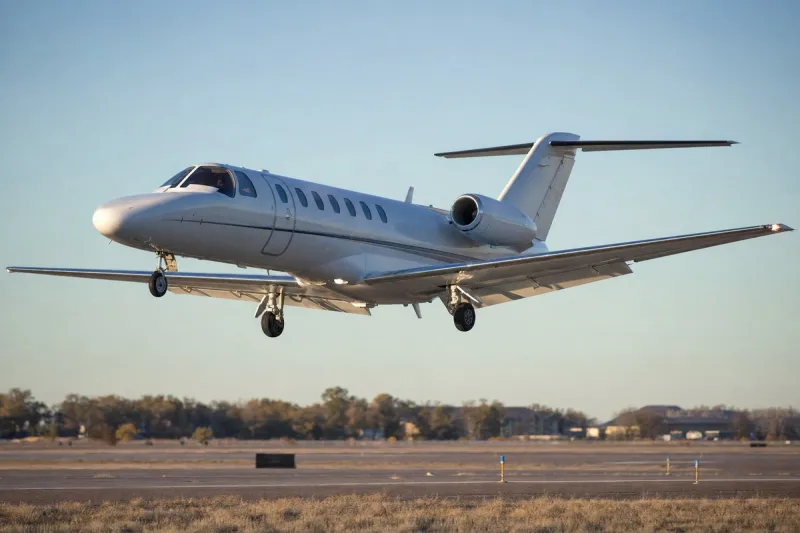
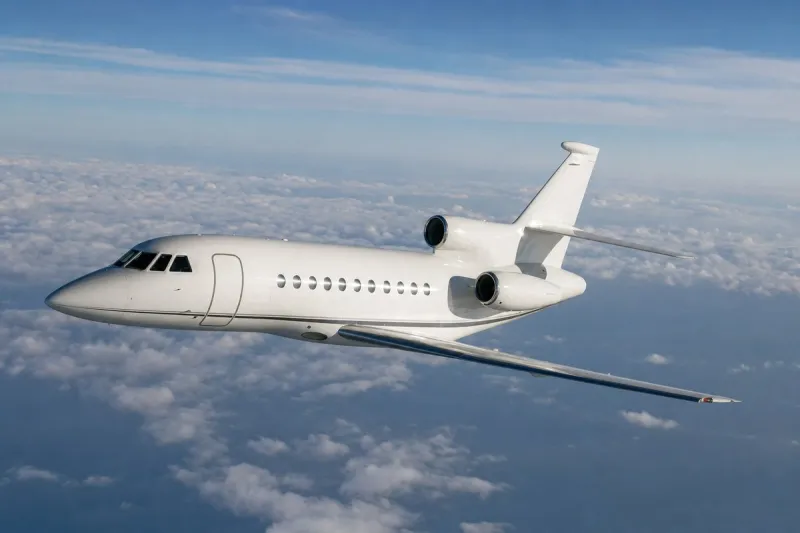
Citation leads the statewide fleet with 57 aircraft, representing 34 percent of the total, and no single model reaches 6 percent of the fleet. The Pilatus PC-12 NG (9 aircraft) and Embraer Phenom 300E (7) are the most numerous individual types, followed by the Citation Sovereign, Citation M2, and Citation Bravo (6 each) and the Citation 525/CJ series (5). The Citation Excel, Citation CJ3, Citation CJ4, Phenom 100, Premier IA, Premier I, Piper Meridian, Socata TBM-850, and Falcon 2000 each account for four aircraft.
Twelve of the 166 aircraft, about 7 percent of the fleet, are currently listed for sale or available on inquiry, with the Citation Bravo the only model carrying more than one listing (2); other aircraft on the market include a King Air 200, Conquest I, Phenom 100, Citation M2, Citation CJ2+, Falcon 2000, Falcon 2000S, and Embraer Legacy 500. The operator landscape is fragmented across 145 distinct operators, led by FliteAccess, LLC with 4 aircraft and Triton Airways LLC, Mid America Jet Inc., Humana Inc., Wild Blue Aviation LLC, and Flight Level Services LLC with 3 each, with no single operator controlling more than 2 percent of the statewide fleet. Among the 126 of 166 aircraft with recorded flight-hour data, the average airframe has logged approximately 4,300 total hours, with a median near 3,300, and by usage 142 aircraft (86 percent) are classified as business flying and 13 (8 percent) operate in charter service.
Industry impact & what to watch
A 166-aircraft fleet split almost evenly between two metro clusters and a long tail of regional airports illustrates how a mid-sized state market organizes itself without a dominant hub: Lexington and Louisville together hold 45 percent of the based fleet, but the remaining majority is dispersed across airports like Owensboro, Danville, and Paducah's Barkley Regional, reflecting how corporate and private owners base aircraft near where they operate rather than near a single center of gravity.
The near-total absence of fractional-program aircraft, against 85 percent whole ownership, shows this market running on direct ownership and shared-ownership arrangements rather than the managed-fleet model that dominates in larger metro areas. With 145 operators spread across 166 airframes and no operator holding more than 2 percent of the fleet, the state's business aviation activity looks like an aggregation of individual owner-operators rather than a market organized around a handful of large fleet managers.
The fleet's age profile — a 2006 average manufacture year, with 28 percent built since 2015 but 22 percent predating 2000 — points to a mixed-vintage fleet where newer light jets and turboprops like the Phenom 300E and PC-12 NG sit alongside older Citations and Falcons still in business and charter use. Whether the 12 aircraft currently listed for sale, concentrated in the Citation Bravo, signal a turnover wave or simple attrition will depend on how quickly those listings clear and whether newer deliveries continue to arrive at the pace seen since 2015.