Dassault Falcon 900 Family: Four Decades of Refinement Across Six Variants
Why It MattersDecades-long production runs across evolving variants mean buyers must weigh engine generation, avionics suite and airframe condition rather than model name alone when assessing value.
What happened
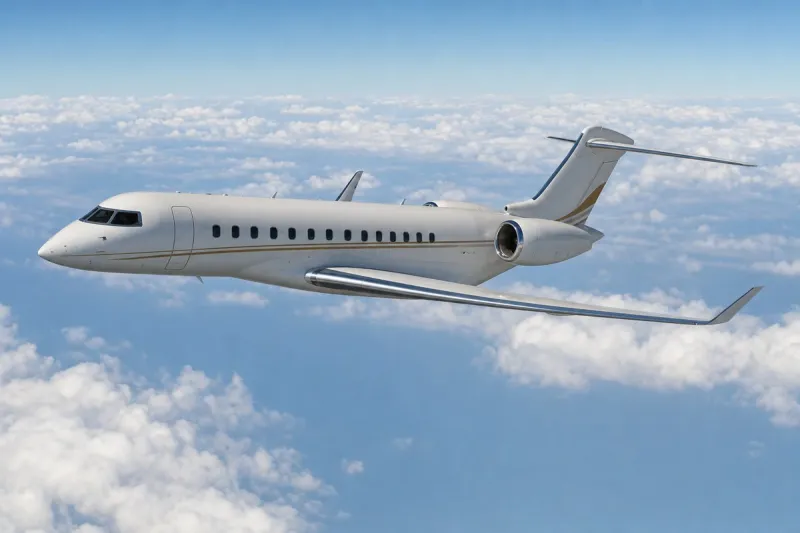
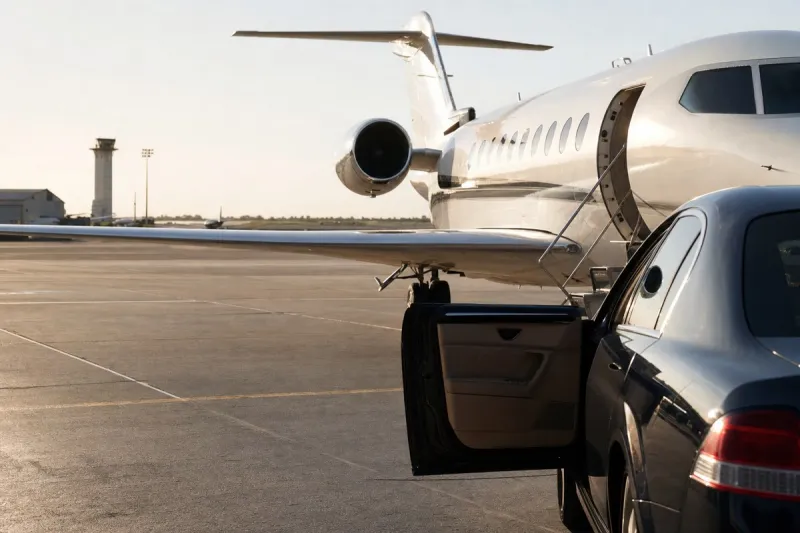
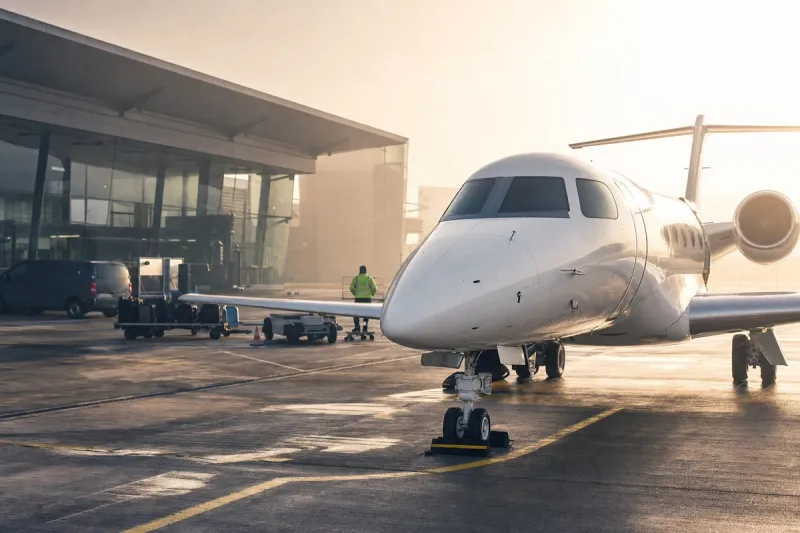
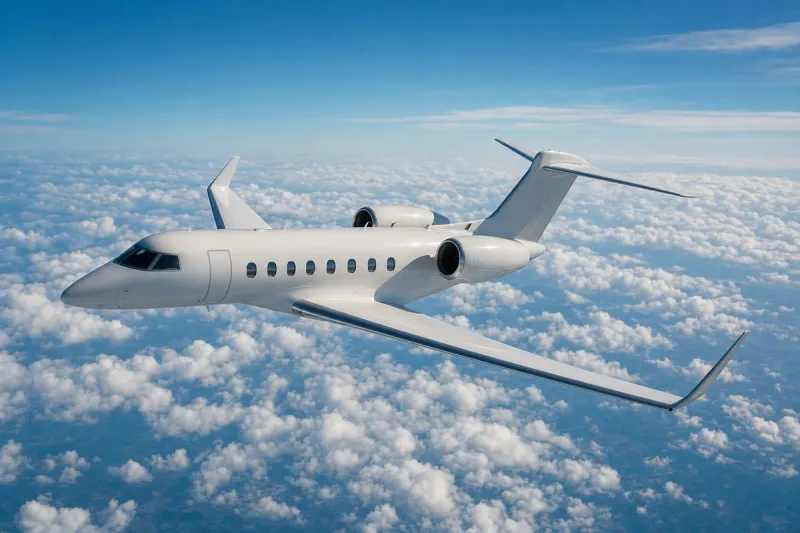
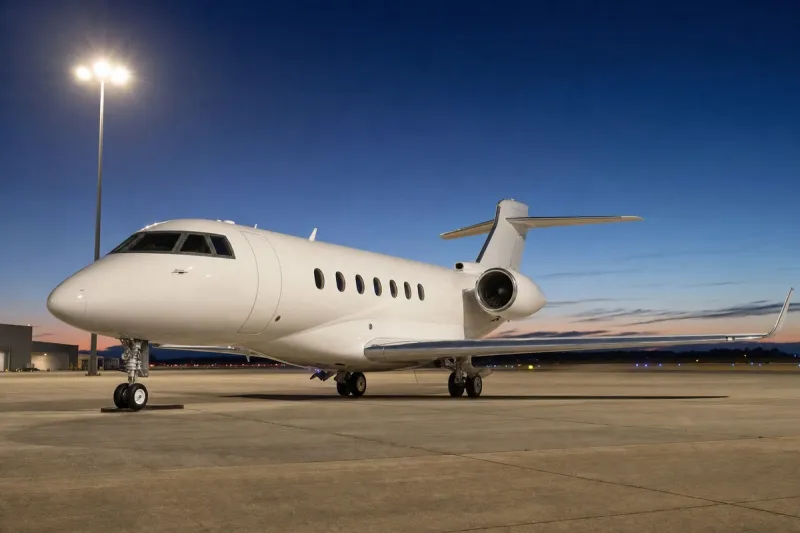
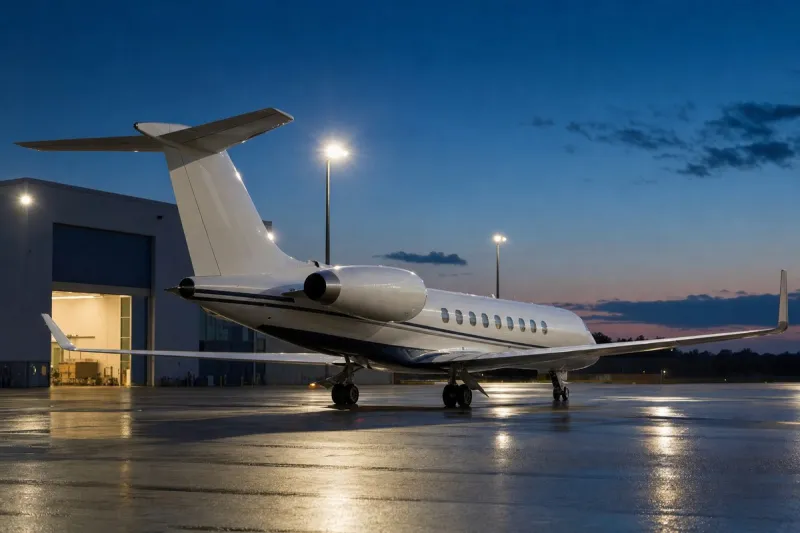
Dassault's Falcon 900 family, first flown in 1984 and derived from the Falcon 50 concept, has evolved through six distinct variants over more than four decades while retaining its original large cabin — approximately 6 feet 2 inches high and 7 feet 7 inches wide — and three-engine architecture.
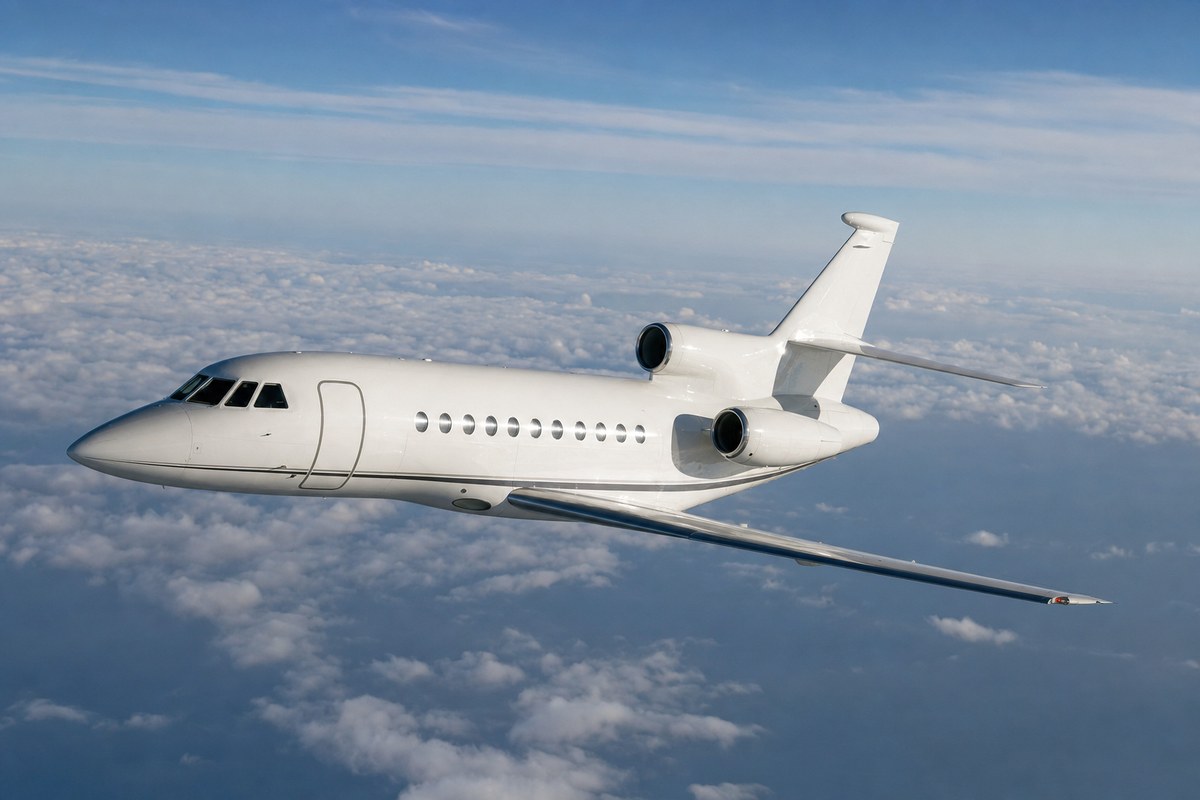
The original Falcon 900 and 900B, produced from approximately 1986 to 1997 with around 160 combined deliveries, used three Honeywell TFE731-5BR engines producing roughly 4,750 pounds of thrust each and offered approximately 4,000 nautical miles of range; current values typically fall in the $2–6 million range. The Falcon 900C, of which only 25 were built between approximately 1998 and 2005, retained the TFE731-5BR engines and 4,000-nm performance but added the Honeywell Primus 2000 integrated avionics suite, with values generally around $5–8 million. The Falcon 900EX, produced from approximately 1995/1996 to 2003 in around 118 pre-EASy examples, replaced the -5BR engines with Honeywell TFE731-60s producing 5,000 pounds of thrust each, increased fuel capacity and maximum takeoff weight, and extended range to roughly 4,500–4,700 nm, with values generally around $8–12 million.
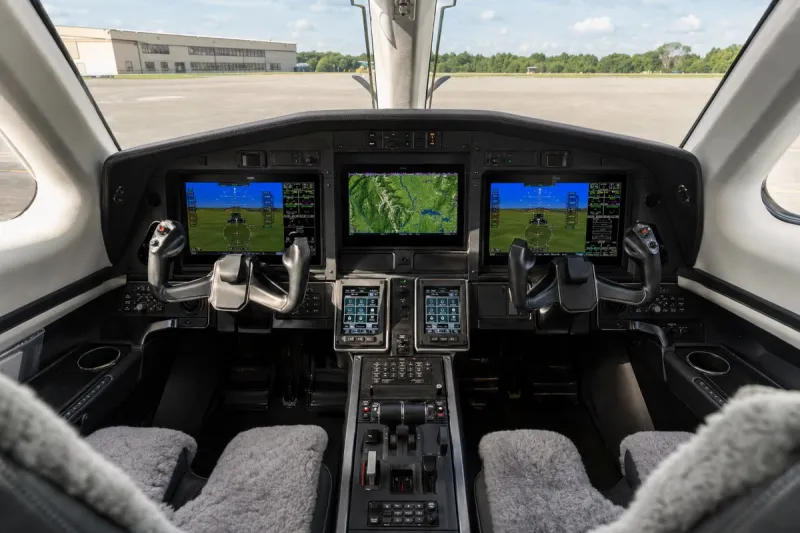
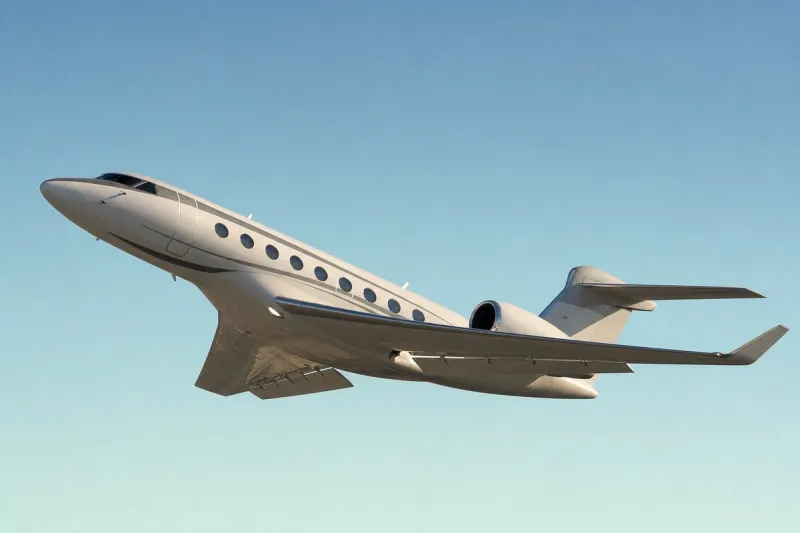
The Falcon 900EX EASy, built from approximately 2003 to 2010 in around 122 examples, retained the TFE731-60 engines but introduced Dassault's EASy flight deck based on Honeywell's Primus Epic architecture, with later examples commanding roughly $11–17 million. The Falcon 900DX, with roughly two dozen built between approximately 2005 and 2010, retained the TFE731-60 engines and EASy cockpit but was optimised for shorter missions, offering approximately 4,100–4,300 nm of range, with values generally around $10–14 million. The Falcon 900LX, in production from approximately 2010 with more than 80 delivered, added winglets and aerodynamic refinements, extending range to approximately 4,750 nm, with the cockpit advancing through EASy and EASy II; newer LX values span from approximately $18 million to $40 million-plus depending on year.
The 900LX requires roughly 5,300 feet for takeoff at maximum takeoff weight under sea-level standard conditions, and approximately 2,400 feet for landing at typical landing weight with a Vref of around 110 knots. Dassault states that an LX loaded for a 3,000-nm mission can depart from a runway shorter than 4,000 feet at sea level, a performance Dassault attributes to the Falcon wing's leading-edge slats and large double-slotted Fowler flaps.
Engines and value spread
All 900/900B/900C variants use TFE731-5-series engines, while the EX, EX EASy, DX and LX use TFE731-60s. The three-engine configuration means owners face engine maintenance costs on three powerplants rather than the two found on most competing large-cabin jets, though the TFE731 family has a large installed base and established support network.
On older examples, engine times, corrosion, structural inspections, landing-gear status and avionics configuration can create substantial value differences between otherwise similar aircraft. For the small 900C fleet of 25 aircraft, individual condition and equipment have an especially large influence on price given the limited number of comparable sales.
Industry impact & what to watch
A single model line spanning six engineering generations and a price range from roughly $2 million to over $40 million illustrates how large-cabin trijet values are set less by model name than by the specific engine generation, avionics suite, and mission optimization built into a given airframe. Buyers evaluating a Falcon 900 family aircraft are effectively evaluating six different products that happen to share a type certificate lineage and cabin cross-section.
This is how aging large-cabin fleets typically segment: early, low-value airframes with original avionics sit at one end, while later variants with upgraded flight decks and extended range command multiples of that price even when the underlying thrust and cabin dimensions changed only incrementally. The three-engine architecture, uncommon among current large-cabin competitors, adds a maintenance variable that buyers must weigh against the type's short-field performance and established TFE731 support network.
For small-production variants like the 900C, with only 25 built, individual aircraft history — engine times, structural inspections, landing-gear status — will continue to matter more than published value ranges, since comparable sales are scarce enough that condition alone can move price substantially.