China's TMS-10 Supersonic Demonstrator Enters Final Assembly, First Supersonic Test Flight Expected by Year-End
Why It MattersSupersonic business-jet development is advancing through staged, scaled demonstrator programmes rather than direct full-scale builds, with engine, structural and sonic-boom work still separating today's test vehicles from any commercial design.
What happened
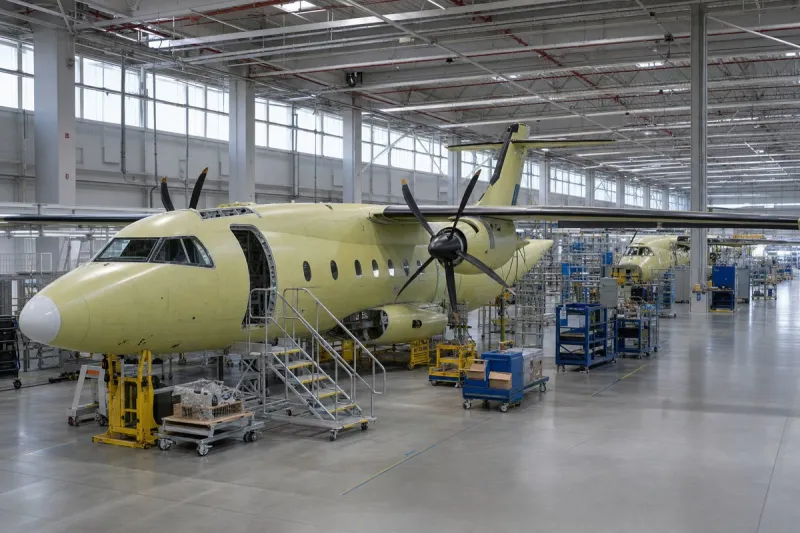
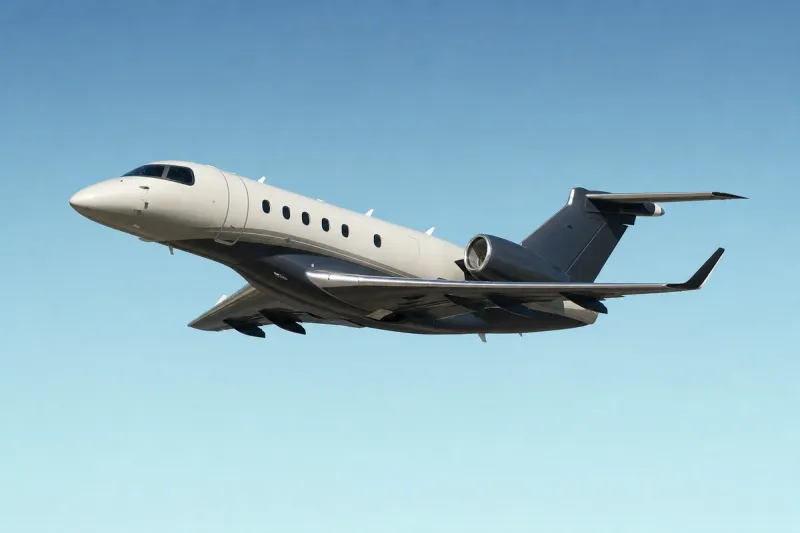
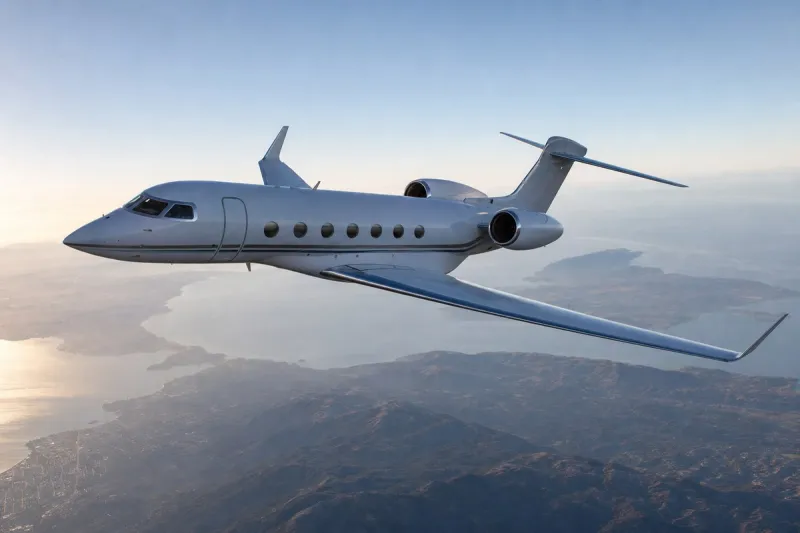
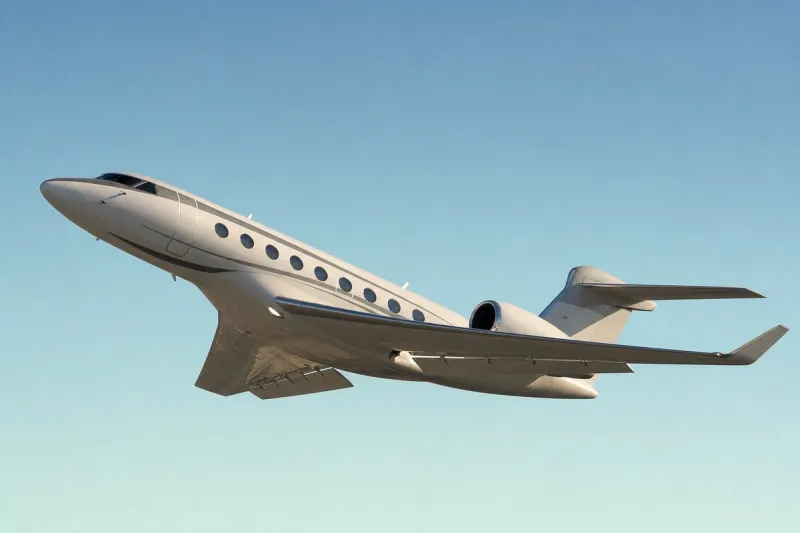
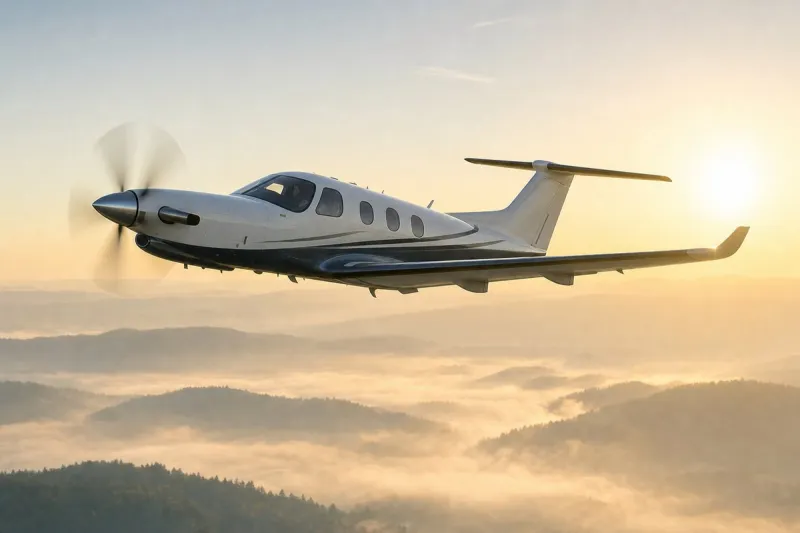
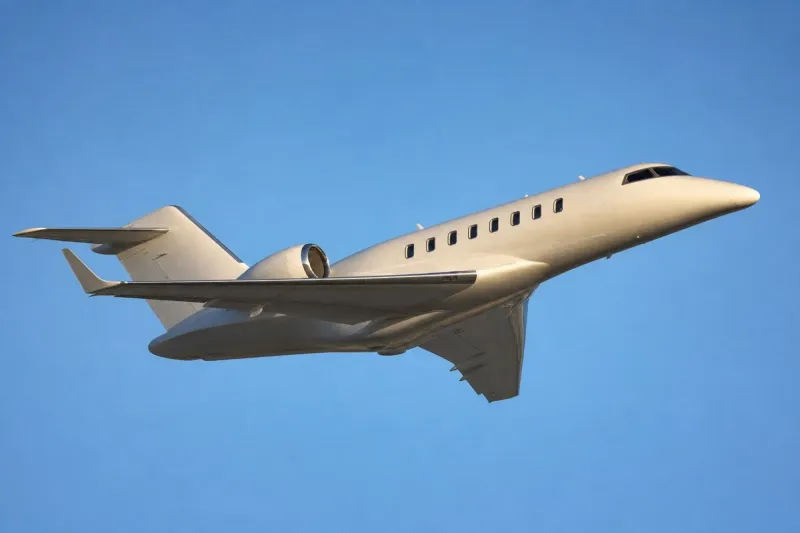
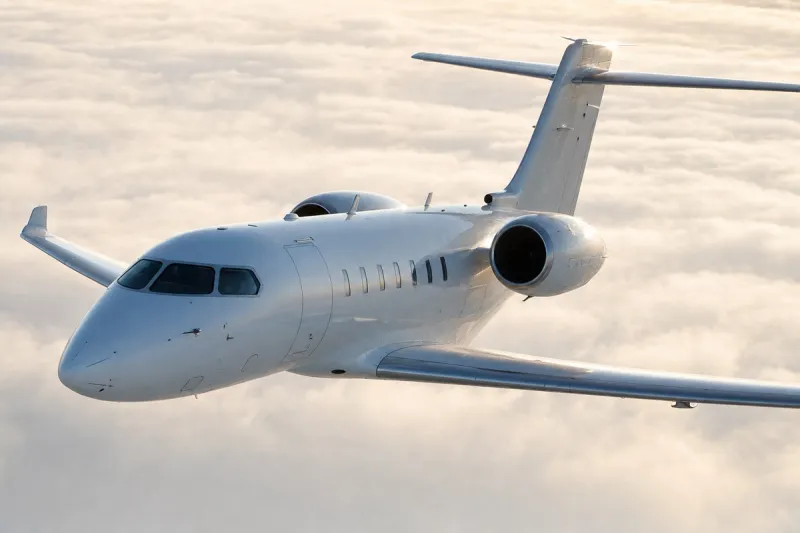
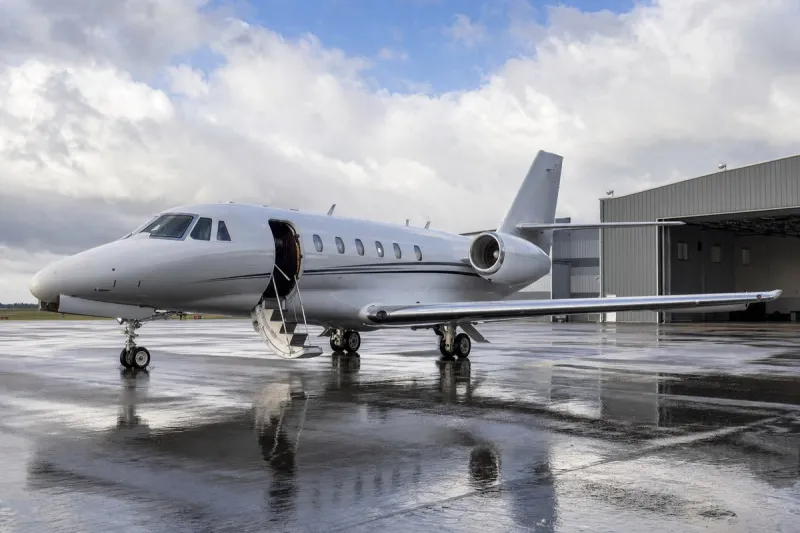
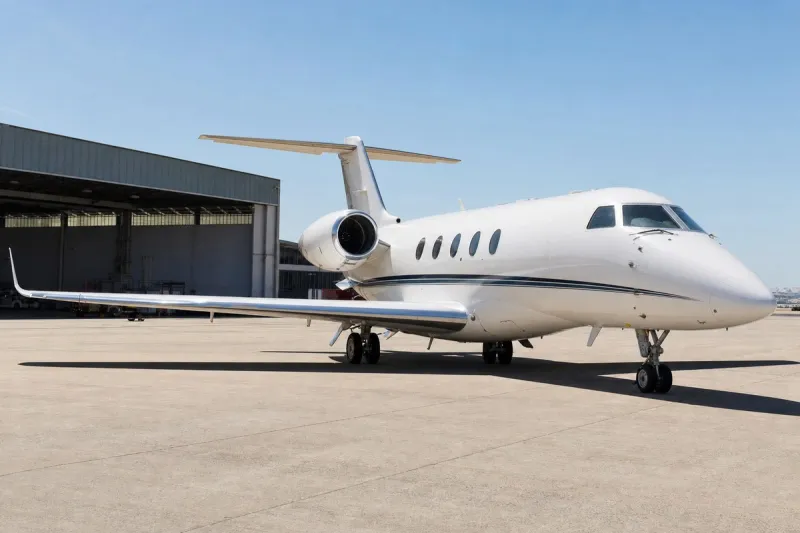
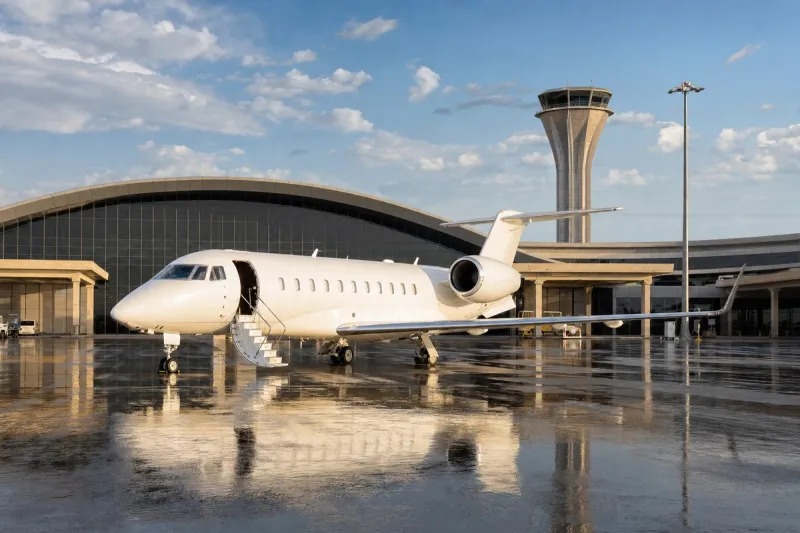
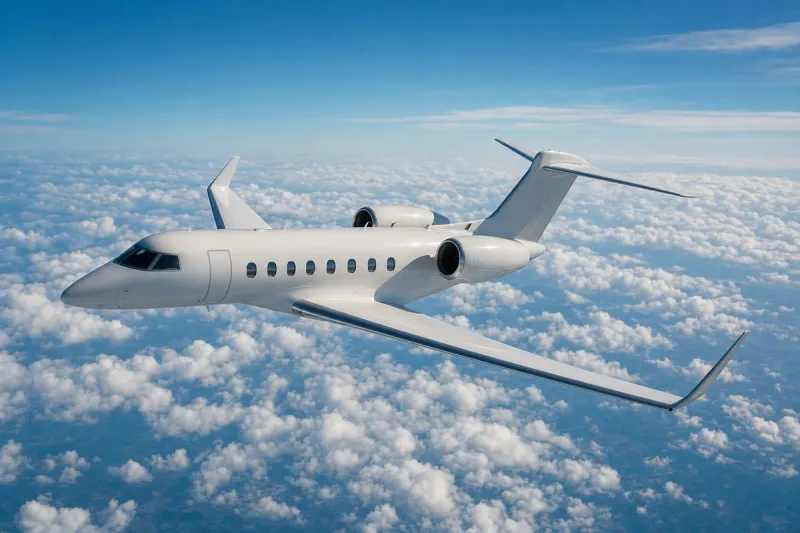
Tianmushan Laboratory, a research institution in Zhejiang Province established with support from Beihang University, is preparing the TMS-10 experimental aircraft for its first supersonic test flight, expected by the end of this year. The demonstrator is designed to validate technology for a future 10- to 15-seat supersonic business plane capable of cruising at up to Mach 2, or approximately 2,470 km/h, and is currently undergoing final assembly and integration.
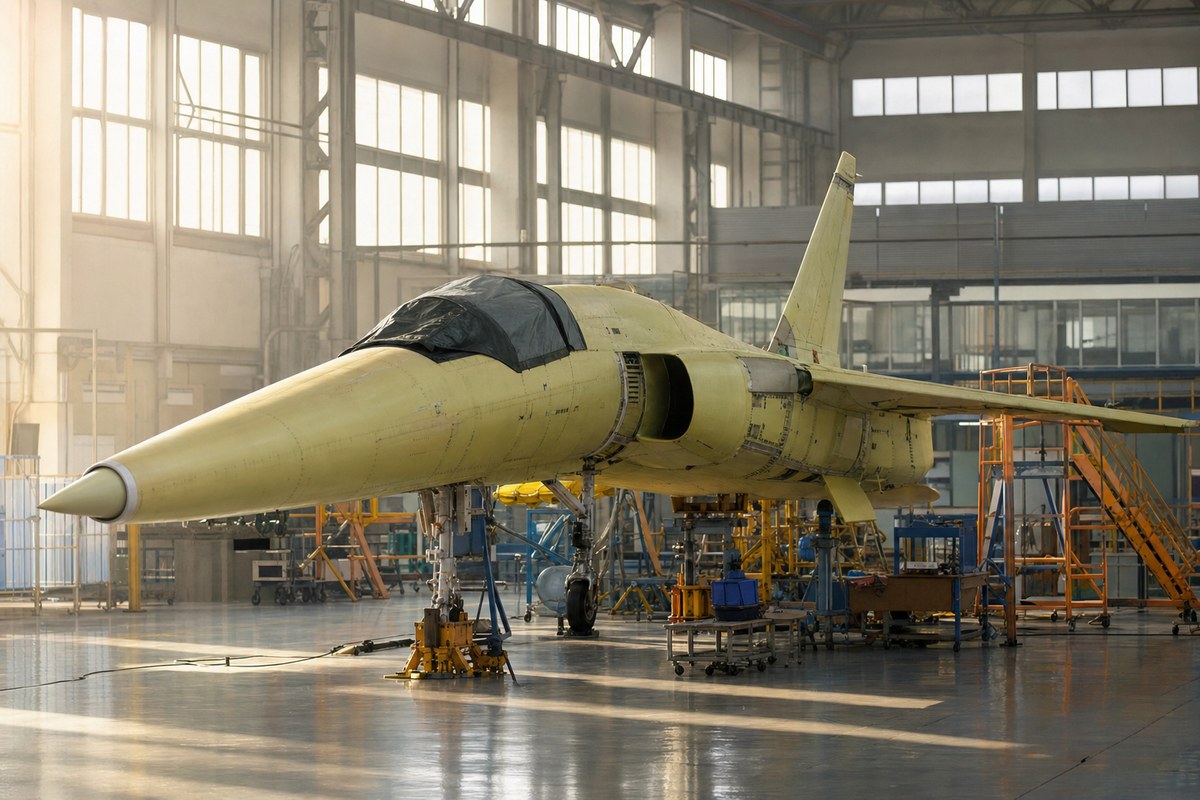
Tianmushan Laboratory said the demonstrator had completed wind-tunnel testing, flight-control design and airframe manufacturing before entering final assembly. The upcoming test aims to push the aircraft beyond the sound barrier and achieve sustained, stable supersonic flight, while researchers measure the aircraft's sonic boom and assess its high-speed performance; reducing sonic boom levels is one of the project's primary objectives.
The project has already completed low-speed flight testing: a 1:18-scale model of the TMS-10 completed its first flight at Dingzhou Airport in Hebei Province in June 2025, flying at less than Mach 0.2 to test takeoff, landing, stability and flight controls. The proposed full-scale passenger aircraft is designed to cruise at up to Mach 2 and also at a subsonic cruise speed of Mach 0.95; at such speeds, a future aircraft could potentially cover the approximately 1,100-kilometre Beijing-to-Shanghai route in about 30 minutes, compared with around two hours currently. No timeline has been set for a passenger-carrying aircraft to enter commercial service.
Wang Ya'nan, editor-in-chief of Beijing-based Aerospace Knowledge magazine, said the programme remains at the research and technology-validation stage, and that further development of engines, structures and other systems, as well as larger demonstrators and extensive flight testing, would all be required before any commercial aircraft could be developed. Supersonic passenger aircraft also face challenges beyond speed, including the heat generated during high-speed flight and the need to meet commercial aviation standards for safety, reliability, passenger comfort and operating costs.
Industry impact & what to watch
China's approach mirrors a broader pattern in supersonic development: small-scale models prove low-speed handling first, a full-size demonstrator then targets the sound barrier itself, and only after that does engine, structure and comfort work begin for a certified commercial design. NASA's X-59 sits in a comparable stage internationally, having reached supersonic speed for the first time in June and since flown at Mach 1.4 at 55,000 feet to study sonic-boom noise reduction, the same core technical hurdle Tianmushan Laboratory is targeting with TMS-10.
This staged validation model exists because supersonic business aircraft face compounding technical and regulatory obstacles beyond raw speed: sonic-boom levels, heat loads at high velocity, and the safety, reliability and cost standards that commercial aviation demands. A demonstrator reaching Mach 2 says nothing yet about whether an engine, airframe and cabin can be certified around that performance, which is why Wang Ya'nan frames the programme as still being at the research and technology-validation stage rather than a path with a defined aircraft behind it.
The next marker to watch is whether TMS-10 actually achieves sustained supersonic flight and what sonic-boom data it produces, since that measurement — not the Mach number alone — will indicate whether the reduced-boom objective central to the project is achievable at this scale.