Pilatus PC-12 PRO: Next-Generation Avionics, BMW Designworks Interior, and Extended Maintenance Intervals Mark Latest Turboprop Evolution
Why It MattersThe upgrade shows how single-engine turboprop makers are closing the avionics and cabin-comfort gap with business jets while keeping short-field, multi-role access that larger jets cannot match.
What happened
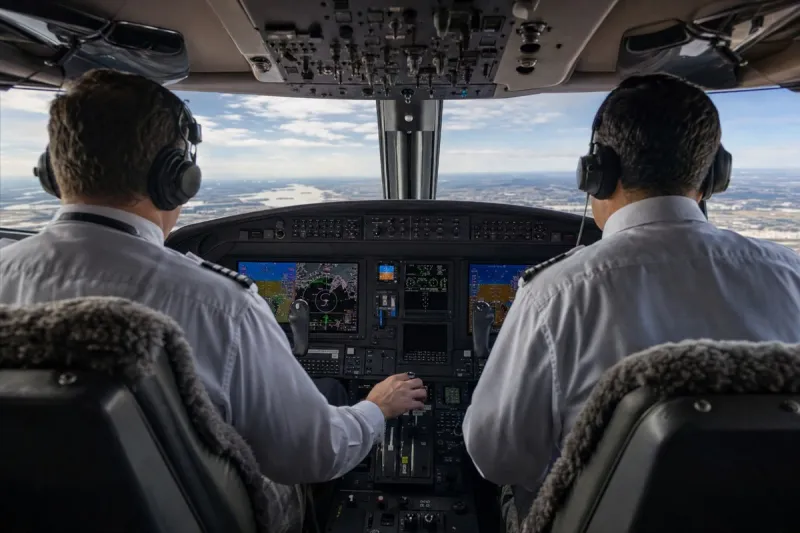
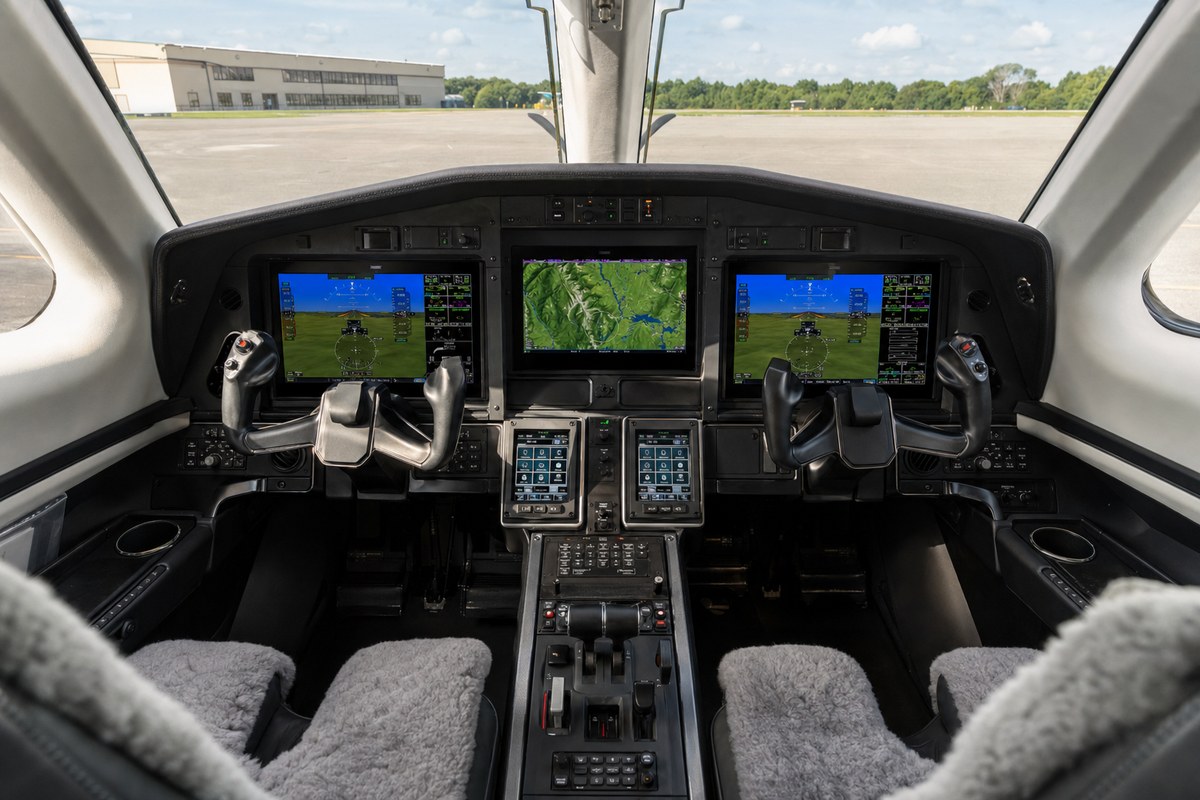
Pilatus has introduced the PC-12 PRO, a new version of its single-engine turboprop, replacing the previous Honeywell Apex avionics system with the Garmin G3000 Prime suite. The new cockpit includes three 14-inch high-resolution displays, two 7-inch touchscreen controllers, and safety systems new to the turboprop category: Garmin Emergency Autoland, which can autonomously land the aircraft in an emergency, Smart Glide, and Electronic Stability and Protection. The cockpit also carries new yokes adapted from the Pilatus PC-24 twinjet and hand-stabilization technology on the touchscreens to aid inputs during turbulence.
For the cabin, Pilatus worked with BMW Designworks to produce an updated interior drawing on elements from the PC-24. The PC-12 PRO accommodates up to nine passengers and includes new executive seats with full recline and taller seatbacks, upgraded lighting, increased headroom, and a low-speed propeller mode to reduce cabin noise. The aircraft retains its large aft cargo door and flat-floor cabin.
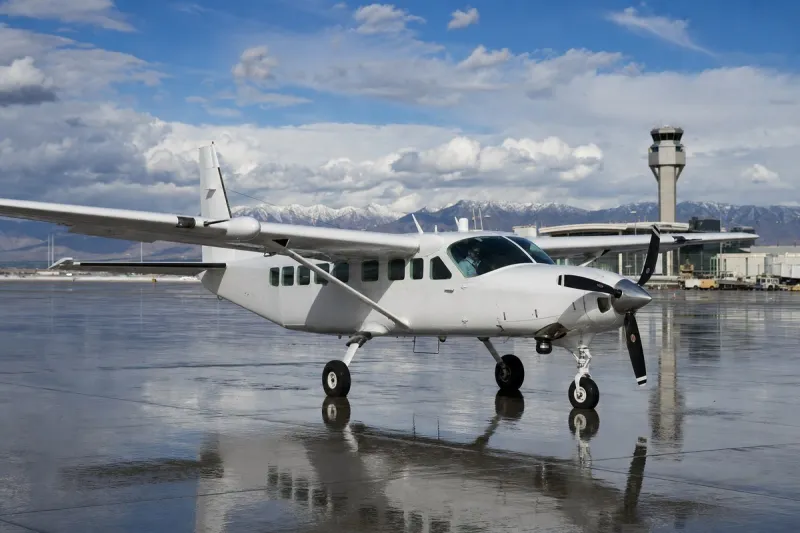
On the operational side, the PC-12 PRO has a scheduled maintenance interval of 600 flight hours and an engine time between overhaul (TBO) of 5,000 hours. It is capable of operating from short, unpaved, grass, or gravel runways, giving it access to more than 5,000 airports that are out of reach for larger corporate jets.
Industry impact & what to watch
The redesign places the PC-12 PRO in a category of single-engine turboprops competing less on raw speed than on cabin quality, avionics automation, and mission flexibility. Pairing emergency autoland and stability-protection systems with an executive cabin designed by an automotive styling house signals how manufacturers in this segment are borrowing both safety architecture and interior cues from business jets to blur the line between the two categories.
The ability to work unpaved, grass, or gravel strips while retaining the aft cargo door for cargo or air-ambulance configurations is what keeps this airframe distinct from cabin-class jets: operators buy into the platform precisely because it can swap roles without swapping aircraft. Maintenance economics matter here too — a 600-hour inspection interval and 5,000-hour engine TBO shape the cost of ownership against that versatility.
What happens next depends on how quickly Pilatus moves the PC-12 PRO through certification and delivery, and whether operators who already fly the PC-12 platform choose to upgrade for the avionics and cabin changes alone.