FAA Seeks Industry Input on Radio Frequency Interference Detection System for National Airspace
Why It MattersMoving from after-the-fact incident investigation toward continuous spectrum monitoring would shift how aviation safety oversight treats interference as a persistent infrastructure risk rather than an isolated event.
What happened
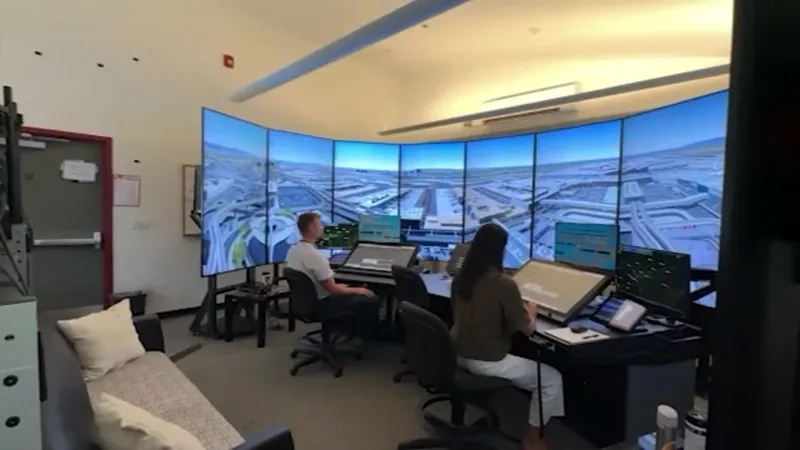
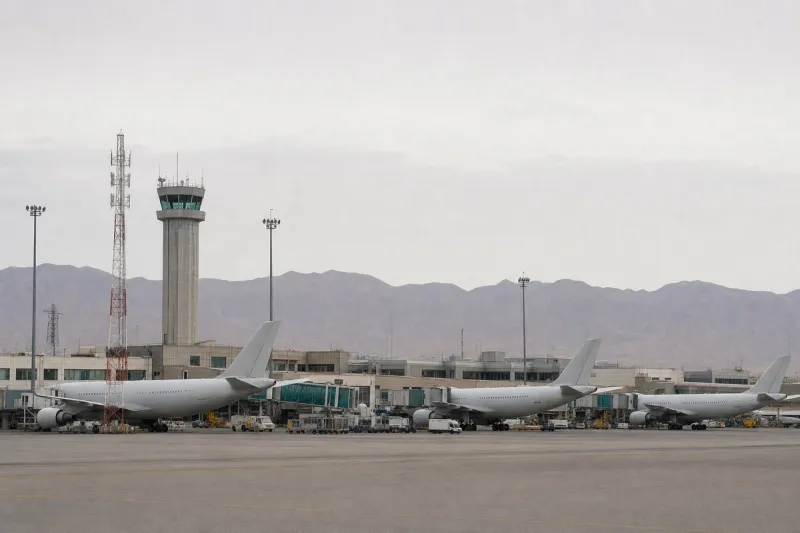
The FAA is soliciting industry input on technology capable of detecting and locating radio frequency interference across the National Airspace System, according to an FAA notice. The agency will meet with potential vendors October 13-15 to explore systems that could monitor aviation frequencies across airport, terminal, and en route environments, covering both domestic and oceanic operations through ground-based and airborne systems.
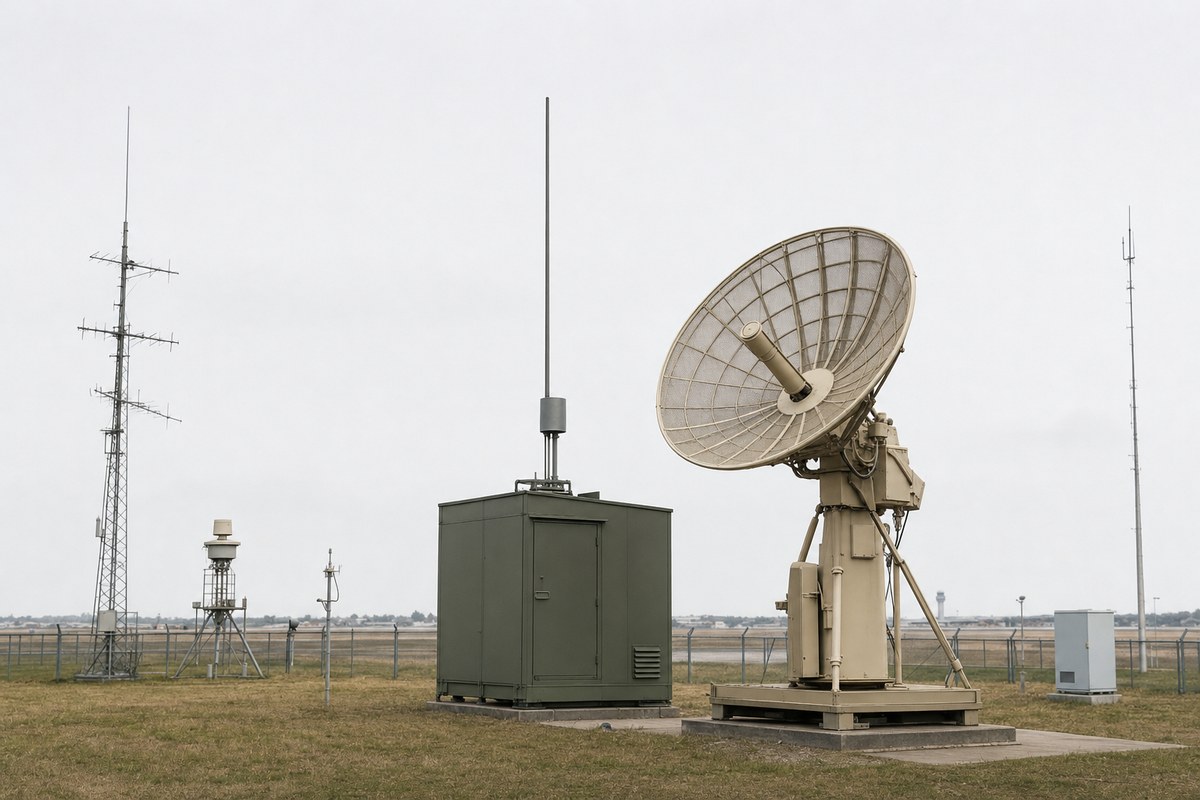
The FAA is interested in geographically distributed sensor networks that transmit data to a centralized system for analysis. The agency is evaluating technologies at various stages of development and is considering acquiring the capability as a service. "Solutions should be capable of supporting scalable deployment across distributed sensor networks while providing centralized data aggregation, analysis, and visualization," the FAA stated. The October event will include technical presentations, discussions on acquisition approaches, and individual meetings with selected vendors, with portions of the event classified.
A Government Accountability Office report found that the FAA lacked continuous monitoring capabilities for certain spectrum-related threats and generally relied on investigating incidents after they were reported. The FAA had begun seeking industry input before that report was released. The FAA has not announced a deployment schedule.
Industry impact & what to watch
This solicitation sits alongside a broader push across aviation oversight to replace reactive, incident-driven responses with persistent monitoring of systems that underpin safe operations. Spectrum interference has historically surfaced through pilot or controller reports after the fact, leaving a gap between when interference occurs and when it is detected.
A distributed sensor network spanning airport, terminal, en route, and oceanic environments would require vendors to solve for scale and centralized analysis simultaneously, which is why the FAA is treating this as a service acquisition rather than a one-time system purchase. That structure lets the agency evaluate technologies at different maturity levels without committing to a single vendor's hardware upfront.
The notice leaves open who would receive alerts the system generates and what triggers a response, questions that will likely shape how vendors pitch their architectures at the October meetings. Whether the FAA moves toward a deployment timeline will depend on what emerges from those vendor discussions and any acquisition approach the agency settles on afterward.