EASA Warns Airlines to Avoid Saudi and Jordanian Airspace Amid Houthi Attack Surge
Why It MattersOverflight risk bulletins now shift quickly across a wide Gulf airspace map, forcing carriers to continually reassess routing, fuel burn and insurance exposure region by region.
What happened
The European Union Aviation Safety Agency has issued advisories warning airlines to avoid operating in Saudi Arabian and Jordanian airspace following a surge in strikes by Iran-aligned Houthi forces. EASA published the Saudi Arabia advisory on its website, urging aircraft to steer clear of that airspace in response to heightened security risks.
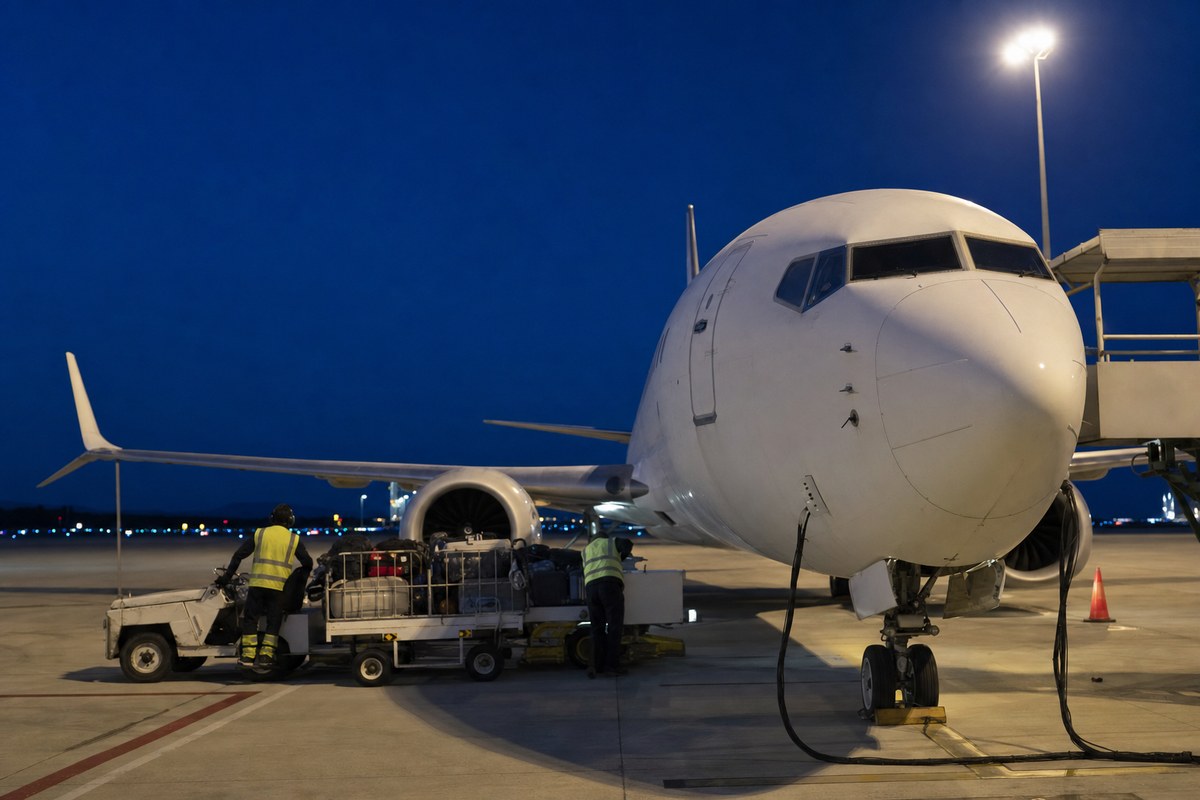
EASA noted that a flydubai aircraft diversion that occurred on the same day was not included in the latest Saudi Arabia advisory, and said it would continue monitoring the situation to assess whether the threat level to EU airlines operating in the region has increased or decreased. In a separate bulletin, EASA advised aircraft to avoid Jordanian airspace at all altitudes and flight levels, an escalation from an earlier advisory that had urged only precautionary measures.
The agency also revised existing bulletins covering the airspace of Bahrain, Kuwait, Qatar, the United Arab Emirates, and Oman. It extended until November 16 its warning for airlines to avoid the airspace over Lebanon, Iran, and Iraq, as well as the territorial Gulf waters of those countries. The advisories come amid an ongoing conflict in the Middle East in which Houthi forces based in Yemen have carried out attacks on Saudi interests, while Iran has deployed drones and missiles against US allies in the Gulf.
Industry impact & what to watch
Advisories of this kind belong to a recurring category of risk guidance that civil aviation safety bodies issue when a conflict zone's threat picture changes faster than route planning cycles can absorb. EASA's bulletins function as a running risk register rather than a single ruling: each country's airspace is assessed, revised, or extended on its own timeline, which is why Saudi Arabia and Jordan were tightened in the same update while Bahrain, Kuwait, Qatar, the UAE, and Oman were merely revised.
For carriers and their dispatch and safety teams, this kind of patchwork means route planning has to track several overlapping advisories simultaneously rather than one regional blanket warning, since the Lebanon-Iran-Iraq warning now runs on a separate clock, extended to November 16, from the fresher Saudi and Jordanian guidance.
What happens next depends on whether EASA's monitoring of the flydubai diversion and the broader Houthi strike pattern leads it to fold Saudi Arabia into the same all-altitude restriction already applied to Jordan, or instead to ease the advisory if the threat level is judged to have declined.