FAA Surface Safety Tools and Airport Data: What Private Jet Pilots Need to Know
Why It MattersThe case underscores that controller-side surface technology supplements rather than substitutes for crew preflight diligence, so runway-incursion risk in business aviation keeps hinging on pilots' own airport-data review.
What happened
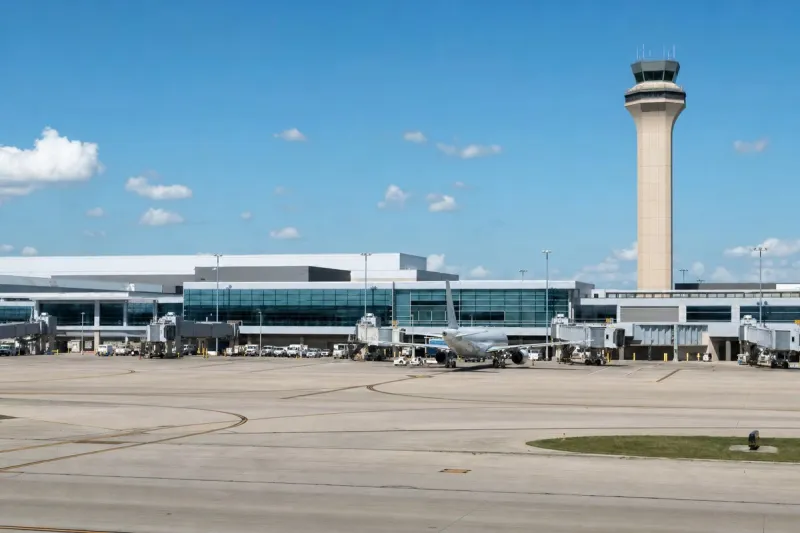
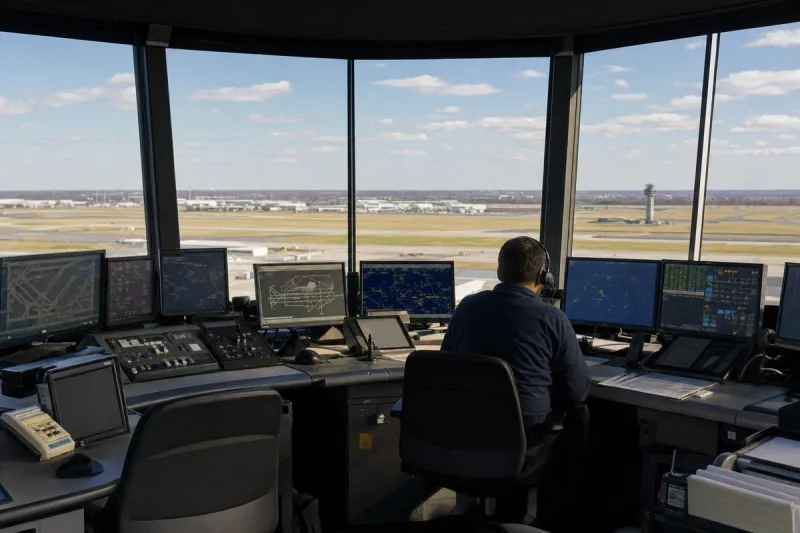
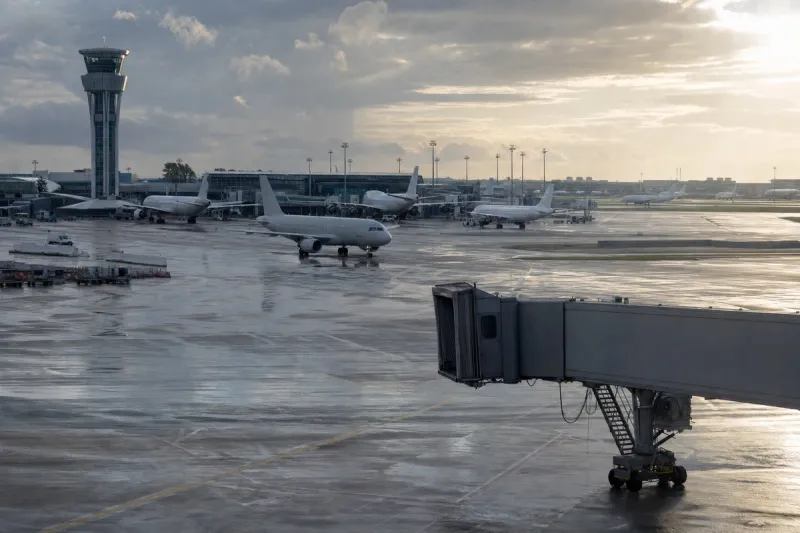
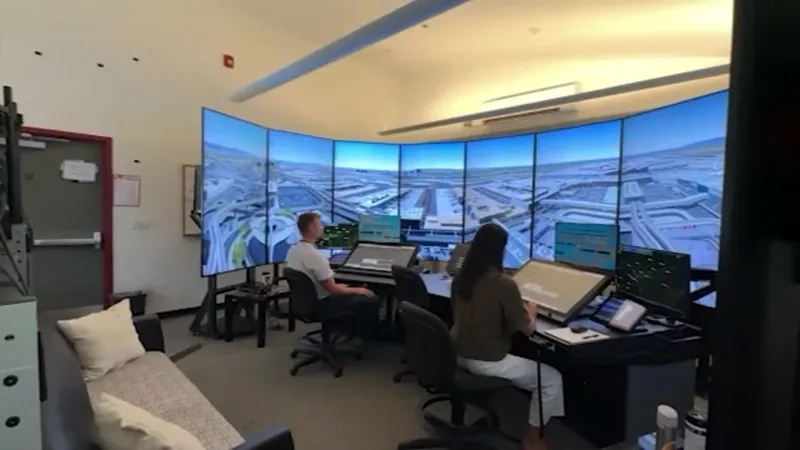
The FAA is rolling out new controller technology intended to improve situational awareness on airport surfaces, part of what it calls a Surface Safety Portfolio comprising three tools. The Surface Awareness Initiative (SAI) gives controllers a visual display of ADS-B-equipped aircraft and vehicles on the airport surface, including areas not visible from the tower. Approach Runway Verification (ARV) alerts controllers when an arriving aircraft is not aligned with its assigned runway. The Runway Incursion Device (RID) issues visual and audio warnings when a runway is occupied or closed, and the FAA is installing RID in 74 control towers.

Alongside the controller tools, the FAA's guidance for pilots stresses that declared distances — TORA, TODA, ASDA and LDA — can differ significantly from a runway's physical length, due to displaced thresholds, stopways, construction or partial closures. At Dallas Executive Airport, a displaced threshold leaves 5,537 feet available for landing on runway 13 out of 7,136 feet of total pavement. Elevation, slope, temperature, wind and gross weight further affect whether an airport is operationally suitable for a given flight.
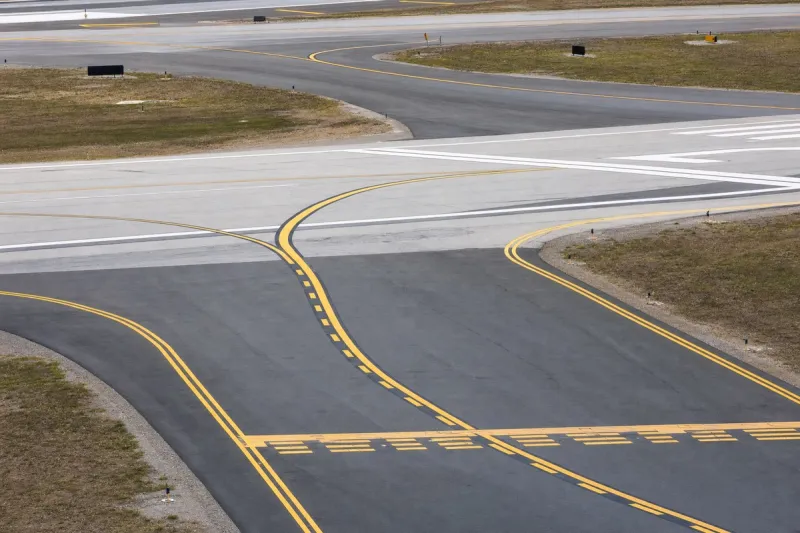
The FAA defines a hot spot as a location on an airport movement area with a history of potential collision or runway incursion risk, where heightened attention is required. The FAA reports that over 80 percent of pilot-caused runway incursions occur while taxiing to the departure runway. Current NOTAMs and the Automatic Terminal Information Service (ATIS) are described as the primary sources for same-day changes such as taxiway closures, partial runway closures, lighting outages, unserviceable signs and altered taxi routes.
Industry impact & what to watch
This pairing of controller-side technology with pilot preflight guidance reflects how runway-incursion risk is managed as a shared responsibility between air traffic control and the flight deck, rather than something either side can address alone. Business aviation crews operating frequently into unfamiliar airports depend on exactly the kind of same-day information — NOTAMs, ATIS, hot spots, declared distances — that the FAA's guidance highlights, since static airport diagrams alone do not capture closures or outages that appear on a given day.
How this segment functions in practice is that neither the new controller tools nor the preflight data sources are optional add-ons: SAI, ARV and RID address what controllers can see and alert on, while a dedicated departure-taxi briefing addresses what the FAA's own figure shows is the majority failure point for pilot-caused incursions, occurring during taxi to the runway.
The RID rollout across 74 towers is the concrete milestone to track, since completion of that installation schedule is the clearest sign of how far the controller-side portion of this safety layer has progressed at any given point.