Avionics Automation Surprises: Real Incidents Highlight Risks of Working Ahead in Instrument Flying
Why It MattersThe cases point to a recurring instrument-flying risk in which pre-programming avionics to reduce workload can itself displace the core flying priorities it was meant to support.
What happened
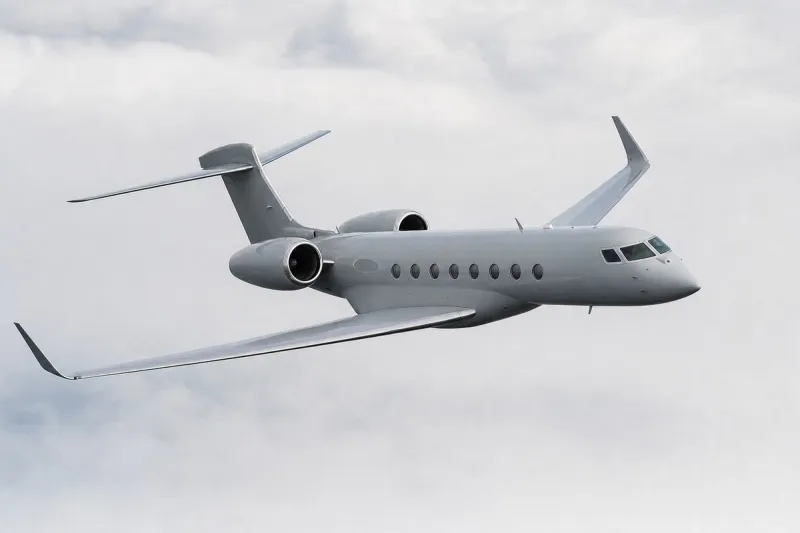
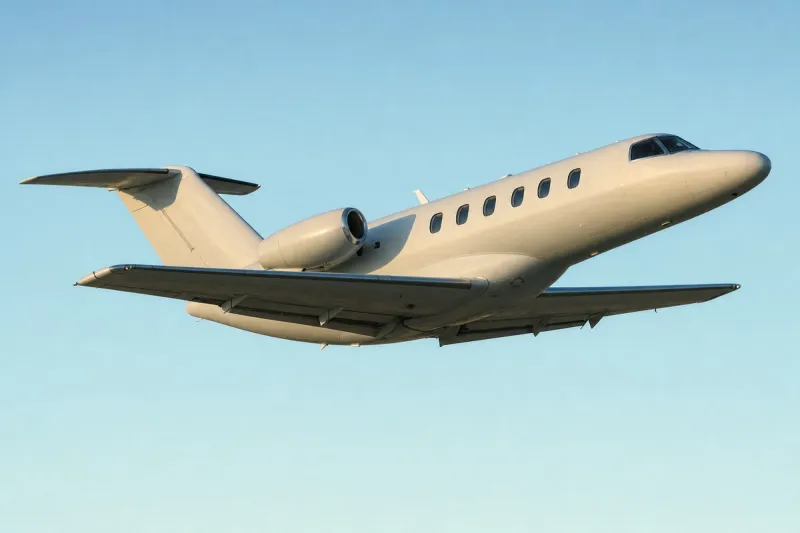
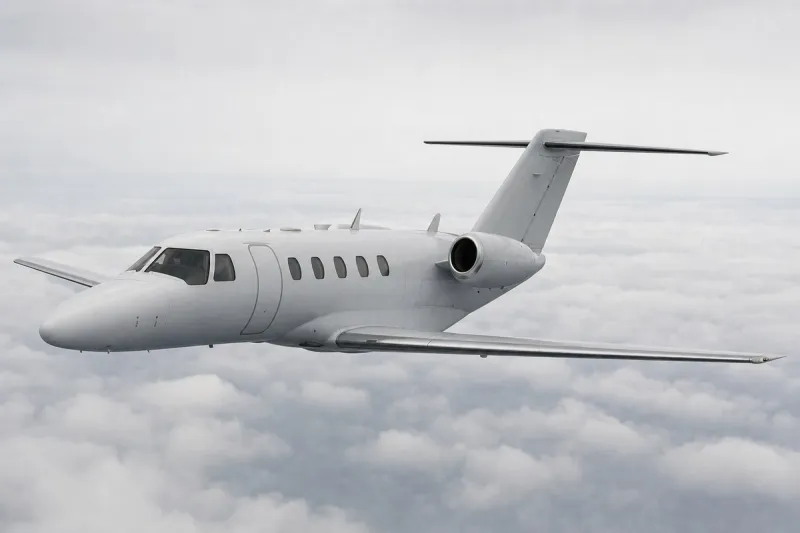
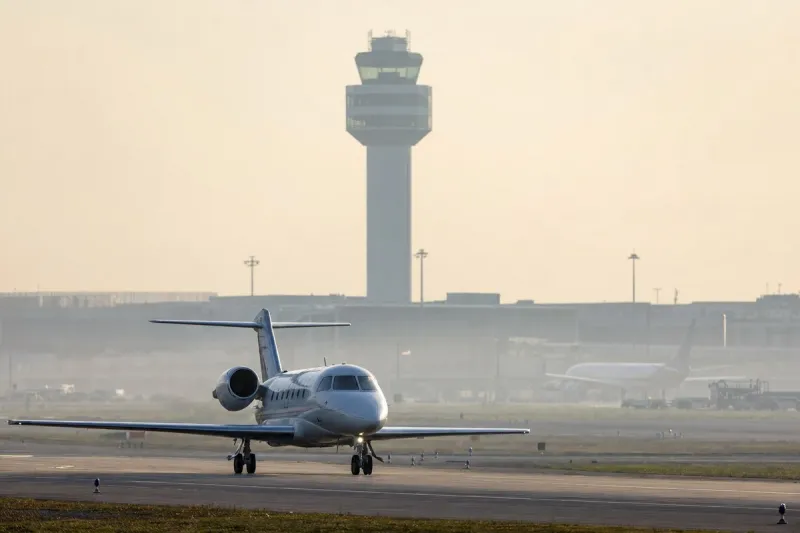
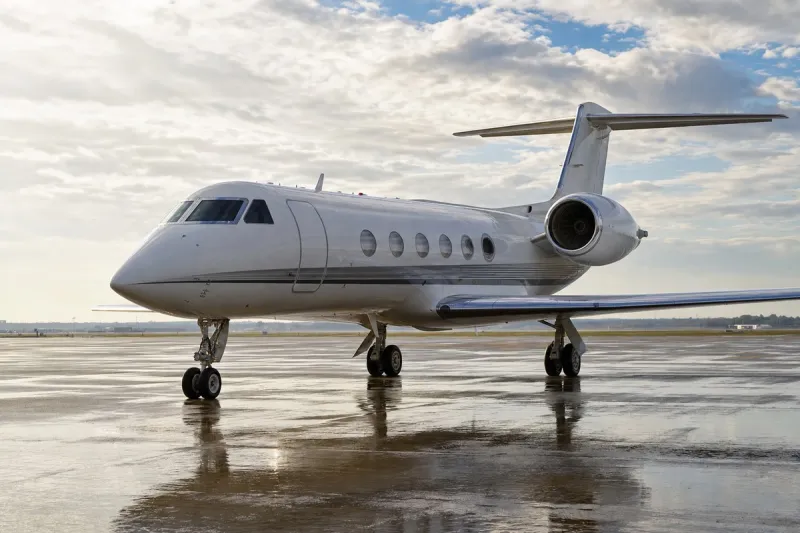
A flight instructor described two separate cockpit incidents involving Cirrus Vision Jets during instrument approaches, both centered on avionics programming performed while working ahead of the aircraft's position. In the first, the instructor was flying with a client on an arrival into a Southern California airport. The crew had been cleared to "descend via" the arrival and was using the autopilot's VNV (vertical navigation) key to fly the stepdown altitudes automatically. While working ahead, the pilot loaded the ILS approach and prematurely activated vectors to final, which caused the HSI course pointer to switch from magenta (GPS) to green (localizer), the autopilot to revert to wings-level ROL mode, and vertical navigation to cancel.
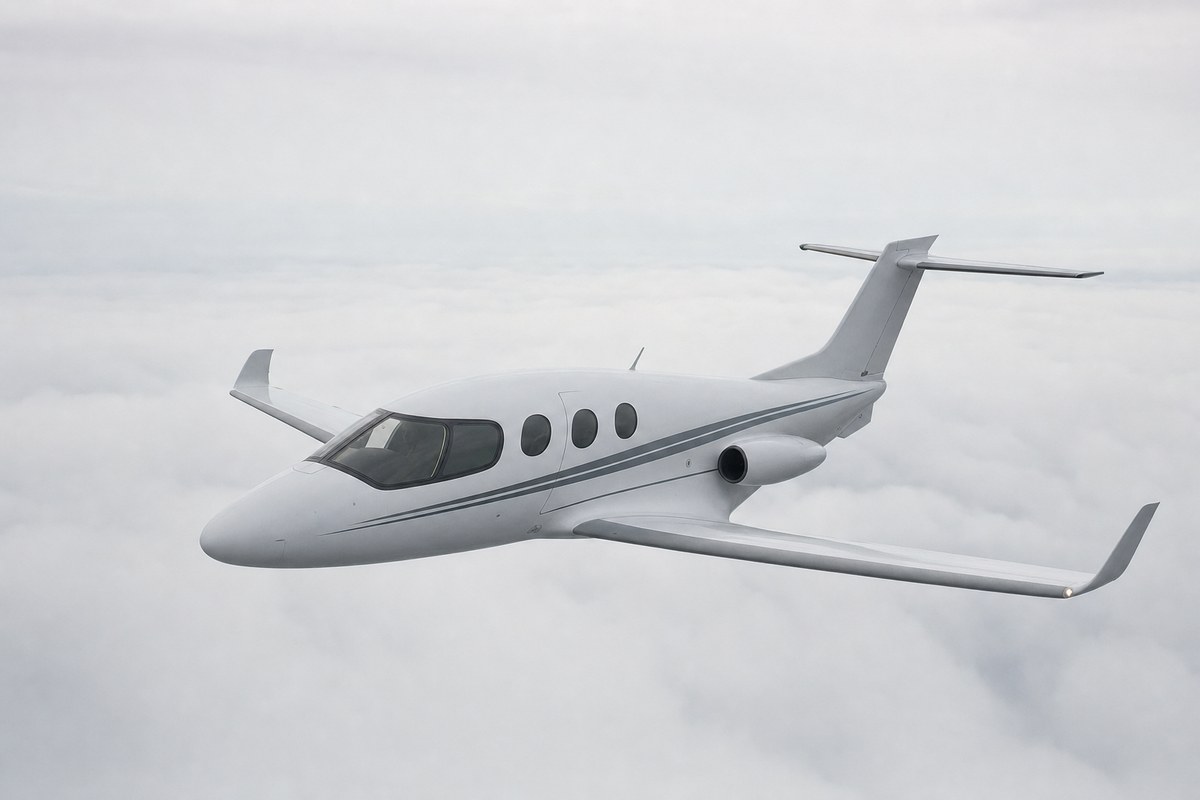
In the second incident, the same instructor was flying with a newly delivered Vision Jet pilot who had not yet completed his type rating, during an approach into the pilot's home airport. The controller issued a series of stepdowns, including a descent from 6,000 feet to 5,000 feet. The instructor observed the pilot correctly set the autopilot altitude selector to 5,000 feet, then turned his attention to reviewing an approach chart. Without the instructor noticing, the pilot changed the altitude selector to 4,300 feet — the next anticipated altitude — while the aircraft was still passing through the intervening altitude range.
The instructor recounted both incidents to illustrate how programming avionics ahead of time, a practice instrument instructors generally encourage to reduce workload, can introduce errors when attention shifts away from the aircraft's current clearance.
Industry impact & what to watch
Both incidents belong to a familiar category in instrument flying: automation that is meant to reduce workload instead displaces attention from the immediate task at hand. The autopilot mode changes in the first case and the unnoticed altitude change in the second both occurred because a setup action — loading an approach, anticipating a future clearance — took priority over monitoring what the aircraft was actually doing in that moment.
In instrument operations, staying ahead of the airplane and staying on top of the airplane are not the same discipline, and the balance between them is where these errors live. Rolling out on assigned headings, leveling at cleared altitudes, and intercepting the final approach course are described as priorities that setup tasks must never displace, yet the avionics tools designed to ease that workload can quietly invite exactly that displacement if a pilot's attention moves to the next step before the current one is confirmed complete.
What follows from these accounts is a training question rather than a technology one: whether pilots rehearse not just how to program ahead but how to recognize and undo an erroneous entry before it changes aircraft behavior. Simulator practice of avionics procedures, including deliberate error recovery, is the specific remedy raised in connection with both incidents.