Geopolitical Instability Reshaping Private Aviation Routing, Costs and Operations
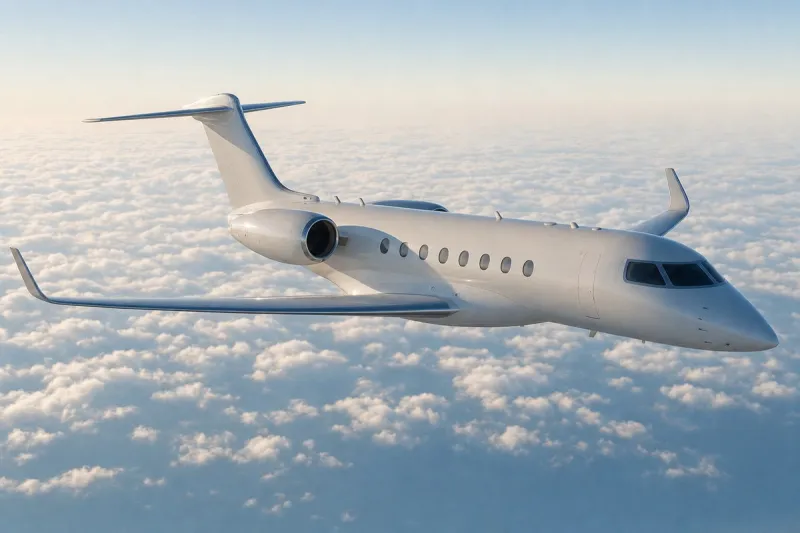
Why It MattersRising airspace volatility is pushing charter operators toward larger, longer-range aircraft and contingency routings that can absorb sudden permit withdrawals, insurance shifts and regional capacity squeezes.
What happened
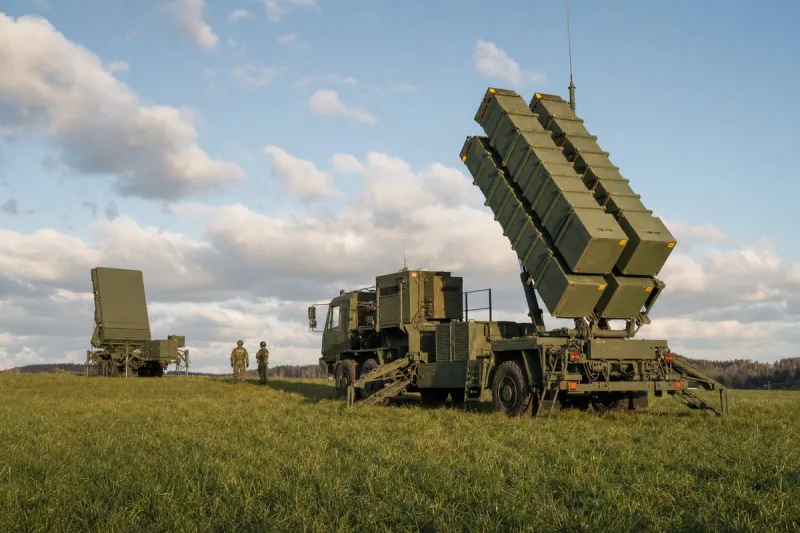
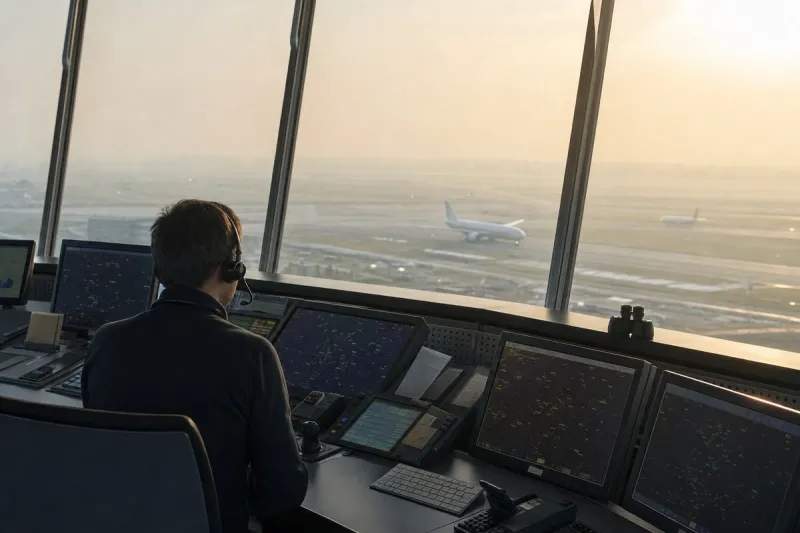
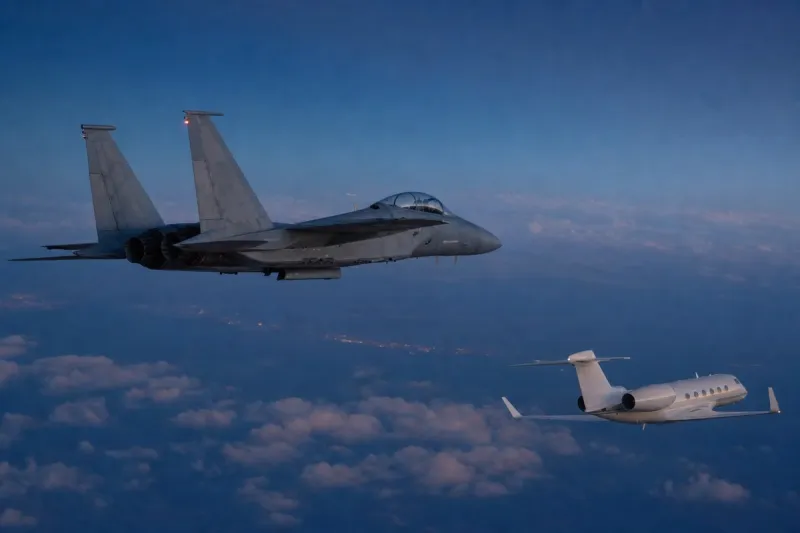
More than 60 active conflicts are recorded globally, roughly double the number of five years ago, and geopolitical instability is producing measurable operational consequences for private aviation well beyond the regions directly involved. Airspace restrictions can be issued with little or no warning through Notices to Airmen, forcing reroutes that may add 50 nautical miles on a minor adjustment or two or more hours plus an unplanned fuel stop on a severe one. Overflight permits granted one week may be withdrawn the next as diplomatic relations shift, economic sanctions can bar aircraft of certain registrations from specific airspace entirely, and military activity or elevated security assessments by operators and underwriters add further grounds for last-minute routing changes.

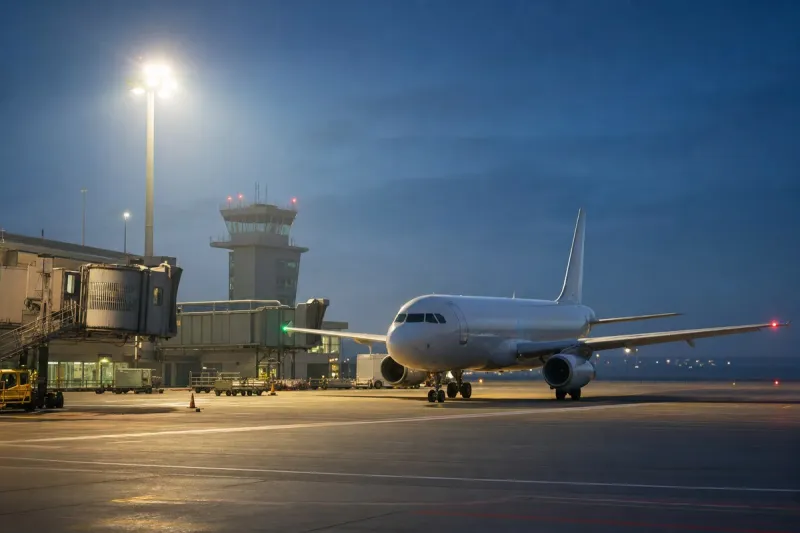
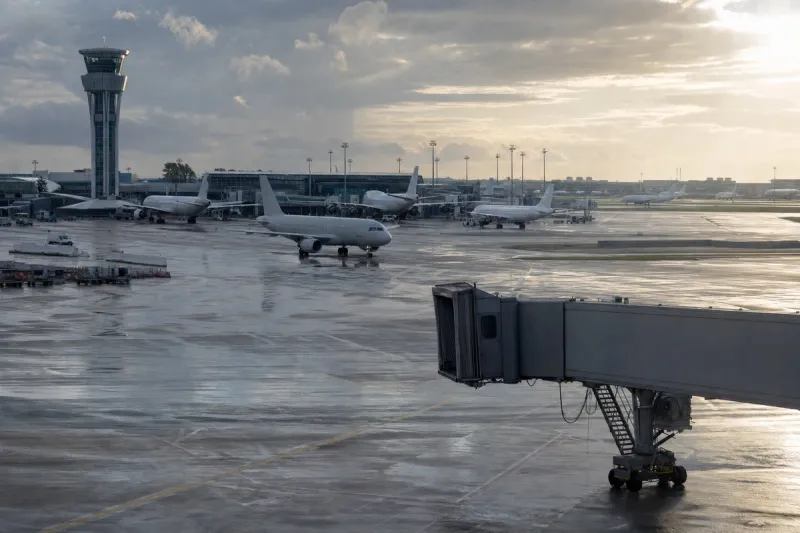
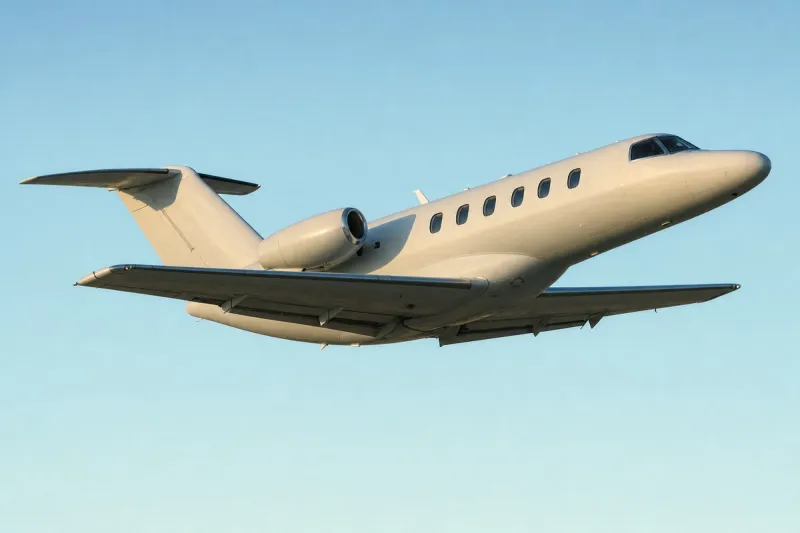
When an airport becomes unavailable — through full closure from a direct security threat, partial operating restrictions, a suspension of business aviation movements, crew and handling shortages, or insurance withdrawal — the alternative airport must be assessed for its ability to accept the aircraft type, provide available slots and handling capacity, process customs and immigration for the passenger group, and offer realistic onward ground transport. Extended routings add distance that increases fuel burn and may reduce payload or necessitate a technical stop; longer sectors can push crew beyond permitted duty hours, requiring a rest period or a second crew; an aircraft with range for a direct routing may lack range for the diversion, requiring a different aircraft type; and a later arrival may fall outside destination airport operating hours, incurring out-of-hours charges or forcing an overnight stop.
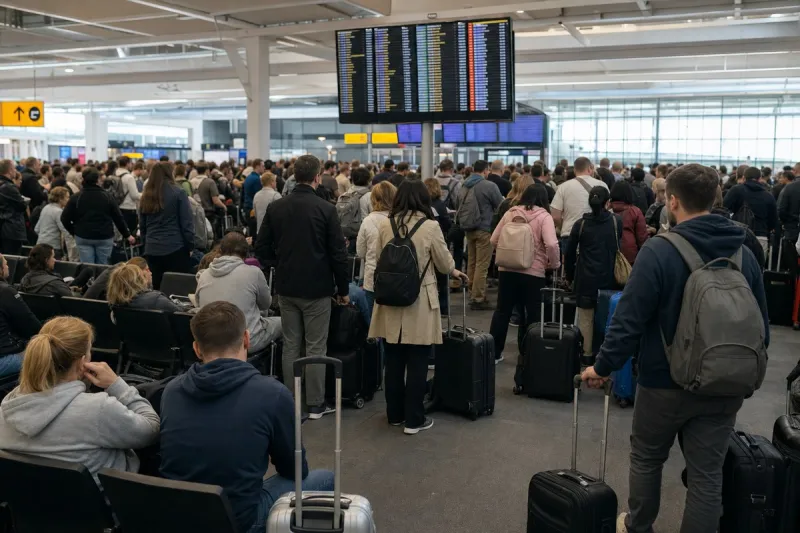
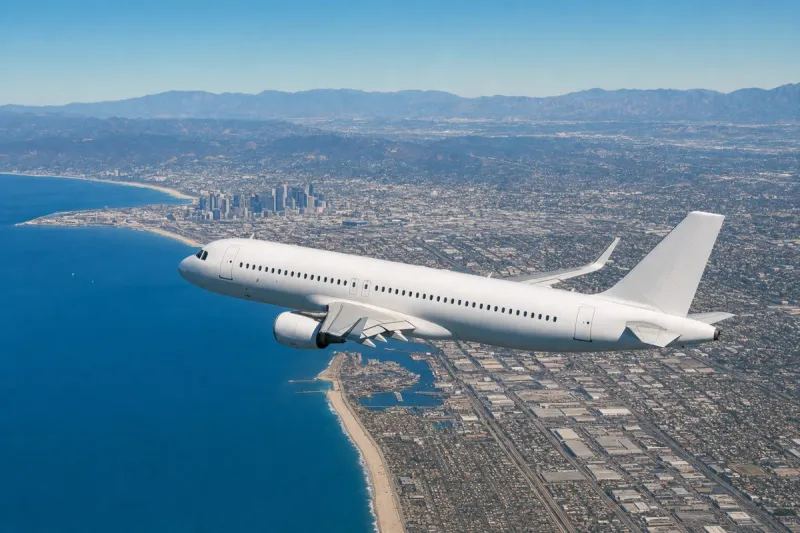
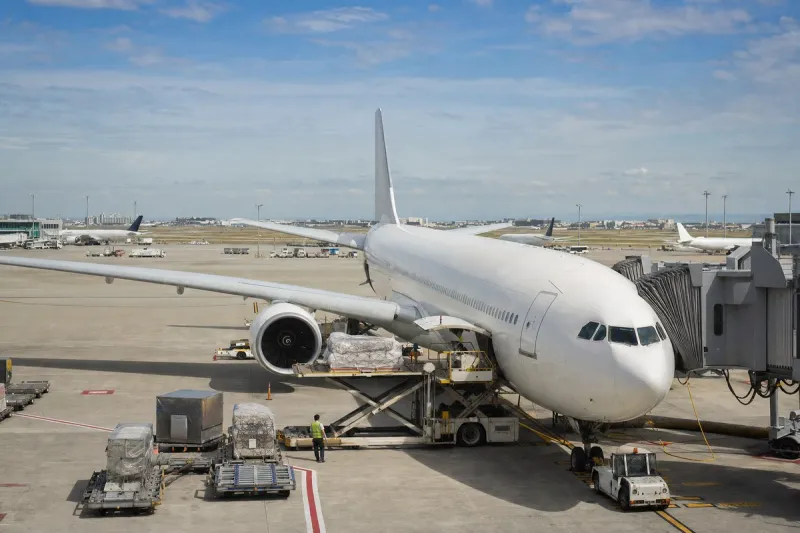
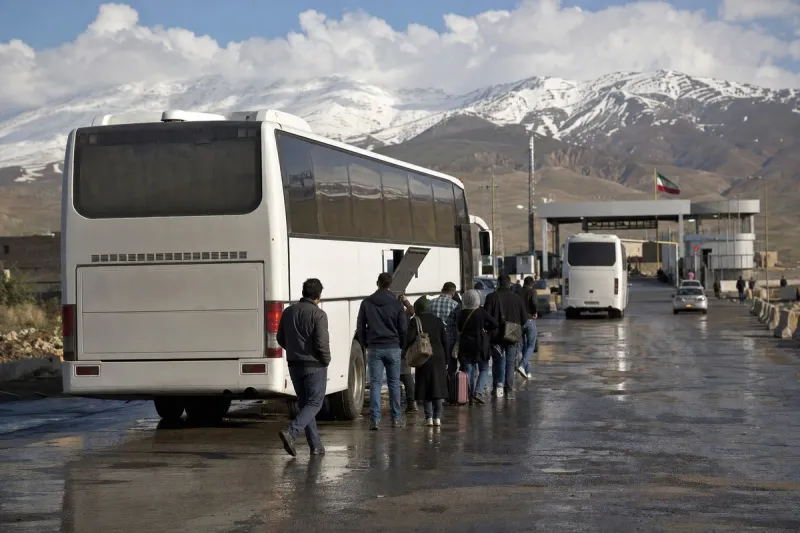
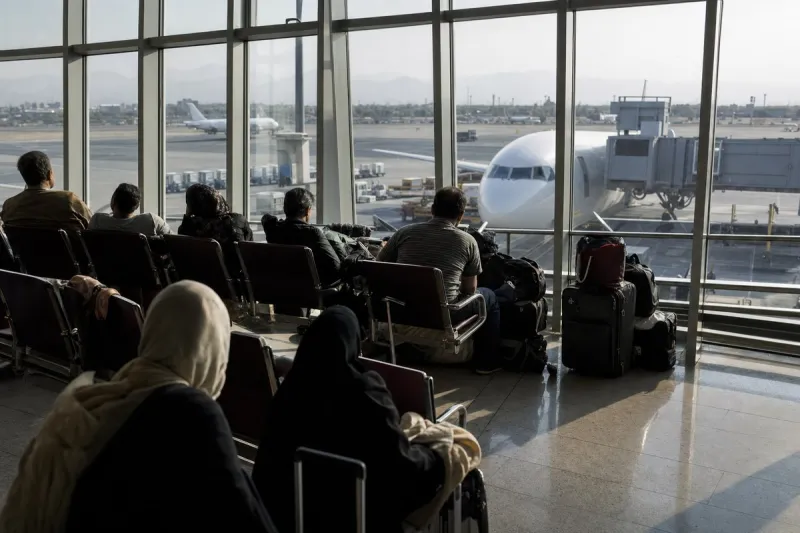
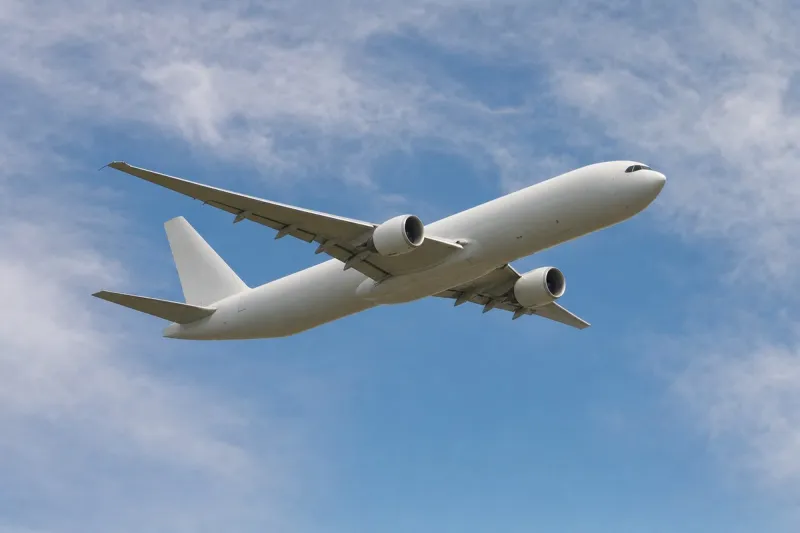
During a recent crisis in the Middle East, a group travel operator faced widespread airspace restrictions and cancellations affecting 415 clients who needed repatriation to the United Kingdom from Sri Lanka and India. The operation sourced an Airbus A350-900 to move all 415 passengers on a single flight, planned a routing that avoided restricted Middle Eastern airspace entirely, coordinated flight permissions for both Colombo and London Stansted, and maintained continuous updates with the client throughout the 12-hour sector.
Cost drivers behind the pricing response
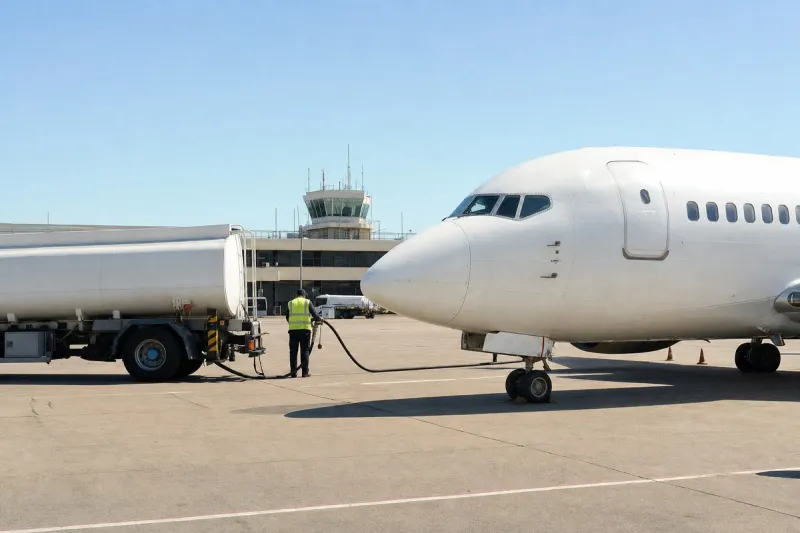
Charter pricing responds to these pressures through identifiable cost drivers: longer routings generate more flight hours, fuel, crew time and navigation charges, and energy markets react quickly to geopolitical events so jet fuel prices follow. War-risk insurance premiums rise for routings near affected regions, the available aircraft pool narrows when certain operators or registrations cannot access particular airspace, repatriation and evacuation demand can absorb regional capacity within days, and expedited permits and out-of-hours handling carry premium charges.
Industry impact & what to watch
This case illustrates how a single disrupted sector can cascade through nearly every layer of a charter operation: routing, aircraft selection, crew duty limits, airport capacity and insurance cost all move together once airspace access becomes uncertain. The doubling in active conflicts over five years means this is no longer a narrow contingency for operators flying near a specific hotspot — permit volatility and sanctions-driven registration restrictions can reach fleets and routes with no direct connection to the affected region.
The segment's underlying mechanics explain why the response shows up in price rather than availability alone: narrower aircraft pools, compressed repatriation timelines and rising war-risk premiums all land on the charter rate even when the aircraft itself never enters contested airspace. An alternative airport chosen purely for proximity can still fail on slots, customs capacity or ground transport, which is why routing decisions in these situations weigh aircraft fit, permissions and onward logistics together rather than sequentially.
What happens next depends on how quickly affected states restore overflight permissions and how underwriters reprice war-risk premiums as specific conflicts evolve — both of which determine whether current reroutes and cost premiums are temporary or become the new baseline for routes near unstable regions.