Kansas Avionics Company Owner Sentenced to 18 Months for Illegal Exports to Russia
Why It MattersThe case shows how export-control enforcement in aviation now reaches avionics repair and resale chains, treating concealment, relabeling and third-country routing as prosecutable links in a single scheme.
What happened
Cyril Gregory Buyanovsky, 63, of Lawrence, Kansas, has been sentenced to 18 months in federal prison for illegally exporting controlled aviation technology to Russia. Buyanovsky, the former owner and president of KanRus Trading Company, pleaded guilty to conspiracy and money laundering charges tied to the sale of controlled avionics equipment without the required export licenses.
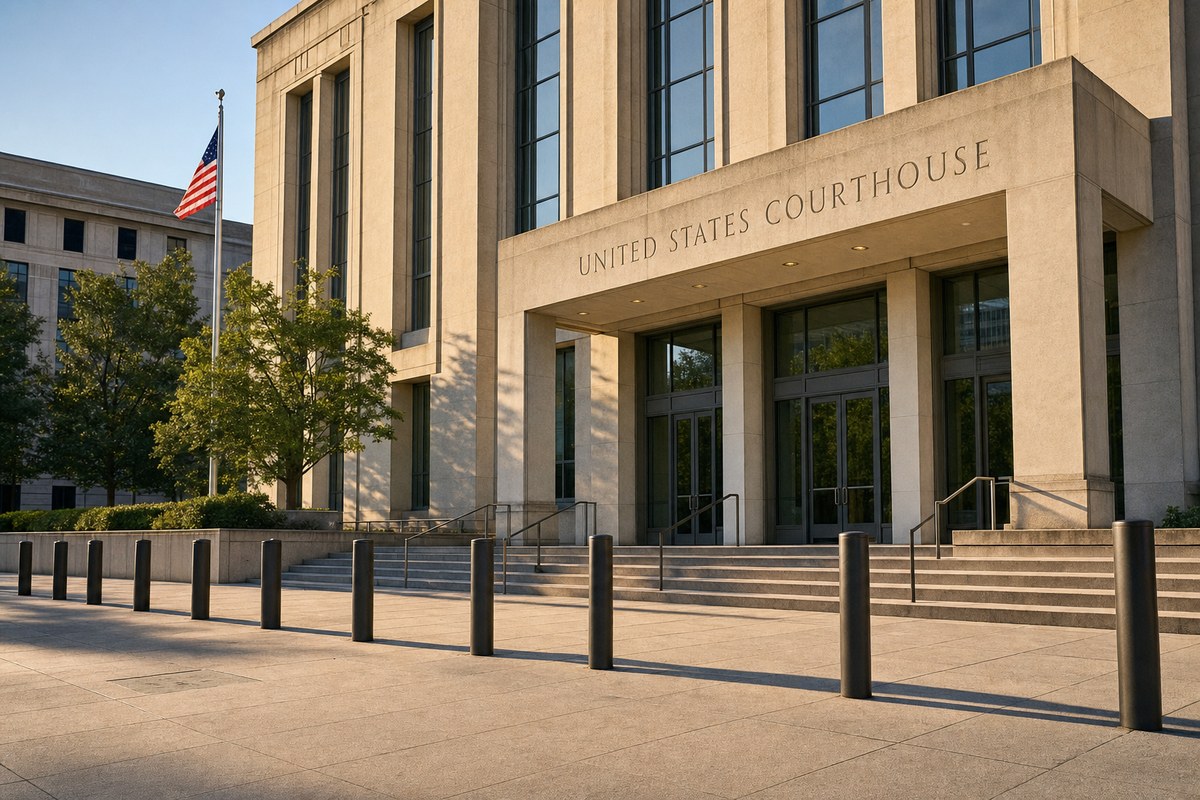
Federal prosecutors said KanRus continued supplying Russian customers after the United States tightened export restrictions following Russia's invasion of Ukraine in 2022. The scheme involved concealing the intended recipients of shipments, routing goods through intermediaries in third countries, removing identifying markings from equipment before having it repaired by a U.S. company, and then returning it to Russia. Prosecutors said the group also used false export documentation and routed payments through foreign bank accounts.
"The defendants ignored those laws and saw the war not as a humanitarian crisis, but as a business opportunity to boost their profits," said U.S. Attorney Ryan A. Kriegshauser in the September sentencing announcement. Buyanovsky agreed to forfeit more than $450,000 in avionics equipment and accessories, along with a $50,000 personal forfeiture judgment.
Two associates were also sentenced in connection with the case. Former KanRus Vice President Douglas Robertson received a 32-month prison sentence in June, while Latvian broker Oleg Chistyakov was sentenced to 28 months. The case was investigated by the FBI and the Department of Commerce's Office of Export Enforcement, with assistance from Latvian authorities and U.S. Customs and Border Protection.
Industry impact & what to watch
This case belongs to a category of export-control prosecutions that have followed the 2022 tightening of restrictions on sales to Russia, where enforcement agencies pursue not just the original exporter but repair shops, brokers and payment intermediaries drawn into the same supply chain. The avionics repair step described here — stripping markings, servicing equipment domestically, then shipping it onward — shows how controlled parts can re-enter a restricted market through a legitimate U.S. repair channel if that channel is not screened for end use.
For avionics suppliers and repair stations, the mechanics matter more than the headline sentence: a conspiracy case built on false export paperwork, third-country intermediaries and foreign bank routing signals the specific control points — documentation, destination verification, and payment tracing — that investigators are now able to reconstruct after the fact.
What remains to be seen is whether the forfeiture of more than $450,000 in equipment and the sentences handed to Robertson and Chistyakov prompt further referrals from the FBI or the Office of Export Enforcement against other intermediaries named in the broader investigation.