Poll: 79% of Britons Support Higher Private Jet Tax, Only 7% Back Current Rate
Why It MattersThe findings add pressure on policymakers to revisit how private aviation's lower effective tax rate on fuel and tickets compares with wider public transport taxation.
What happened
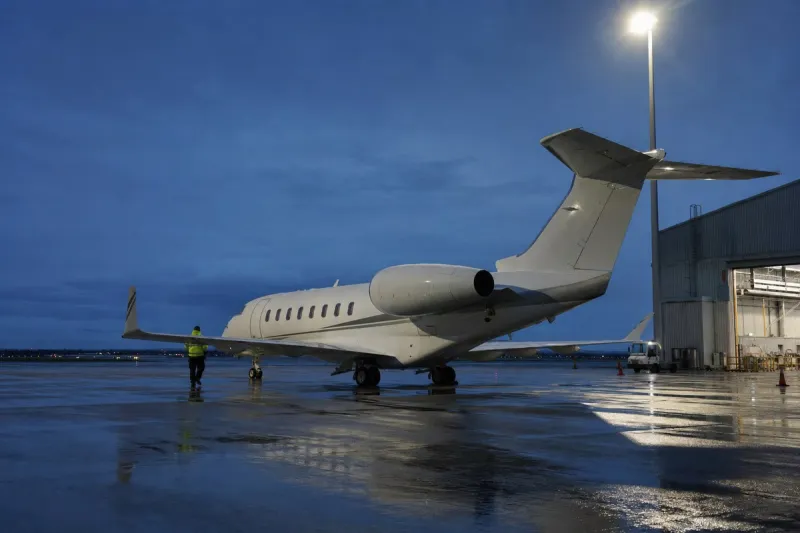
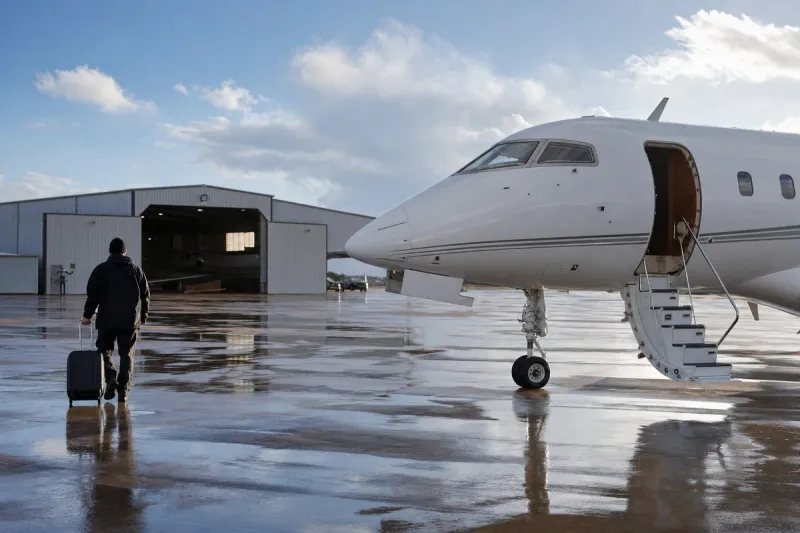
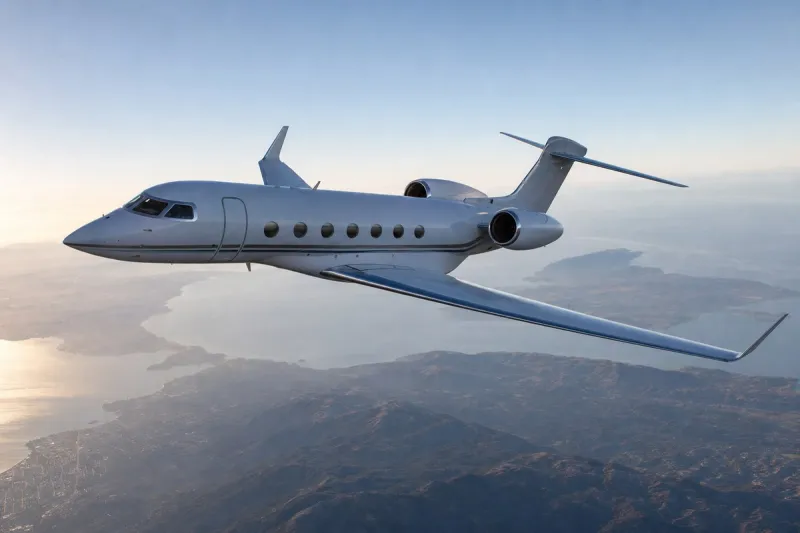
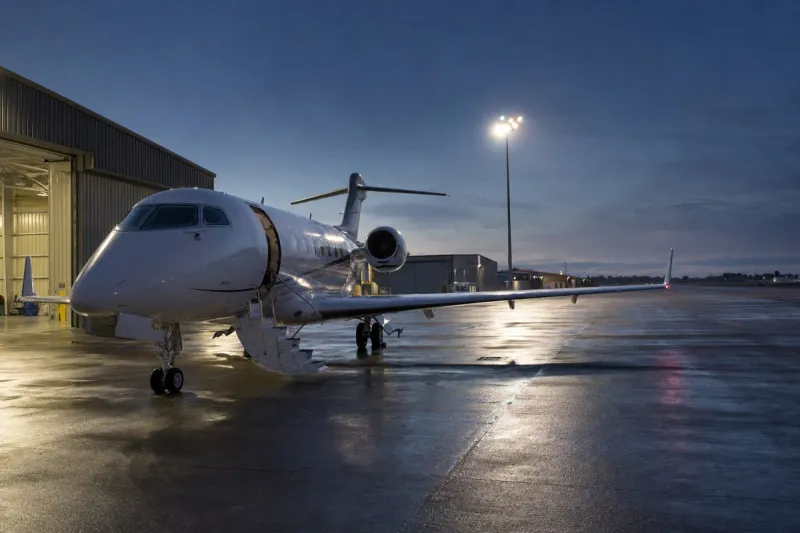
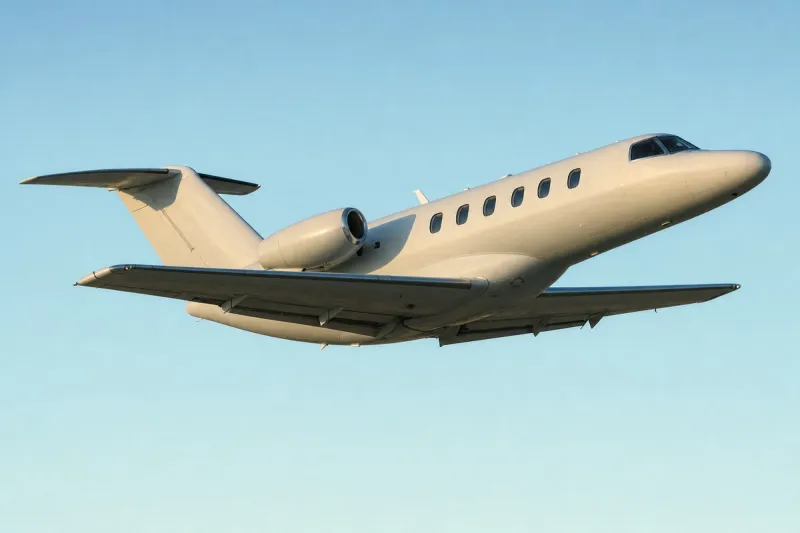
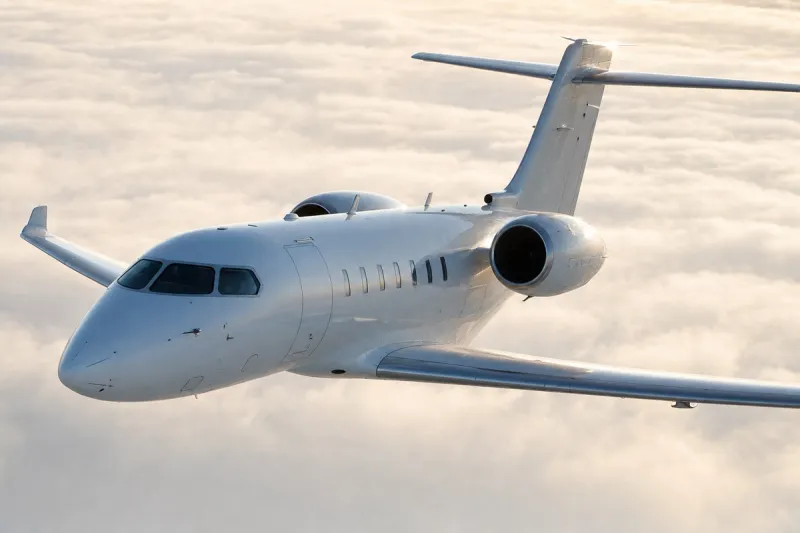
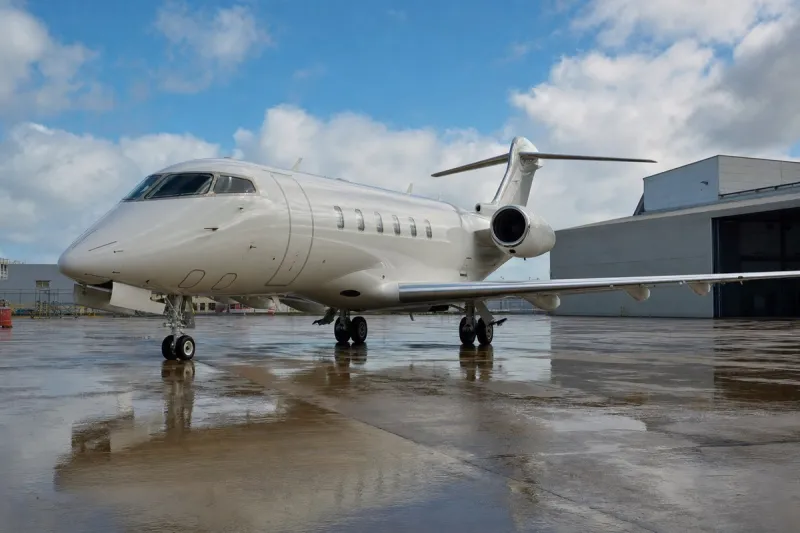
A new poll commissioned by the charity Possible and conducted by More in Common finds that 79 per cent of people in Britain support a tax on private jets, while only 7 per cent believe private jet fuel should be taxed at its current rate. The survey also found that 56 per cent support taxing private jet fuel at a higher rate than petrol or diesel for car drivers, and that nine out of ten Labour Party voters back higher private jet taxes. Support crosses party lines: 77 per cent of Conservative and Reform voters favour increasing the tax paid by private jet users, with only 6 per cent opposed.
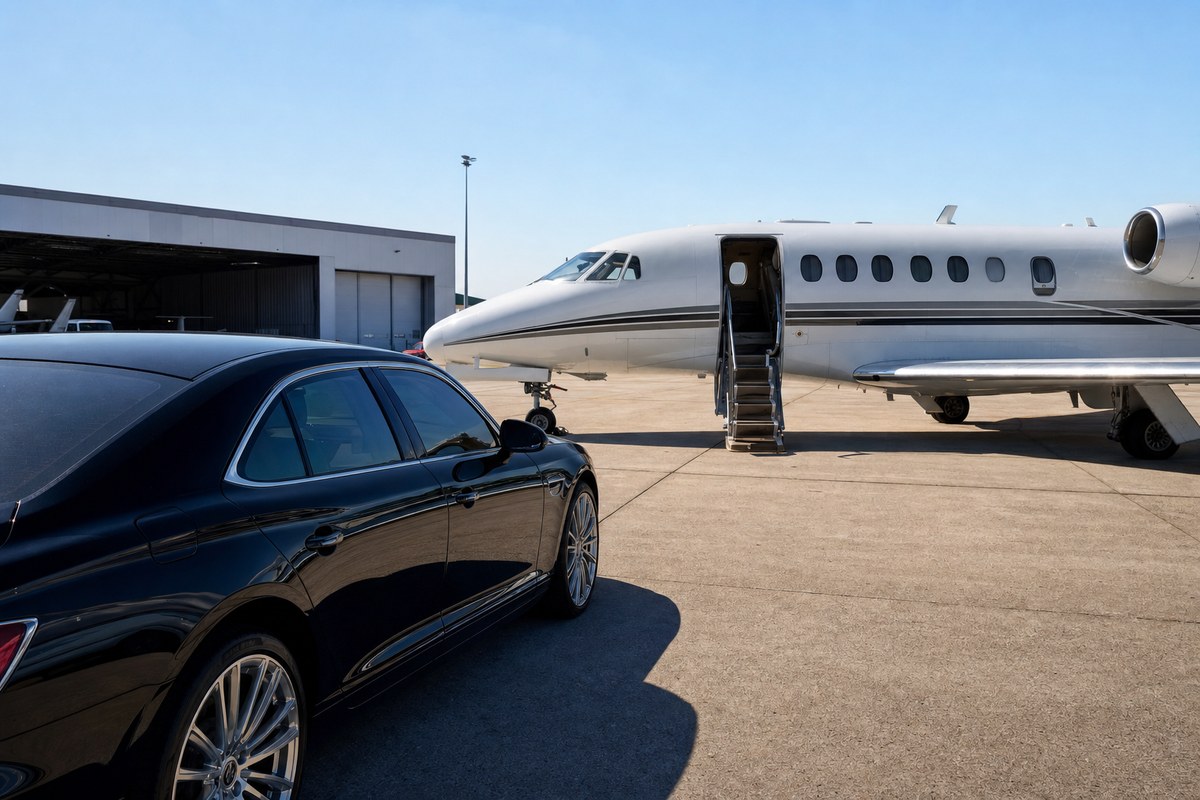
According to Possible, a London-to-New York private jet passenger emits 27 times more CO₂e than an economy-class passenger on the same route. Currently, private jet passengers pay Air Passenger Duty amounting to approximately 0.1–0.8 per cent of the ticket cost for a London-to-Paris flight, compared with around 54 per cent APD on a cheap economy fare on the same journey.
Possible estimates that a fairer system of private jet taxation could raise up to £2.7 billion a year, potentially funding public services including the NHS and schools. Six in ten respondents said they believe a private jet tax would benefit the overall UK economy, and 46 per cent of those surveyed estimated the revenue would be under £1 billion.
Labour MP for North East Herts Chris Hinchcliff said: "A tax on private jets to fund essential services is common sense for both our economy and our environment. Those at the top of society should be paying their fair share." Myles Cummins, aviation campaign manager at Possible, said private jet passengers are "paying almost nothing in tax compared to ordinary people" while "producing an astronomical amount of pollution on journeys that only the obscenely wealthy can afford."
Industry impact & what to watch
Polling that shows cross-party agreement on taxing a small, visible luxury segment tends to put that segment on the political agenda even without a bill in front of parliament, since it removes the usual argument that reform would be unpopular with voters. The structural point here is the gap between how private aviation and commercial aviation are taxed on the same route: a near-token Air Passenger Duty on private jet travel sits alongside a much higher effective rate on economy fares, and a poll like this one is built to make that asymmetry the story rather than any single flight or operator.
Fuel and ticket taxation in private aviation has historically been set at a flat, low rate regardless of aircraft size or distance flown, which is precisely the mechanism campaigners are targeting when they compare it with per-mile emissions or with road fuel duty. Whether that mechanism actually changes depends on government willingness to legislate a differentiated rate, something a charity-commissioned poll can pressure for but cannot itself produce.
The next marker to watch is whether the Treasury or Department for Transport responds publicly to the £2.7 billion revenue estimate, since that figure — not the headline support numbers — is what would need independent verification before it could underpin any policy change.