NASA's X-59 Sets Single-Week Flight Record, Reaches New Top Speed of Mach 1.53
Why It MattersThe data NASA gathers from these expanding test envelopes feeds directly into the regulatory noise thresholds that will determine whether supersonic flight over land becomes commercially viable.
What happened
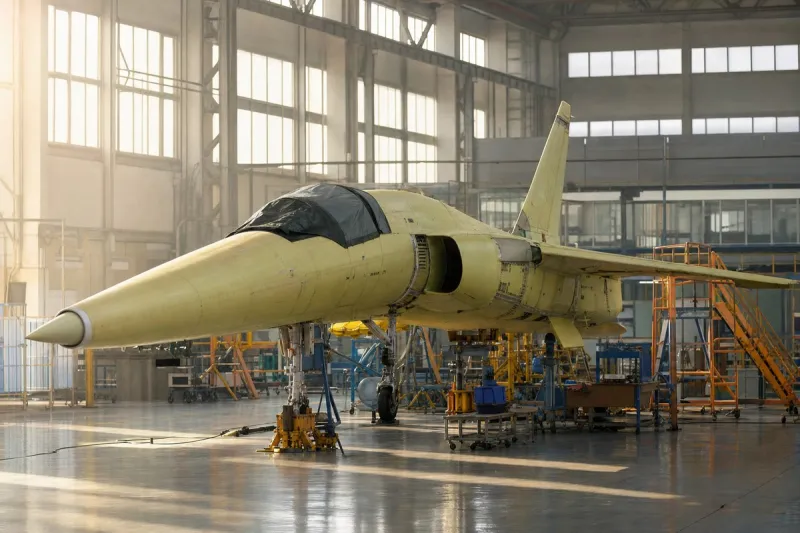
NASA's X-59 quiet supersonic experimental aircraft flew six times during the week of September 21, 2026, setting a new single-week flight record and surpassing its previous record by two flights. The aircraft flew twice on September 22, then flew twice more on September 24 and twice again on September 25. The run brought the X-59's total test flight count to 38.
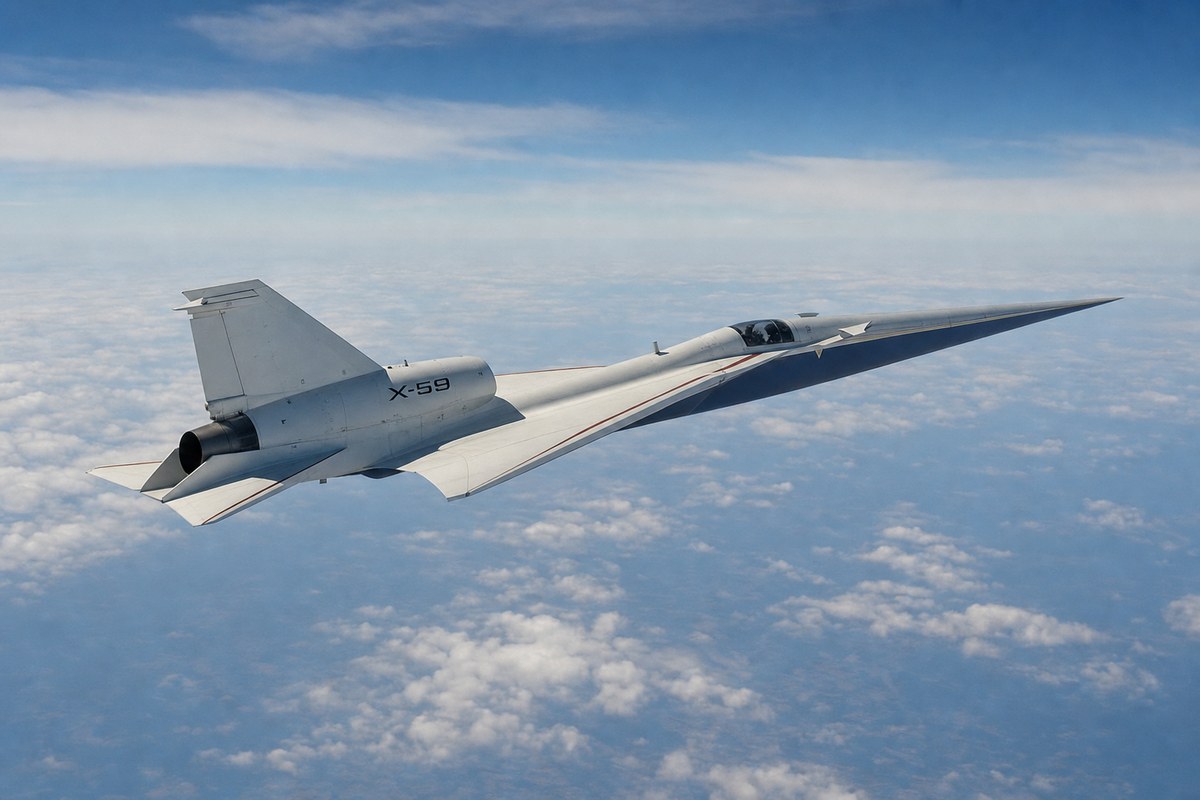
During one of the week's flights, the X-59 reached Mach 1.53 — approximately 1,010 mph — a new top speed for the aircraft, exceeding its planned cruise speed of Mach 1.4. The accelerated schedule is part of the aircraft's flight envelope expansion, a testing phase designed to evaluate performance across a range of speeds, altitudes, and maneuvers.
Following the record-setting week, the X-59 entered a scheduled maintenance period expected to last approximately three weeks. After maintenance is complete, the aircraft will undergo a regular systems review before returning to flight testing. The X-59 is the centerpiece of NASA's Quesst mission, supported through NASA's Aeronautics Research Mission Directorate.
Industry impact & what to watch
Flight envelope expansion campaigns like this one exist to compress years of flight-test risk into a tight, data-dense window, and the jump from a planned Mach 1.4 cruise to a demonstrated Mach 1.53 shows the aircraft operating beyond its baseline design point rather than merely confirming it. That matters for Quesst specifically, because the mission's entire premise rests on producing a quieter thump instead of a traditional sonic boom across a range of real flight conditions, not just one.
The Quesst mission's broader purpose is regulatory: NASA intends to share the public-response and acoustic data it collects with national and international regulators to help set new noise thresholds for commercial supersonic flight over land. That places flight-test cadence — how many flights, at what speeds, how often — directly in the path of any future rulemaking on overland supersonic operations.
The next marker is the roughly three-week maintenance window and the systems review that follows it, which will determine how quickly NASA can resume building toward the volume of flight data regulators need before any noise-threshold proposal can move forward.