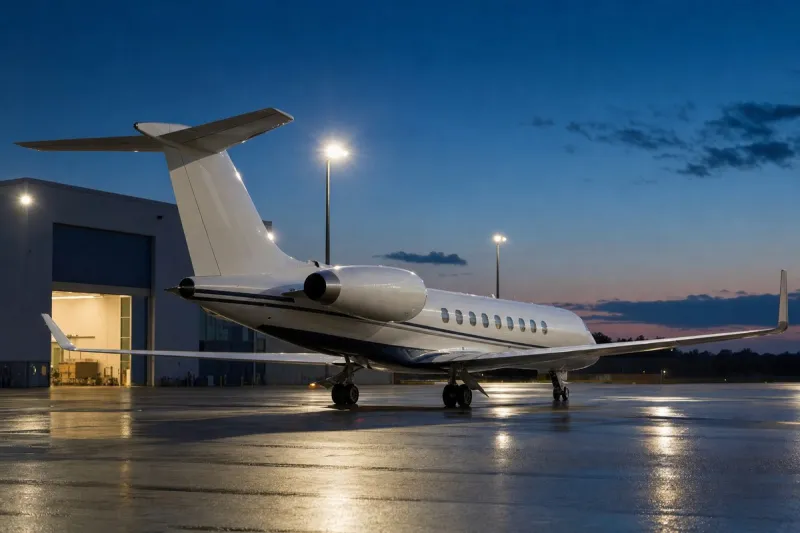
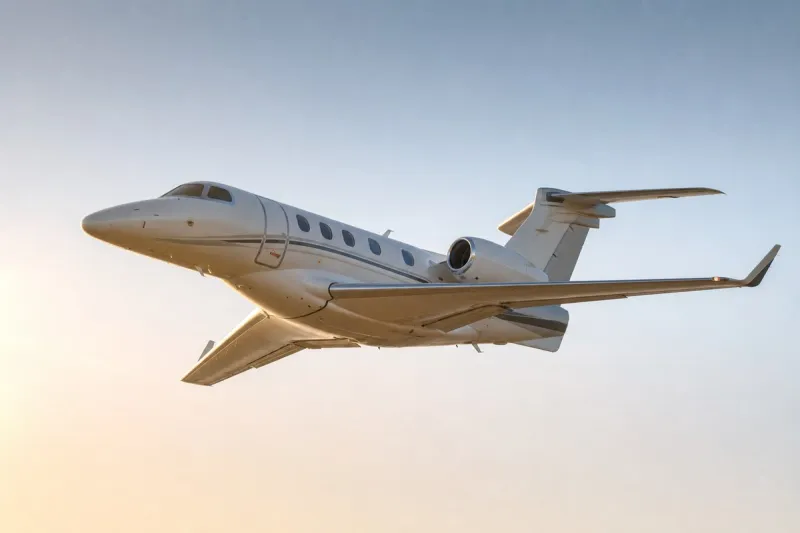
Cessna Citation CJ3 and CJ3+: Specs, Performance, and Buyer's Guide
Why It MattersIn the light-jet resale market, airframe generation and avionics standard split pricing tiers sharply, so buyers must weigh published performance figures against real-world mission profiles before valuing an aircraft.
What happened
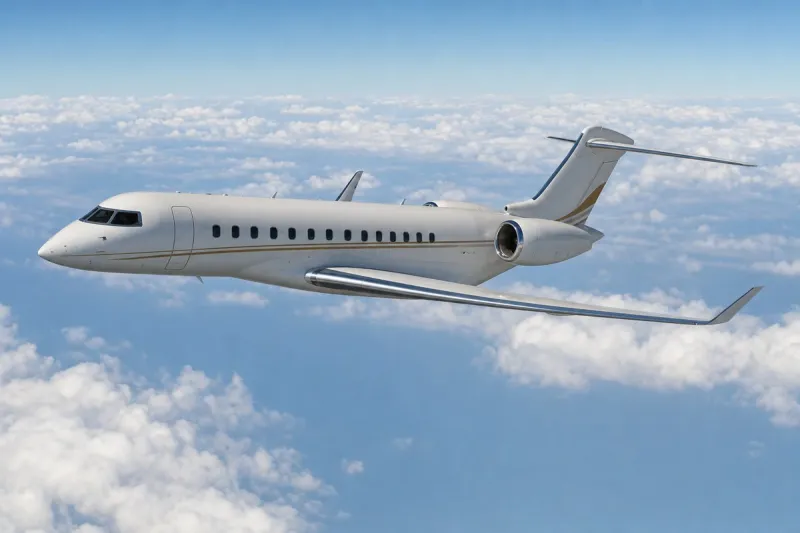
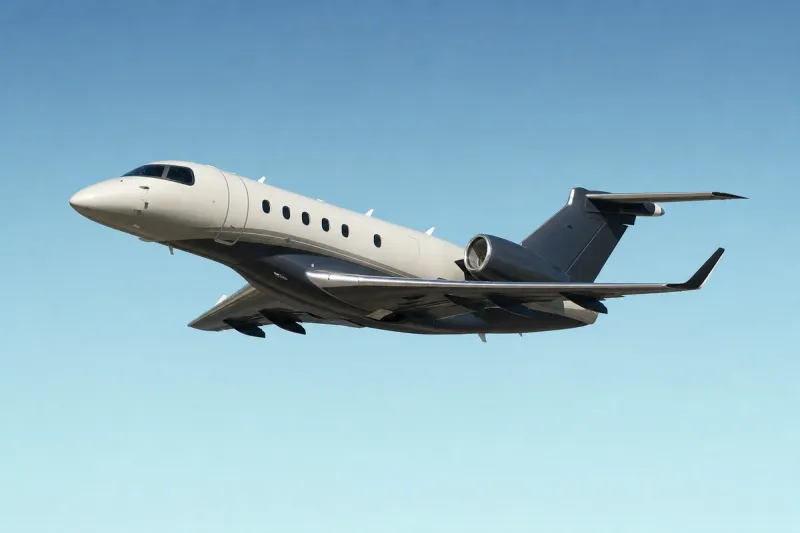
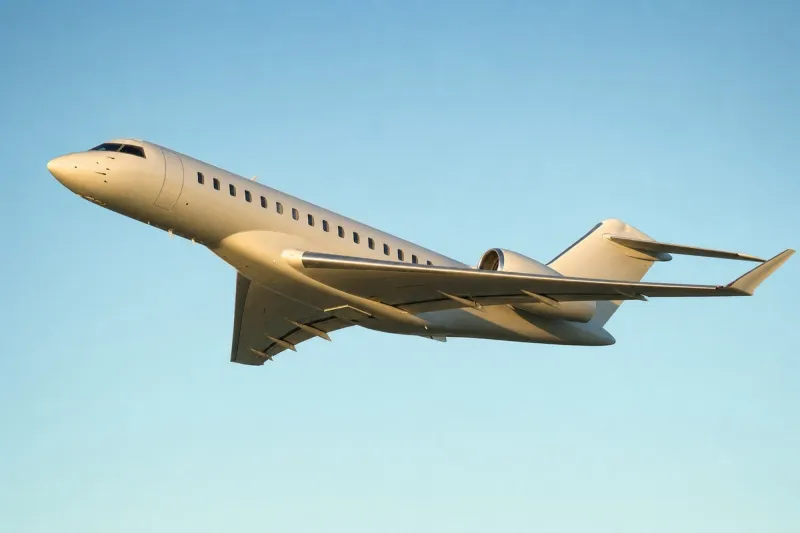
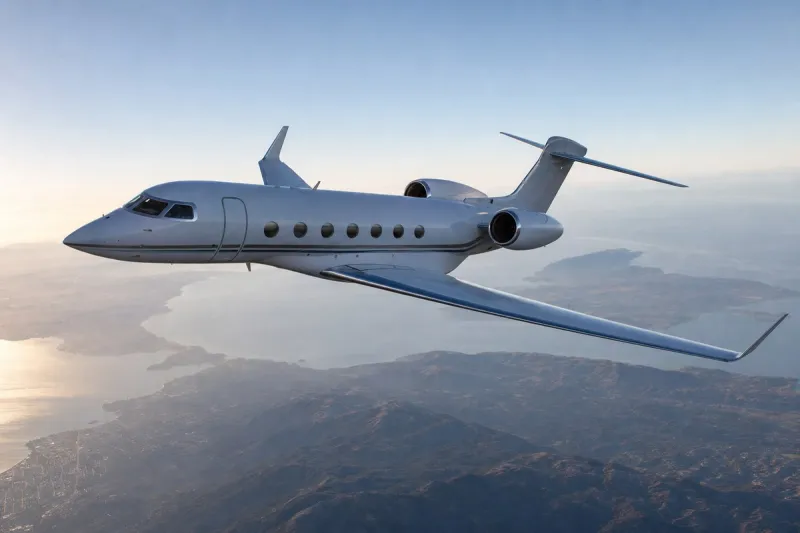
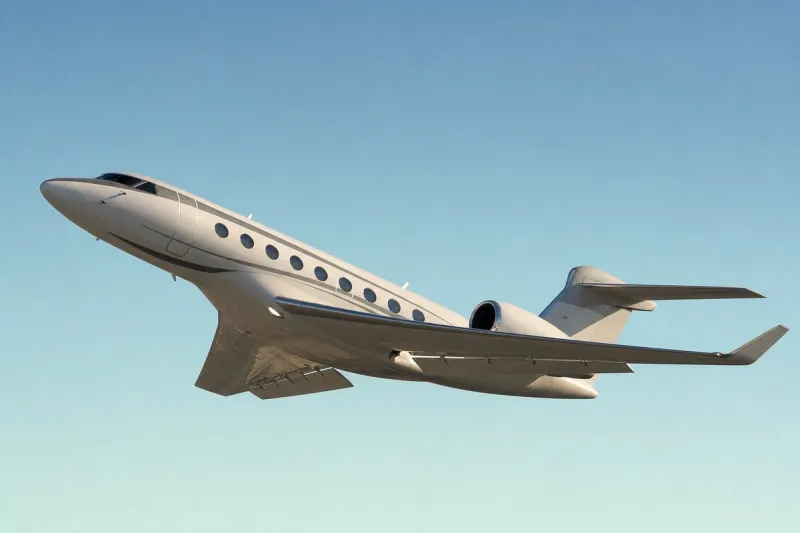
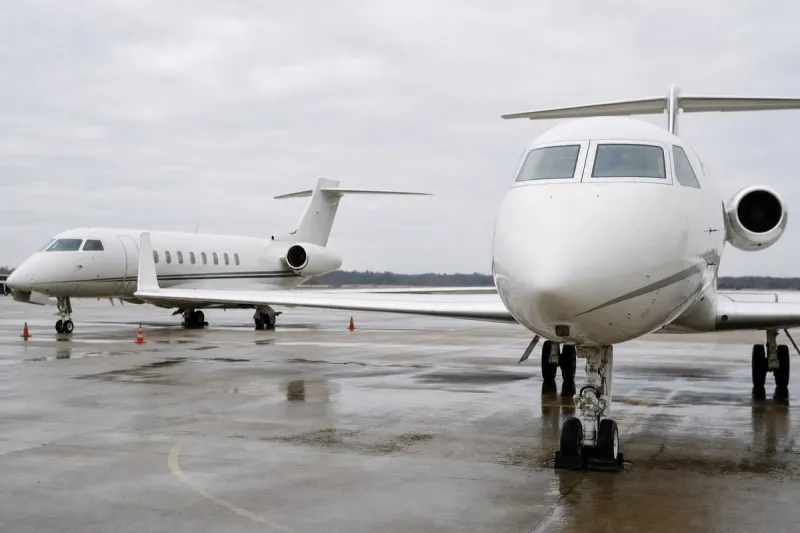
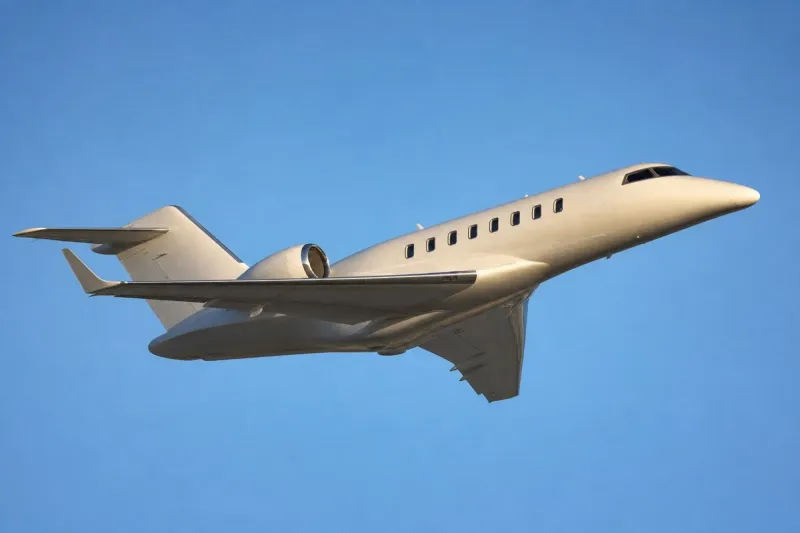
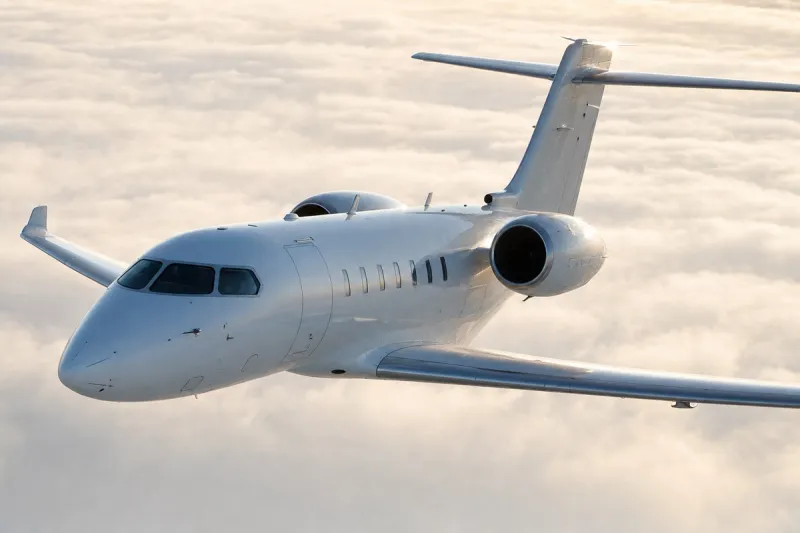
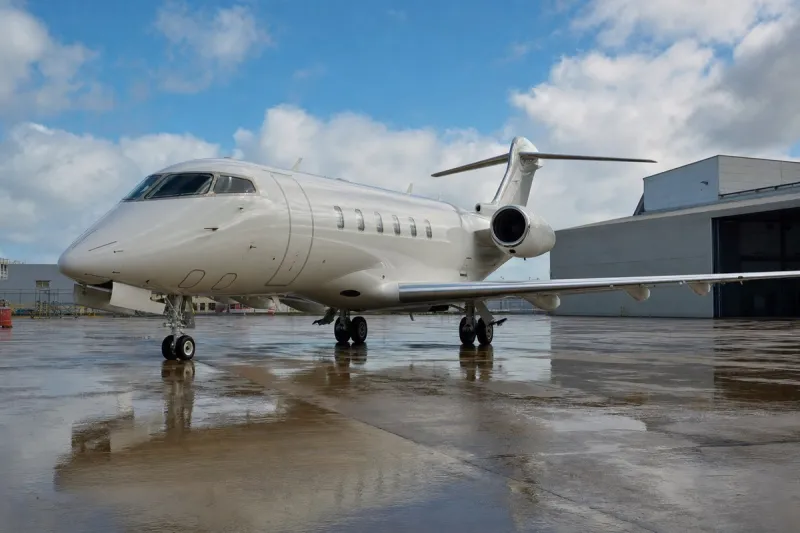
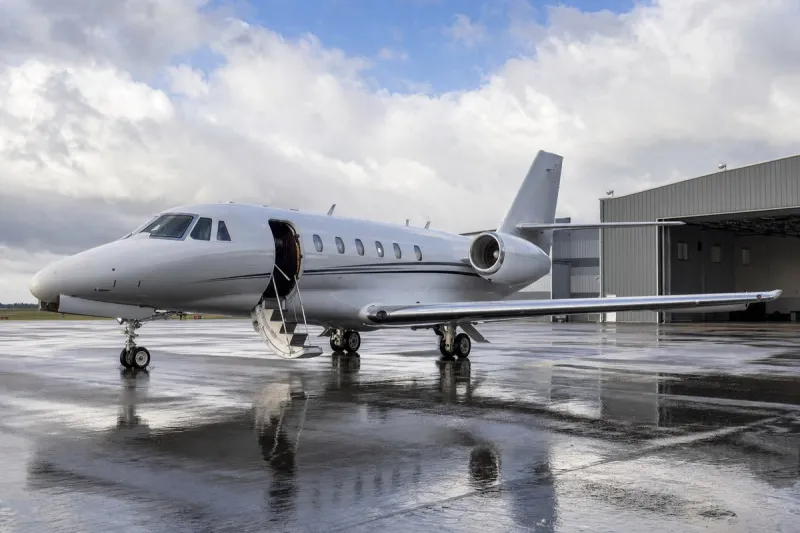
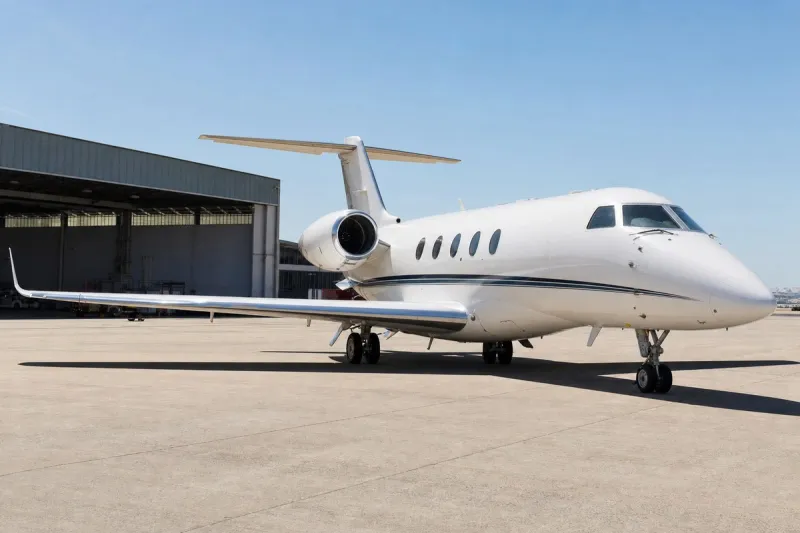
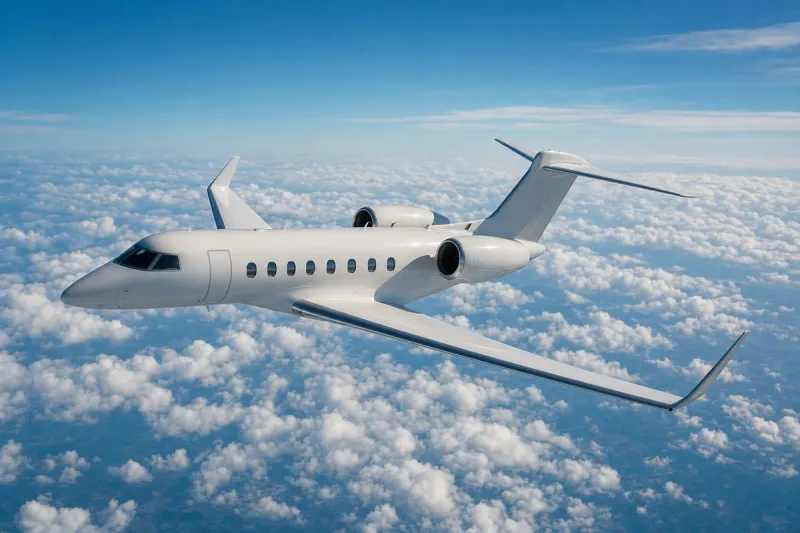
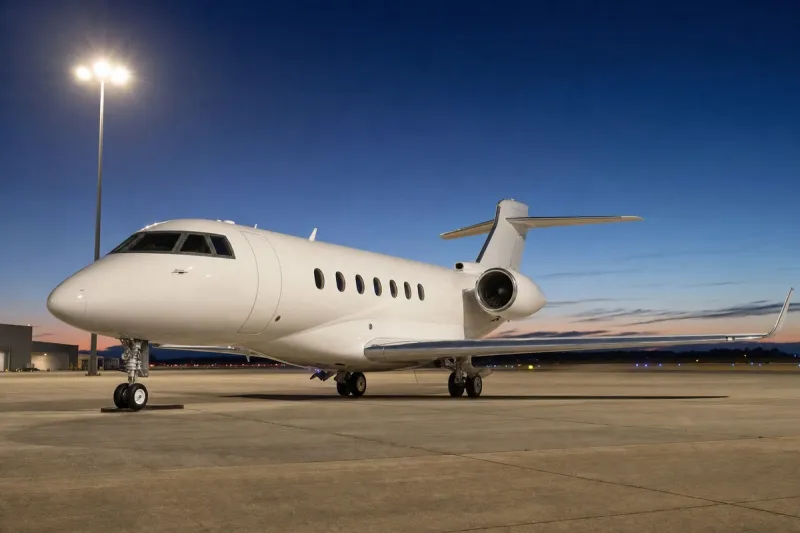
The Cessna Citation CJ3, built by Textron Aviation since 2004, has approximately 412–413 examples delivered through 2014/2015, with more than 500 units across all CJ3 variants delivered to date. The aircraft stretches the cabin about two feet beyond the CJ2 while keeping the 525-series cross-section of roughly 57 inches high and 58 inches wide, with a cabin length of approximately 15 feet 8 inches. It is single-pilot certified with a service ceiling of FL450. Original CJ3 models carried Collins Pro Line 21 avionics and twin Williams FJ44-3A engines producing 2,820 lb of thrust each.
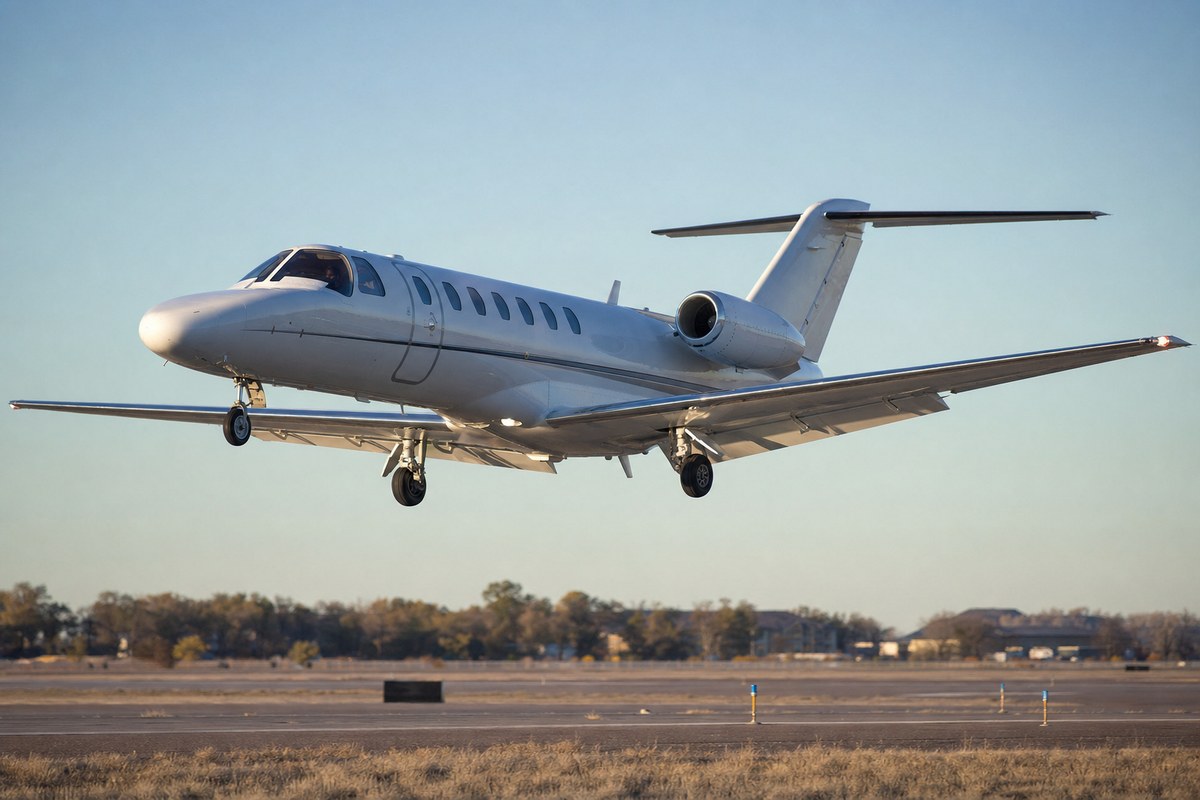
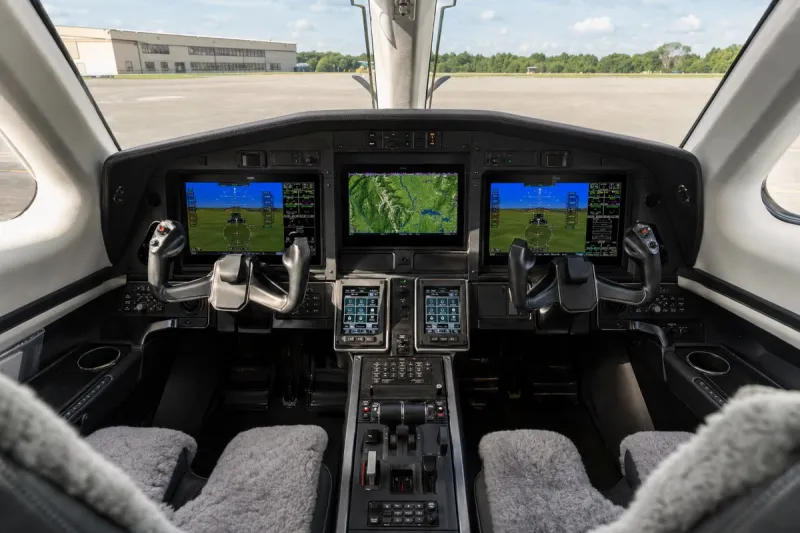
Published cruise performance lists 415–416 knots true airspeed at FL450, with real-world mission planning typically in the 1,200–1,500 nautical mile range depending on passenger load, reserves, routing, winds, temperature, and climb profile. The current CJ3 Gen3, as listed by Textron, carries a published maximum range of 2,040 nm and a maximum cruise of 416 KTAS. The CJ3+ update brought Garmin G3000 avionics and a refreshed cabin, and subsequent CJ3 Gen2 and Gen3 variants added further cabin, connectivity, and avionics enhancements.
Baggage capacity is approximately 65 cubic feet with a 1,000-pound weight limit, commonly split between a 400-pound forward compartment and a 600-pound aft compartment. Fuel burn is typically planned around 150 gallons per hour, varying with altitude, weight, temperature, power setting, and mission profile. Standard seating includes two cockpit seats plus up to nine passengers, arranged as four club seats, two forward-facing seats, one side-facing seat, and an optional belted lavatory, with maximum takeoff weight of 13,870 lb. On the pre-owned market, CJ3 aircraft are typically priced at $4.5 million–$6.5 million, while CJ3+ examples generally trade at $7 million to more than $10 million.
Industry impact & what to watch
A production run spanning multiple avionics generations — Pro Line 21 on the original CJ3, Garmin G3000 on the CJ3+, and further updates through Gen2 and Gen3 — is a common pattern in light business jets, where airframe commonality lets a manufacturer refresh systems without re-certifying a new cabin cross-section. The result is a single type that spans a wide resale band, here roughly $4.5 million at the low end to more than $10 million for later CJ3+ units.
That spread means avionics standard and delivery year function almost as separate sub-markets within one model line, since buyers comparing a Pro Line 21 example against a G3000-equipped CJ3+ are effectively choosing between different cockpit ecosystems as much as different airframes. Published figures such as the Gen3's 2,040 nm maximum range or the 415–416 knot cruise speed describe best-case conditions; actual trip planning in the 1,200–1,500 nm band reflects how payload, reserves, and weather compress those numbers in daily operation.
What remains to be seen in individual transactions is how a given aircraft's maintenance history, avionics package, and total time align with where it sits in that broad price range — details that only surface at the pre-purchase inspection stage rather than in published specifications.