How to Charter a Private Jet in Dubai: Costs, Aircraft Types, and Airport Choices
Why It MattersHeadline hourly rates understate true charter cost, since positioning, handling, overnight crew expenses and permit fees are billed separately and vary by route and season.
What happened
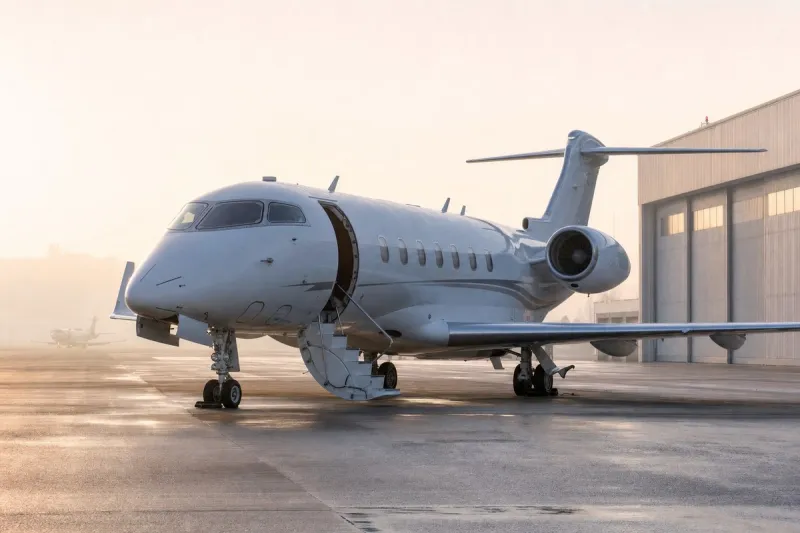
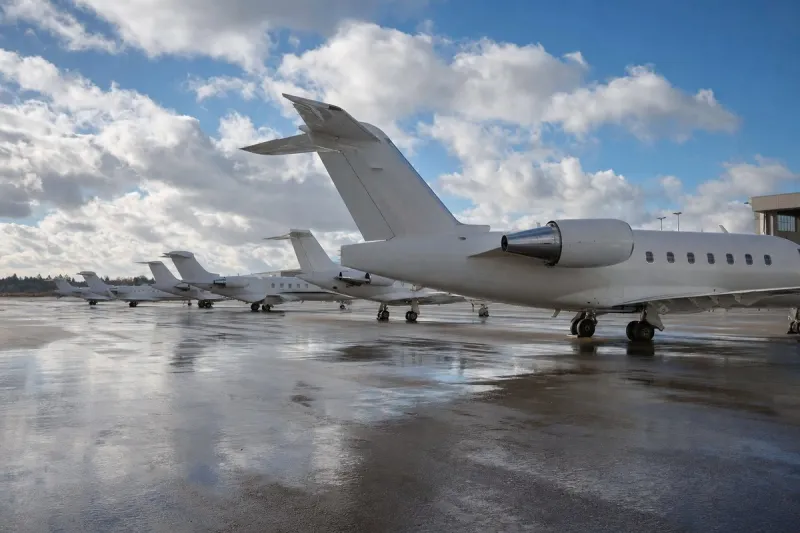
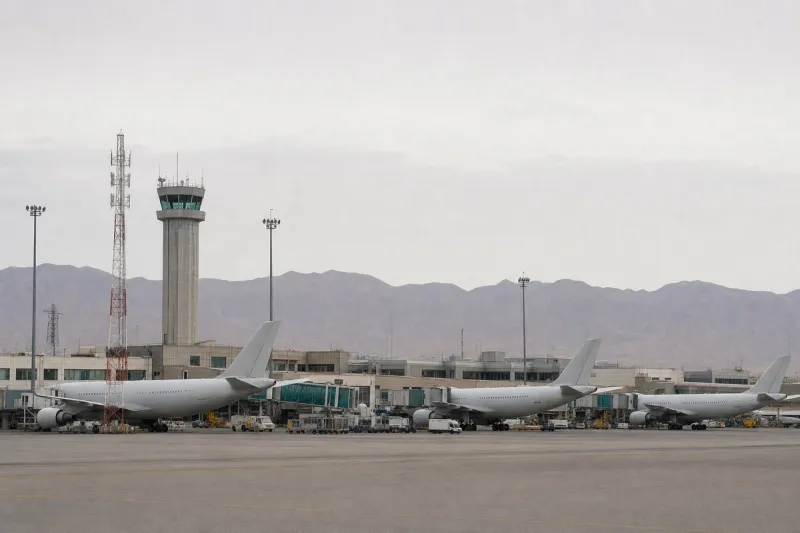
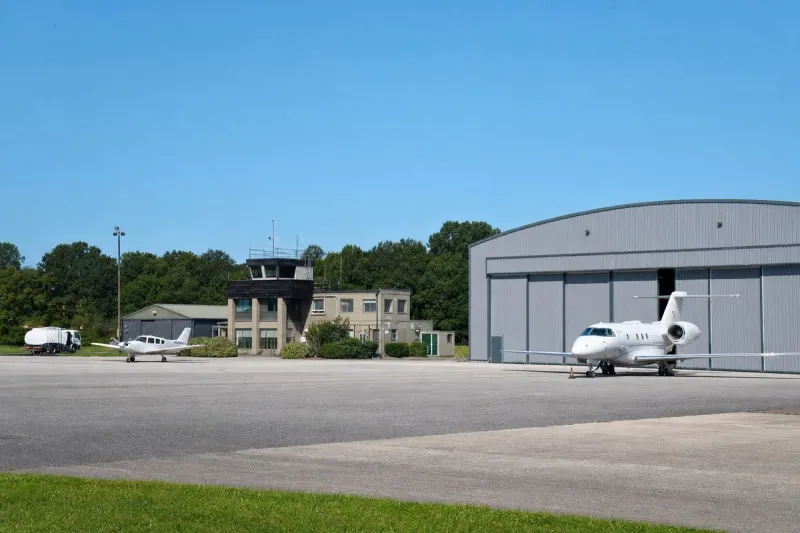
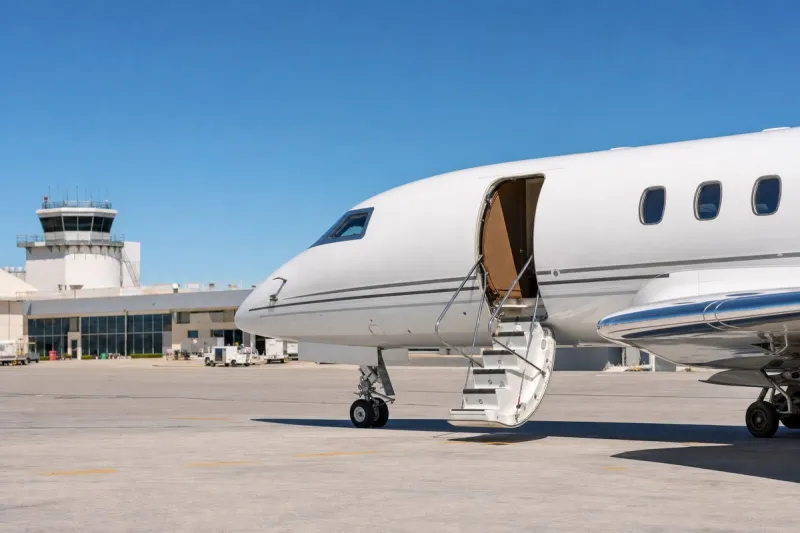
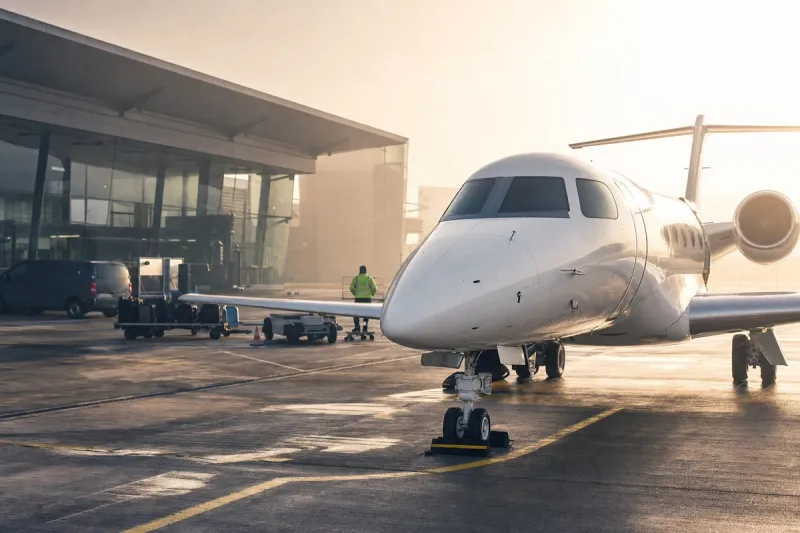
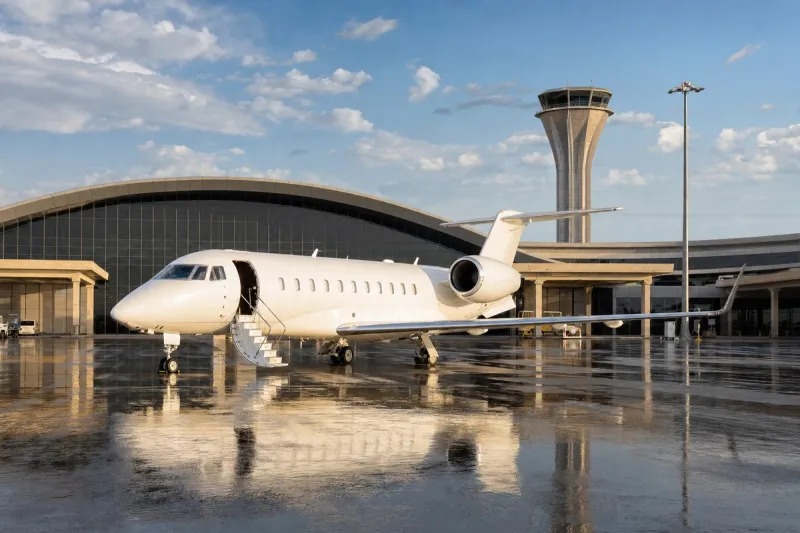
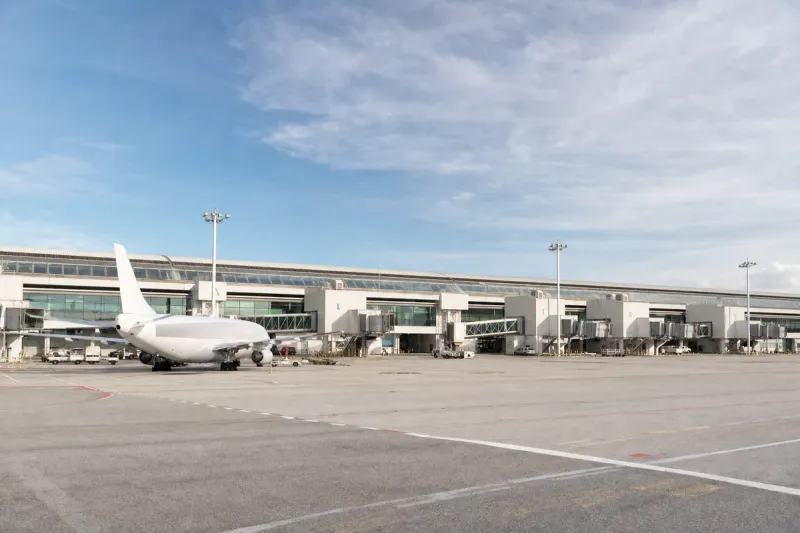
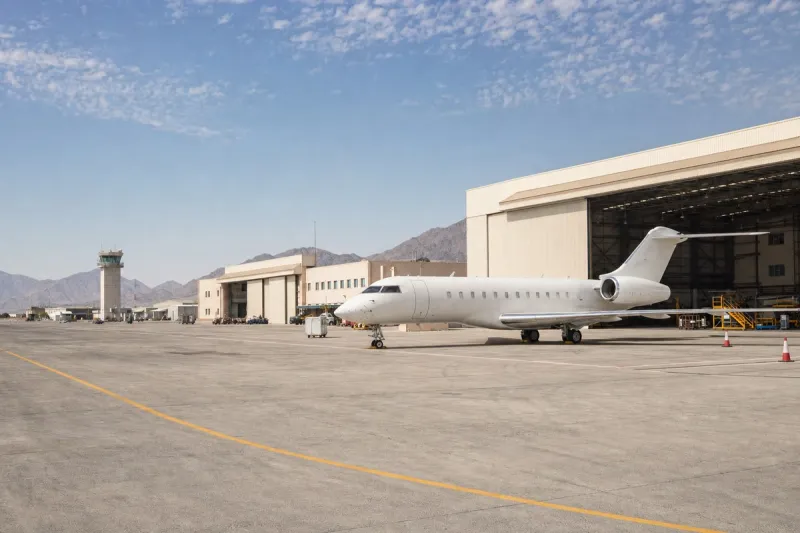
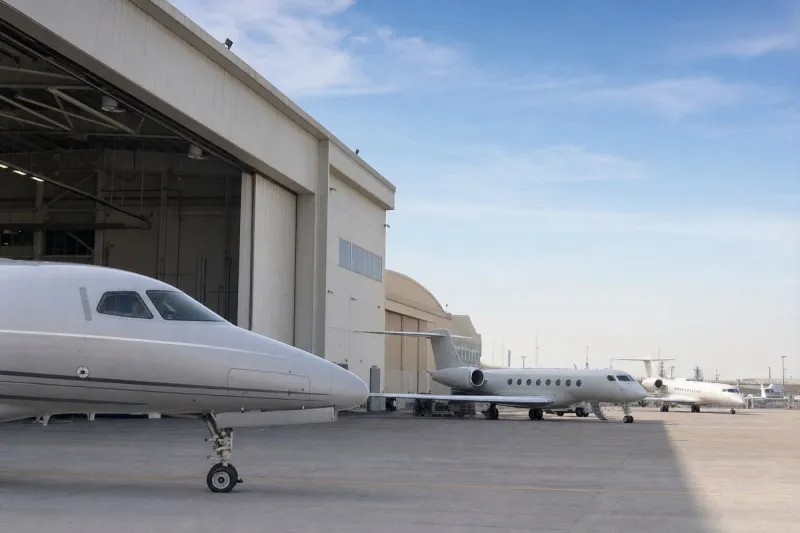
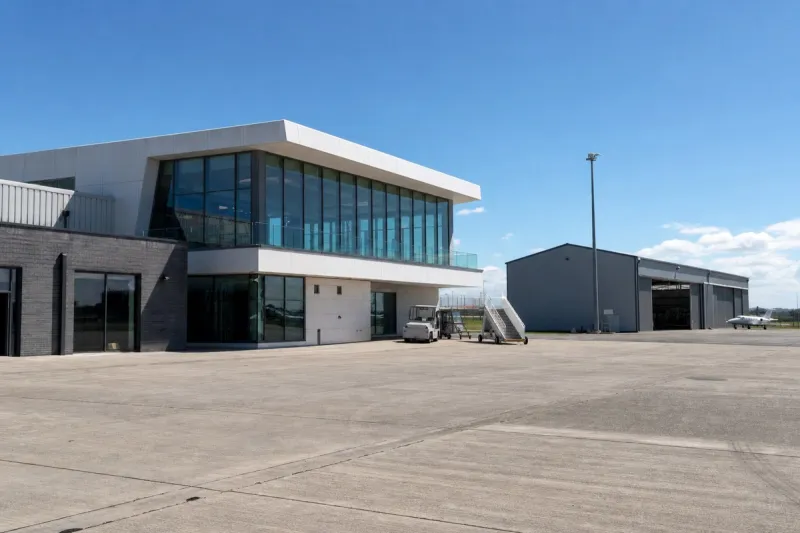
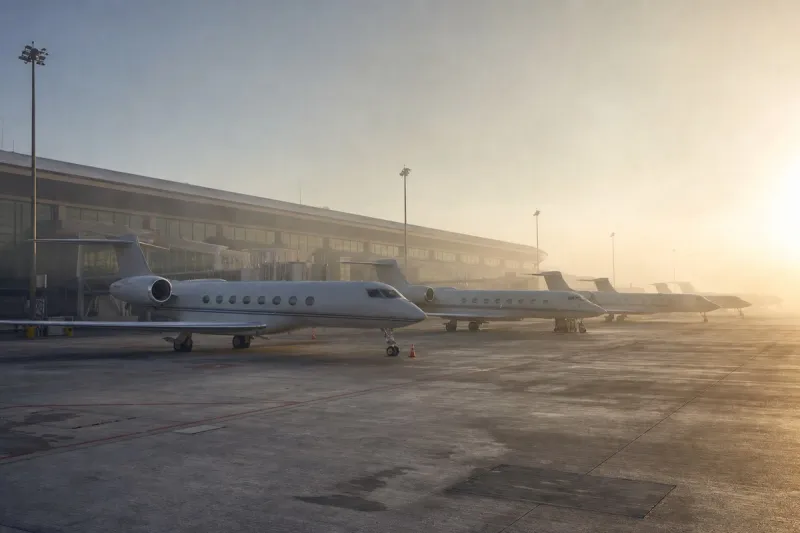
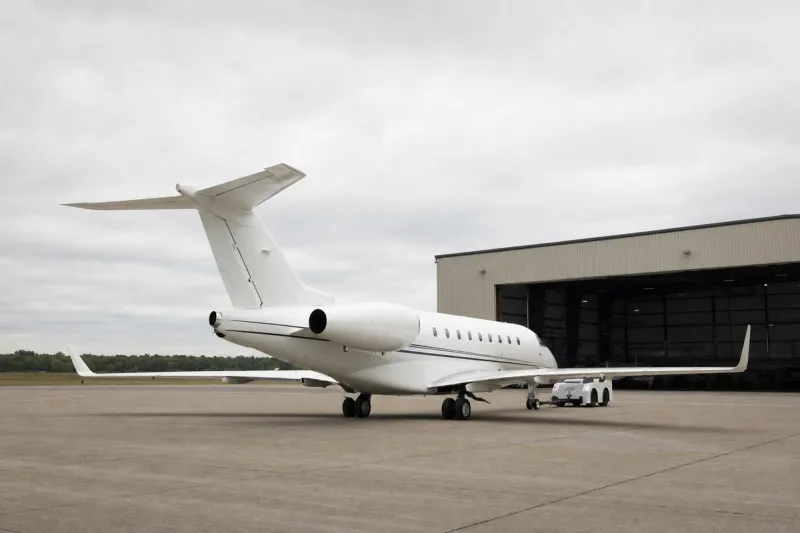
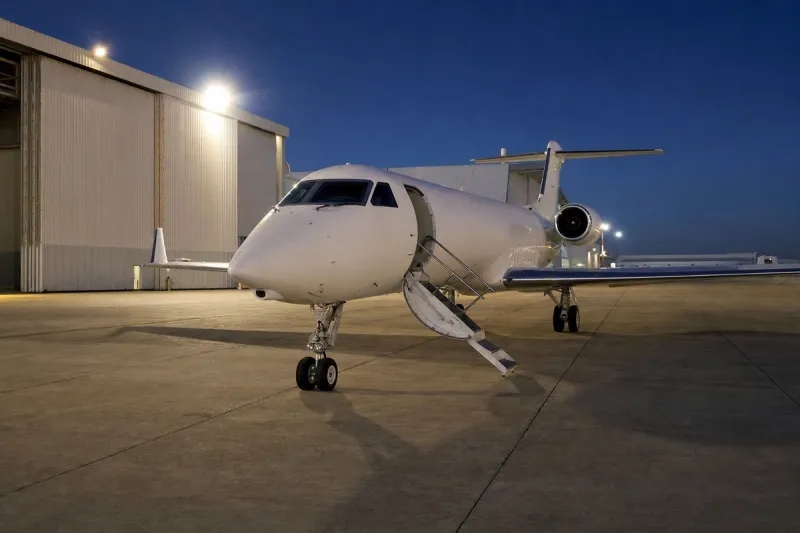
Dubai runs two airports for business aviation, Dubai International (DXB) and Al Maktoum International (DWC), each with a dedicated private terminal separating charter passengers from commercial halls. Al Maktoum, in Dubai South roughly 37 kilometres from central Dubai, is the preferred base for most charter operators, with a 4,500-metre runway, fewer slot restrictions, and VIP terminal facilities hosting fixed-base operators Jetex, Jet Aviation, and ExecuJet. Dubai Media Office has announced approval of an AED 128 billion passenger terminal at Al Maktoum under a long-term development plan.
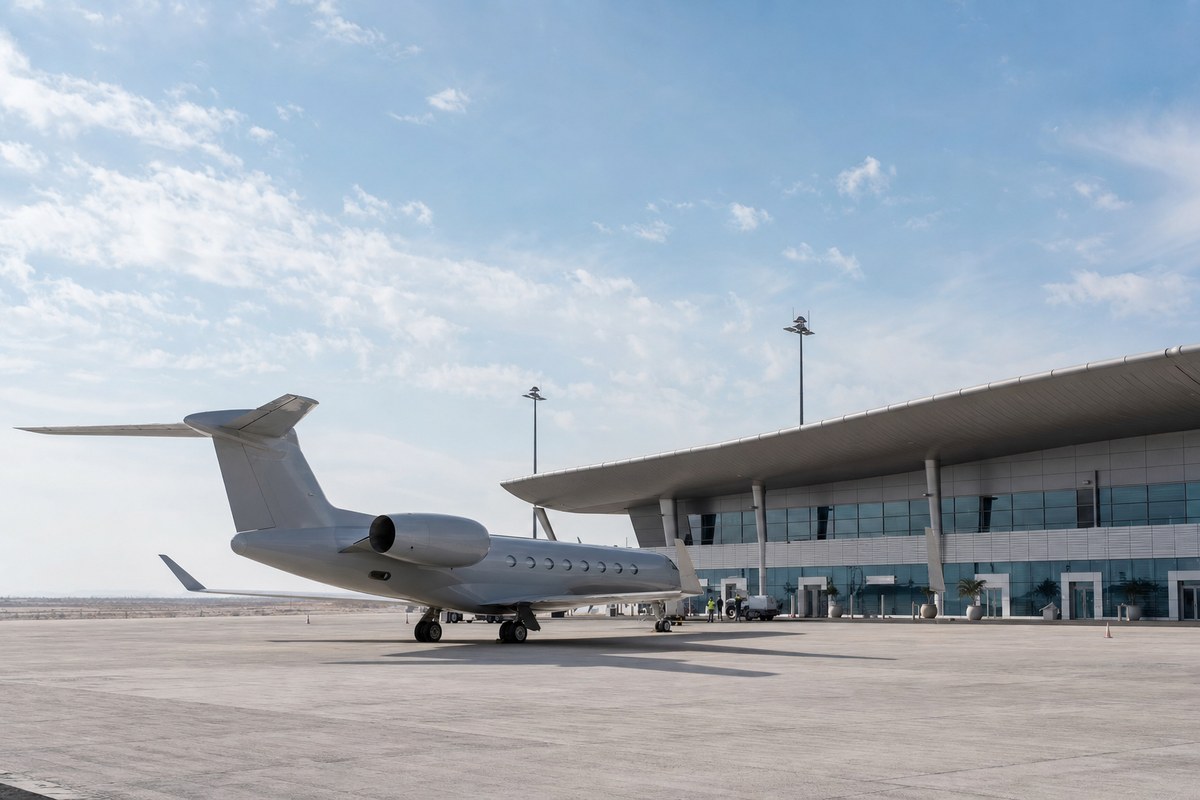
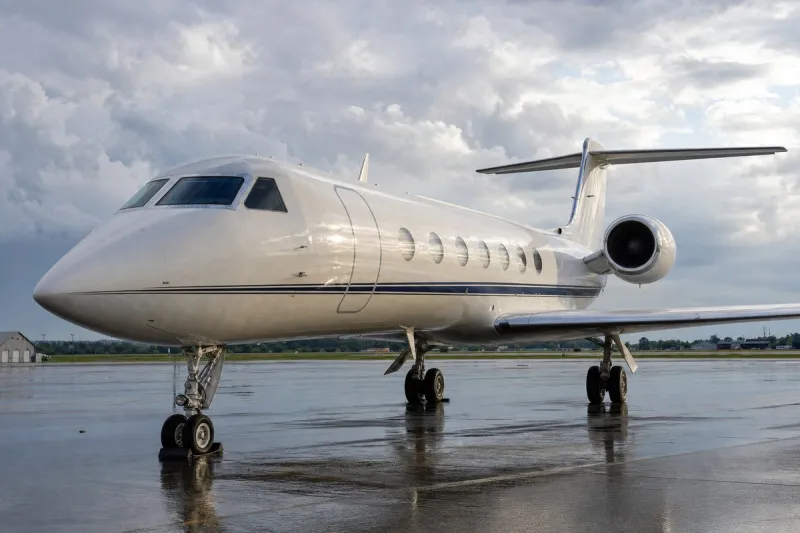
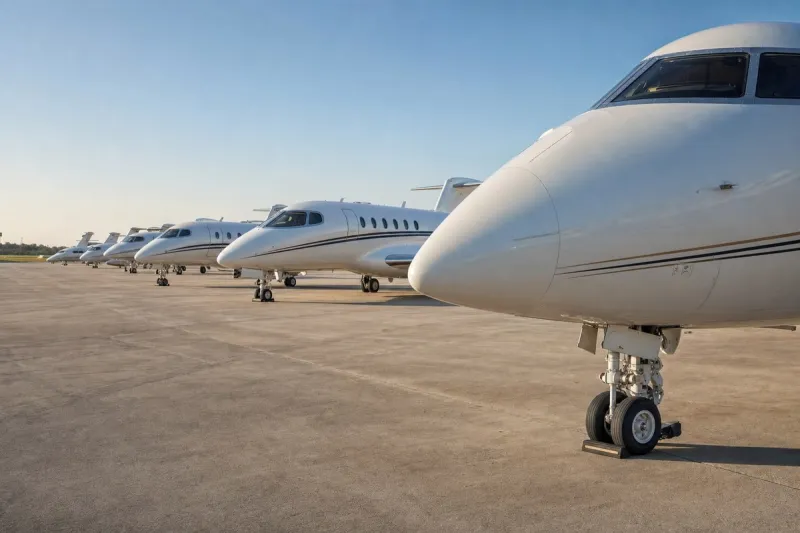
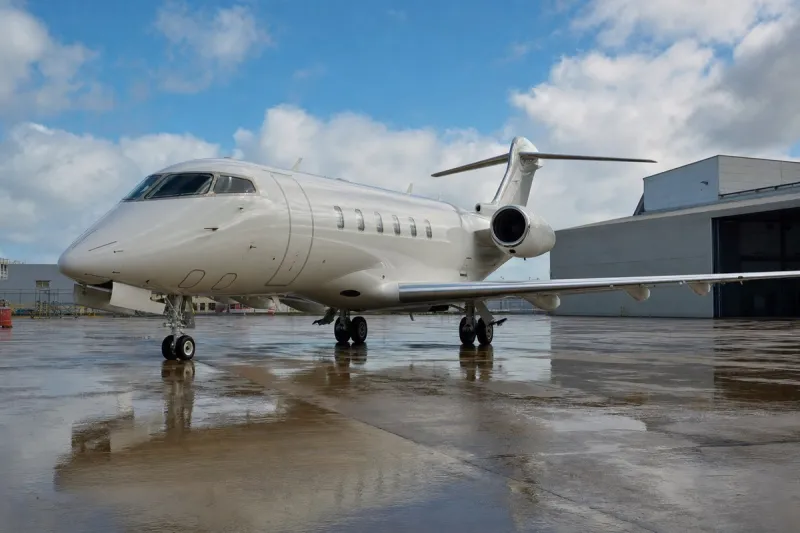
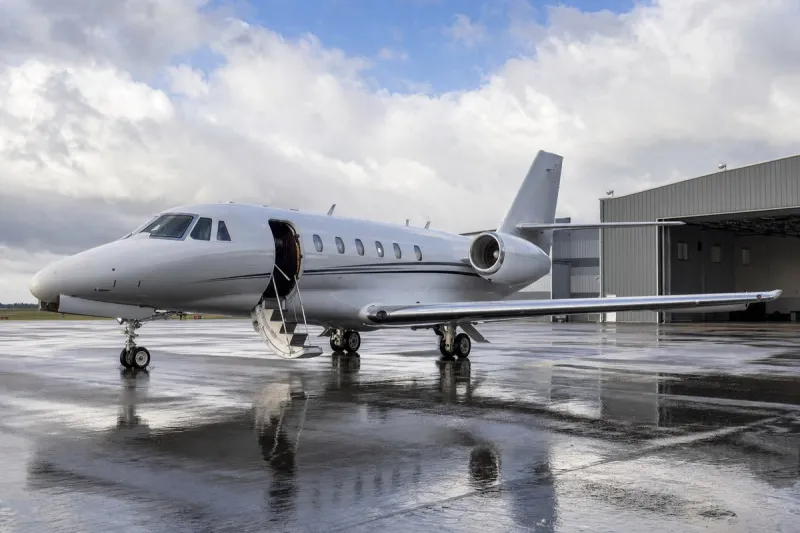
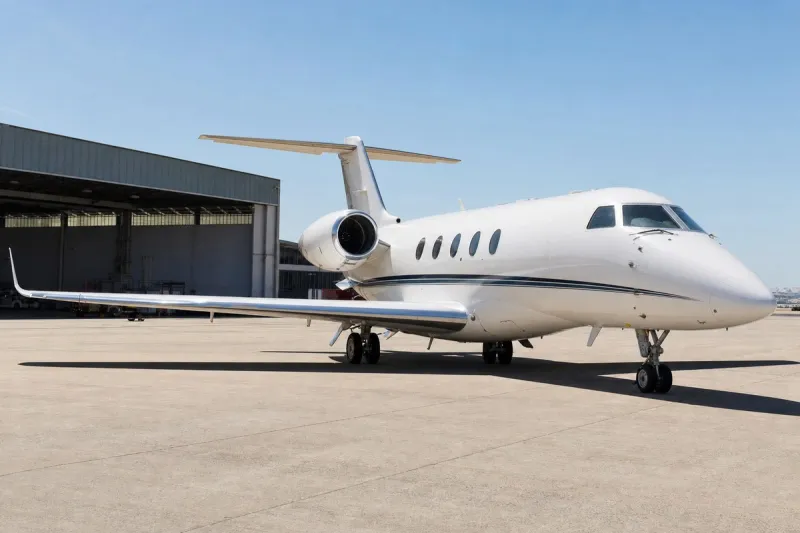
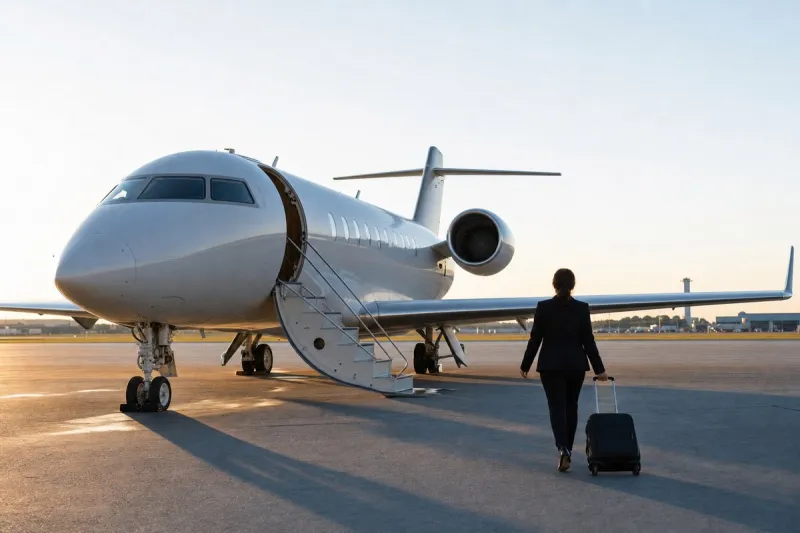
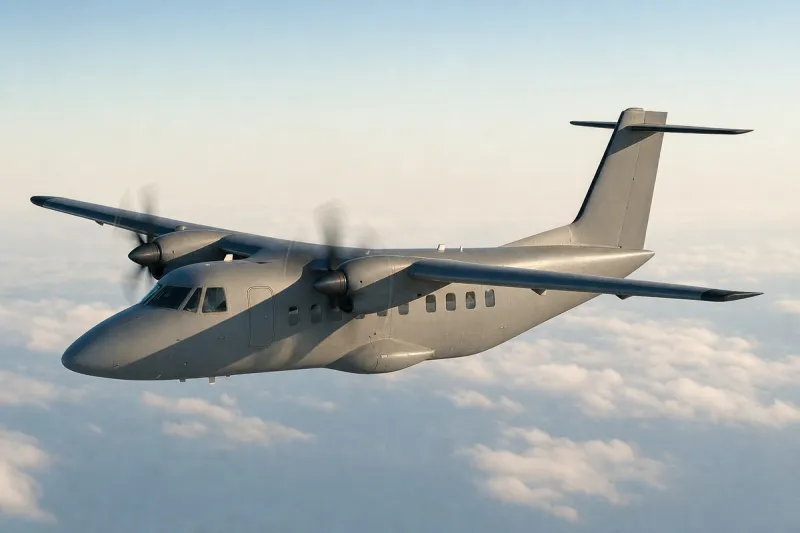
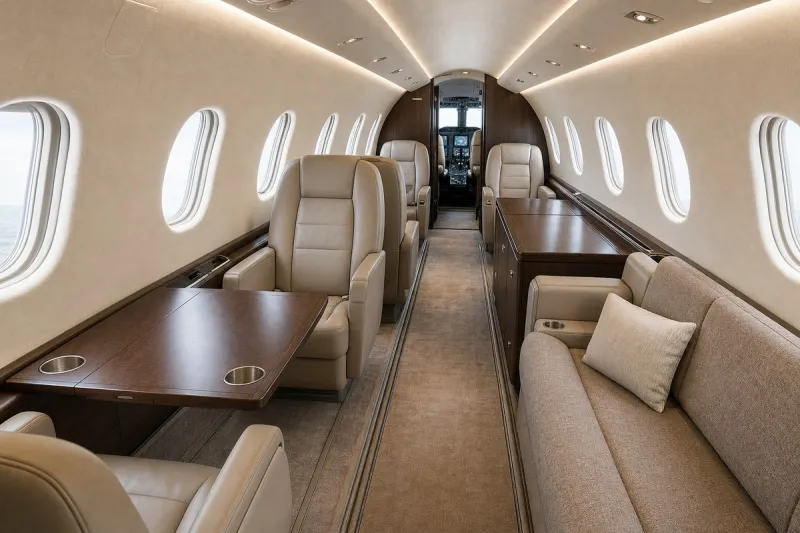
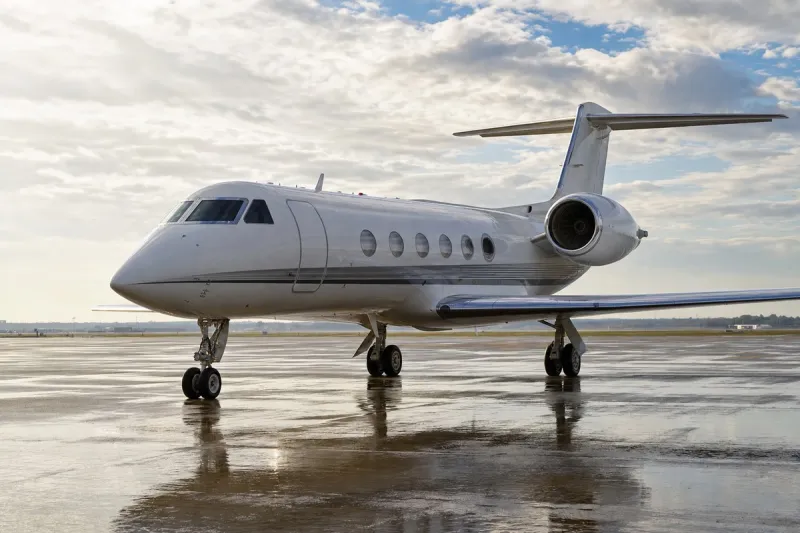
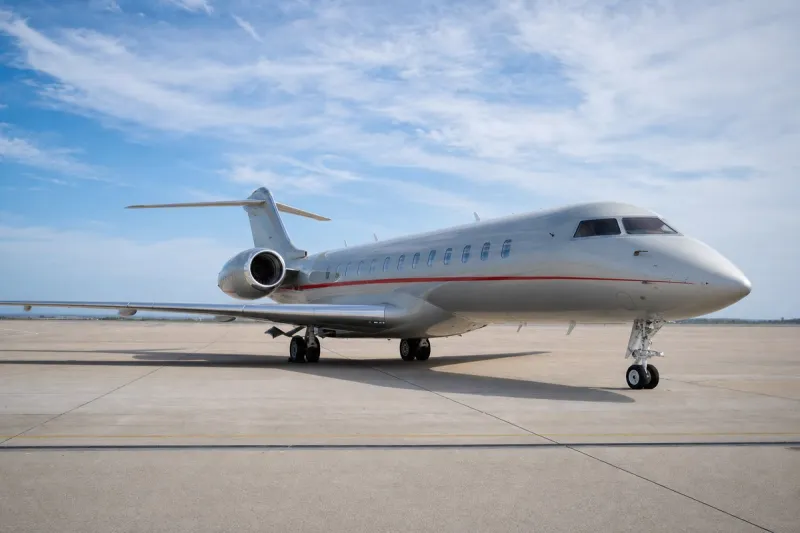
Approximate hourly charter rates from Dubai are USD 2,000–3,500 for turboprops (6–8 seats, short regional routes such as Abu Dhabi or Al Ain), USD 4,500–6,500 for light jets (5–7 seats, Doha, Bahrain, Muscat), USD 6,500–9,000 for midsize jets (7–9 seats, Riyadh, Kuwait, Karachi), USD 10,000–15,000 for heavy jets (10–14 seats, Europe, India, East Africa), USD 13,000–20,000 for ultra-long-range jets (12–16 seats, London, Singapore, New York), and USD 18,000–25,000 or more for VIP airliners (19–50-plus seats, intercontinental group travel).
The final invoice adds positioning fees when the aircraft must reposition to Dubai from another base, airport and handling charges at both ends of the trip, and on multi-day itineraries, crew hotel, meals, and daily allowances. Some operators charge a daily minimum while the aircraft waits on the ground, and overflight and landing permits for certain countries add further cost and lead time. Catering, ground transport, and on-board special requests are billed separately. The UAE's General Civil Aviation Authority (GCAA) requires every commercial charter operator to hold an Air Operator Certificate and operations specifications; privately operated aircraft carry a Private Operator's Certificate, which does not authorise paid charter work. Passengers may check an operator's name, AOC number, and insurance details, and look for third-party safety ratings such as ARGUS or Wyvern, or registration under the IS-BAO safety standard. Dubai's peak private aviation season runs from approximately October to April, driven by cooler weather, conferences, sporting events, and school holidays, with large-cabin aircraft fully booked around the New Year period and major sporting weekends. Summer brings higher outbound family traffic to Europe, creating more empty-leg return sectors to Dubai in late summer and early autumn. Flying private does not alter UAE entry requirements: all passengers need a valid passport and appropriate visa, and private terminals apply the same immigration and customs checks as commercial terminals, with operators typically requesting passenger details 24 hours before departure.
Industry impact & what to watch
Dubai's charter market illustrates how a hub built around dual airports and competing FBOs pushes most volume toward the facility offering operational flexibility — here Al Maktoum's longer runway and lighter slot constraints over DXB's commercial congestion. The planned AED 128 billion terminal expansion signals continued channeling of private and VIP traffic toward DWC as the city's long-term business aviation base.
The layered pricing structure — hourly rate plus positioning, handling, permits, and ground-day minimums — is standard in charter economics worldwide, but it means quoted hourly ranges only approximate the final cost of any specific itinerary, particularly one requiring repositioning or overflight permits. Regulatory segmentation between Air Operator Certificates and Private Operator's Certificates, paired with voluntary ratings like ARGUS, Wyvern, and IS-BAO, functions as the market's main screening mechanism for distinguishing commercially authorised operators from private aircraft that cannot legally sell charter seats.
Seasonality compounds pricing: the October-to-April peak concentrates demand for large-cabin aircraft around the New Year and major sporting weekends, while summer's outbound family travel to Europe generates empty-leg return sectors into Dubai that create lower-cost opportunities for flexible travellers. Whether the Al Maktoum terminal expansion shifts booking lead times or capacity constraints during peak season is a detail that will depend on the project's construction timeline, which has not yet been disclosed.