NTSB: Amazon Prime Air Boeing 767 Touched Down 3,750 Feet Past Runway Threshold Before Fatal Miami Overrun
Why It MattersThe report underscores how crew experience pairing, tailwind call-outs and runway safety infrastructure like EMAS interact to determine overrun survivability at cargo-heavy airports.
What happened
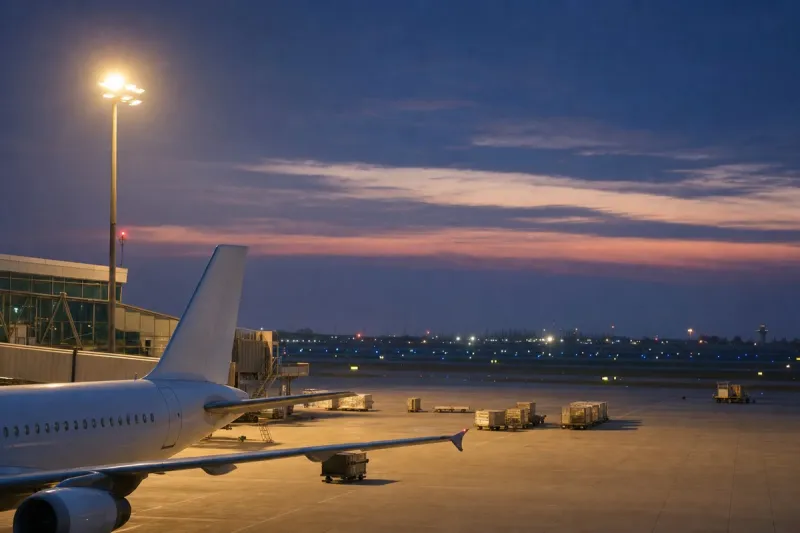
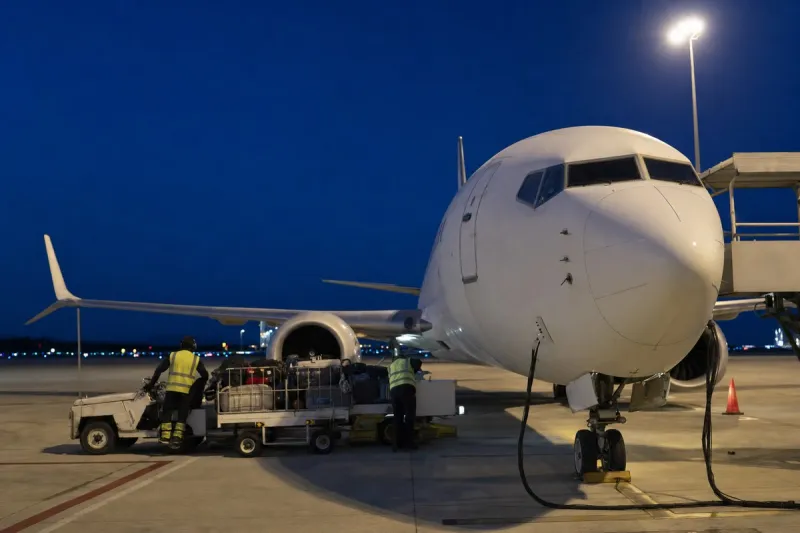
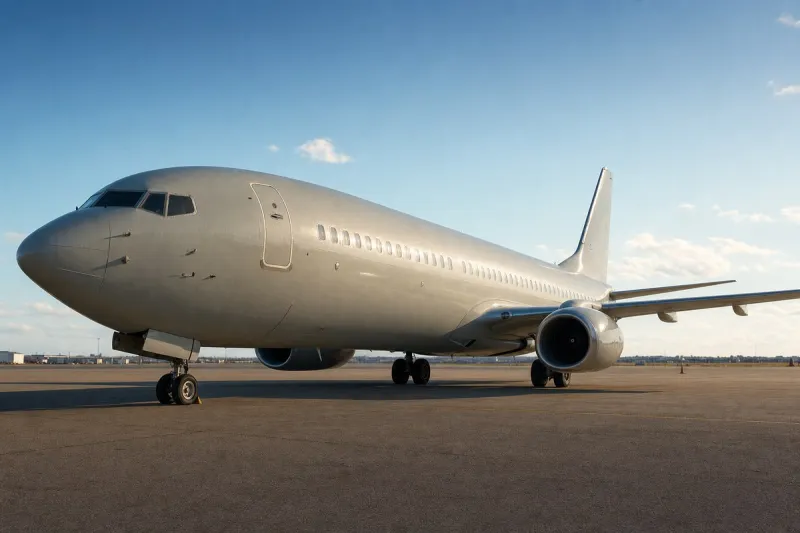
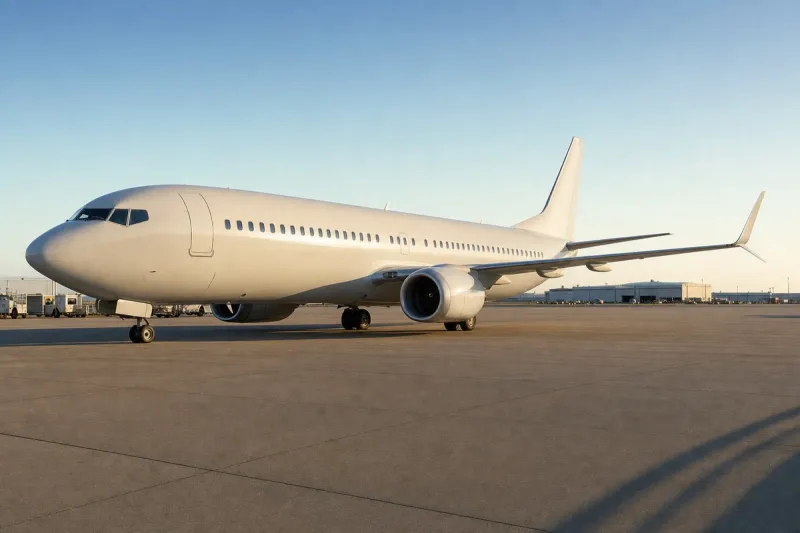
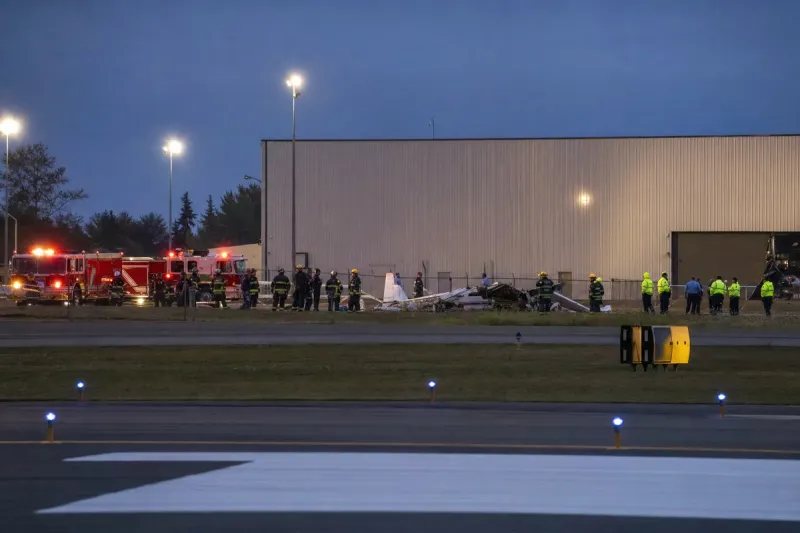
The National Transportation Safety Board released a preliminary report Thursday detailing the sequence behind the fatal overrun of Amazon Prime Air cargo flight at Miami International Airport (KMIA) in early September, which killed five people. The aircraft, a Boeing 767-33A operated by Amazon contractor 21 Air, touched down approximately 3,750 feet beyond the displaced threshold of Runway 30, which measures 9,360 feet in total including the displaced threshold. Boeing documentation indicates a 767-300 freighter requires between 4,200 and 5,500 feet of runway to land under dry conditions with flaps at 30 degrees at a sea-level airport, depending on weight.
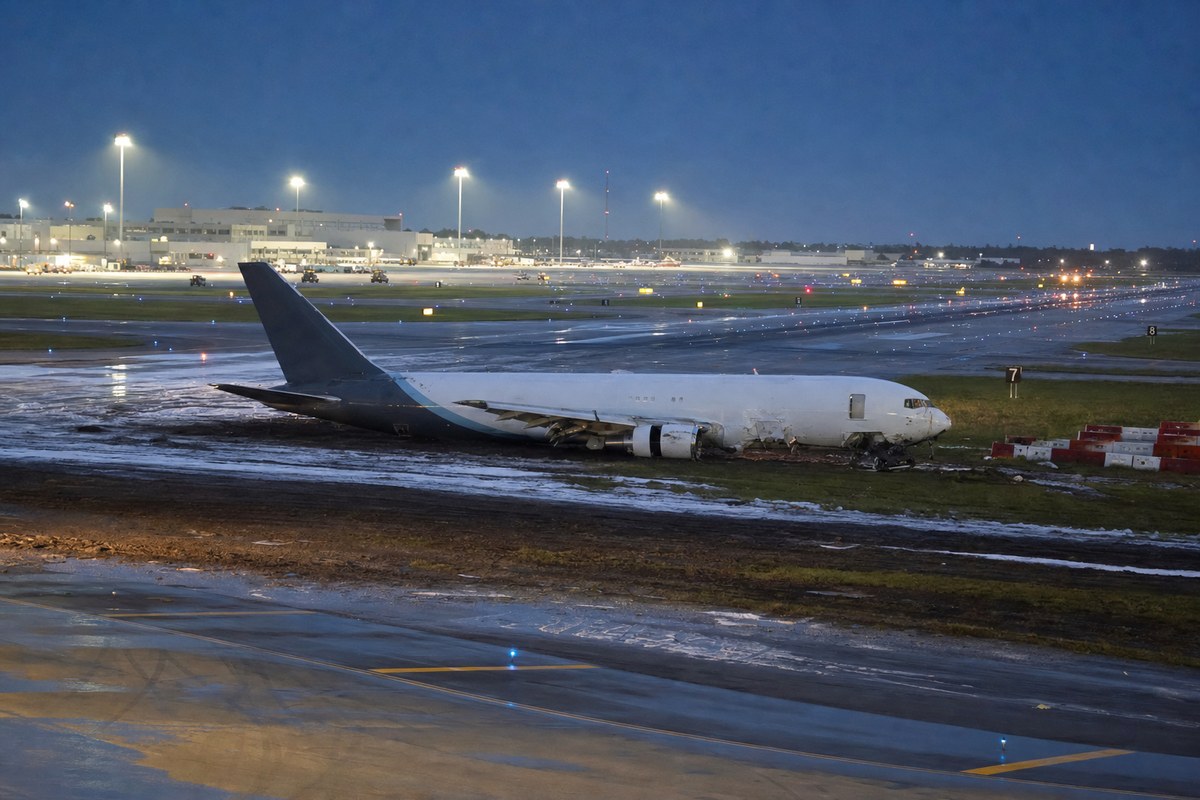
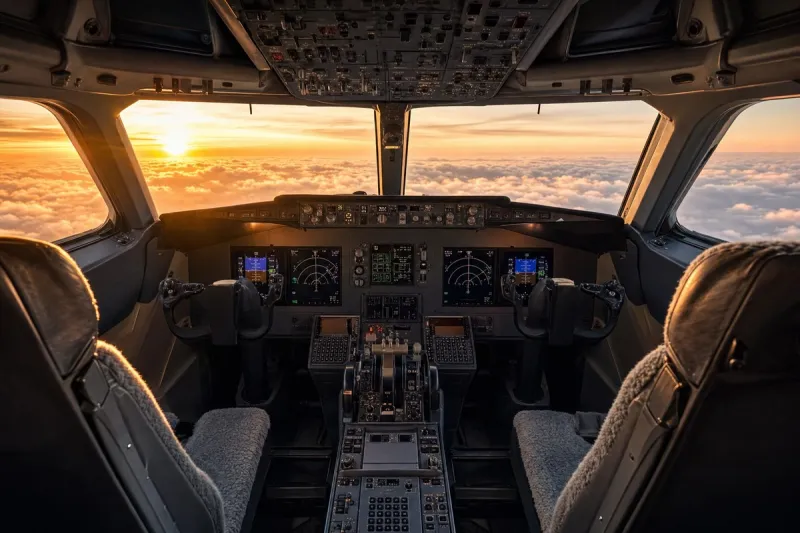
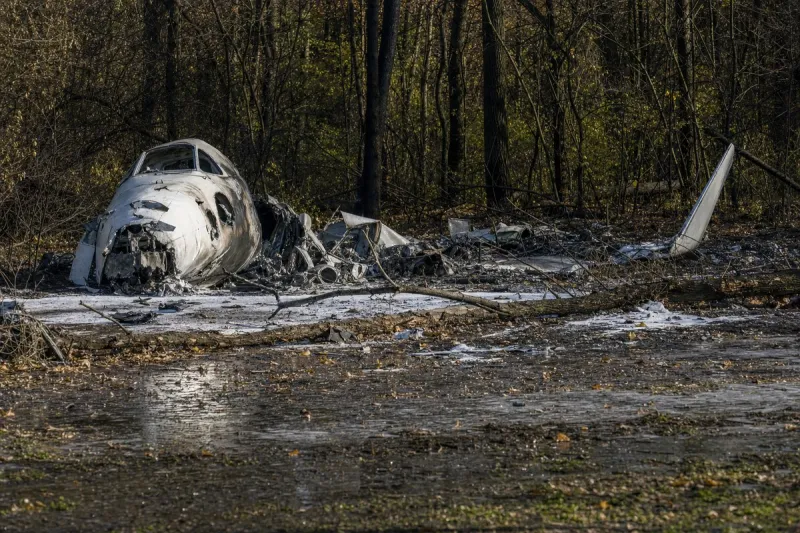
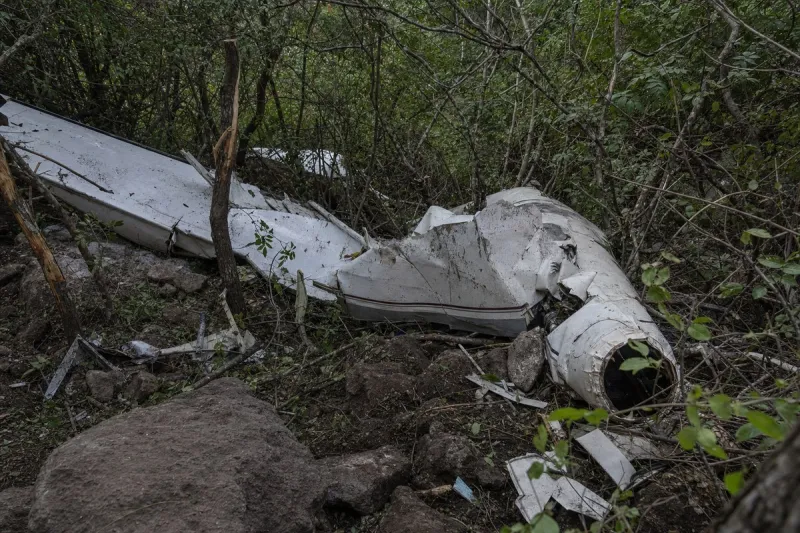
The weight-on-wheels parameter did not switch to "ground" until about 2,730 feet of runway remained, oscillating between air and ground indications for approximately seven seconds after the main gear touched down at a groundspeed of about 160 knots. One pilot requested a 30-degree flap setting with about 41 seconds remaining on the cockpit voice recorder, but wreckage examination indicated flaps were set to 25 degrees at landing. Automated cockpit callouts warned the jet was descending too fast on approach, and the crew did not initiate a go-around. The aircraft crossed the runway threshold at approximately 105 feet above ground level and 177 knots groundspeed. With about 930 feet of runway remaining and groundspeed at 120 knots, brake pedals were released and throttles advanced to go-around thrust; with roughly 415 feet remaining, brakes were reapplied and throttles returned to idle. The jet departed the paved surface and came to rest approximately 1,200 feet beyond it, with the flight data recorder's last groundspeed reading of 65 knots recorded shortly after the aircraft broke through the airport perimeter fence and crossed a public road.
The captain, hired by 21 Air in April, had 7,267 total flight hours, including 2,700 hours in the Boeing 737 but only 150 hours in the 767. The first officer, hired in February 2025, had approximately 2,800 total flight hours, 800 of which were in the 767. It was the first time the two had flown together; they had paired earlier that day on an outbound leg from Miami to San Juan, Puerto Rico, before the accident return flight. KMIA's Automated Surface Observing System reported wind from 190 degrees at 17 knots gusting to 26 knots at the time, indicating a tailwind component. The local control south controller, who had approximately 11 years of ATC experience and had been certified for that position since 2019, granted landing clearance but did not provide wind information afterward. The report also noted that Runway 30 lacks an engineered materials arresting system (EMAS); NTSB Chair Jennifer Homendy had said in September that whether EMAS could have prevented the accident, and whether it should be universally installed, would be a key investigative focus. The accident aircraft was manufactured in June 1994, converted from passenger to freighter configuration in 2016, and had accumulated approximately 110,077 flight hours and 24,505 cycles.
Industry impact & what to watch
Overrun accidents of this kind typically combine several marginal factors rather than one clear failure: a long touchdown, a tailwind that goes uncommunicated, a flap configuration that does not match what was briefed, and a go-around decision that comes too late to matter. The preliminary timeline here shows the crew attempting a go-around with under 1,000 feet of runway remaining, well past the point where that maneuver was likely to succeed, which is why investigators are examining the earlier decision points rather than the final seconds alone.
Cargo contract flying brings its own crew-pairing dynamics: a captain and first officer flying together for the first time, with the captain holding only 150 hours in type against 7,267 hours overall, is not unusual in contract operations but is a variable investigators weigh alongside tailwind reporting and flap selection. FAA rules requiring controllers to state wind direction and velocity when a tailwind component exists exist precisely because that call gives a crew late, actionable information before committing to land.
The EMAS question is likely to be the most consequential thread going forward. NTSB Chair Jennifer Homendy has already flagged whether engineered materials arresting systems should be installed more broadly as a focus of the investigation, and Runway 30's lack of one will be weighed against the distance the aircraft traveled past the paved surface before stopping. The NTSB's investigation remains open, and no probable cause has been determined.