NTSB: Misfueling with Jet-A caused Cessna 421 crash in Fulton that injured four
Why It MattersThe incident shows how a single unverified fuel transfer can bypass multiple safeguards, underscoring that pilot fuel verification remains a last line of defense general aviation operations still depend on.
What happened
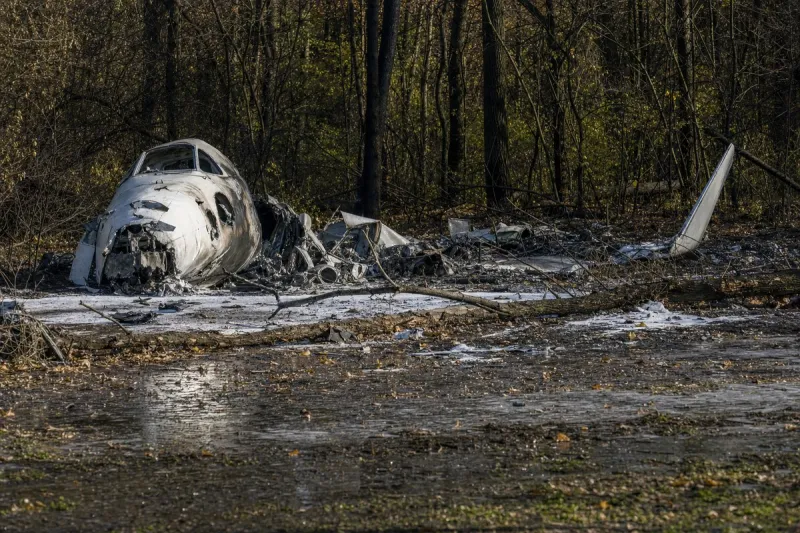
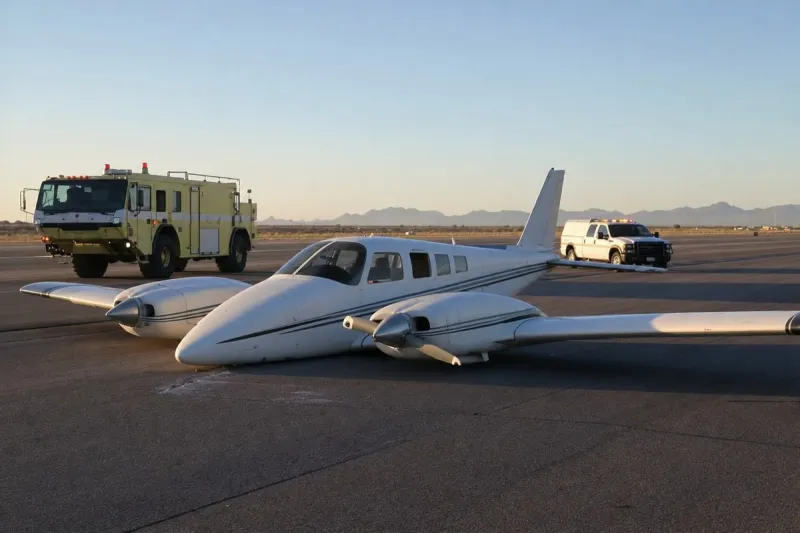
The National Transportation Safety Board determined that misfueling caused the crash of a Cessna 421 near Fulton on August 21 that injured four people, according to its final investigation report released Monday. The NTSB listed the probable cause as "the misfueling of the airplane by the refueler," with a contributing factor being "the pilot's failure to verify that the airplane had been properly fueled prior to departing on the accident flight."
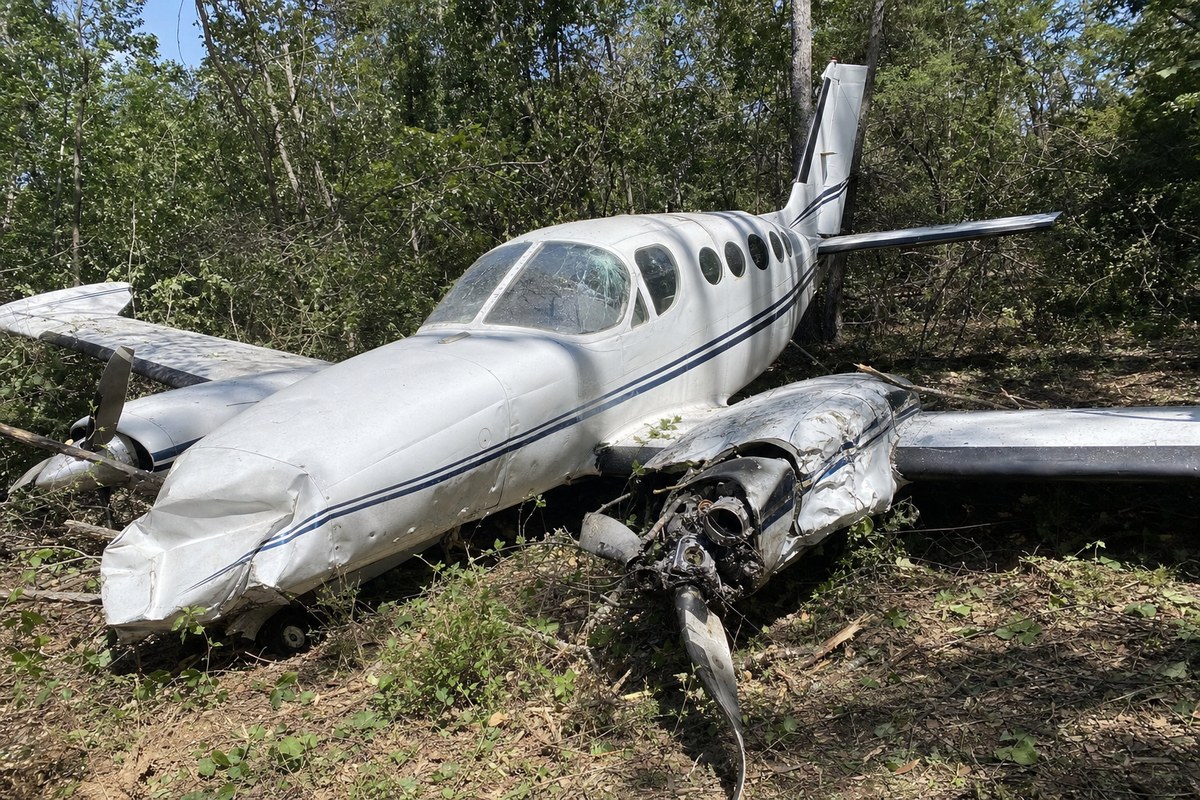
The pilot noticed the right engine was "running hot" shortly after takeoff from Blytheville, Arkansas, on a flight bound for Lima, Ohio. He leveled the aircraft to try to resolve the issue, then feathered the propeller and shut down the right engine before attempting to divert to a nearby airport. When the remaining engine also began to deteriorate and he could no longer maintain altitude, he performed a forced landing into a cornfield, causing substantial damage to the aircraft. A first responder who sampled the fuel at the scene reported it was colorless and smelled of diesel fuel.
An interview with the fueler at the departing airport confirmed the aircraft had been fueled with "pre-mixed Jet-A," which the airport manager also confirmed. A fuel receipt signed by the pilot showed 145 gallons of Jet-A had been loaded. The pilot told investigators he did not specifically tell the fueler that he wanted 100LL in the airplane, and despite signing the Jet-A receipt, he did not inspect or sample the fuel before departure, stating the group "wanted to get home" and "got in the airplane and left."
Weather conditions at the time were clear, with no precipitation, obscurations, or wind gusts reported. The aircraft's last annual inspection was recorded as May 1, 2026. The FAA's preliminary incident report, released in the days after the crash, had stated that a "loss of power" contributed to the crash.
Industry impact & what to watch
This case belongs to a known category of general-aviation risk: turbine-fueled piston aircraft receiving Jet-A instead of 100LL avgas, a mismatch that can run for a full tank before symptoms appear in flight. The NTSB's finding places responsibility on the refueling chain at the departure airport while also naming the pilot's failure to verify fuel type as a contributing factor, reflecting how the segment's safety model relies on a layered check rather than a single point of control.
Fixed-base operators and fuelers are expected to confirm aircraft fuel type before dispensing, but the final check before departure has traditionally sat with the pilot, through visual inspection, fuel sampling, or simply confirming the grade on the receipt. In this instance, the pilot signed a Jet-A receipt without objection and did not sample the fuel despite having the opportunity, removing that last safeguard before the aircraft left the ramp.
What happens next for operators and FBOs handling mixed piston-and-turbine traffic will depend on how this report circulates through fueling procedures and pilot briefings at similar airports. The gap between the FAA's preliminary "loss of power" finding and the NTSB's final determination of misfueling also illustrates why early incident reports should be read as provisional rather than conclusive.