DHS Paid $464 Million to Donor Firm Daedalus for Ten Aircraft at Above-Market Prices in Noem's Final Weeks
Why It MattersThe episode shows how government aircraft procurement can bypass competitive pricing checks when no-bid contracts are awarded under political pressure near a leadership transition, leaving costly assets unused.
What happened
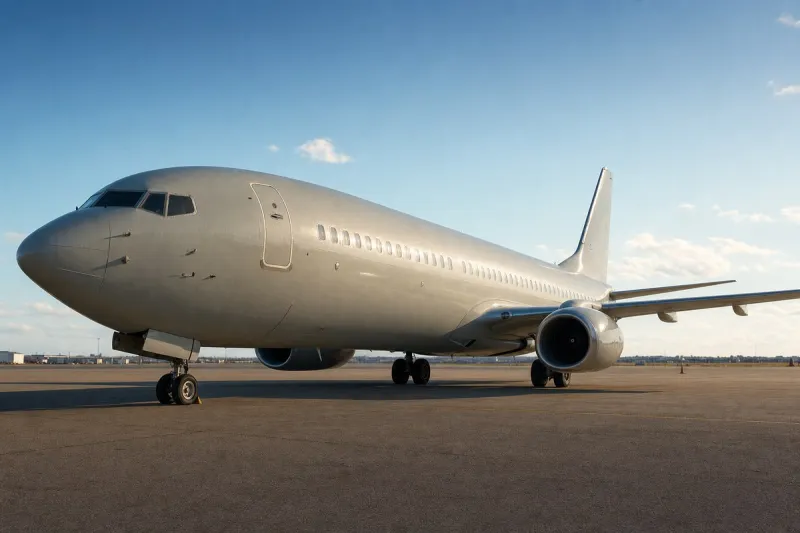
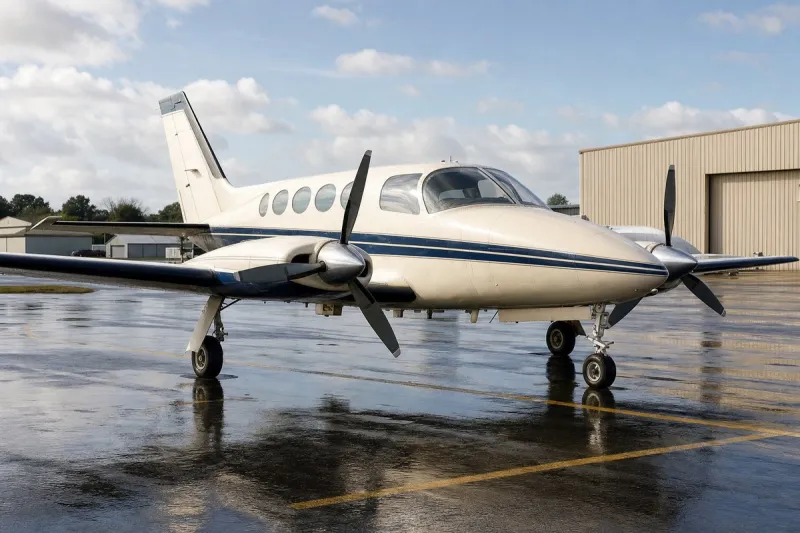
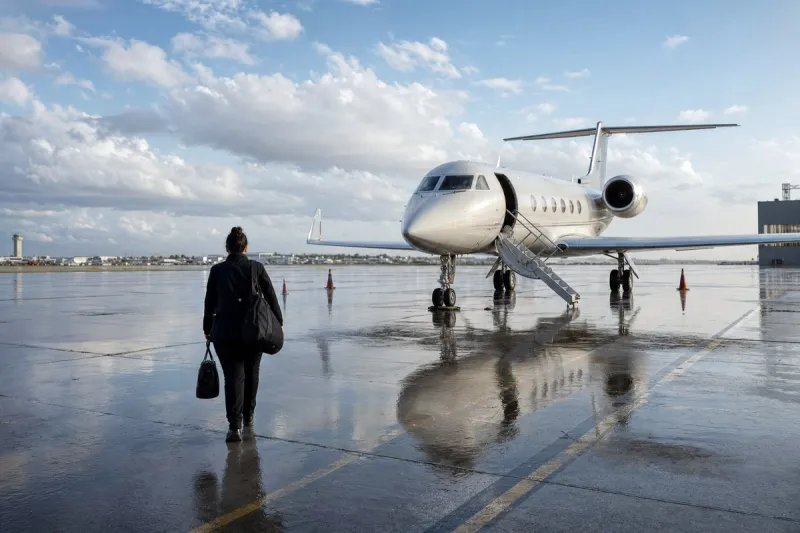
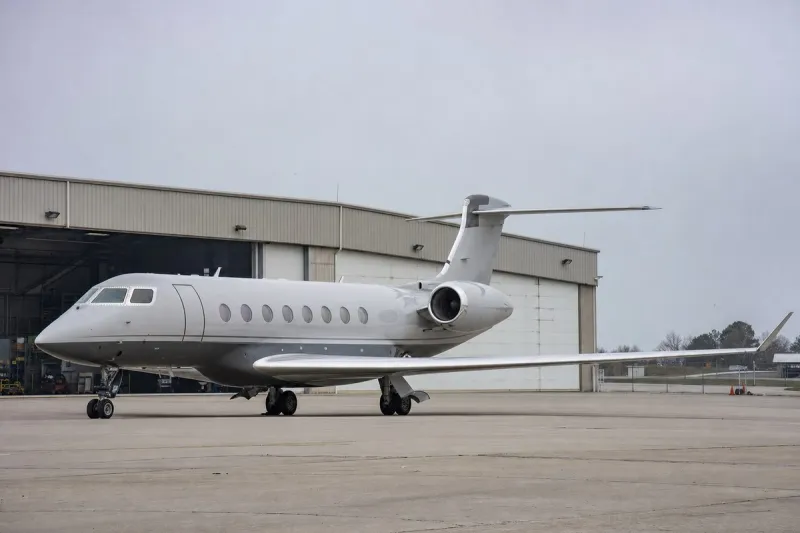
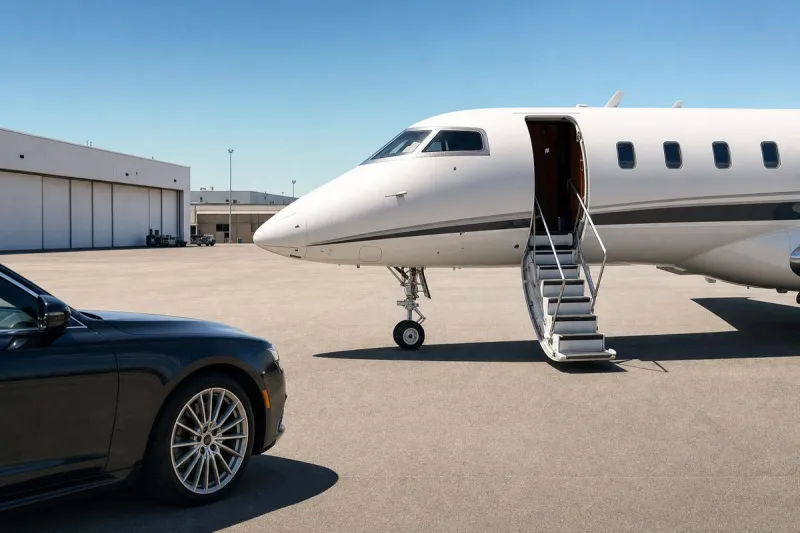
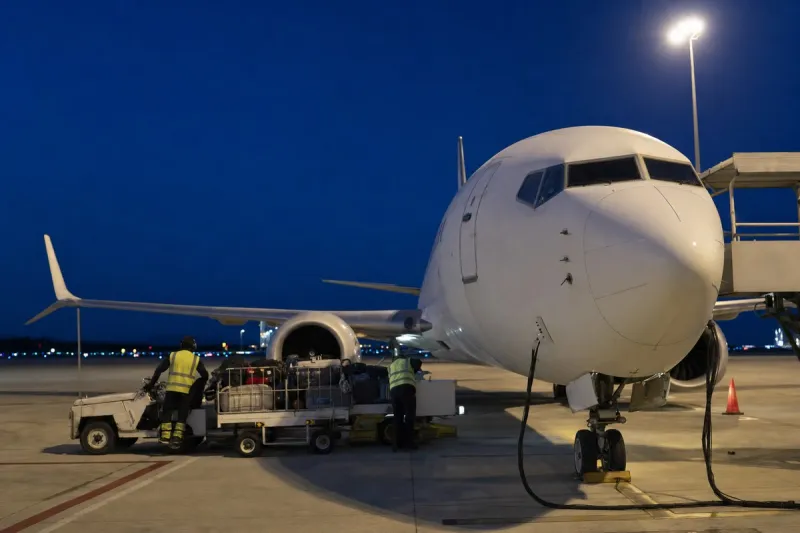
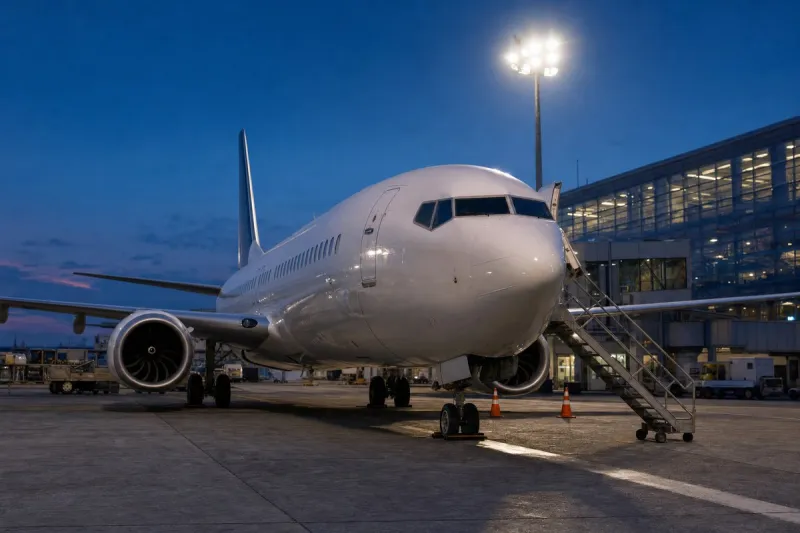
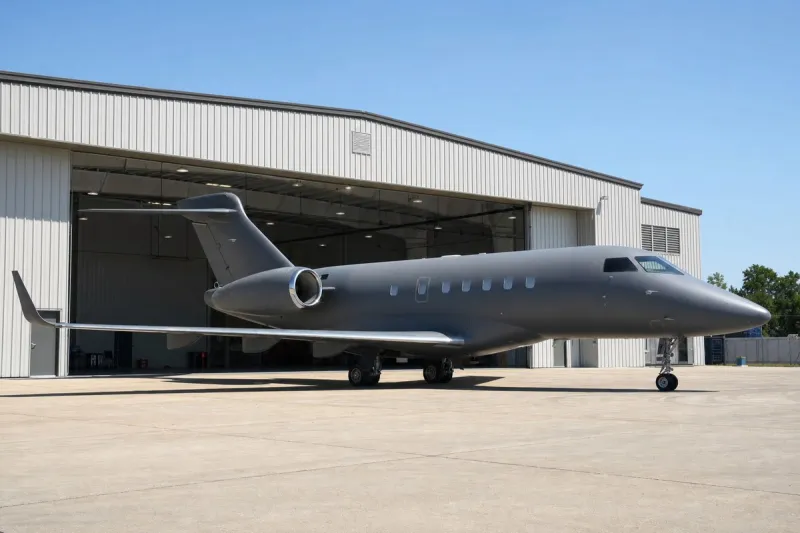
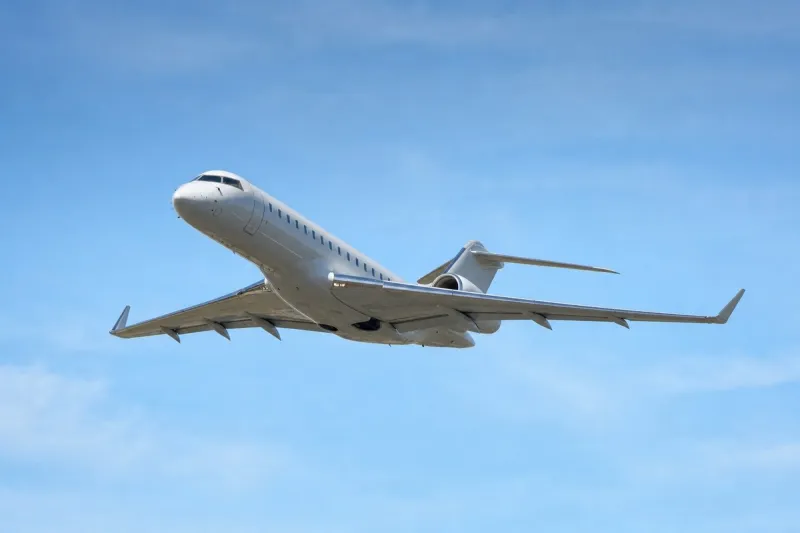
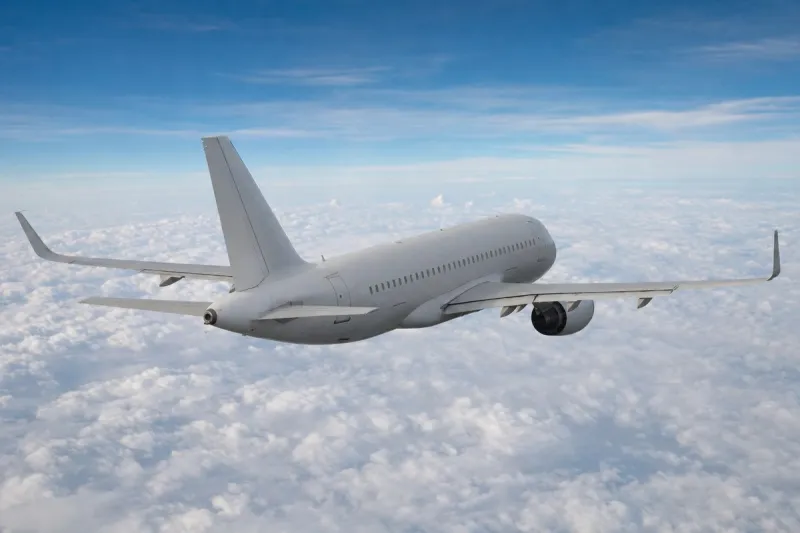
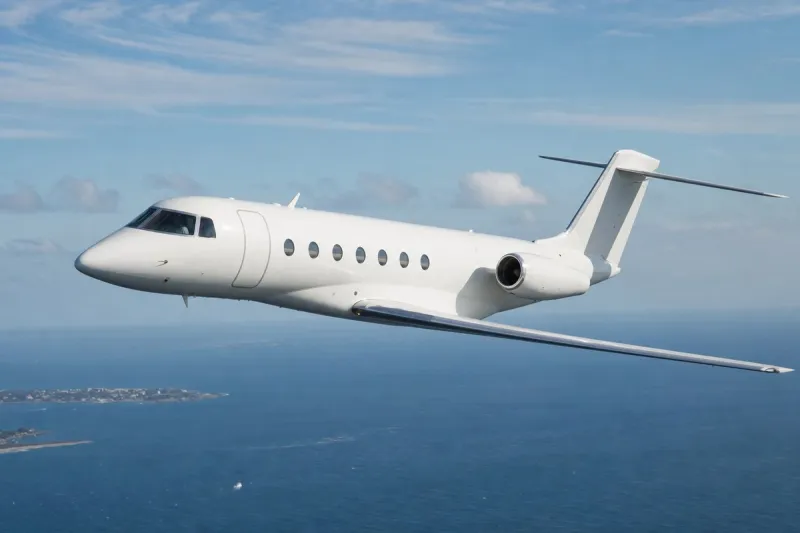
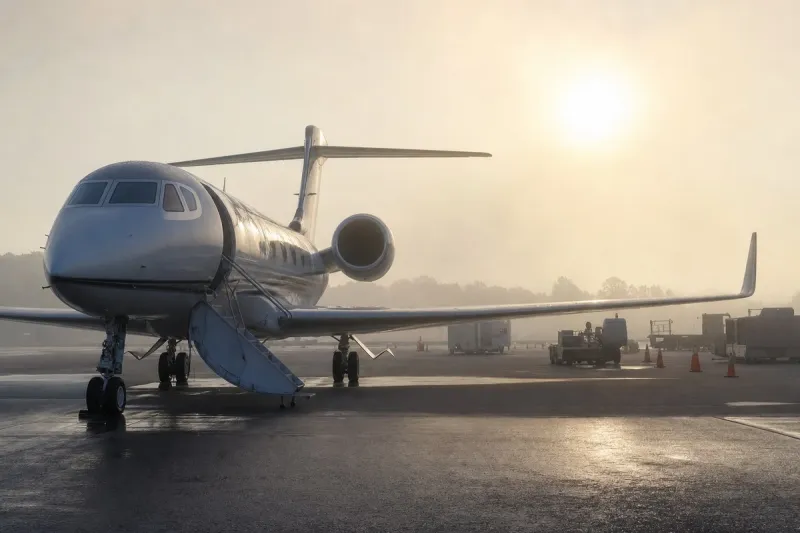
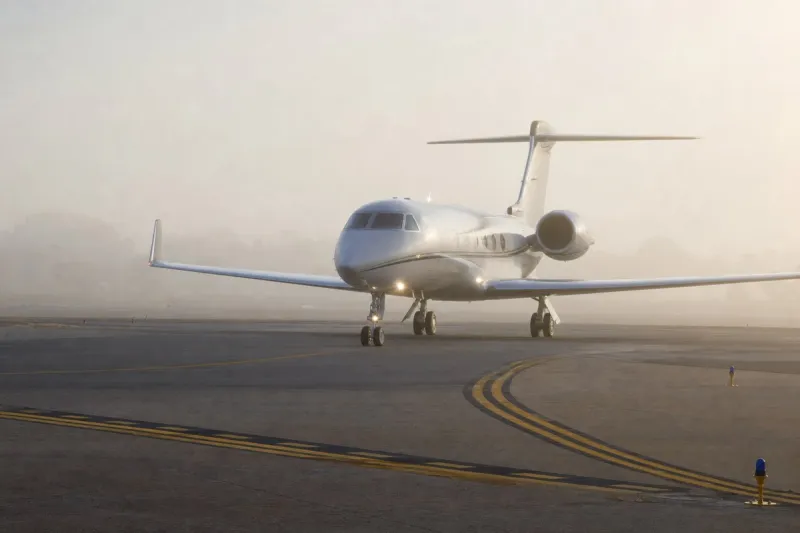
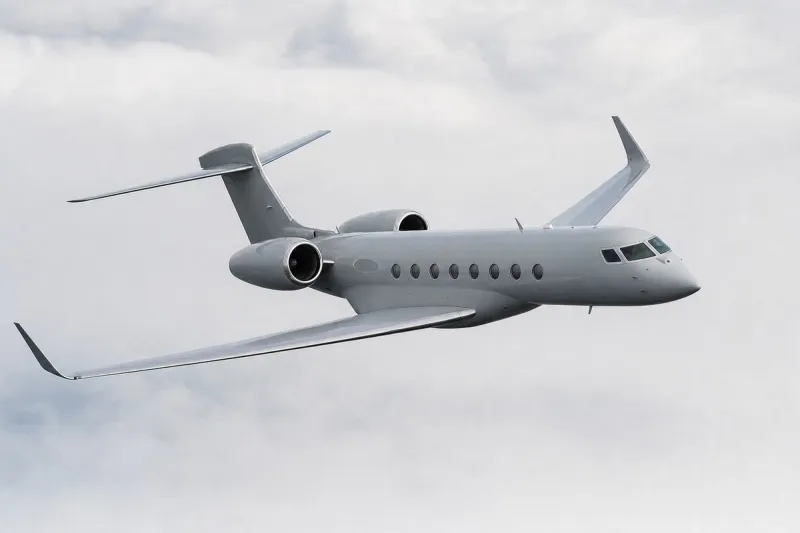
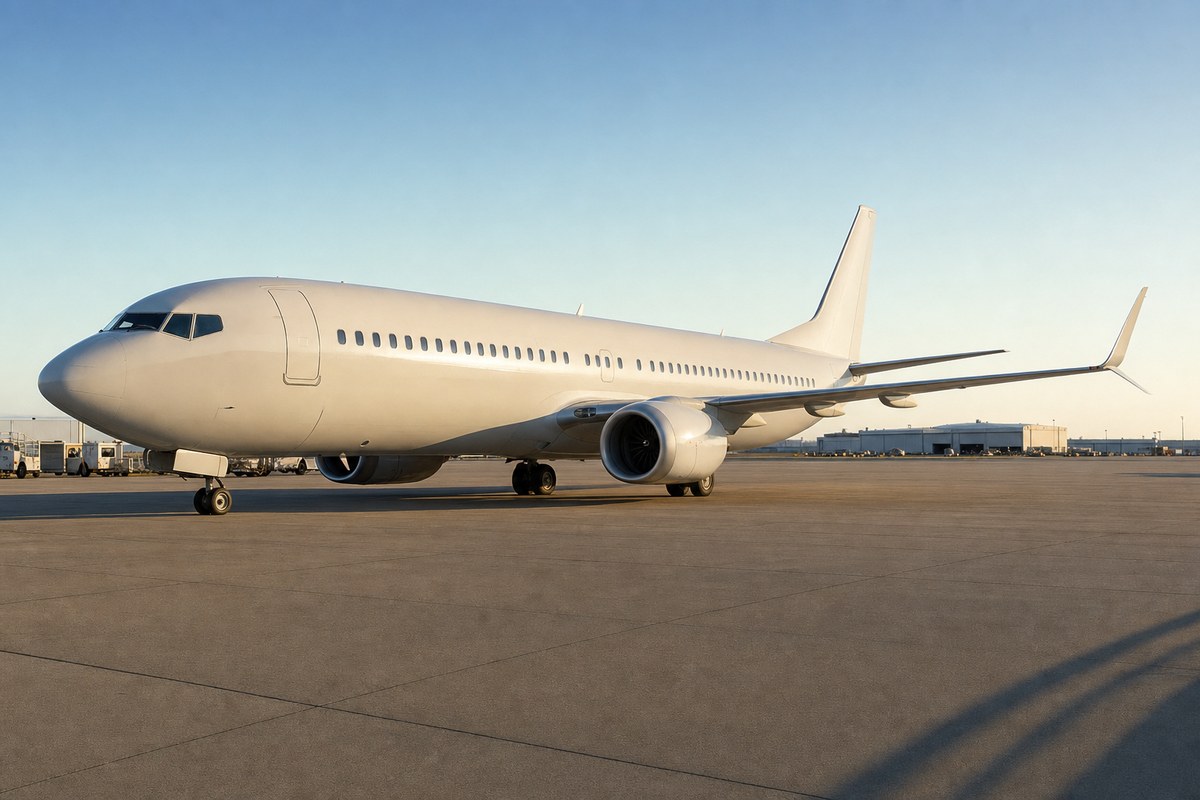
The U.S. Department of Homeland Security paid approximately $464 million to Daedalus Aviation Corporation, a Northern Virginia company chaired by pro-Trump donor William Walters III, for ten aircraft under contracts awarded during former Secretary Kristi Noem's tenure. On the final day of Noem's tenure, DHS paid $108 million for a Boeing 737 Max 8 that Daedalus had purchased for $90 million months earlier. The agency also paid $106 million to Daedalus for two smaller luxury jets the company had acquired for $83 million, and purchased a pair of nearly 20-year-old Boeing 737 passenger aircraft at $45 million apiece — prices aviation experts told the New York Times were far above market value.
Daedalus had never held a federal contract before this no-competition award, and its CEO had previously led an airline into bankruptcy. Walters, a former State Department surgeon, had donated $10,000 to a pro-Noem super PAC whose sister nonprofit paid her chief adviser Corey Lewandowski more than $265,000 for consulting work. President Trump fired Noem in March, partly over questionable contracts awarded to entities with which she had political or personal ties, yet Noem continued approving purchases during the three weeks she remained in office before her successor, Secretary Markwayne Mullin, was sworn in.
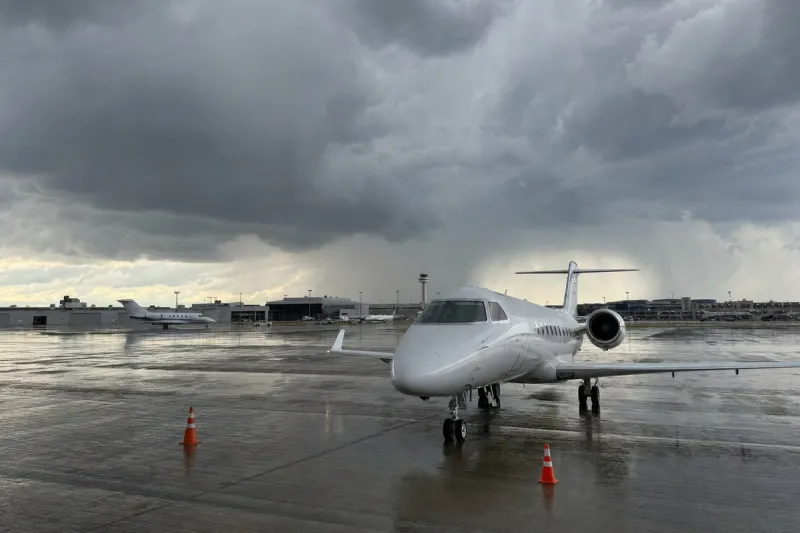
Mullin attempted to halt the deal but feared DHS would lose even more money by doing so; White House Chief of Staff Susie Wiles shared those concerns and advised against blocking the purchase. The fleet, comprising three luxury jets and seven older Boeing 737s, was originally justified as essential for carrying out the administration's mass deportation policy, but the aircraft were instead used to transport Trump administration officials. The planes have since sat idle for months in Lake Charles, Louisiana; an internal DHS document stated the agency lacked crews to fly them. DHS said in a statement that the Daedalus contract "was made and approved by department leadership before Secretary Mullin was sworn in," and that the department "reserves the right to adjust course in an environment with evolving requirements and demands." Noem, now serving as a State Department special envoy, filed for divorce from her estranged husband Bryon Noem earlier this month.
Industry impact & what to watch
This case sits in a familiar category of federal aircraft procurement risk: a sole-source contract awarded to a first-time vendor in the closing days of an outgoing official's tenure, priced well above what the seller itself had paid for the same aircraft weeks earlier. Government aviation purchases normally rely on competitive bidding and independent appraisal precisely because aircraft values can be obscured through quick flips between related parties, and a no-bid award removes both of those checks at once.
The fact that a new administrator inherited the deal and judged cancellation costlier than completion illustrates how sunk-cost dynamics can lock in a bad purchase once contracts are signed, even when the buyer himself calls the pricing into question. That the ten aircraft have sat unused in Lake Charles, Louisiana for months because DHS lacks crews to fly them underscores a separate failure: mission justification and operational capacity were not aligned before the money moved.
What follows will depend on whether DHS discloses the appraisal basis for the prices paid, whether any inspector general or congressional inquiry examines the Daedalus contract specifically, and whether Secretary Mullin's department moves to resell, lease out, or finally crew the idle fleet.