Henderson Field on Midway Atoll Faces Closure Without $100 Million FAA Upgrade, Threatening Transpacific Flights
Why It MattersThe case shows how a single remote ETOPS alternate can anchor diversion planning across an entire ocean, so its funding gap exposes how thinly backstopped long-haul twin-engine routing really is.
What happened
Henderson Field (MDY) on Midway Atoll faces closure within five years unless the FAA funds a $100 million rehabilitation package, according to the U.S. Department of Transportation, which said the work would include milling, repaving and seawall repairs to the airport's 7,800-foot runway plus harbor upgrades to receive construction supplies. Henderson Field currently receives $2.5 million per year in FAA Airport Improvement Program funding and $2.6 million from the U.S. Fish and Wildlife Service.
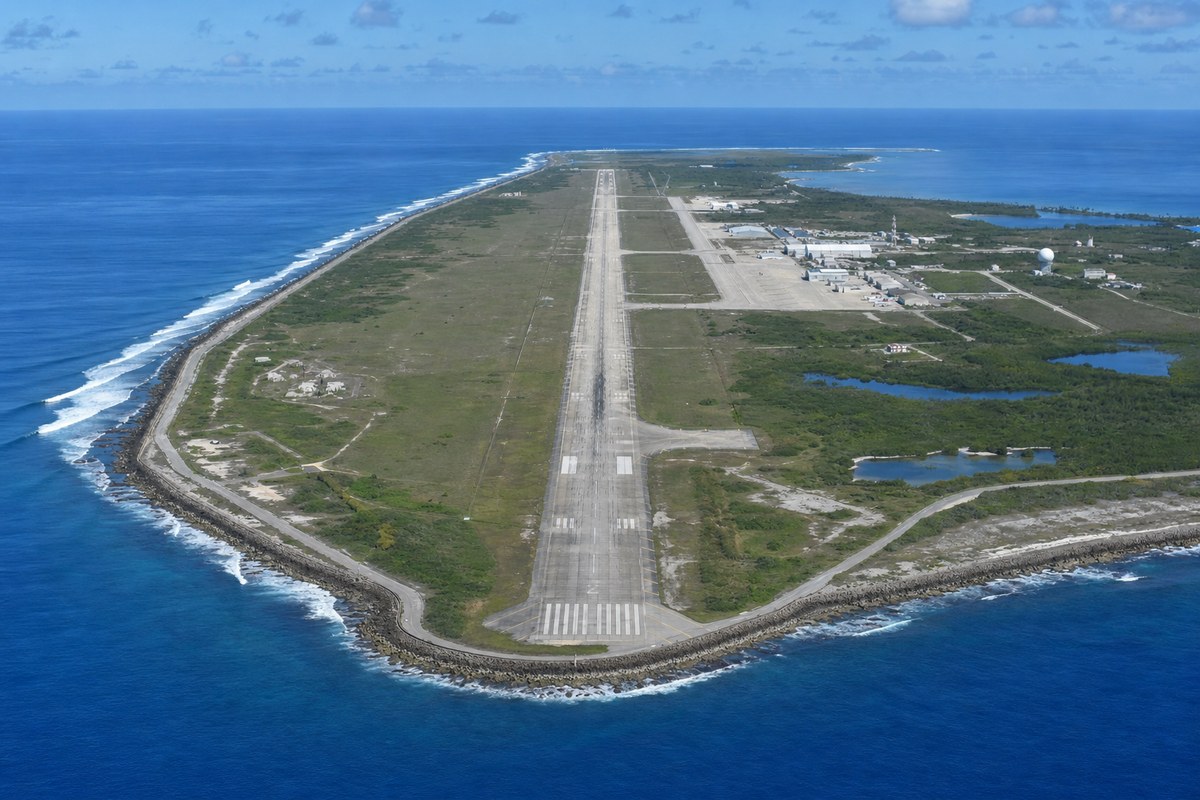
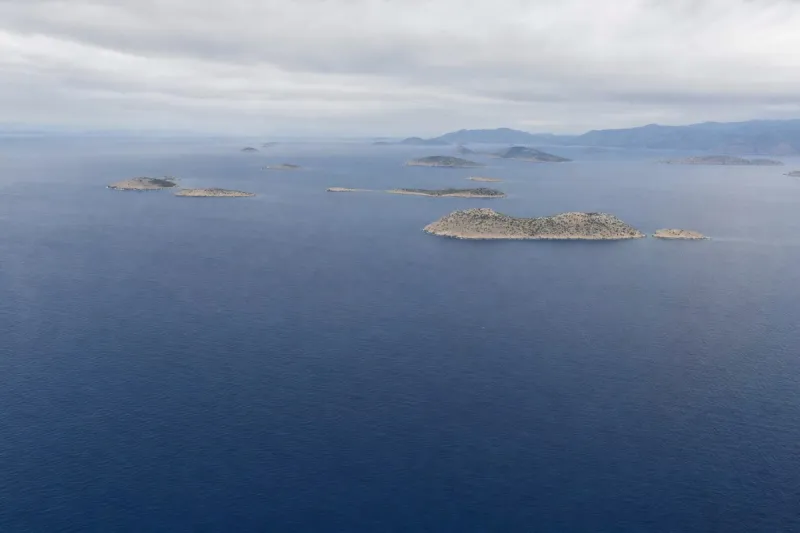
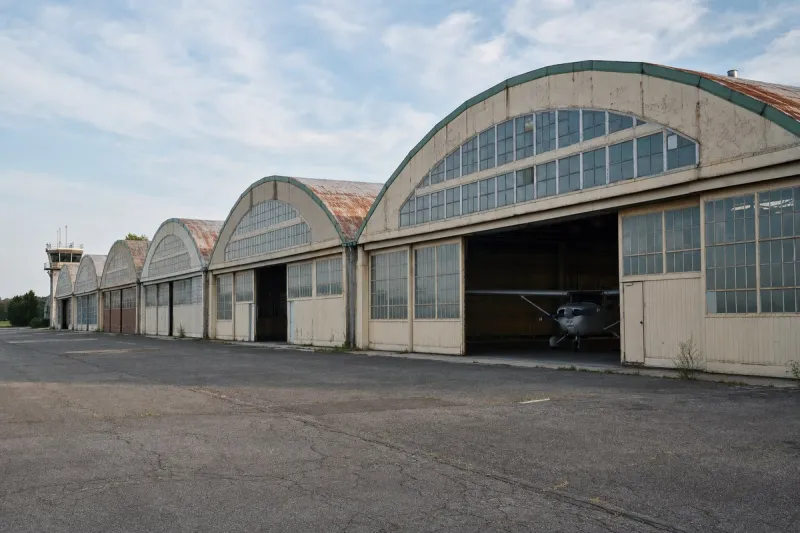
Built in 1942 as a wartime bomber airfield, Henderson Field covers nearly all of Midway Atoll's Sand Island and represents more than 70% of the atoll's total land area. Scheduled commercial service ended in 2002, and the atoll's roughly 40 residents now depend on charter flights. The U.S. Navy transferred the facility to the U.S. Fish and Wildlife Service in 1996, and Boeing subsidized the airport for the first seven years after that, contributing $5.5 million, before FAA and Fish and Wildlife Service funding took over in 2003.
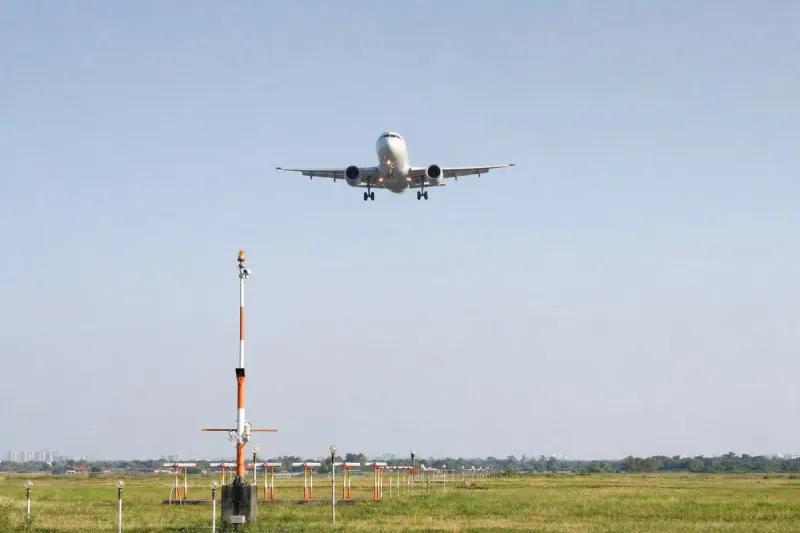
In a letter to the FAA dated September 4, Boeing estimated that up to 3,600 passenger flights operate in each direction annually between Honolulu and Tokyo alone, warning the airport's loss would create a "hole in ETOPS diversion coverage," and that more than 1 million additional gallons of jet fuel would be burned every year on that route alone if the airport closed. Japan Airlines told the FAA that all of its flights to Hawaii designate Henderson Field as their diversion airport. Zipair, which operates transpacific services to Los Angeles, San Francisco and San Jose, said MDY is necessary for certain flights — particularly those departing from those airports during summer — calling it "a critically important airport for our operations throughout the year." Aero South Pacific noted that almost all Zipair and Japan Airlines flights to Honolulu list Midway as their primary ETOPS alternate. Qantas warned that losing Henderson Field would jeopardize its planned Project Sunrise ultra-long-haul nonstop services, including Sydney–London flights, which would require additional fuel if Midway were unavailable, with costs likely passed on to passengers through higher fares.
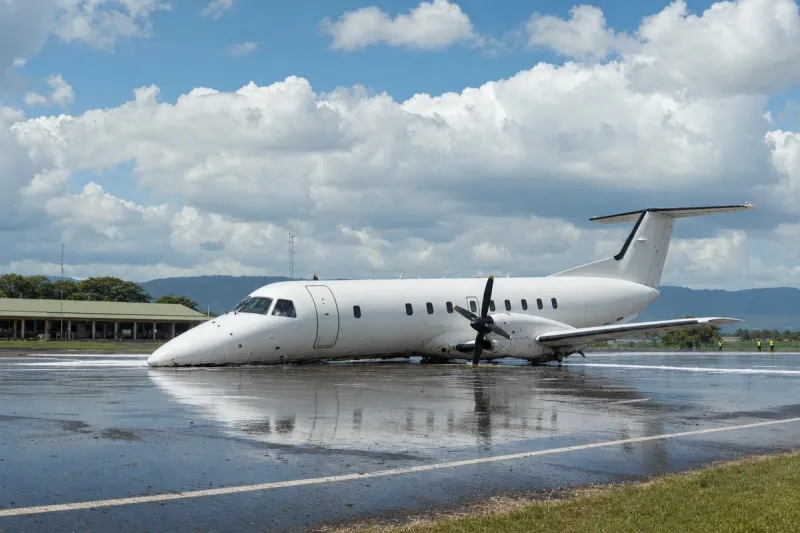
Diversions to Midway are rare but have occurred: a Delta Boeing 747-400 in 2011, a United Boeing 777 in 2014 — both carrying more than 300 passengers — and a Hawaiian Airlines Airbus A330 in September 2021, which diverted after developing an oil pressure issue en route from Seoul to Honolulu. The FAA's July review noted that MDY is used in the flight planning of tens of thousands of transpacific flights each year. The FAA extended its public comment deadline to September 22 after receiving a request for more time, and its review of the airport's future remains ongoing.
Industry impact & what to watch
Henderson Field illustrates how ETOPS 180 rules, which bar twin-engine jets such as the 737 MAX and A320neo from flying more than 180 minutes from a diversion airport, depend on a small number of remote fields that have no substitute across vast ocean stretches. Midway's position roughly halfway between Asia and North America makes it the only suitable ETOPS alternate across that part of the Pacific, so its funding status carries weight far beyond the island's own traffic.
The airport's economics show why such sites are vulnerable: a facility with no scheduled service and about 40 residents survives on a combination of federal aviation and wildlife-agency funding, plus, historically, direct manufacturer subsidy from Boeing. That funding has not kept pace with the $100 million rehabilitation the DOT says is needed, even though airlines and Boeing argue the flight-planning value — thousands of annual Honolulu–Tokyo flights, Zipair's West Coast routes, and Qantas's Project Sunrise ambitions — far exceeds the airport's own budget.
The next milestone is the FAA's comment period, now extended to September 22, and whatever funding decision follows its ongoing review. Whether the agency allocates money toward the runway, seawall and harbor work, or whether carriers are left to plan for rerouting and the extra fuel burn Boeing quantified on the Honolulu–Tokyo route, will determine whether this remains a live diversion option or a capacity planners must design around.