Climate Change and El Niño Are Making Aviation Weather Hazards More Frequent and Unpredictable, Researchers Say
Why It MattersWeather hazards that standard radar cannot see are growing in frequency, so the industry's safety margin increasingly depends on forecasting and sensing tools that are still maturing, not on crew observation alone.
What happened
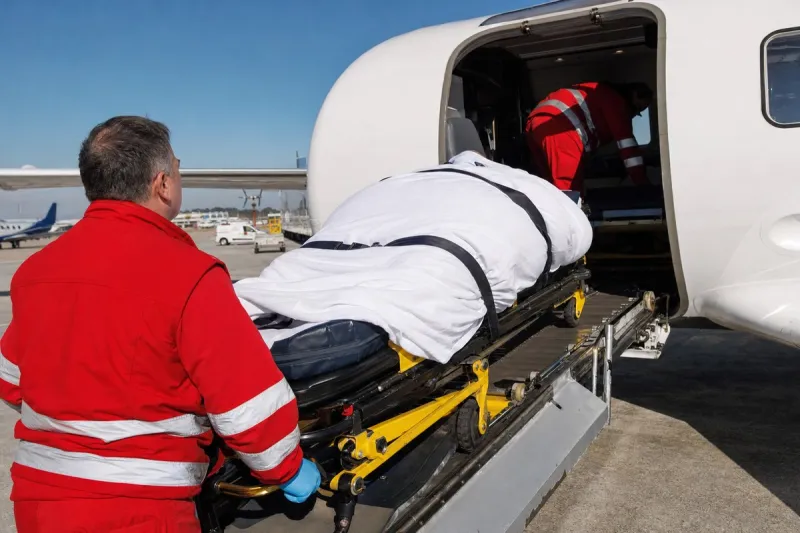
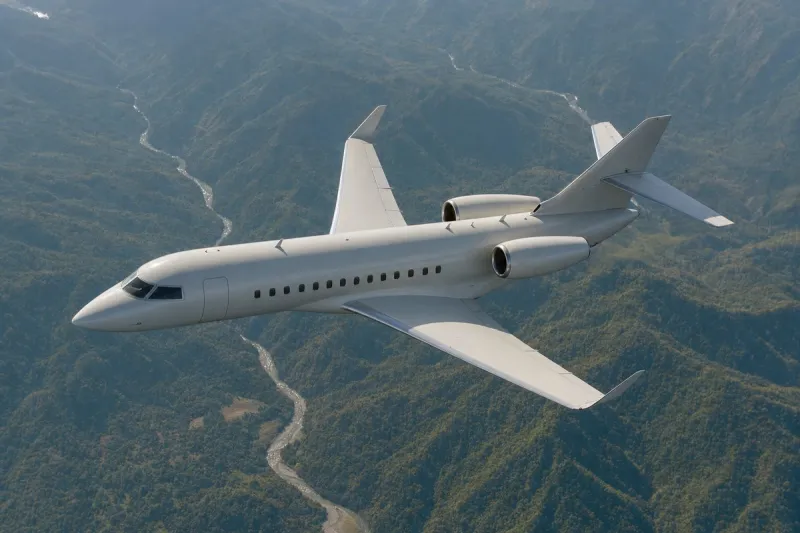
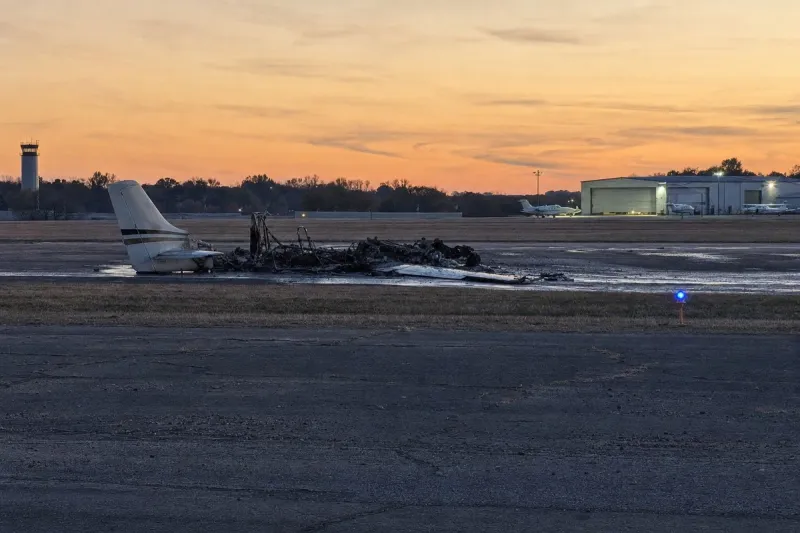
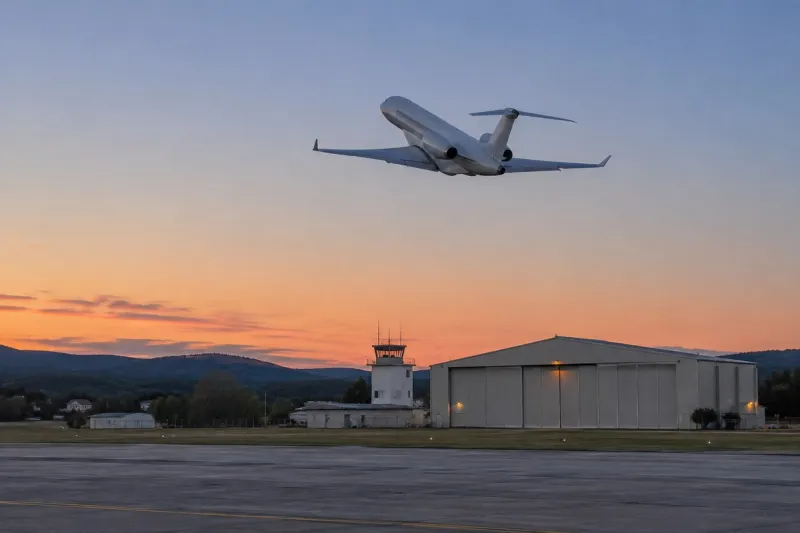
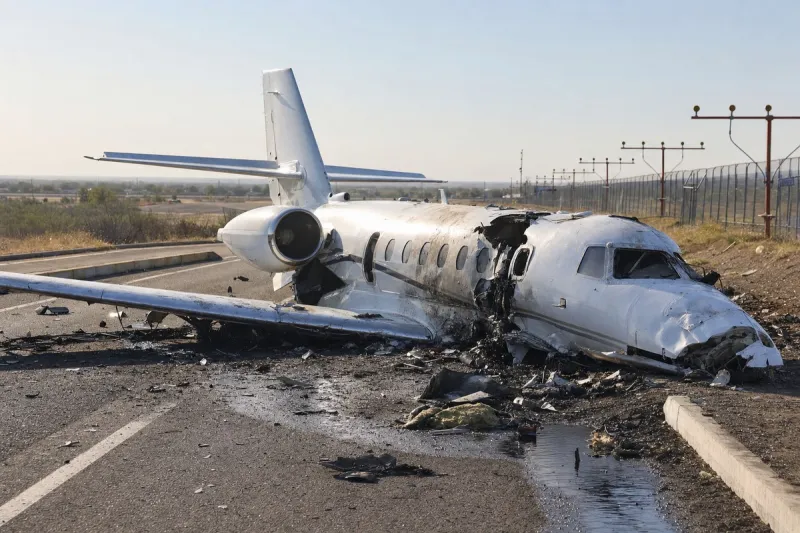
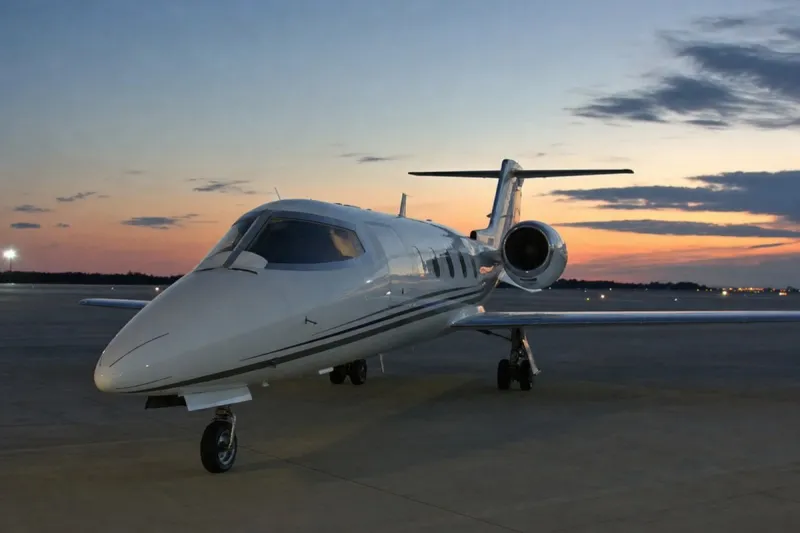
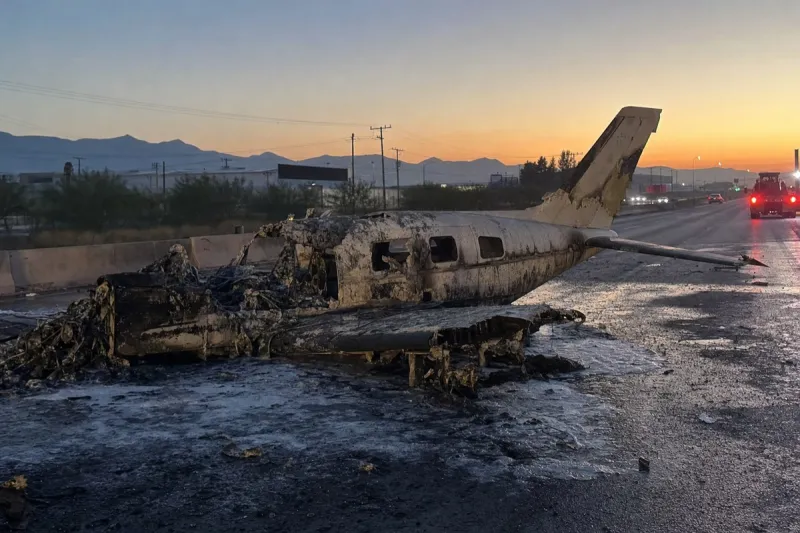
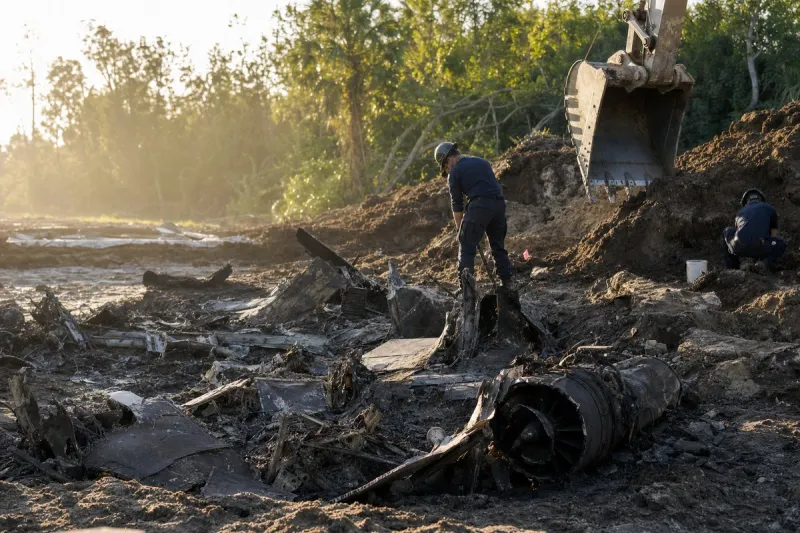
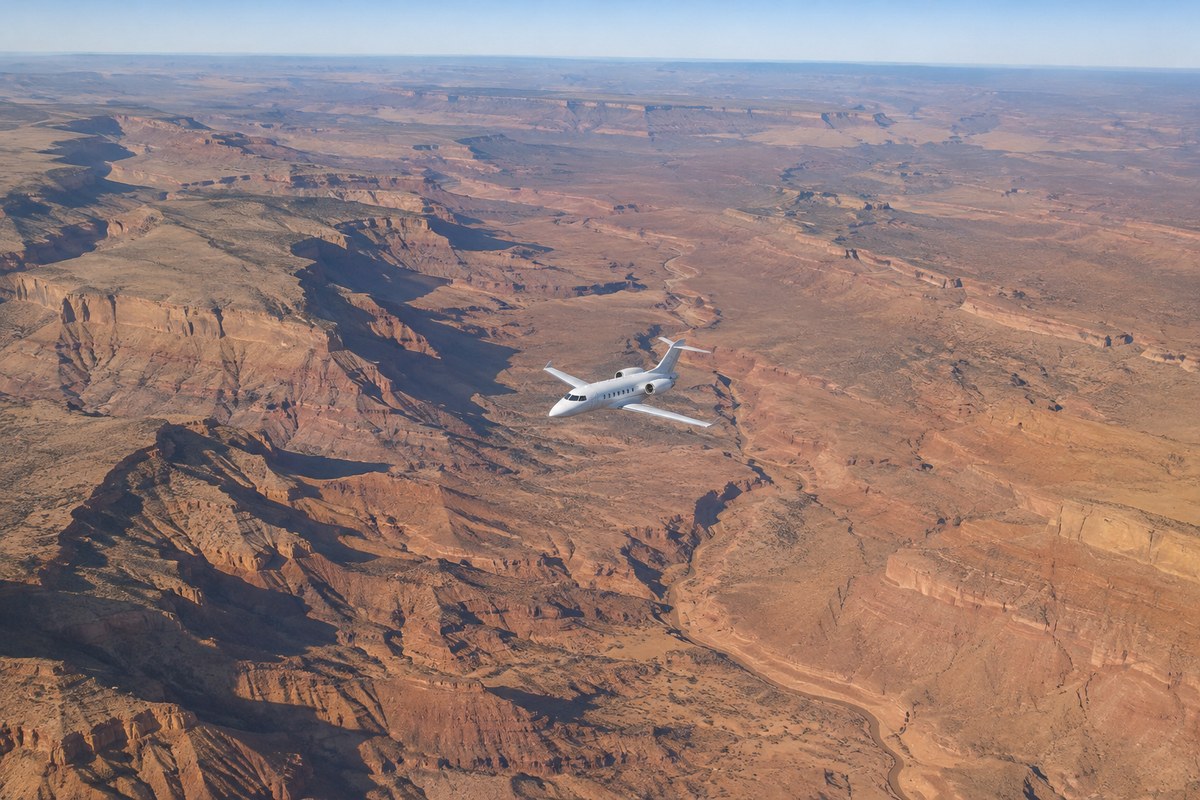
A Learjet 60 private jet carrying nine people crashed onto a Florida road on November 1 after its co-pilot reported light ice buildup and moderate turbulence on a flight from Austin, Texas, to the Bahamas. She transmitted a mayday call less than two minutes after that report, and all nine people on board were killed. Investigators are examining weather, including icing and turbulence, among the causes.
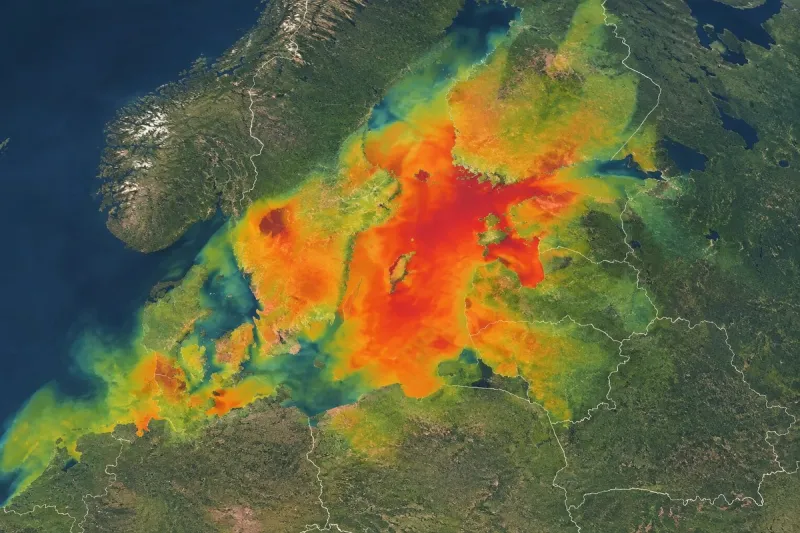
Researchers say climate change and a near-record-strong El Niño are making some atmospheric hazards harder to anticipate. Clear-air turbulence, which is invisible to standard aircraft radar and often occurs near the jet stream, is becoming more frequent as temperature differences between the poles and the equator increase and make wind speeds more volatile. A 2023 study found that climate change has increased severe clear-air turbulence over the North Atlantic by 55% since satellite observations began in 1979.
In May 2024, Singapore Airlines Flight SQ321 from London to Singapore hit severe turbulence over Myanmar and made an emergency landing in Bangkok; more than 70 people were injured and a 73-year-old British man died of a suspected heart attack. That death is believed to be the first commercial-flight fatality solely related to turbulence in decades; the last recorded one occurred in December 1997 on a United Airlines flight from Tokyo to Honolulu. Paul Williams, a professor of atmospheric science at Reading University, advises passengers to keep seatbelts fastened and sit near the middle of the plane.
Icing and extreme heat
Icing occurs when aircraft meet supercooled water droplets, freezing rain or ice crystals, and can reduce lift, add weight and drag, block sensors and cut engine power. The 1994 crash of American Eagle Flight 4184 near Roselawn, Indiana, has driven much icing research. The European Union Aviation Safety Agency (EASA) says early studies suggest climate change could affect icing frequency, altitude, severity and location, and that a warmer planet does not automatically mean less icing.
Extreme heat is another hazard: warmer, less dense air makes it harder for planes to generate lift, sometimes forcing airlines to bump passengers or cargo. At Florence airport in Italy, where the runway is about 5,000 feet long, 20 passengers were removed from a London-bound flight last year at 95°F. In the Middle East, long-haul flights are often scheduled for early morning or late night.
Forecasting tools
LIDAR could make clear-air turbulence visible but is expensive and heavy. A machine-learning system called ALPHA combines weather models, satellite and radar data to identify areas of high ice-water content.
In March, the National Oceanic and Atmospheric Administration introduced a forecasting system for turbulence and icing that ingests radar data every 15 minutes.
Industry impact & what to watch
The common thread across these hazards is that the conditions are growing harder to see, not simply more severe. Clear-air turbulence does not appear on standard radar, icing behaviour may shift in altitude and location, and heat erodes performance margins at shorter runways. For business aviation, where aircraft often operate into smaller airports and at altitudes where icing and jet-stream turbulence are common, the segment's exposure depends heavily on how good pre-flight and in-flight weather information is.
That shifts the weight of safety toward forecasting and sensing technology. Tools such as ALPHA and NOAA's new system address specific hazards, while LIDAR remains limited by cost and weight, which matters most for smaller airframes where payload and budget are tight. Whether such technology can keep pace with increasingly unpredictable hazards is still an open question.
The near-term marker is the investigation into the November 1 Learjet 60 crash, which is examining icing and turbulence among its causes. Its findings will show how much weather, as opposed to other factors, contributed to that accident.