North Carolina Awards Aerial Asset Accessibility Grants to Nine Western Airports After Hurricane Helene
Why It MattersDisaster-recovery funding is starting to treat general aviation airports as designated emergency infrastructure, tying public money to round-the-clock fuel, maintenance and access commitments rather than to commercial passenger service.
What happened
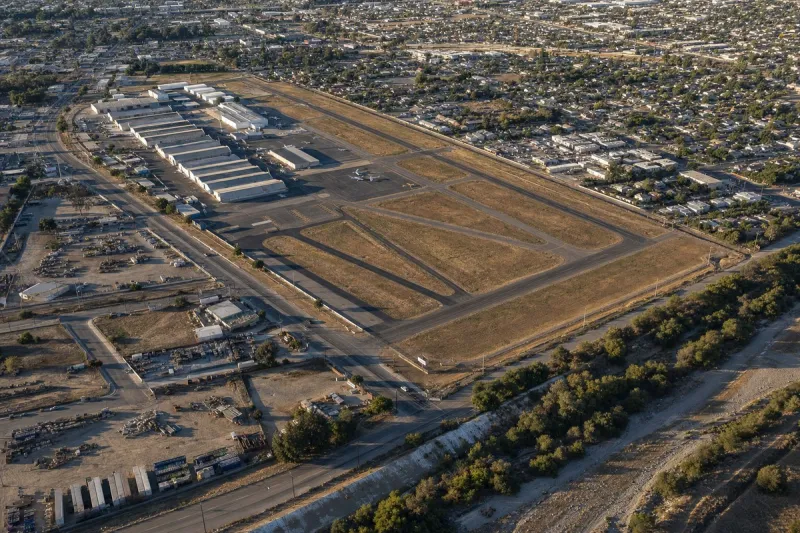
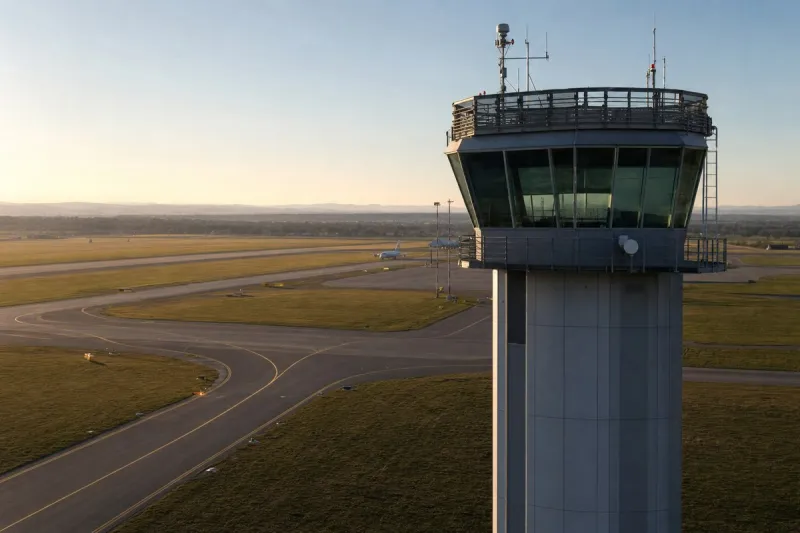
Governor Josh Stein announced awards under North Carolina's Aerial Asset Accessibility Grant Program, which will fund upgrades at nine airports in western North Carolina. Seventeen airports applied, seeking approximately $72 million. The grants cover backup power, hangars, a new terminal and added fuel capacity at regional airports that served as lifelines after Hurricane Helene.

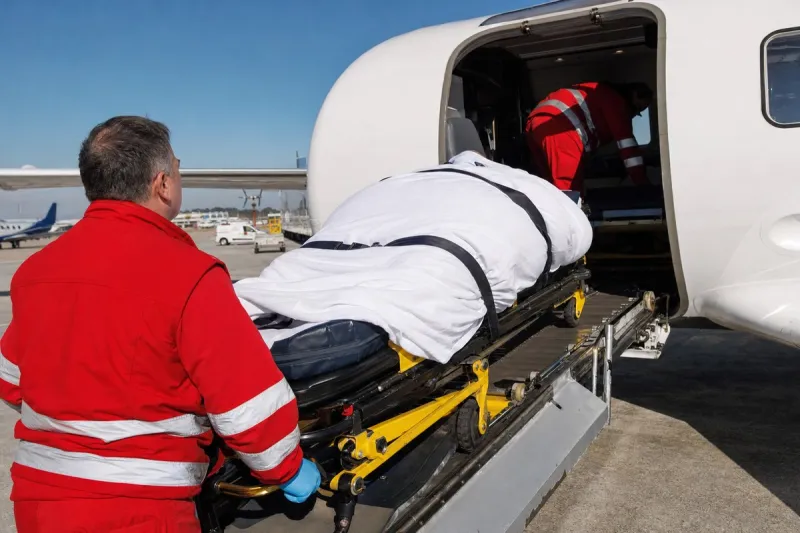
After Helene, hundreds of roads were closed by landslides, washouts and downed trees, leaving many mountain communities isolated. General aviation airports became emergency logistics hubs, receiving and distributing essential supplies and moving first responders. Air traffic over western North Carolina rose 300% after the storm, according to NC Department of Transportation and Federal Aviation Administration data. "Enhancing these nine western North Carolina airports is great news for our state's ability to respond quickly to disasters," Stein said.
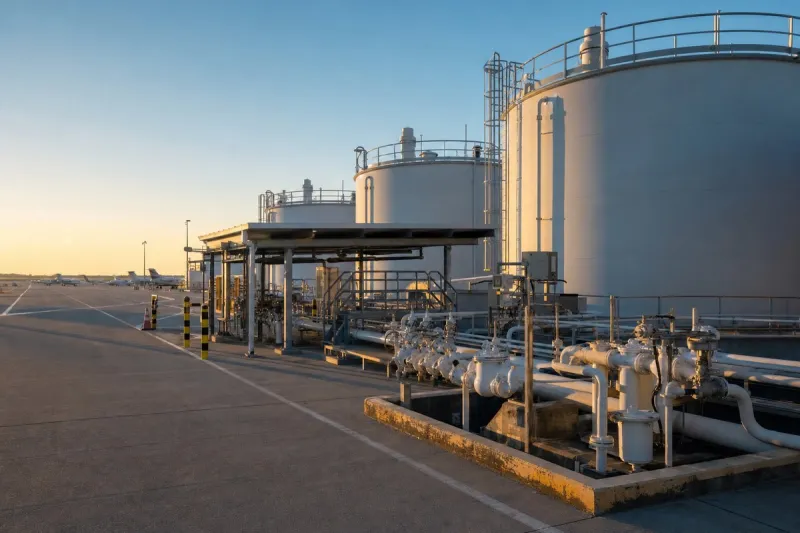
Several awarded projects address gaps experienced during the response and recovery, such as fuel capacity and hangar space used for logistical supplies. Recipients will repair, replace and restore airport infrastructure damaged by Helene, and may also improve emergency preparedness and disaster response capacity through capital projects, infrastructure and communication improvements on airfield property. Common improvements include standby generators for uninterrupted power and construction or expansion of terminals and hangars to support emergency personnel and aircraft.
The program is designed to add regional emergency response capacity at general aviation airports; airports with commercial passenger service are not eligible. Under eligibility rules set by the General Assembly, an airport must have fuel available 24 hours a day, seven days a week, and have on-site aviation mechanics who serve the public. It must also be able to stay open around the clock during a state of emergency and be located in a county that agrees to give the state access to facilities funded by the program. NCEM prioritized airports with the runway capacity, storage space and staff to substantially support emergency response.
The awards support the Western North Carolina Economic Recovery Plan, the long-term framework Stein released in September for rebuilding and growing the region's economy. Its infrastructure line of effort calls for transportation and other systems "sized for growth, built to last, and designed on a regional basis." The plan identifies five of the recipients, the Ashe County, Avery County, Jackson County, Rutherford County and Western Carolina Regional airports, among the region's network of general aviation airports and calls for activating a regional air-access plan that spreads economic benefits across the region.
Industry impact & what to watch
The eligibility conditions are the most telling part of the program. Round-the-clock fuel, on-site mechanics, the ability to stay open during a state of emergency and a county agreement granting the state access to funded facilities are the terms on which public money arrives. A general aviation field that meets them is being treated as part of the state's emergency network, not only as a place where private aircraft are based. For fixed-base operators and airport sponsors, those service levels now carry a funding value as well as a commercial one.
The gap between $72 million requested and nine awards from 17 applicants also shows how contested this money is. Airports that could not show the runway capacity, storage space and staff to support a response were weighed against those that could. The same pattern applies to anyone planning hangar or fuel investments near a disaster-prone area, where resilience features such as standby power and extra storage can bear on both funding and operational relevance.
The 300% rise in air traffic over the region after Helene also bears on charter and aircraft operators. Demand for airfield access, fuel and hangar space spiked at the same moment ground routes failed, so facilities with spare capacity became the constraint. The next dated milestone to follow is the state's activation of the regional air-access plan that the recovery framework calls for.