USAF B-1 Lancer Pilots Are Logging Flight Hours in HondaJet Elite Business Jets Under BSTAR Program
Why It MattersThe case shows how shrinking, aging military fleets are pushing light business jets into a surrogate-training role, reshaping demand at the margins of an aircraft segment built for civilian utility.
What happened
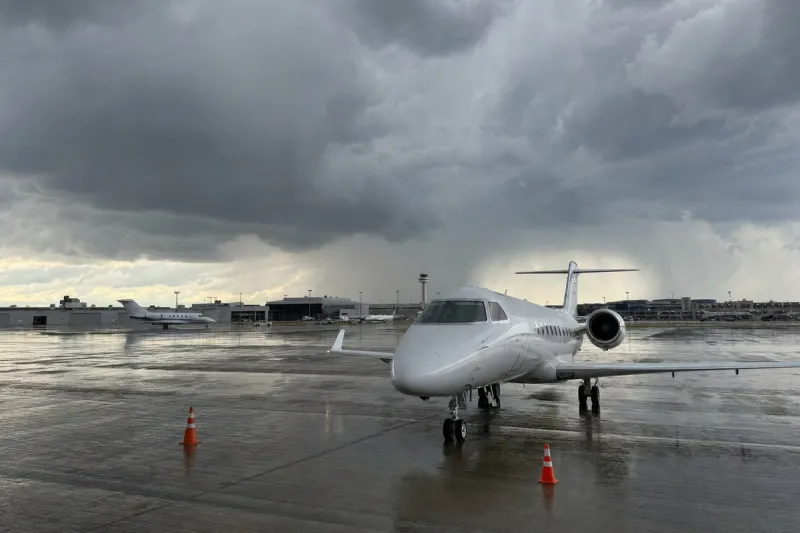
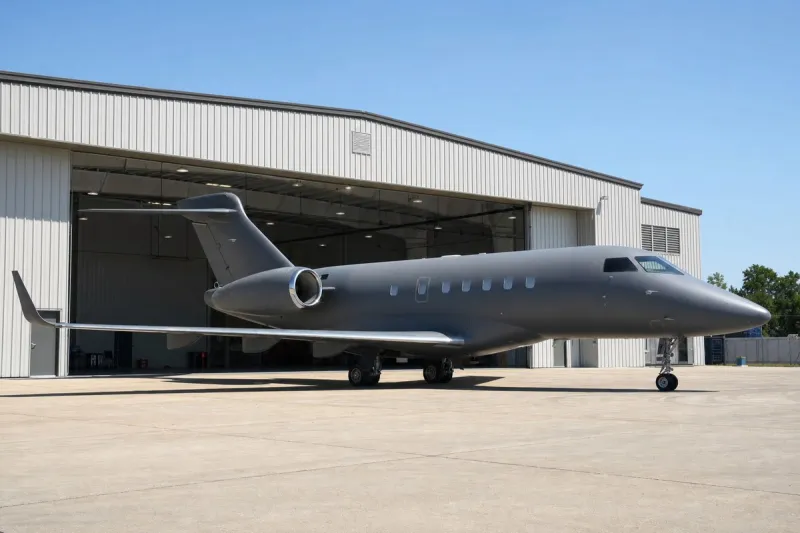
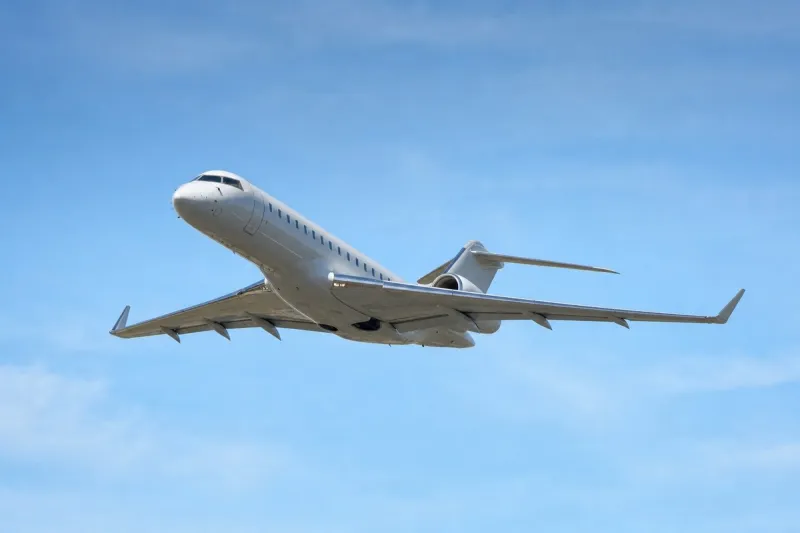
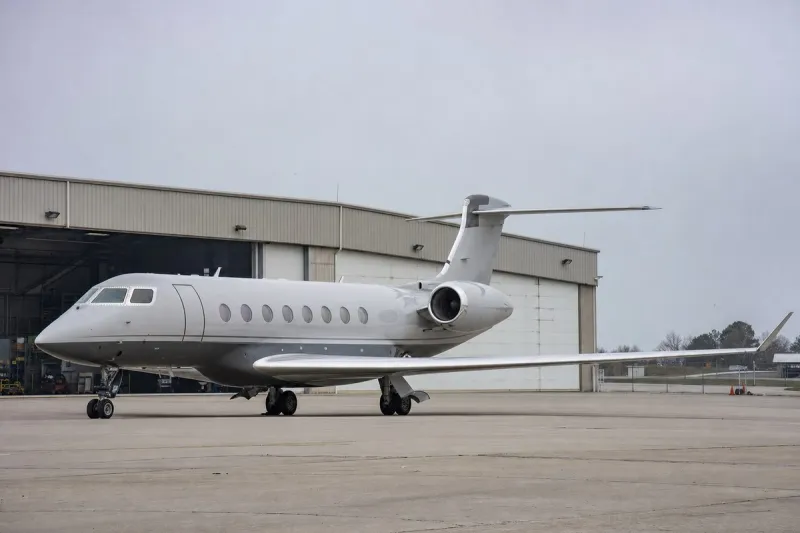
General Davis, commander of Air Force Global Strike Command (AFGSC), confirmed during a panel titled "Flying and Fixing to Fight and Win" that B-1 Lancer bomber crews are using HondaJet Elite light business jets to log proficiency flight hours while their own aircraft undergo maintenance. The arrangement is formalized under a program called the Bomber Supplemental Trainer for Aircrew Readiness, or BSTAR, with the jets supplied by XSTAR Aviation, a company that grew directly out of an AFGSC study into aircrew readiness shortfalls.

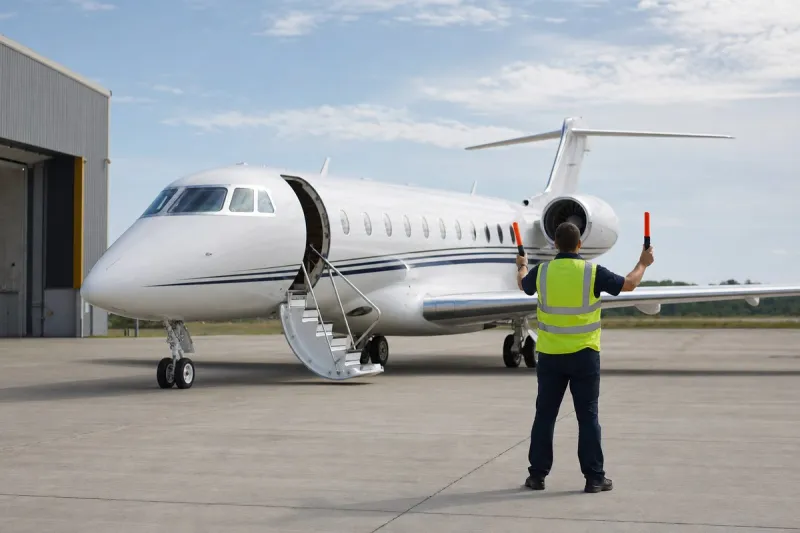
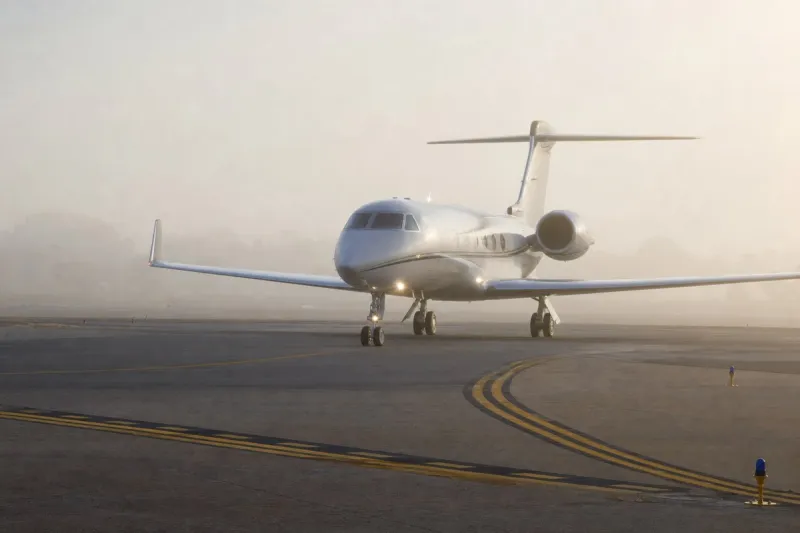
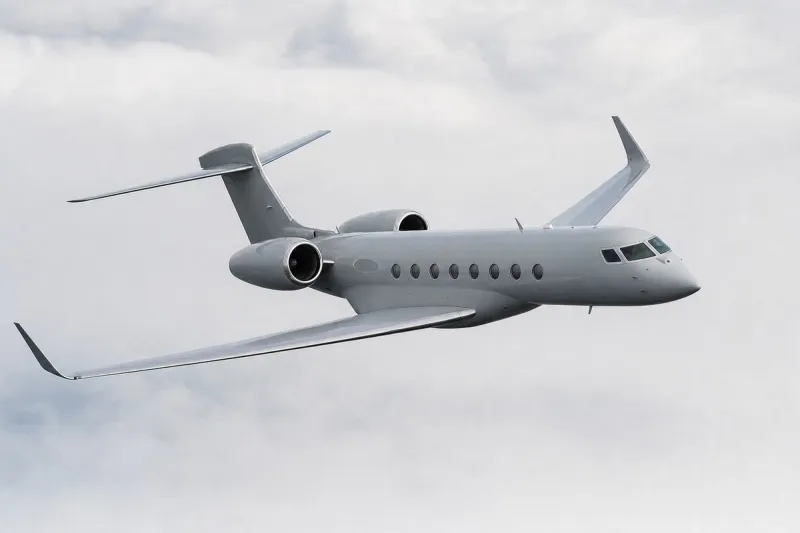
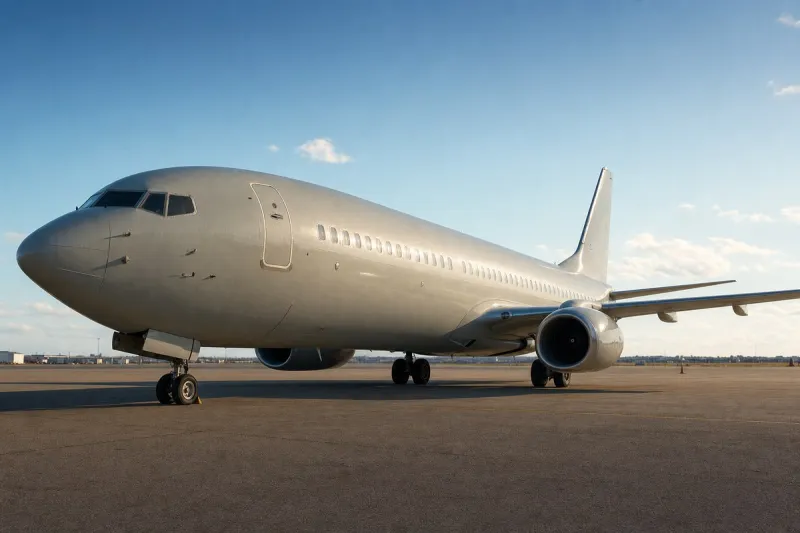
The HondaJet Elite is a twin-engine light business jet built by Honda Aircraft Company, measuring 43 feet in length with a 40-foot wingspan. It is powered by two GE Honda HF120 turbofans, each producing approximately 2,050 pounds of thrust, and cruises at up to 422 knots with a service ceiling of 43,000 feet. The program uses the jets to maintain foundational flight skills — instrument flying, approach work, and general stick time — at lower cost than operating the bombers themselves.
The USAF's total aircraft inventory stands at approximately 4,900 airframes, with a combined bomber force of just 140 aircraft — B-1 Lancers, Northrop Grumman B-2 Spirits, and Boeing B-52 Stratofortresses — spread across nine squadrons, down from a Cold War peak of 422 bombers. The average age of those airframes is nearly 50 years. The B-1's mission-capable rate dropped from 55% in fiscal year 2022 to 43% in fiscal year 2024, while the B-2 fleet slipped from roughly 59% in fiscal 2021 to 52.8% in fiscal 2022; bomber-wide, mission-capable rates across all three types averaged just over 50% in fiscal year 2024, according to Air and Space Forces Magazine. The active B-1 fleet has shrunk to roughly 45 airframes from an original production run of 104.
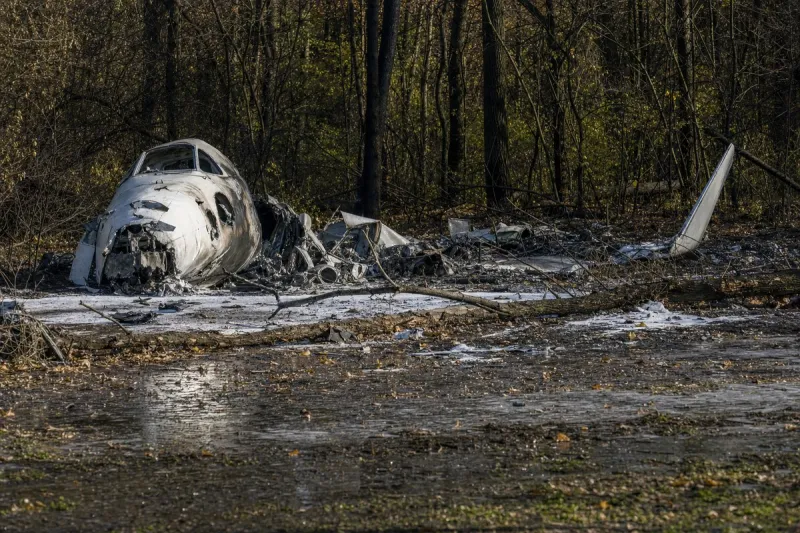
Colonel John "JV" Venable noted in a mid-2025 analysis for Air and Space Forces Magazine that in a January 2024 B-1 crash, valued at $300 million, the mishap pilot had flown only three sorties in the previous month and the instructor pilot just two sorties in the previous 60 days; the aircraft was lost during a routine instrument approach to its home field. A fighter pilot shortfall has grown from approximately 200 pilots in 2006 to roughly 1,150 today, a trend analysts attribute in large part to insufficient aircraft availability for training. In parallel with BSTAR, the Air Force has launched the North Star Readiness Campaign, aimed at raising mission-capable rates for B-52 and B-1 fleets by accelerating spare-parts delivery, engineering support, and depot-level maintenance. Davis described the initiative as "our commitment to ensuring the warfighter has the nation's bomber force ready to go at a moment's notice."
Why a civilian jet fills the gap
A bomber squadron that cannot keep pilots current on its own airframes faces a direct readiness and safety problem, not just a scheduling inconvenience. Flying a B-1, B-2, or B-52 costs far more per hour than flying a light twin-engine jet, and when bombers sit in maintenance, pilots lose currency in instrument flying, approach procedures, and basic stick time. XSTAR's HondaJet Elite fleet offers a way to preserve those foundational skills without consuming scarce bomber flight hours, which explains why AFGSC backed a study that led to the company's creation in the first place.
The approach mirrors a broader pattern across the military aviation world, where light jets and turboprops have long served as lower-cost surrogates for maintaining pilot proficiency between missions in more expensive or less available airframes.
Industry impact & what to watch
This case illustrates how a shrinking, aging bomber fleet with falling mission-capable rates creates pressure points that ripple beyond the military's own aircraft programs. When primary airframes are unavailable for routine training, the readiness gap has to be filled somehow, and a commercial light-jet operator built around exactly that need shows how niche aviation segments can emerge directly from a documented institutional shortfall.
The business jet segment generally serves civilian transport and corporate travel, but BSTAR shows a government customer treating proficiency-hour generation as a distinct service that a purpose-built operator can supply at lower cost than organic fleet flying. That model depends on the trainer aircraft being cheap to operate, readily available, and capable of replicating the instrument and approach skills pilots need to retain between sorties in their primary type.
What happens next will depend on whether the North Star Readiness Campaign succeeds in raising B-1 and B-52 mission-capable rates through faster spare-parts delivery and depot-level maintenance, and on whether BSTAR expands beyond the B-1 community to the B-2 and B-52 fleets facing similar currency pressures. The fighter pilot shortfall's growth from roughly 200 in 2006 to about 1,150 today suggests the readiness problem driving this arrangement is neither new nor confined to bombers alone.