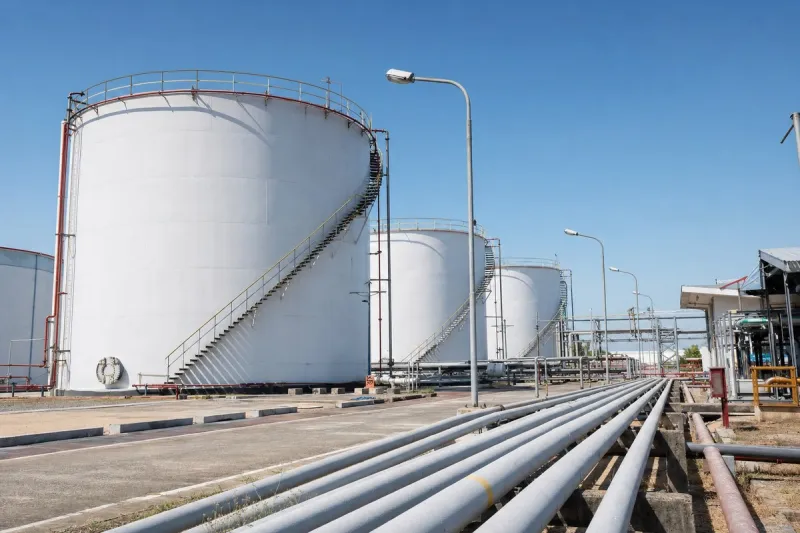
G7 Agrees to Release 100 Million Barrels as Trump Cites Europe Diesel Pledge and China Cuts Fuel Exports
Why It MattersThe episode shows how concentrated refining and export-restriction risk in a handful of countries can move global diesel prices sharply even when overall crude supply remains largely unaffected.
What happened
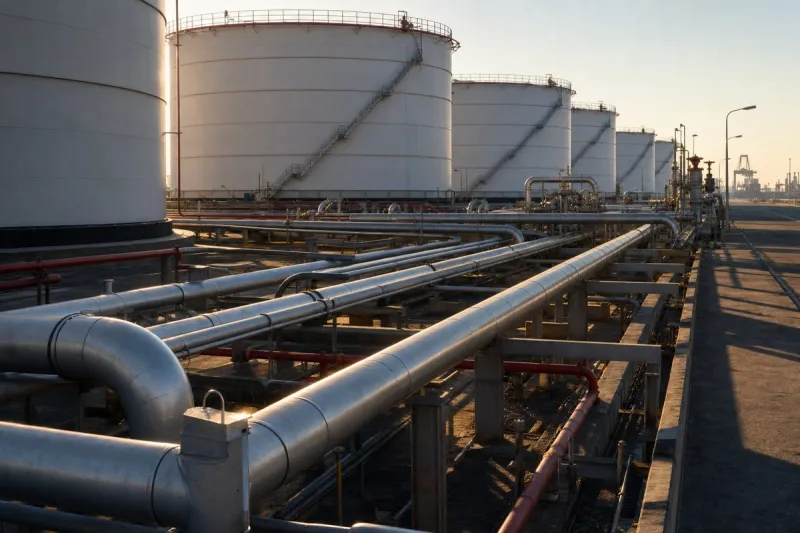
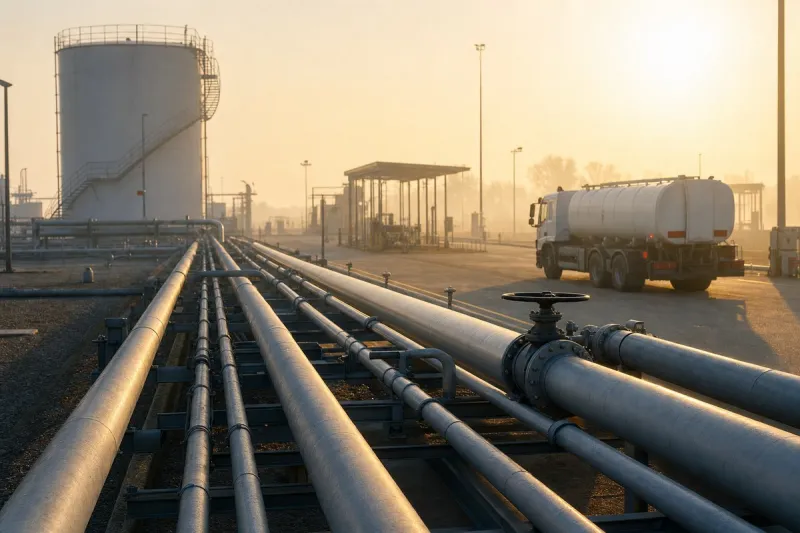
G7 countries agreed on Friday, October 2, to release 100 million barrels of diesel and crude oil from strategic reserves over four months through the International Energy Agency, with a substantial diesel release scheduled within the first 20 days. US President Donald Trump said on Truth Social that Europe had agreed to release a "massive amount" of its heavily stocked diesel reserves, while US Treasury Secretary Scott Bessent urged America's European partners to "accelerate delivery on their existing commitments and make additional supplies immediately available to address ongoing disruptions." The G7 also agreed to refrain from energy export restrictions among member states and called on other producers to avoid measures that could worsen market tensions.
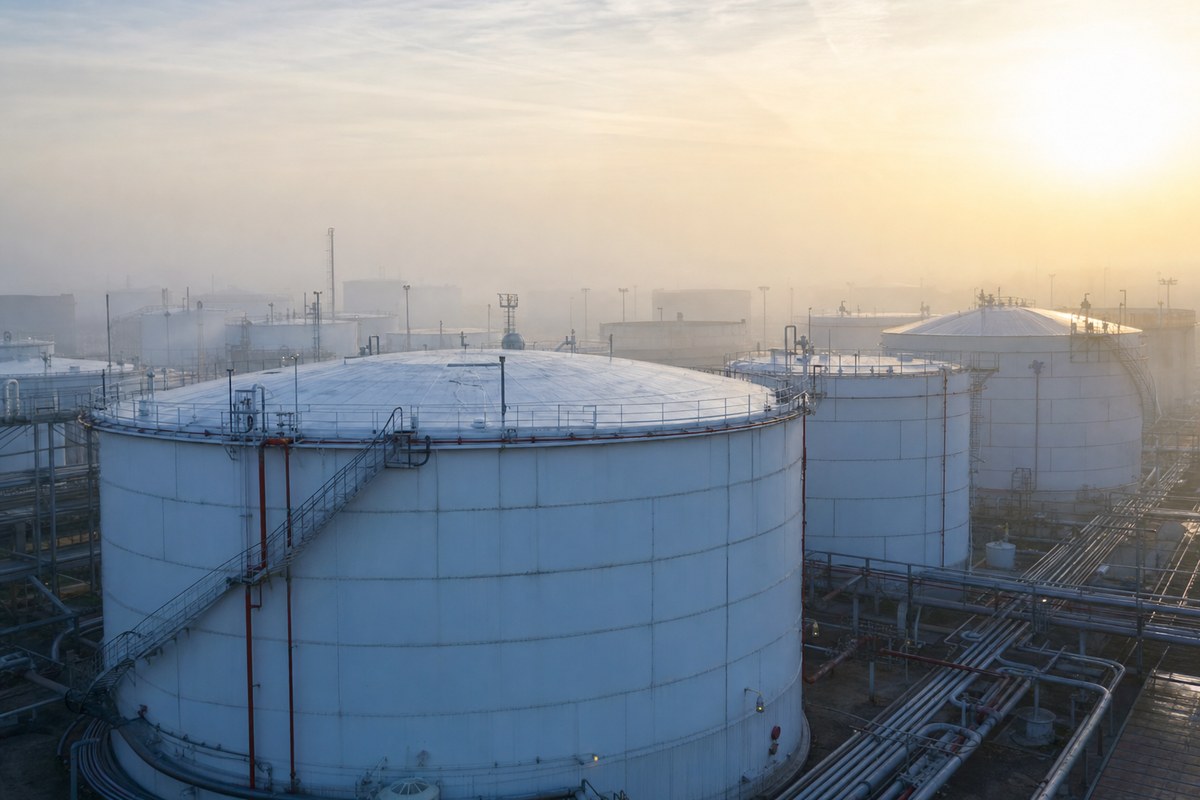
A French proposal called for EU nations to release 50 million barrels of diesel, while IEA members would release another 50 million barrels of crude. China has separately restricted refined-fuel exports, with refiners halting or reducing October shipments of gasoline, diesel and jet fuel to protect domestic stocks. Tom Reed, a China oil-policy specialist at Argus, estimated China's refined-product exports could fall to 480,000 barrels per day in October, down from an earlier forecast of 750,000 barrels per day, and could drop to around 300,000 barrels per day in November once remaining September quotas are used, unless Beijing changes course. Kpler analyst Muyu Xu said it remained unclear whether Beijing had imposed a lasting halt.
Other pressures on global diesel supply include Russia renewing a diesel export ban following Ukrainian drone strikes on its refineries, and a refinery fire in India prompting halted refined-product exports. Diesel prices in Singapore rose 5% over Wednesday and Thursday following China's export restrictions, before returning to around $170 a barrel after European reserve-release discussions were reported. Average US diesel prices reached $6.50 a gallon late last month, according to AAA, and Trump's administration has also considered possible restrictions on US diesel exports. The US supplied around half of EU diesel imports in August, according to the IEA. Refined petroleum product flows through the Strait of Hormuz were running at approximately 677,000 barrels per day, compared with roughly 3.6 million barrels per day before the war in the region. Following news of the G7 reserve release, Brent crude fell more than 3% and US WTI dropped more than 4% during Friday trading.
Industry impact & what to watch
This is a case of coordinated strategic-reserve releases acting as a price-dampening tool when several independent supply shocks land at once rather than any single disruption driving the market. Diesel markets are particularly exposed to this kind of squeeze because refining capacity for middle distillates is geographically concentrated, so a refiner halt in one country, an export ban in another, and a fire in a third can compound within the same month even without any change in crude availability.
The market's reaction shows how quickly reserve-release signals can move prices before a barrel is physically delivered: Singapore diesel prices retraced from a 5% rise to around $170 once talk of a European release emerged, and Brent and WTI both fell sharply on the formal G7 announcement. That gap between announcement and delivery is the thing to watch — whether the diesel release lands within the stated 20-day window, and whether the EU nations actually execute the 50-million-barrel diesel component of the French proposal.
China's export trajectory is the other open variable: Argus' estimate of a drop to 480,000 barrels per day in October, with a further fall toward 300,000 barrels per day in November once September quotas run out, would tighten supply further unless Beijing reverses course. Whether Beijing's restriction is temporary or lasting, as Kpler's Muyu Xu noted is still unclear, will determine how much of the reserve release is needed to offset it.