FAA Reports Significant Delays at San Diego, Boston Logan, and Dallas Fort Worth on Saturday Evening
Why It MattersDelays at a major connecting hub show how localized weather or infrastructure constraints can ripple outward through an airline's broader schedule beyond the airport where they start.
What happened
The Federal Aviation Administration reported significant traffic restrictions at three major U.S. airports on Saturday evening, with a different cause behind the delays at each location. At San Diego International Airport, strong winds reduced airport capacity, prompting a traffic management programme; flights bound for San Diego were experiencing average pre-departure delays of approximately 49 minutes, while general airborne arrival delays remained at 15 minutes or less. Aircraft departing other airports for San Diego were being held or rescheduled to keep arrivals within the airport's safe handling capacity.
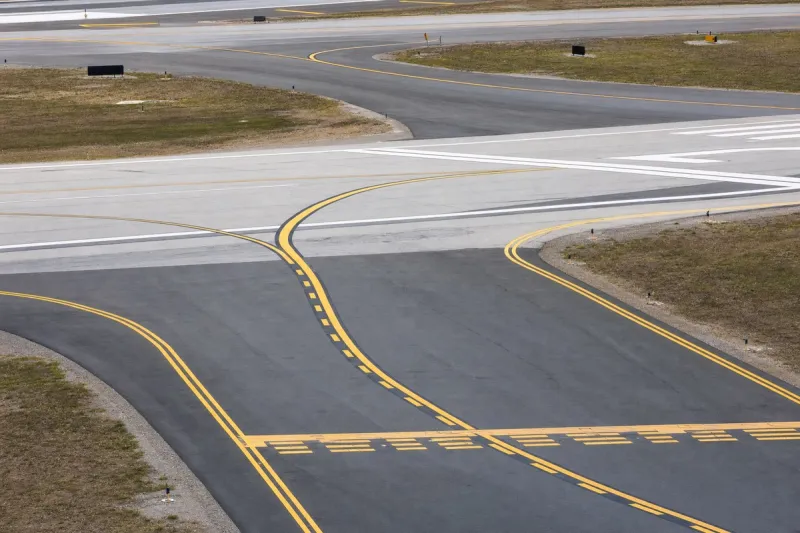
At Boston Logan International Airport, ongoing runway and taxiway construction was slowing arrivals, with flights bound for Boston experiencing average delays of around 26 minutes. The construction limits the number of runway and taxiway configurations available to controllers, reducing the airport's acceptance rate during busy periods, and departing flights could also be affected indirectly when late-arriving aircraft missed planned turnaround times.
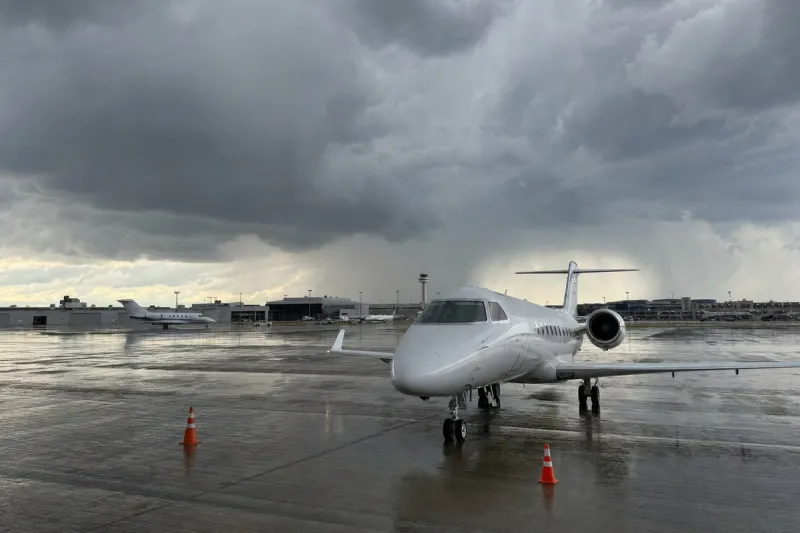
At Dallas Fort Worth International Airport, a new round of thunderstorm-related disruption was under way. Departure traffic was experiencing gate-hold and taxi delays of between 16 and 30 minutes, with delays increasing, while arrival traffic faced airborne delays of 15 minutes or less. The disruption came just days after severe storms caused more than 150 cancellations at the airport and delayed hundreds of additional flights. The FAA noted that published delay figures reflect general operating conditions, and that individual flights may operate on time or face longer waits depending on departure airport, routing, and airline schedules.
Industry impact & what to watch
Weather and infrastructure constraints hitting multiple major airports on the same evening is a routine feature of U.S. air traffic management, where the FAA uses traffic management programmes, gate holds, and airborne metering to keep arrival rates within what each airport can safely handle under reduced capacity. San Diego's wind-driven restriction, Boston's construction-driven reduction in runway configurations, and Dallas Fort Worth's thunderstorm disruption are three independent causes producing the same operational response: slowing the flow of traffic rather than letting delays compound on the ground or in the air.
Dallas Fort Worth carries the most structural weight because it serves as American Airlines' largest hub, so gate-hold and taxi delays there can propagate through connecting banks across the airline's broader network even when the delay at the airport itself is measured in minutes. That dynamic is amplified by the storms from just days earlier that had already caused more than 150 cancellations and delayed hundreds of additional flights, meaning the airport's recovery margin was already thin before this new round of thunderstorms began.
What happens through the rest of the evening will depend on whether the Dallas Fort Worth thunderstorm activity continues to push gate-hold delays higher, whether Boston's construction-limited configurations hold up as traffic volume changes, and whether San Diego's winds ease enough to lift the traffic management programme. Passengers connecting through any of the three airports are the group most exposed to the gap between the published average delay and what an individual flight actually experiences.