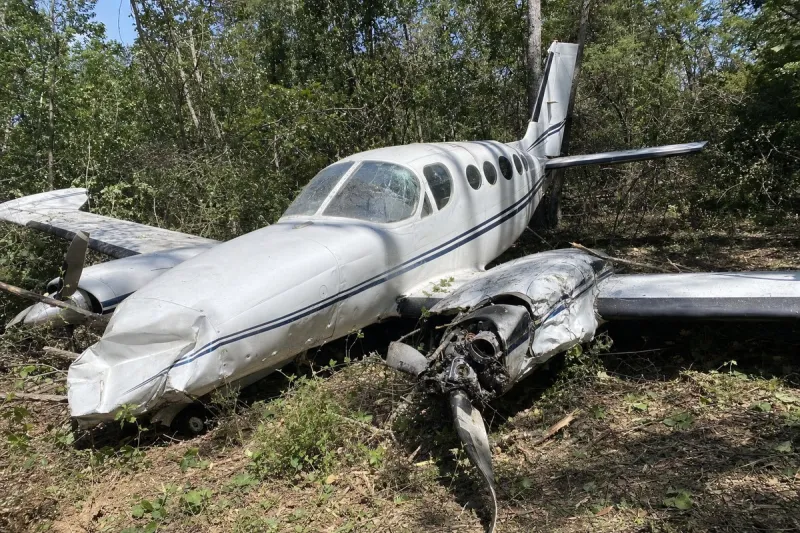
Four detained at Subang Airport after Manila-bound private jet intercepted in Laos-linked 521 kg drug case
Why It MattersThe case shows how medevac and private-jet operations can be exploited for cross-border narcotics movement, pushing regulators toward tighter scrutiny of charter ownership chains and ground operations at regional airports.
What happened
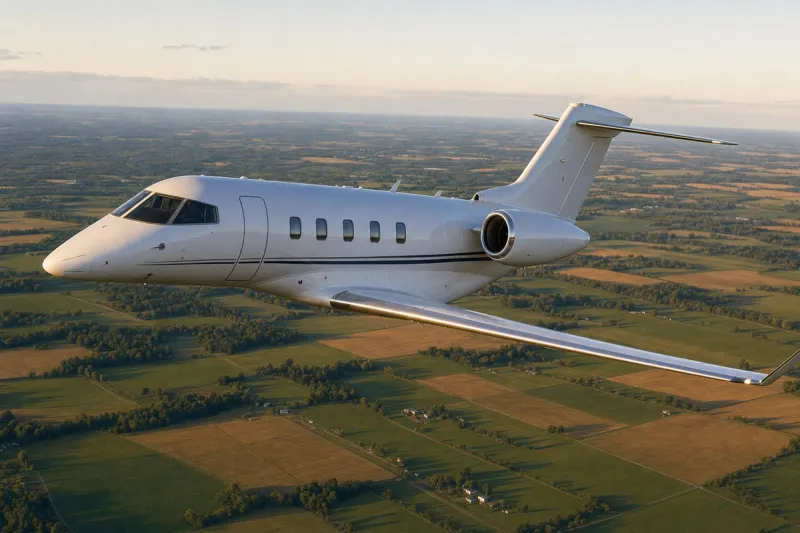
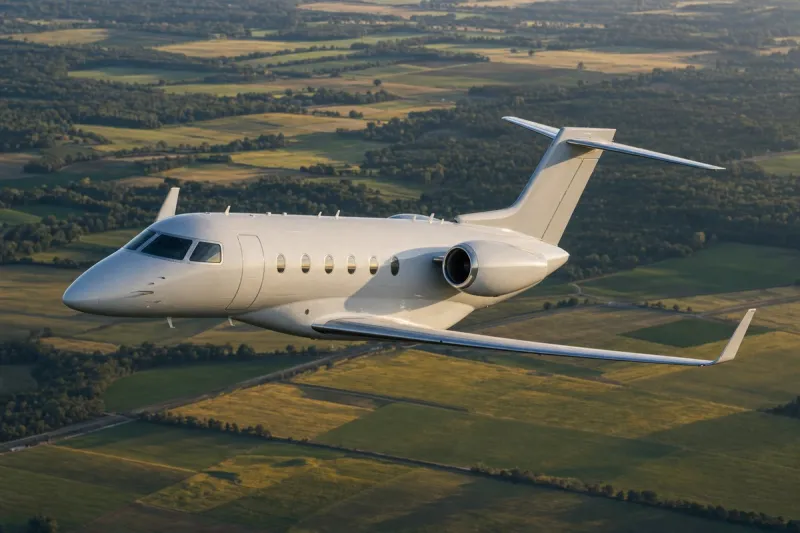
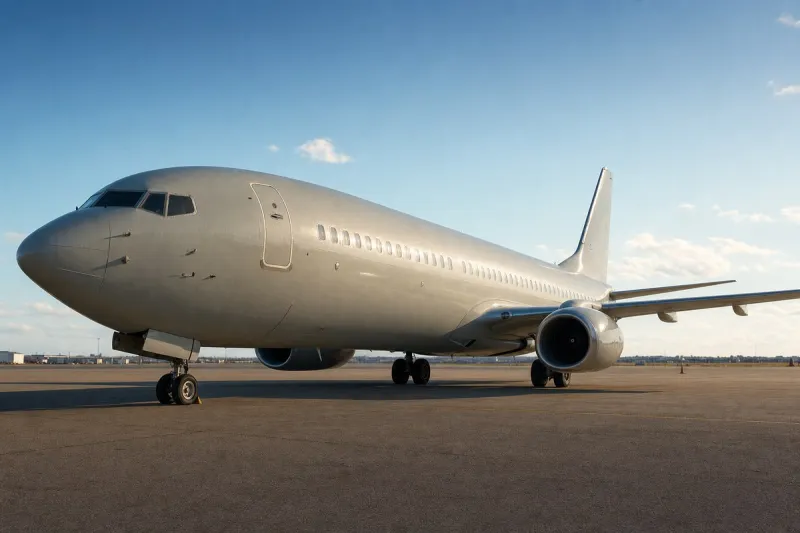
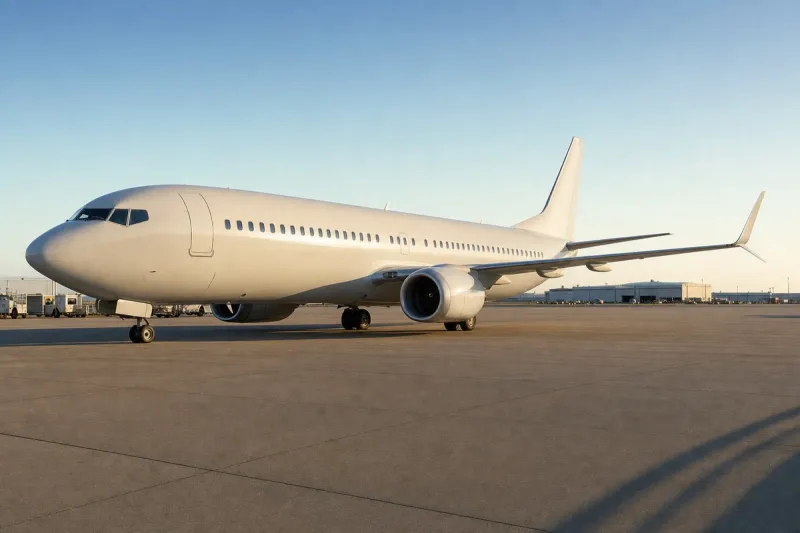
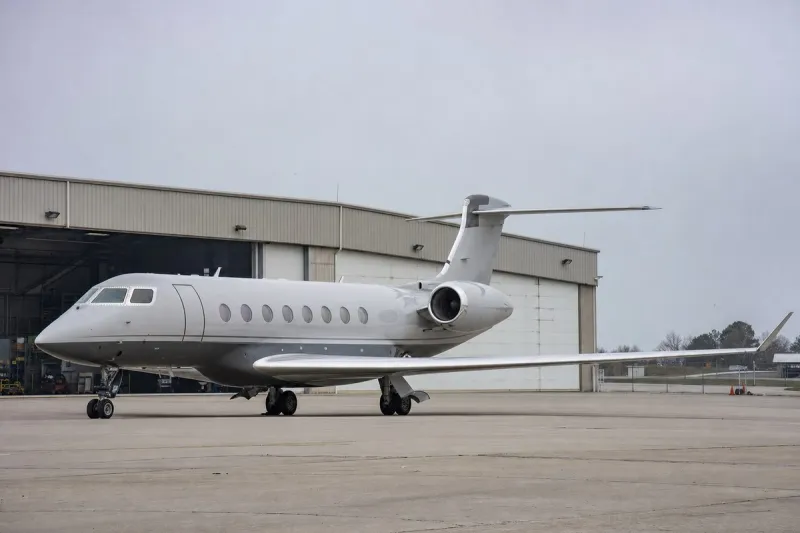
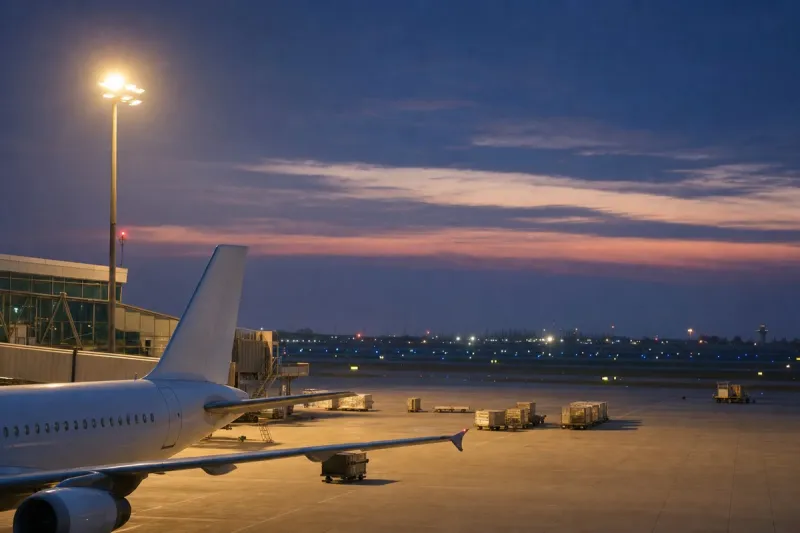
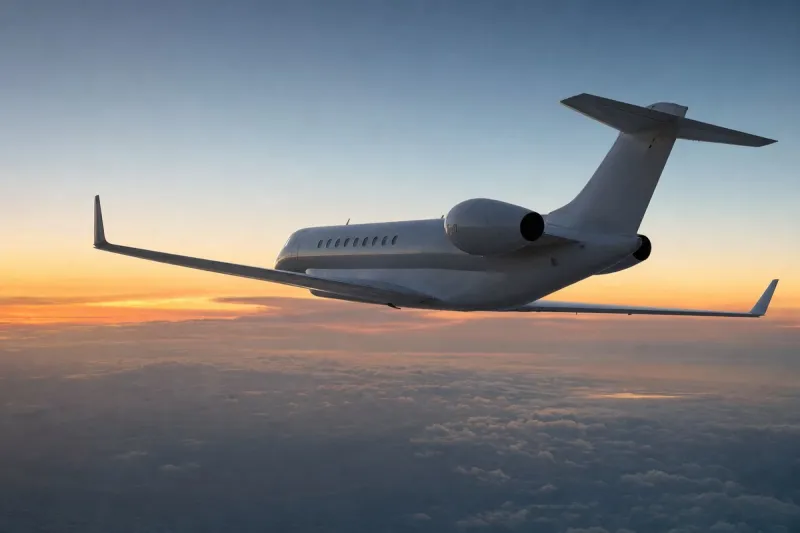
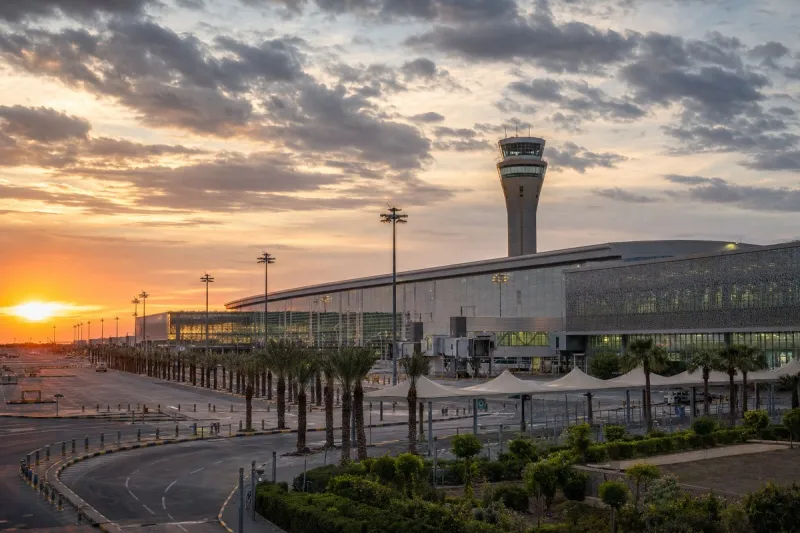
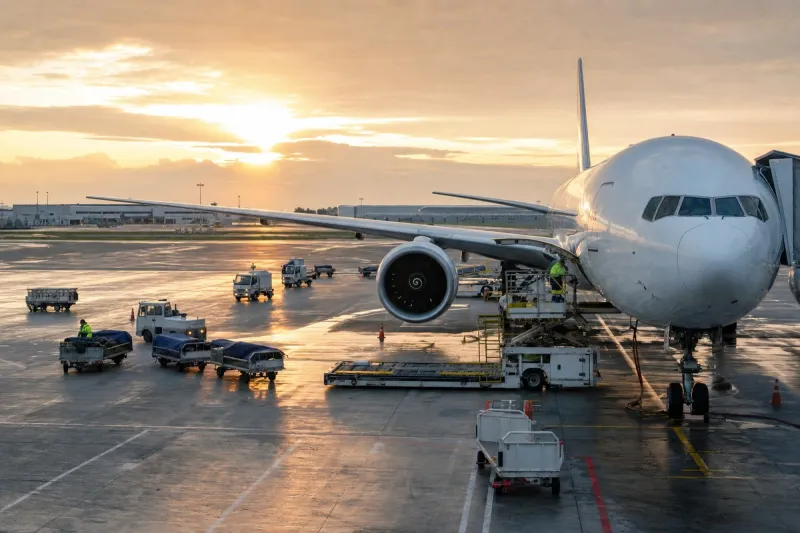
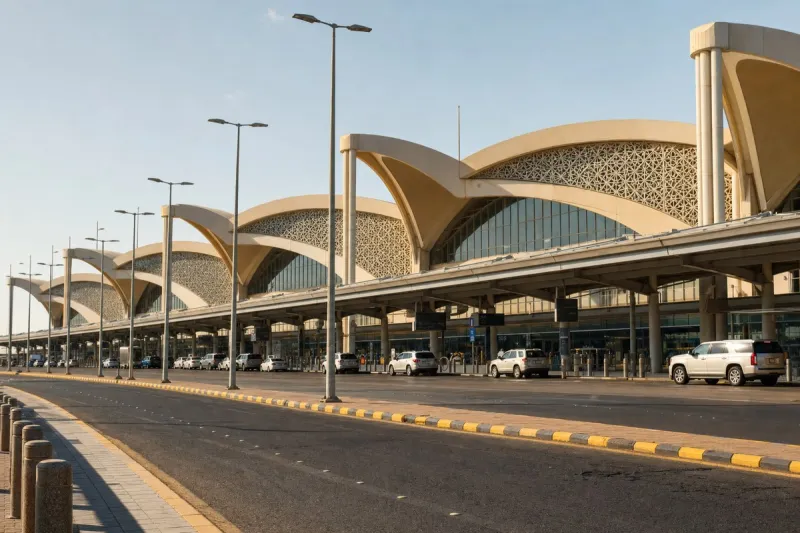
Four people, including a pilot who owns the company behind a private jet, were detained at Subang Airport on October 7, 2026, before the aircraft could depart. Border Control and Protection Agency Port Klang commander Nik Ezanee Faisal confirmed that enforcement personnel moved in and detained all four people on board before departure.
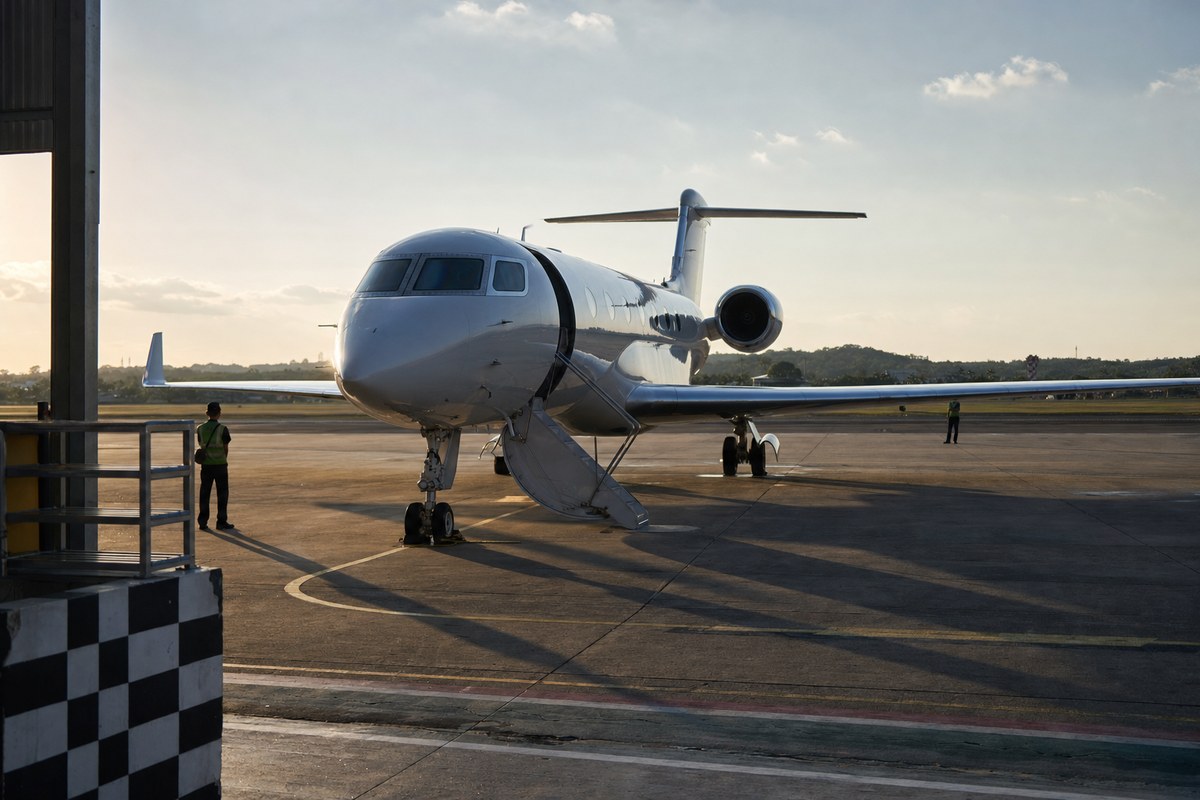
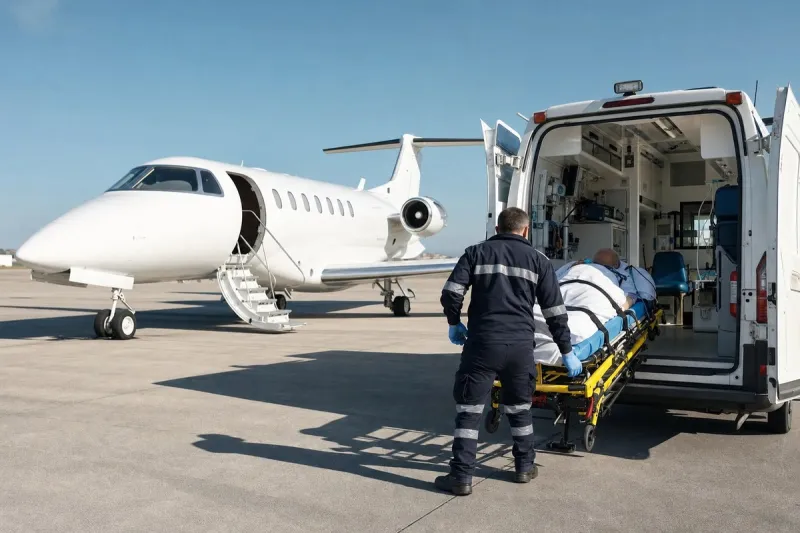
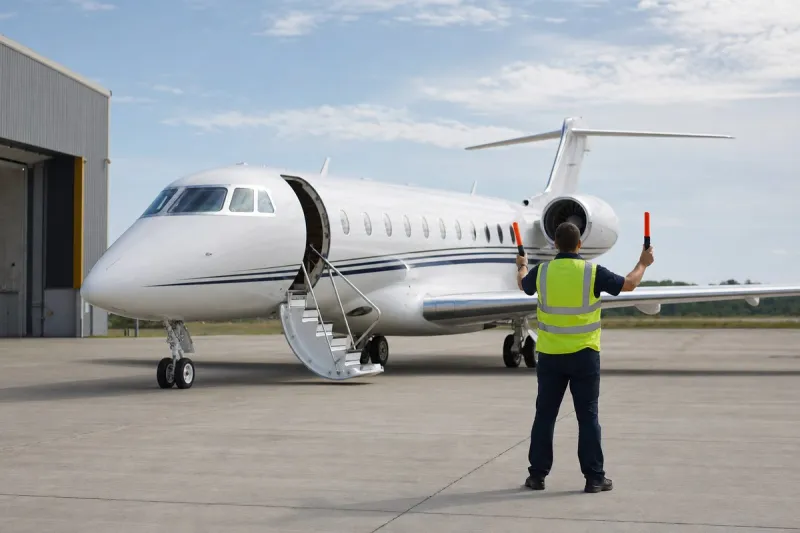
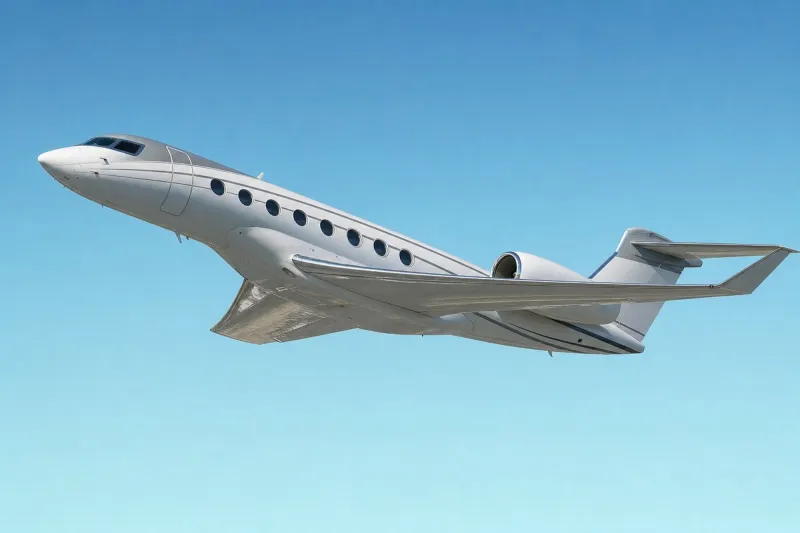
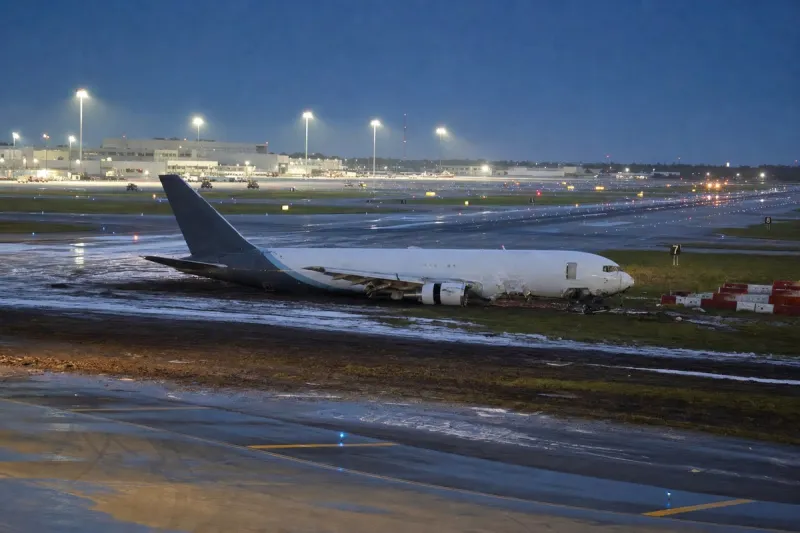
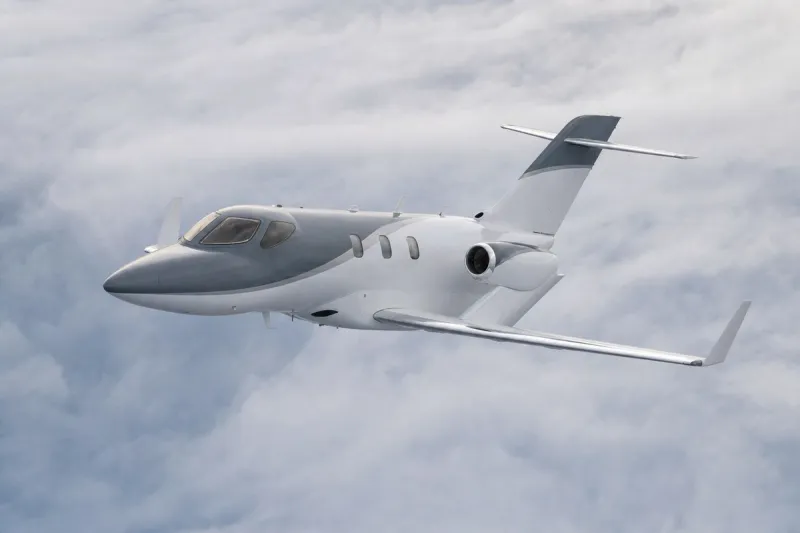
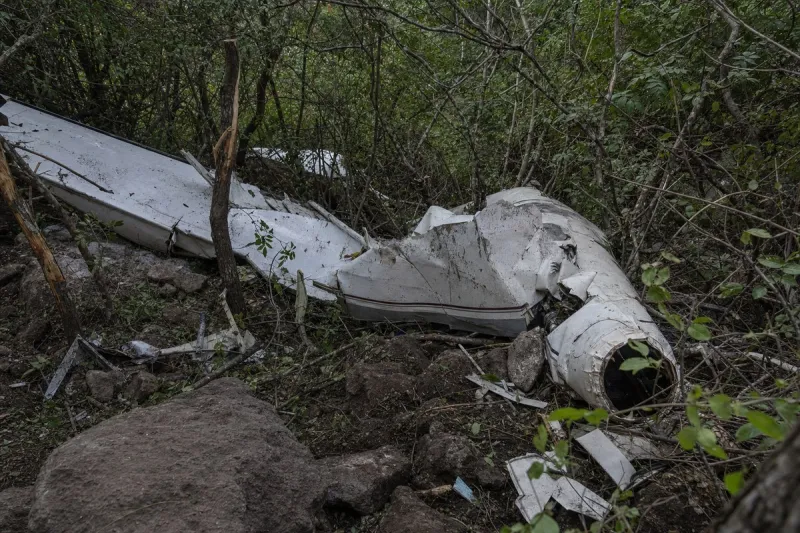
The pilot's company owns both the aircraft intercepted at Subang Airport and the private jet connected to an October 1 drug seizure in Luang Prabang, Laos. The operation was conducted jointly by the Border Control and Protection Agency, Petaling Jaya police, the National Counter Narcotics Intelligence Division (NCID), Avsec, and the Transnational Crime Operations unit, and all four were handed to NCID for further investigation. The intercepted aircraft was configured for medical evacuation and was scheduled to collect a patient in Manila and transport the patient to Japan; two female crew members were believed to be medical personnel. The nationalities of the four detained were not disclosed.
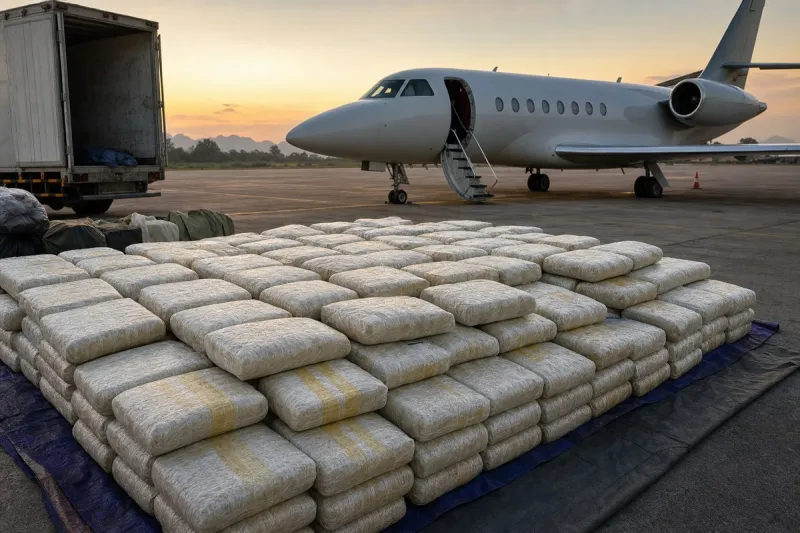
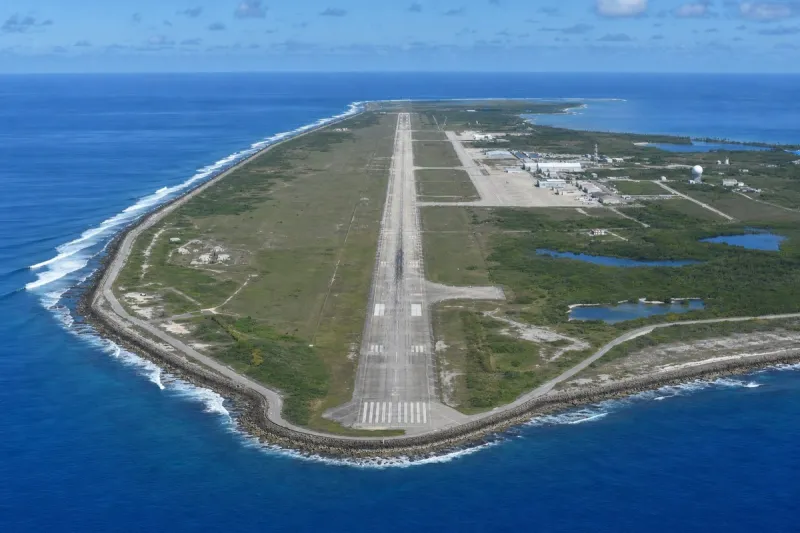
The arrests follow an investigation into an attempt to smuggle 521 kg of crystal methamphetamine aboard a private jet from Luang Prabang, Laos, to Manila. Lao authorities have detained 13 people in connection with that case: a Singaporean pilot, a Malaysian co-pilot, a Filipino passenger, three ground-handling company employees, and seven airport X-ray operators, all Lao nationals. NCID director Hussein Omar Khan confirmed on October 6 the arrest of the Malaysian co-pilot and said the drugs seized in Laos were intended for distribution in Manila. He added that Malaysian police had opened an investigation and would send NCID officers to Laos to conduct questioning and establish the syndicate's links to Malaysia.
Industry impact & what to watch
This case sits within a broader pattern of private and medevac jets being used to move illicit cargo across borders, where the aircraft's legitimate-looking configuration and flight plan provide cover for the underlying cargo or crew. Medevac charters in particular carry built-in urgency and limited scrutiny of passengers, which can make them attractive for exploitation if ownership structures and crew vetting are not independently checked.
Charter and medevac operations typically rely on a chain of ownership, crew certification, and ground-handling approvals that cross multiple jurisdictions, and this case shows how a single ownership link — one pilot's company owning two separate aircraft tied to two separate incidents — can connect enforcement actions in different countries. The involvement of NCID, Avsec, and the Transnational Crime Operations unit alongside Lao authorities underscores how these investigations now require coordination across agencies and borders rather than single-jurisdiction enforcement.
The NCID's planned dispatch of officers to Laos to question detainees and trace the syndicate's Malaysian links is the next concrete step that could clarify how deep the ownership and operational connections run. Whether the four detained at Subang are formally charged, and what the Malaysian police investigation into the co-pilot's arrest turns up, will determine how far this network extends beyond the two aircraft already identified.