Middle East Airspace Threats and Record El Niño Reshape Charter and Private Aviation Risk
Why It MattersCharter and private aviation planning is shifting from managing isolated local disruptions toward treating overlapping geopolitical and weather threats as a persistent, systemic constraint on routing and underwriting.
What happened
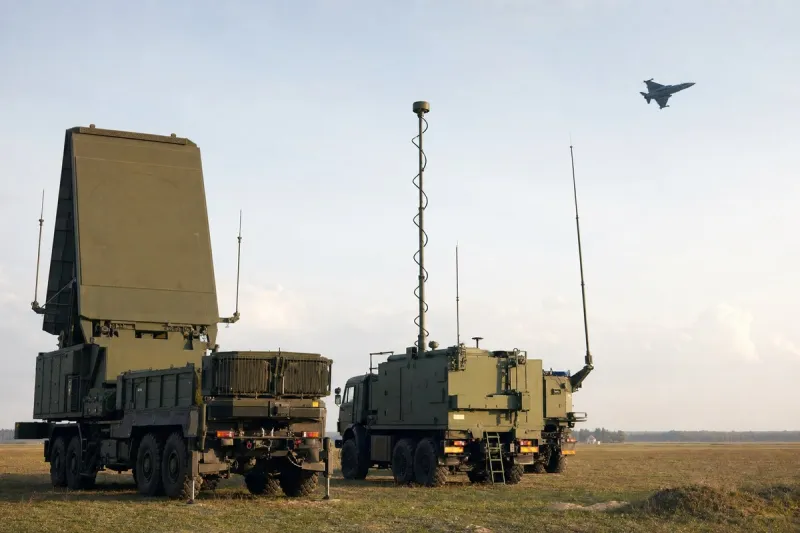
A conflict that began on 28 February 2026 with Israeli and US operations named Roaring Lion and Epic Fury remains active in the Middle East despite a ceasefire announced on 7 April that took effect the following day. The United States has deployed a third aircraft carrier strike group and an amphibious force carrying 2,000 Marines to the region, while Iranian medium-sized oil tankers are holding roughly ten miles off Bandar Abbas at the Strait of Hormuz, a positioning attributed to the threat of a US attack.

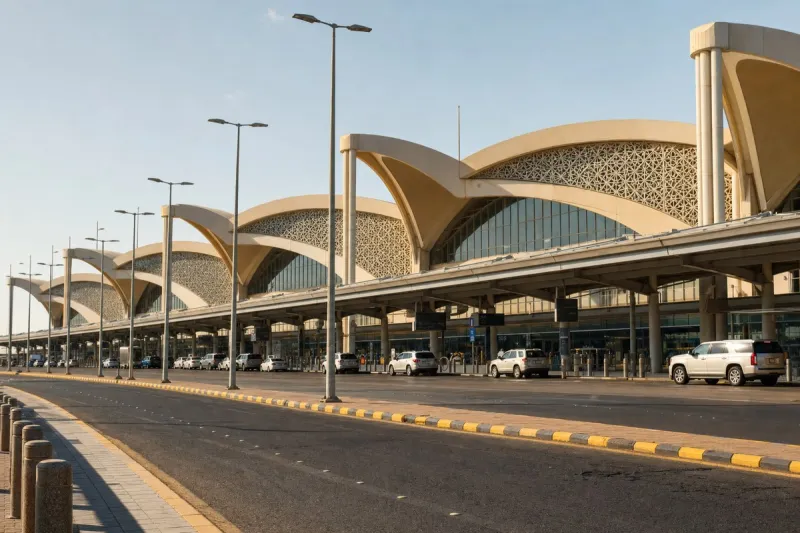
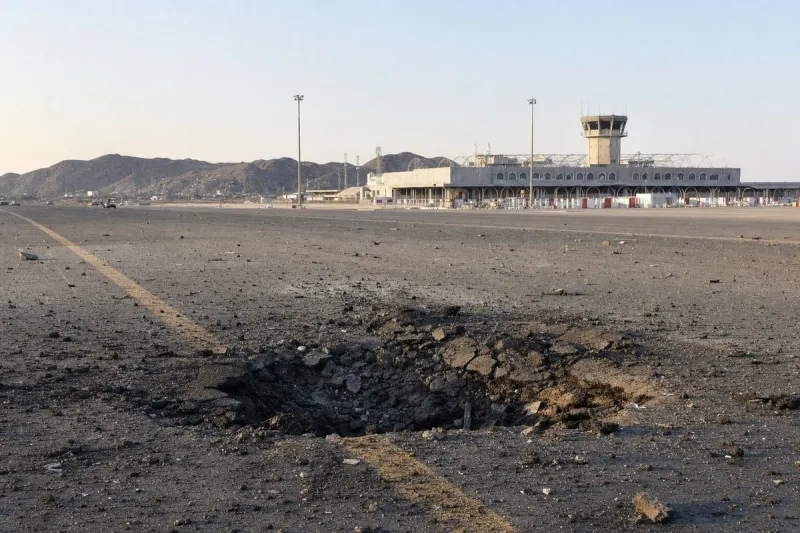
A Houthi warning has told international airlines to cease using Saudi Arabian airspace, and EASA has highlighted a broadening scope of attacks that now includes strikes against aviation infrastructure, describing a threat to ground infrastructure as well as overflight. The East-West Pipeline, hit in earlier strikes, resumed operations on 22 September after attack damage. In Iraq, Kataib Hezbollah has claimed the United States is still operating in Iraqi airspace and threatened to shoot down hostile aircraft, while the Islamic Resistance in Iraq has reiterated its refusal to disarm; no formal prohibition on Iraqi overflight has been reported.
Following an attempted hijacking of a flydubai aircraft, two Israeli airlines had their landing privileges in the United Arab Emirates withdrawn and takeoff and landing slots cancelled, despite a ministerial statement that repatriation flights would continue until Thursday. Singapore Airlines and Scoot have extended Singapore–Middle East cancellations until December, and Cathay Pacific has suspended Middle East passenger services to Dubai and Riyadh through 31 January 2027, offering rebooking, rerouting or refunds.
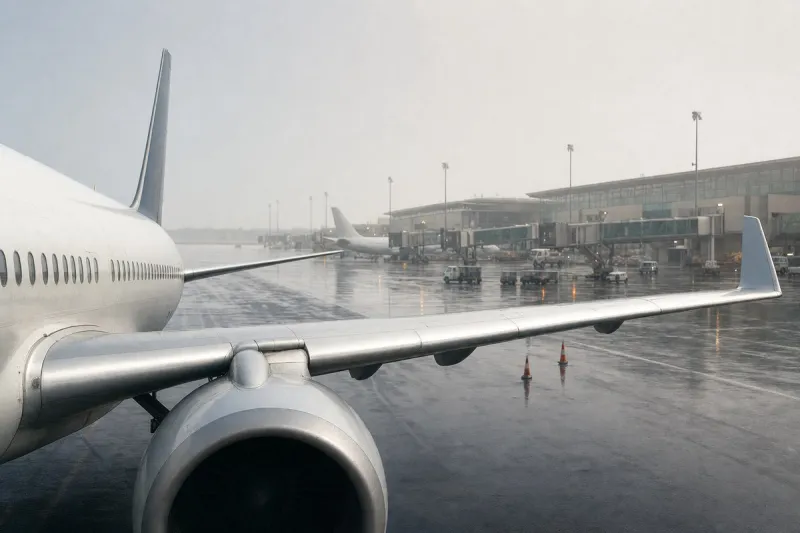
Separately, NOAA assessments indicate more than a 90 percent probability of a very strong El Niño event persisting, peaking late in 2026 and potentially influencing conditions into 2027. Bangkok has declared a disaster across all 50 city districts, with 40 reported dead; Thai Airways has cut 30 percent of its flights, and alternates and ground transport in the Chao Phraya basin remain unreliable. Indonesia is experiencing its worst wildfire season in more than a decade, producing transboundary haze across the region, and Tokyo has recorded a 34-day rainy spell.
Industry impact & what to watch
The two pressures sit on different clocks but compound in the same planning cycle: a shooting war with a broadened target set in the Middle East, and a strong El Niño pattern degrading weather predictability across Asia and the Pacific through at least late 2026. Practitioners at the World Safety and Operations Conference described this as a move from isolated local disruption to a systemic operating condition, which changes how dispatch, underwriting and route planning are expected to function rather than just how often they are triggered.
For charter and private operators, ground infrastructure now sits alongside overflight risk in route planning, since EASA has flagged attacks on aviation infrastructure itself rather than only aircraft in the air. The Kataib Hezbollah shoot-down threat over Iraq, though not a formal overflight ban, is the kind of signal that typically shows up first in war-risk insurance conversations and altitude or timing adjustments before it shows up in any regulator's published restriction. Airline-level access decisions — the UAE's withdrawal of landing privileges from two Israeli carriers, Cathay Pacific's suspension of Dubai and Riyadh service through January 2027, Singapore Airlines and Scoot's extension of cancellations into December — illustrate how quickly diplomatic friction can remove scheduled capacity even where airspace itself remains technically open.
The return of Bahrain and Saudi Arabia to the Formula 2 calendar for 2027, after both were dropped this year on airspace and safety grounds, is the clearest dated marker of when event-driven charter demand into the region is expected to resume. Whether that date holds will depend on how the Houthi warning on Saudi airspace and the Iraqi shoot-down threat evolve between now and then, and on whether El Niño conditions easing into 2027 restore reliable alternates across the Bangkok and Jakarta basins.