South Korea's Jet Fuel Exports Hit 3.5-Year High as Europe Seeks Alternatives to Blocked Middle East Supply
Why It MattersThe shift shows how a regional supply shock can quickly rewire global refined-product trade flows, pulling long-haul volumes toward refiners with spare capacity and stable logistics.
What happened
South Korea's jet fuel exports reached 10.81 million barrels in July, the highest monthly volume in three and a half years, according to the Korea National Oil Corporation. The figure was the largest since late February, when the U.S.-Iran military conflict erupted. August exports came in at 10.13 million barrels, down slightly from July but up 5.4% from 9.61 million barrels in the same month last year.
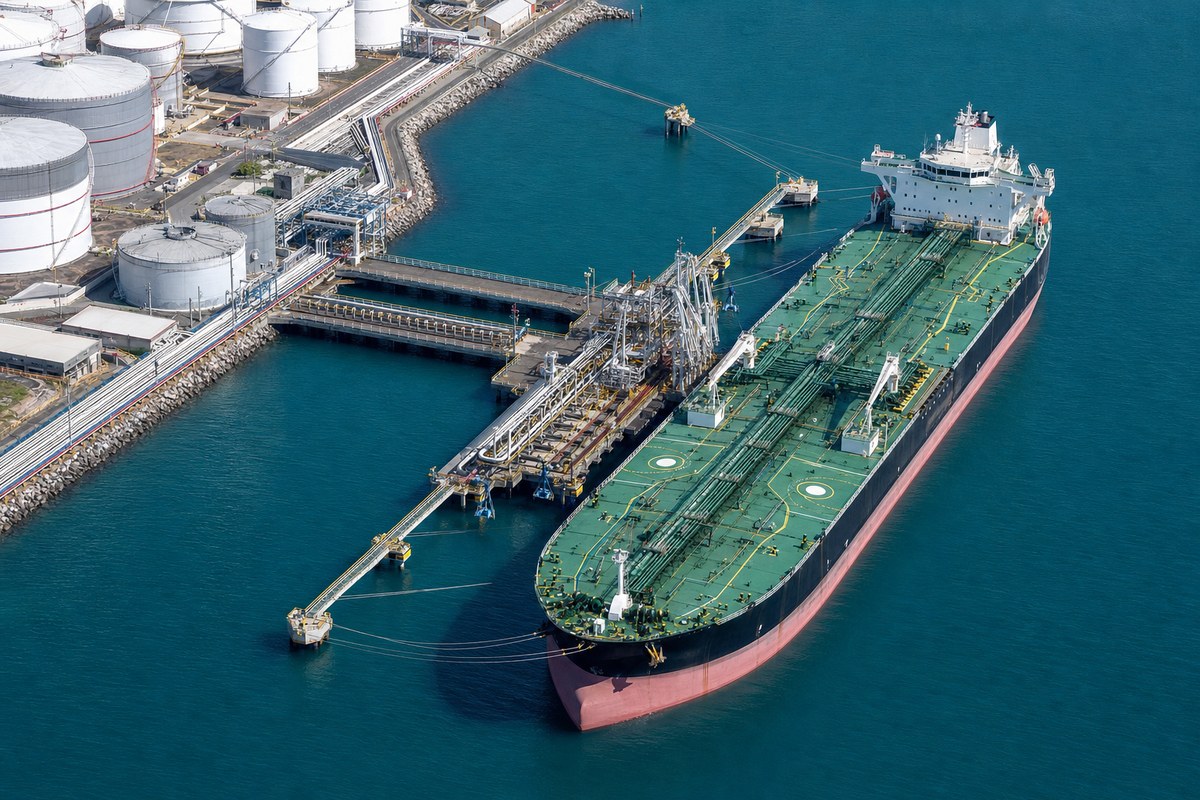
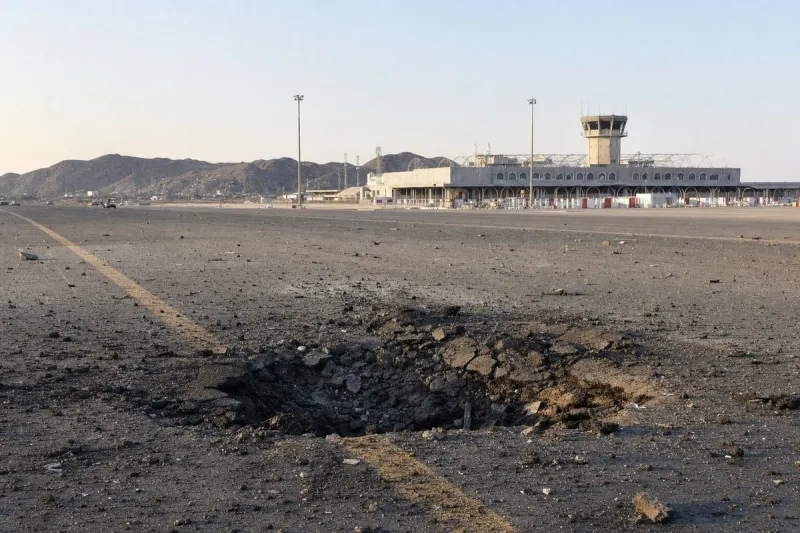
Europe has historically sourced more than 70% of its jet fuel imports from Middle East producers including Saudi Arabia, the United Arab Emirates, Qatar, and Kuwait. With those routes disrupted by the Strait of Hormuz blockade and damage to regional refining facilities, Europe has turned to South Korea as an alternative supplier. Data from the Korea Petroleum Association show jet fuel exports to Europe totalled 10.74 million barrels in the January–August period, a 115.2% surge from 4.99 million barrels in the same period a year earlier. South Korea's total jet fuel exports rose 13% year-over-year over the same period, while exports to the Americas fell 18.8% to 23.27 million barrels.
Energy consulting firm Energy Aspects forecasts Europe's fourth-quarter jet fuel supply-demand gap at 510,000 barrels per day, compared with projected supply surpluses of 18,000 barrels per day in the United States and 419,000 barrels per day in the Asia-Pacific region. Independently held jet fuel stocks at the Amsterdam-Rotterdam-Antwerp hub were at their lowest weekly levels in seven years as of September 10, according to Reuters. An energy industry source noted that European refineries are struggling to meet domestic jet fuel demand due to aging facilities, compounded by blocked imports of both Russian and Middle Eastern petroleum products.
Europe's widening supply gap
The scale of the swing stands out most in the regional breakdown: Europe-bound volumes from South Korea more than doubled year-over-year while the overall export book grew only 13%, and Americas-bound volumes actually fell 18.8%. That divergence points to a deliberate reallocation of cargoes toward the region with the acute shortfall rather than a broad-based increase in South Korean refining output.
Energy Aspects' regional comparison reinforces the same picture: a 510,000 barrel-per-day deficit projected for Europe in the fourth quarter sits against surpluses in both the United States and Asia-Pacific, meaning the barrels Europe needs have to travel further than they would in a more balanced market.
Industry impact & what to watch
This episode illustrates how concentrated a region's fuel sourcing can be, and how fast that concentration becomes a vulnerability once a single chokepoint — here the Strait of Hormuz — is disrupted alongside damage to refining capacity in the supplying region. When a dominant corridor like the historical 70%-plus Middle East share into Europe is interrupted, the replacement barrels do not appear instantly; they come from whichever refiners elsewhere hold spare capacity and can move product over longer distances.
The refined-products trade works on exactly this kind of substitution logic: buyers facing a shortfall bid cargoes away from other destinations, which is why Americas-bound volumes from South Korea fell even as Europe-bound volumes surged. Low independently held stocks at the Amsterdam-Rotterdam-Antwerp hub, now at seven-year lows, mean the region has little buffer left if replacement flows slow or if another disruption hits supply.
The next signals worth tracking are whether South Korea's export volumes hold near the July-August pace into the fourth quarter, whether Energy Aspects' projected 510,000 barrel-per-day European gap narrows or widens as the quarter progresses, and how quickly Middle East refining infrastructure and the Strait of Hormuz route return to normal operation.